
Strategies for resilient tourism presented in Zadar
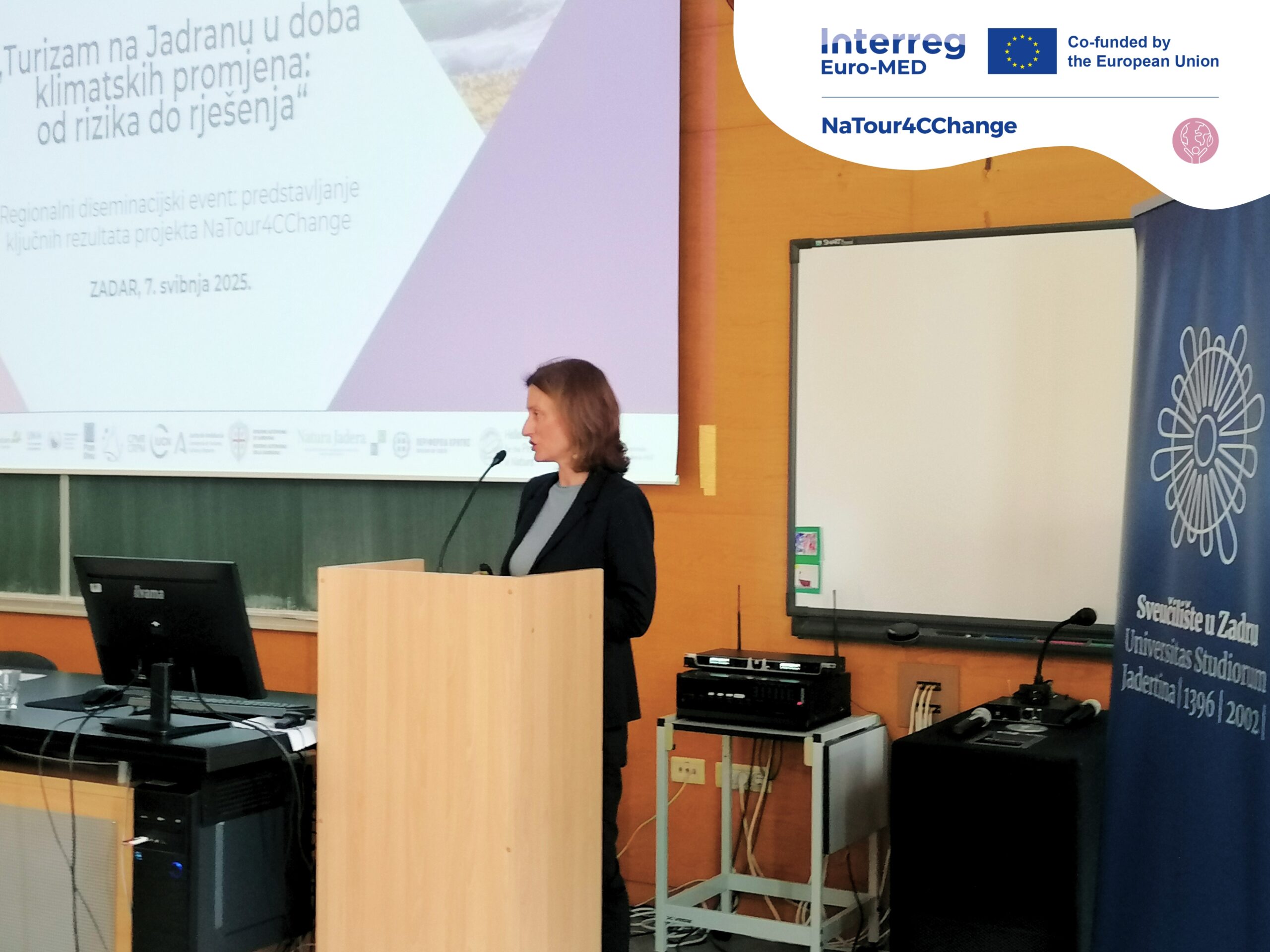
Project Coordinator Partner Institute for Tourism and public institution partner NATURA-JADERA co-organised the expert event “Tourism on the Adriatic in the Age of Climate Change: From Risks to Solutions” within the framework of the NaTour4CChange project. The event took place on 7 May 2026 at the University of Zadar and brought together representatives from academia, public authorities, tourism stakeholders and destination managers.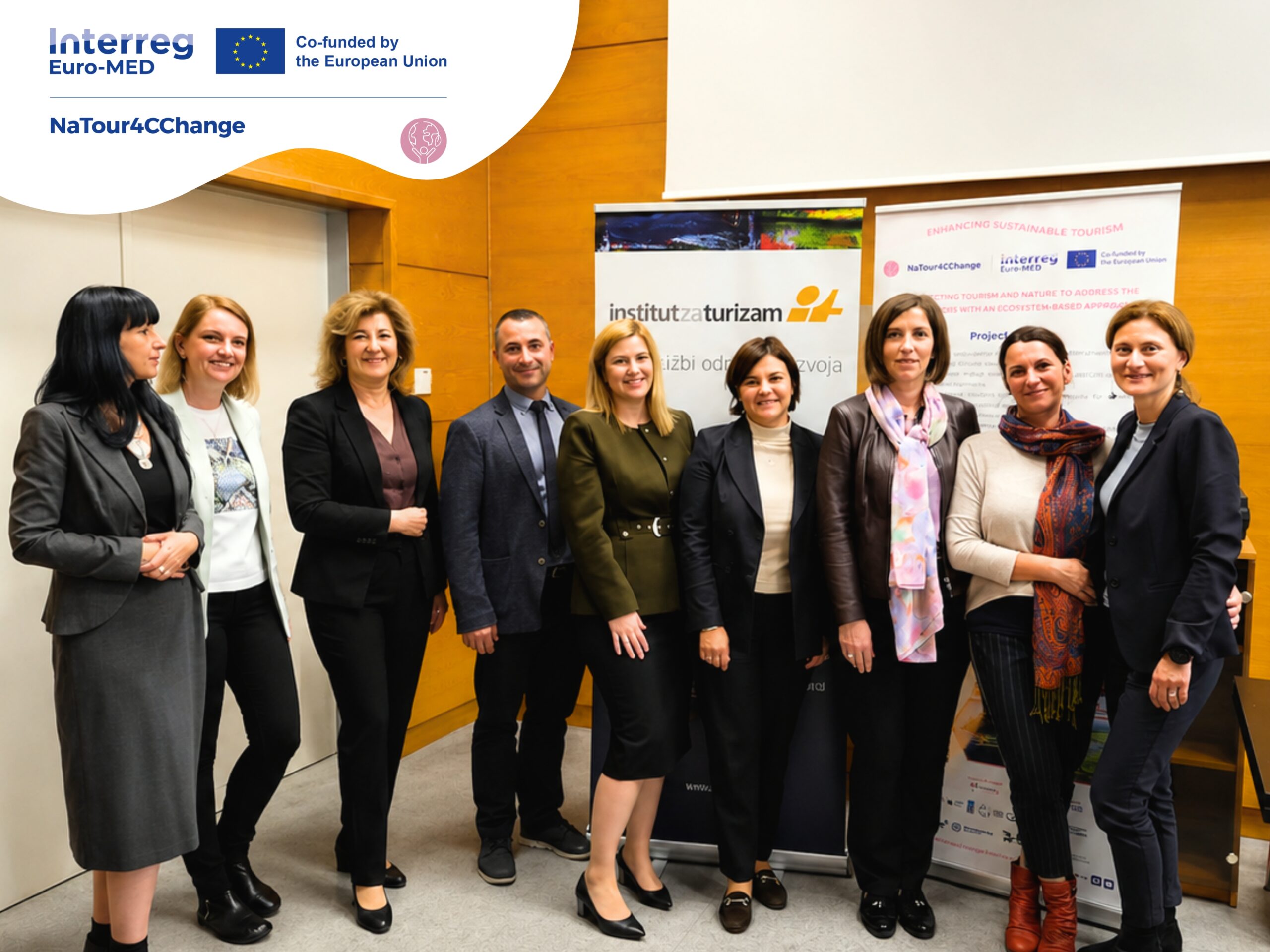
The event marked an important milestone in advancing climate-resilient tourism planning in Croatia through the presentation of two key strategic documents: the Regional Strategy for Climate Change Adaptation and Mitigation in Tourism of Zadar County and the Local Action Plan for Climate Adaptation of Tourism on Dugi Otok.
The discussions opened a broader dialogue on how climate change is already reshaping tourism systems and destinations, shifting attention from tourism’s impact on climate to the equally urgent issue of climate impacts on tourism. As highlighted during the event, extreme weather events, heatwaves and strong winds are increasingly affecting the sustainability, safety and attractiveness of Adriatic destinations.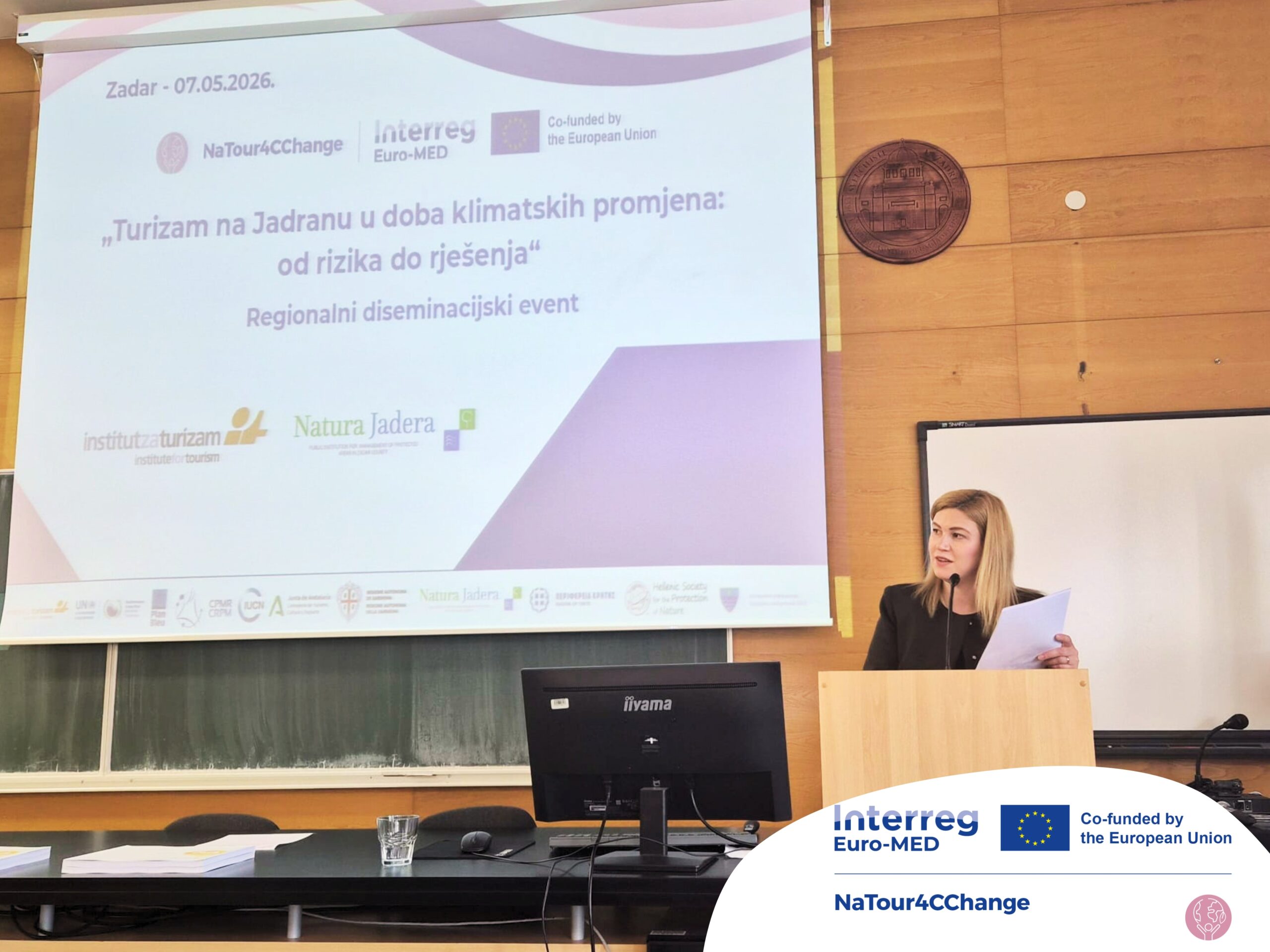
A central theme of the event was the role of ecosystem-based approaches and Nature-based Solutions (NbS) in strengthening destination resilience. These approaches not only contribute to emission reduction, but also enhance the ability of ecosystems to buffer climate shocks, protect coastal areas and improve overall destination quality.
During the presentation of the Regional Strategy, experts highlighted several key challenges facing tourism in Zadar County, including the strong dependence on car-based travel, which accounts for approximately 88% of tourist arrivals, and the continued dominance of fossil fuels. Energy inefficiency in accommodation facilities, particularly during peak summer cooling periods, was also identified as a major concern. Addressing these challenges will require both technological improvements and broader systemic changes in tourism planning and mobility.
The Local Action Plan for Dugi Otok focuses on practical, place-based solutions tailored to island conditions. These include promoting renewable energy use, improving water efficiency, encouraging more sustainable visitor behaviour, and diversifying tourism activities beyond beach-oriented experiences. The plan also emphasises the importance of reducing pressure on vulnerable coastal ecosystems while enhancing visitor experience and destination resilience.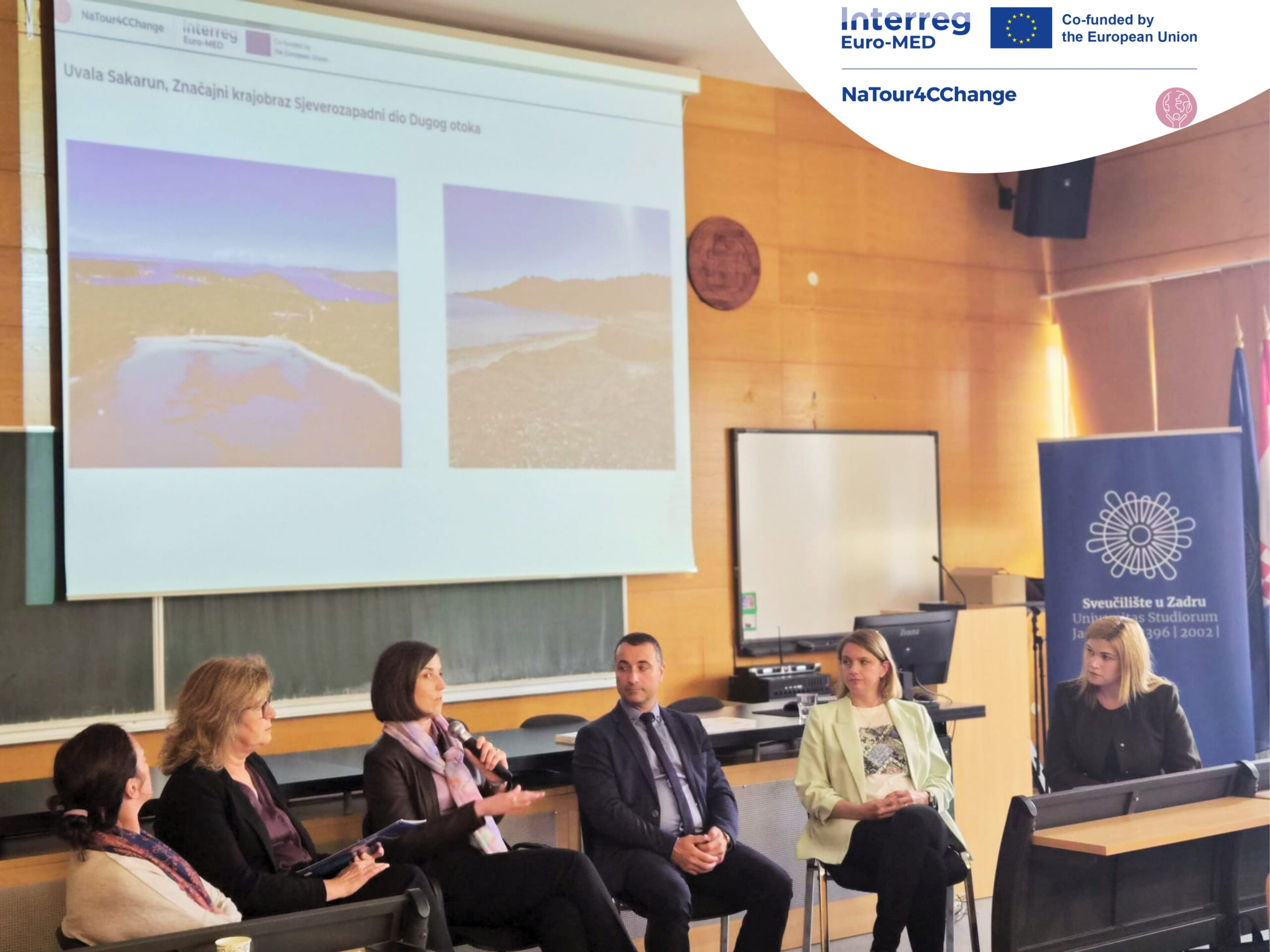
A roundtable discussion further explored governance challenges and opportunities linked to climate adaptation. Participants stressed that significant EU funding opportunities are available for climate adaptation, estimated at more than 30% of the EU budget in the upcoming programming period, and highlighted the need for local and regional authorities to be prepared to effectively absorb these resources.
 Speakers also addressed the importance of rethinking tourism branding and development models. The overemphasis on beach tourism was identified as a structural issue, especially given that beaches represent only a small share of Croatia’s coastline. Instead, participants highlighted the value of natural landscapes, including karst environments and protected areas, as a more sustainable and authentic pathway for tourism development.
The vulnerability of coastal and island destinations was another key topic of discussion. Limited resources, strong seasonality and increasing pressures from nautical tourism make these areas particularly sensitive to climate impacts. Protecting marine ecosystems, especially seagrass meadows such as Posidonia oceanica, alongside better regulation of coastal development and anchoring practices, was identified as a priority.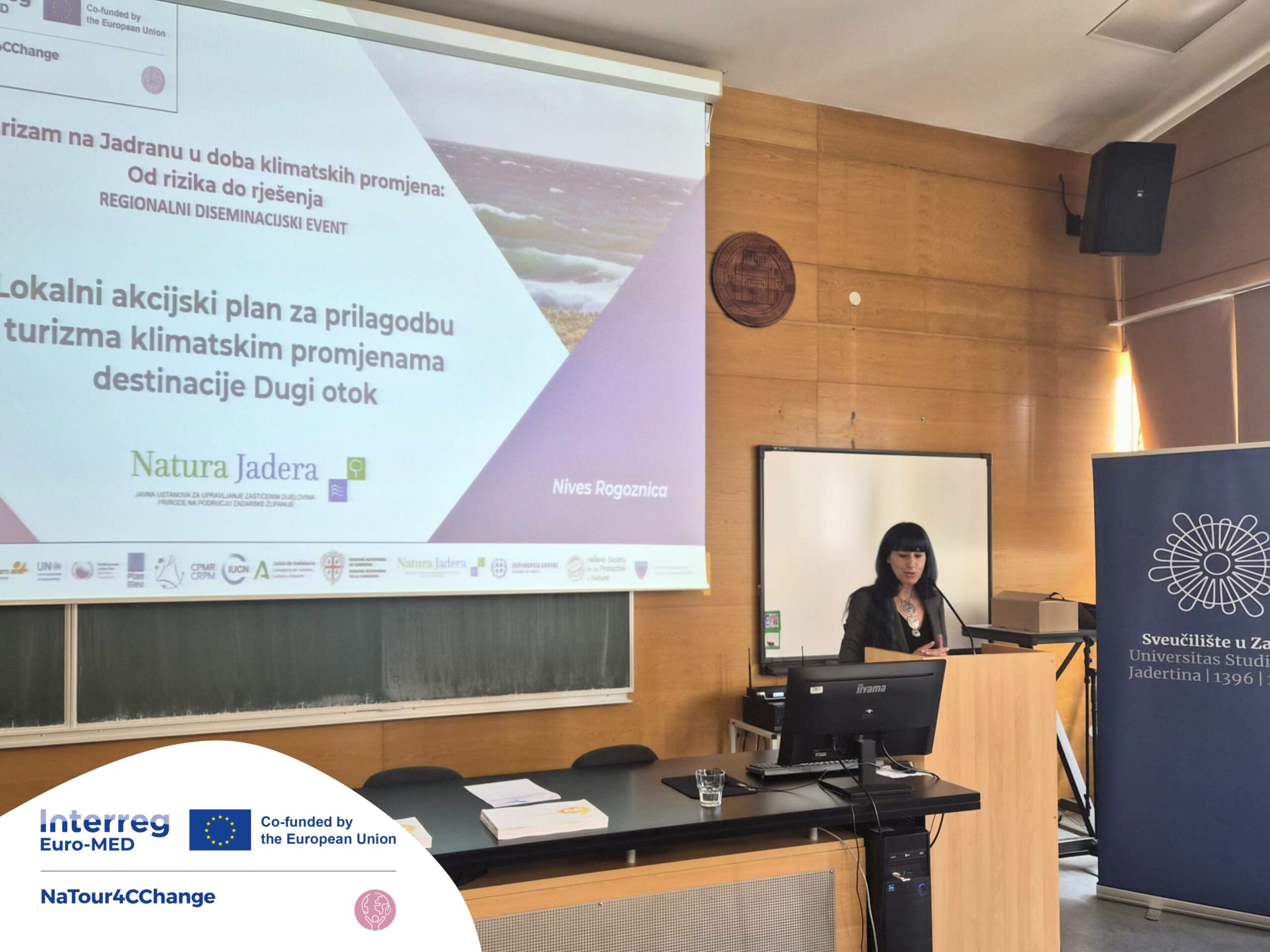
The event confirmed the need for integrated, multi-level governance approaches that connect science, policy and practice. It also reinforced the importance of moving from strategic planning to concrete implementation, ensuring that climate adaptation measures are embedded in both public and private sector decision-making. In this regard, the event represented another concrete step forward in achieving the objectives of the NaTour4CChange project.