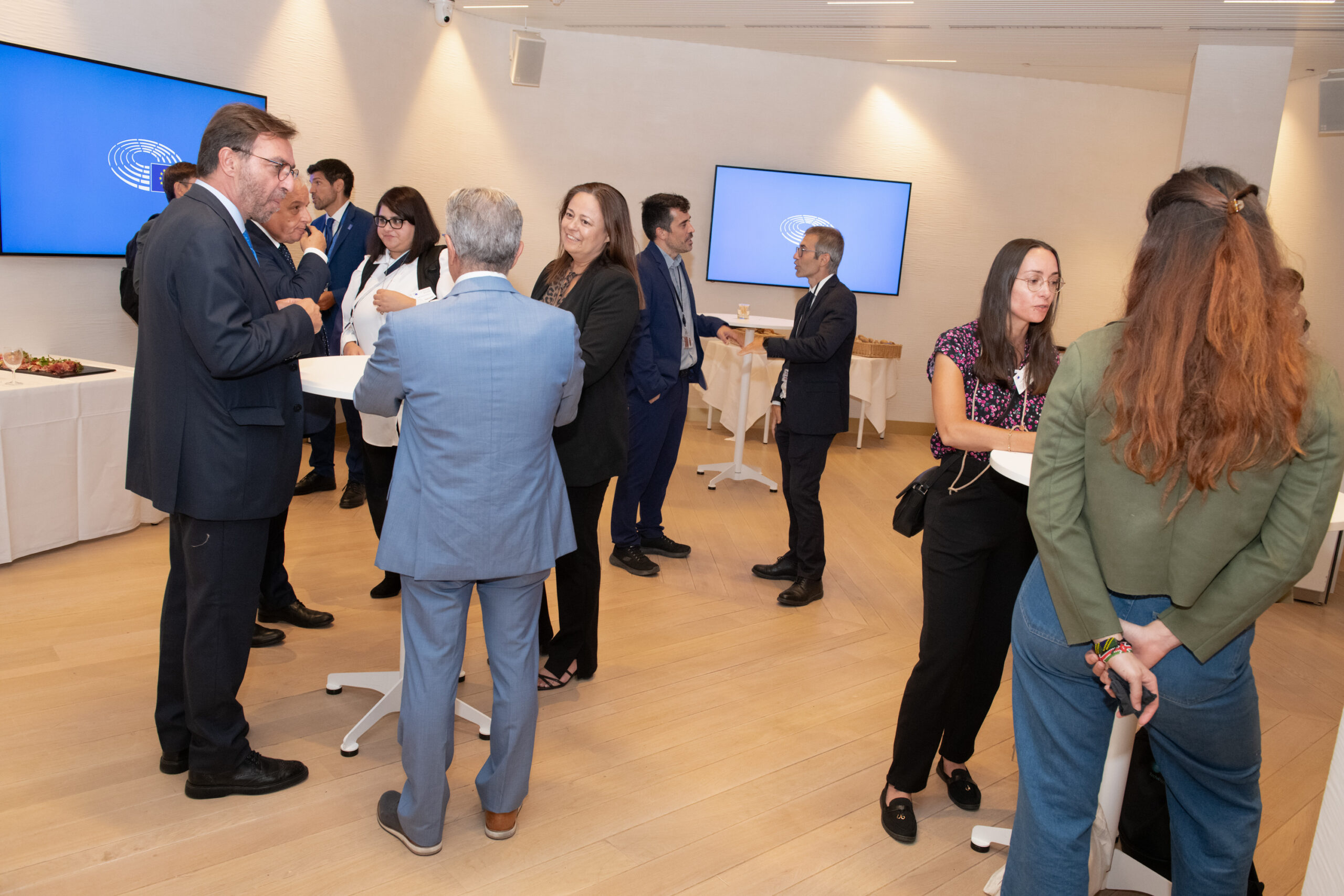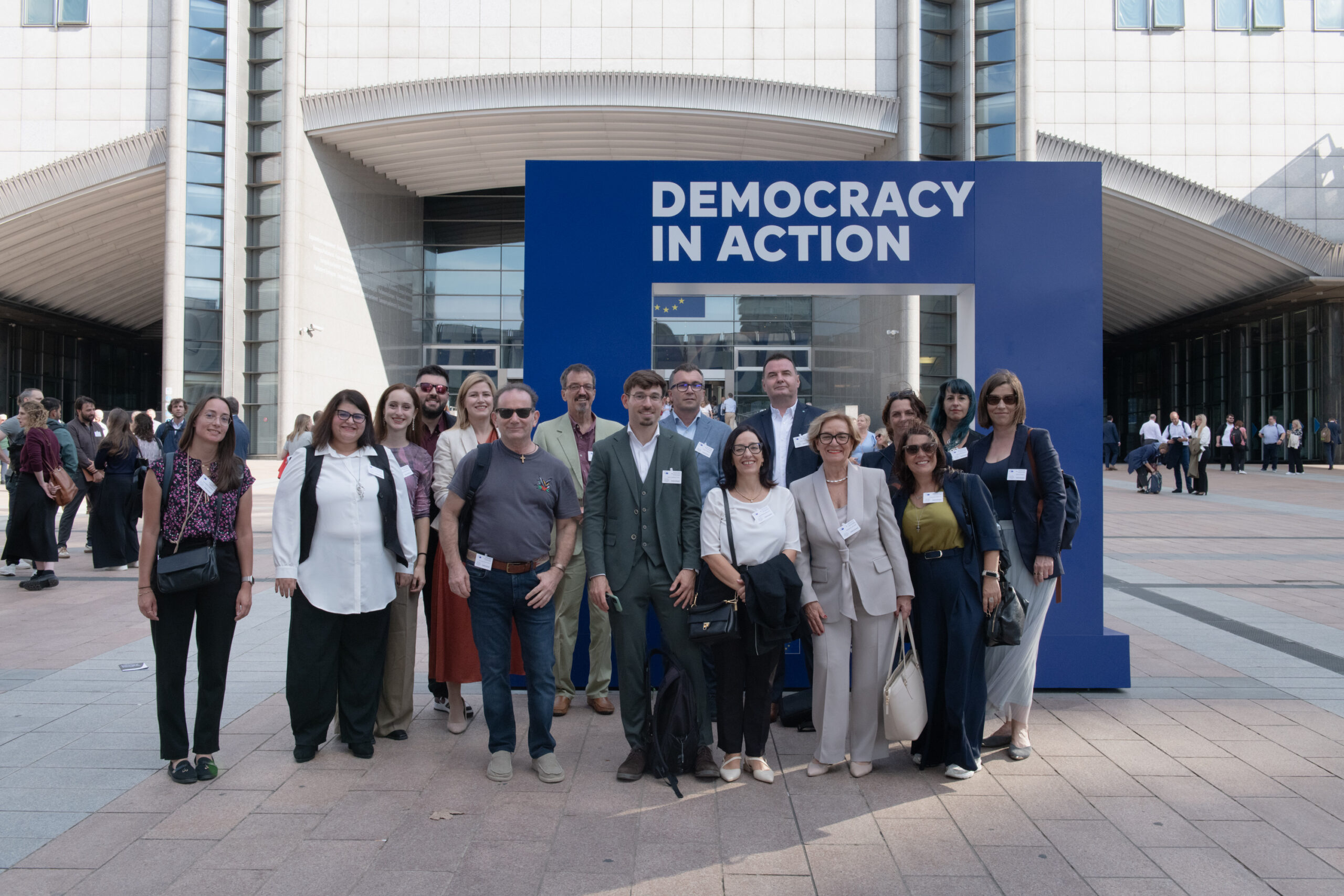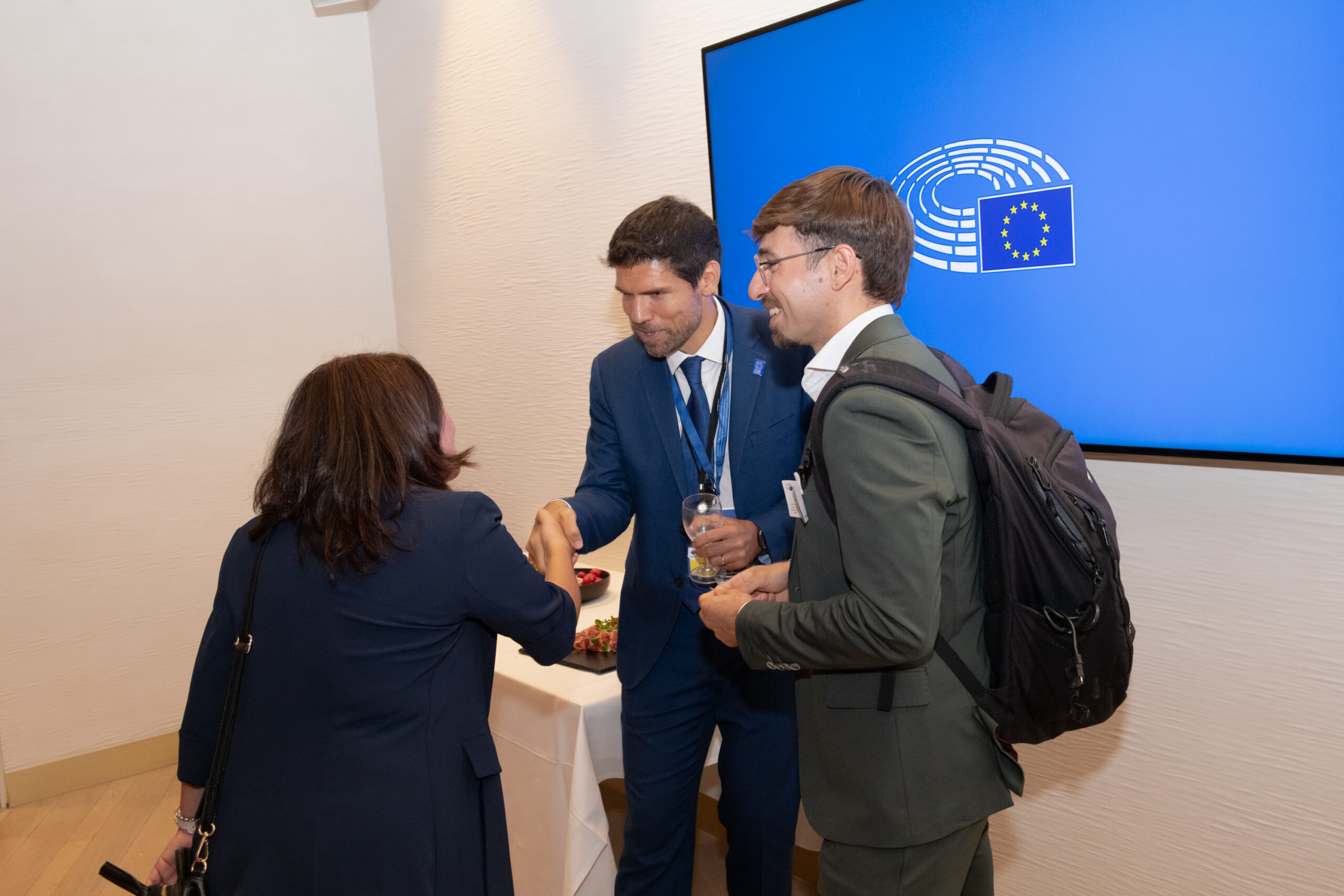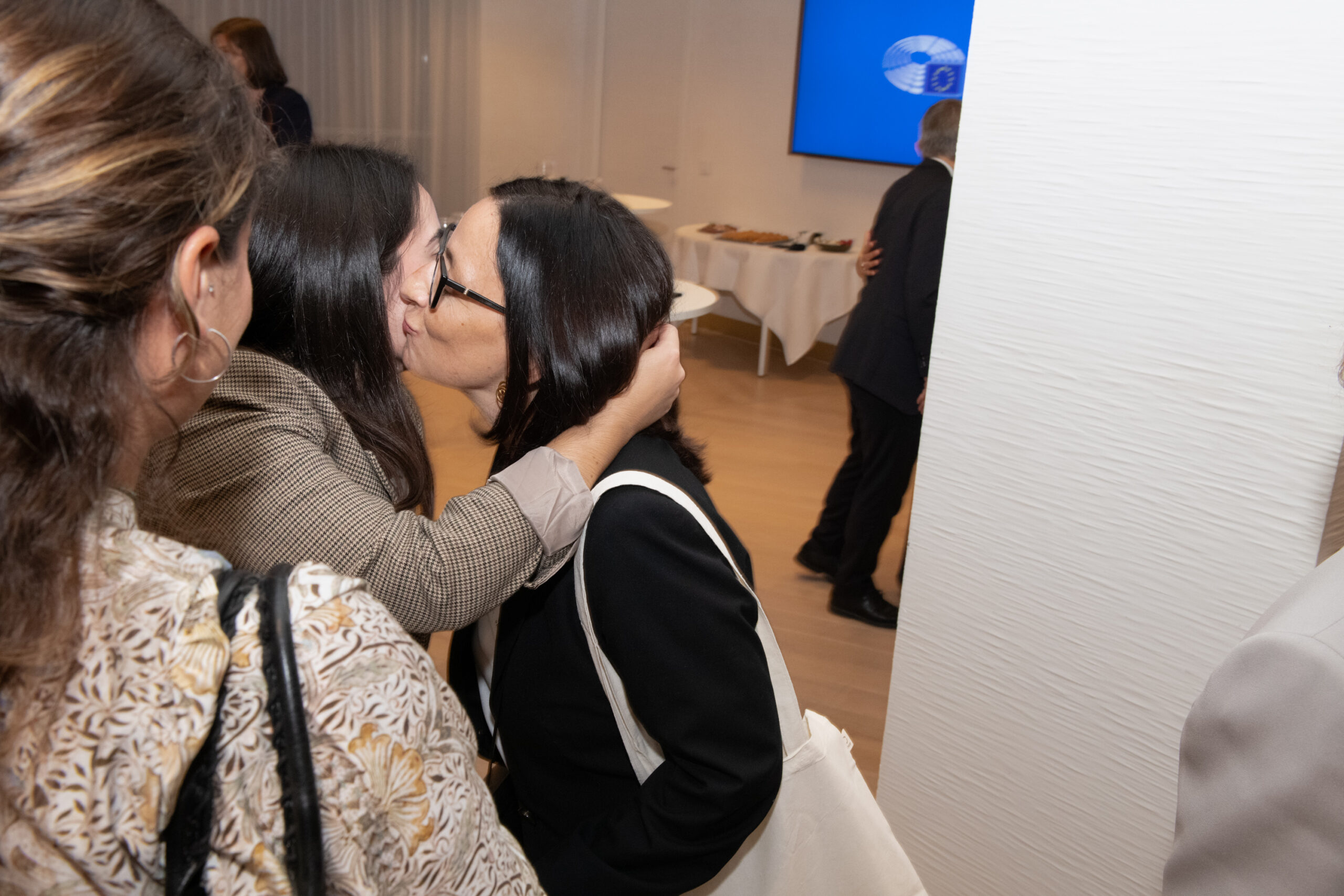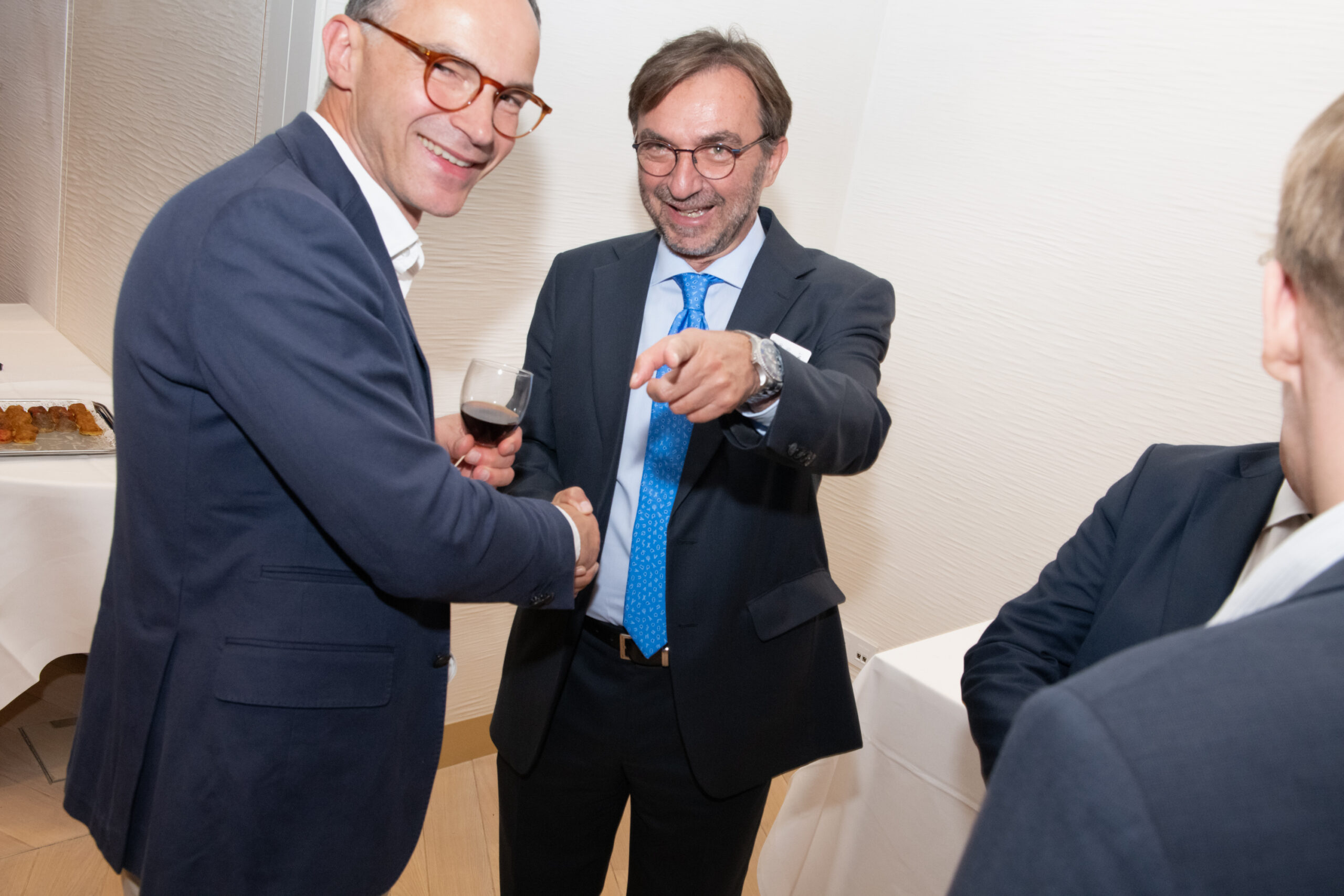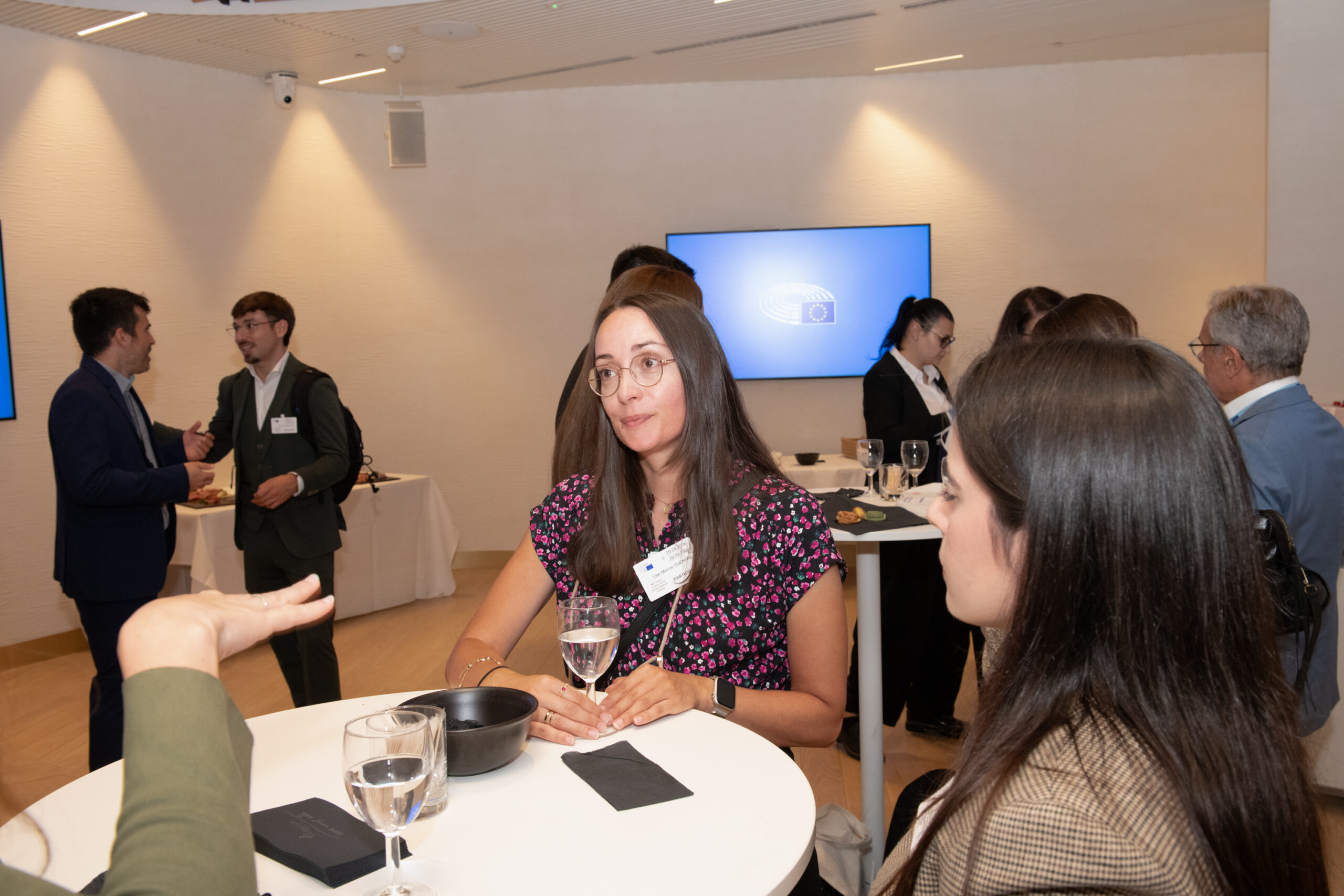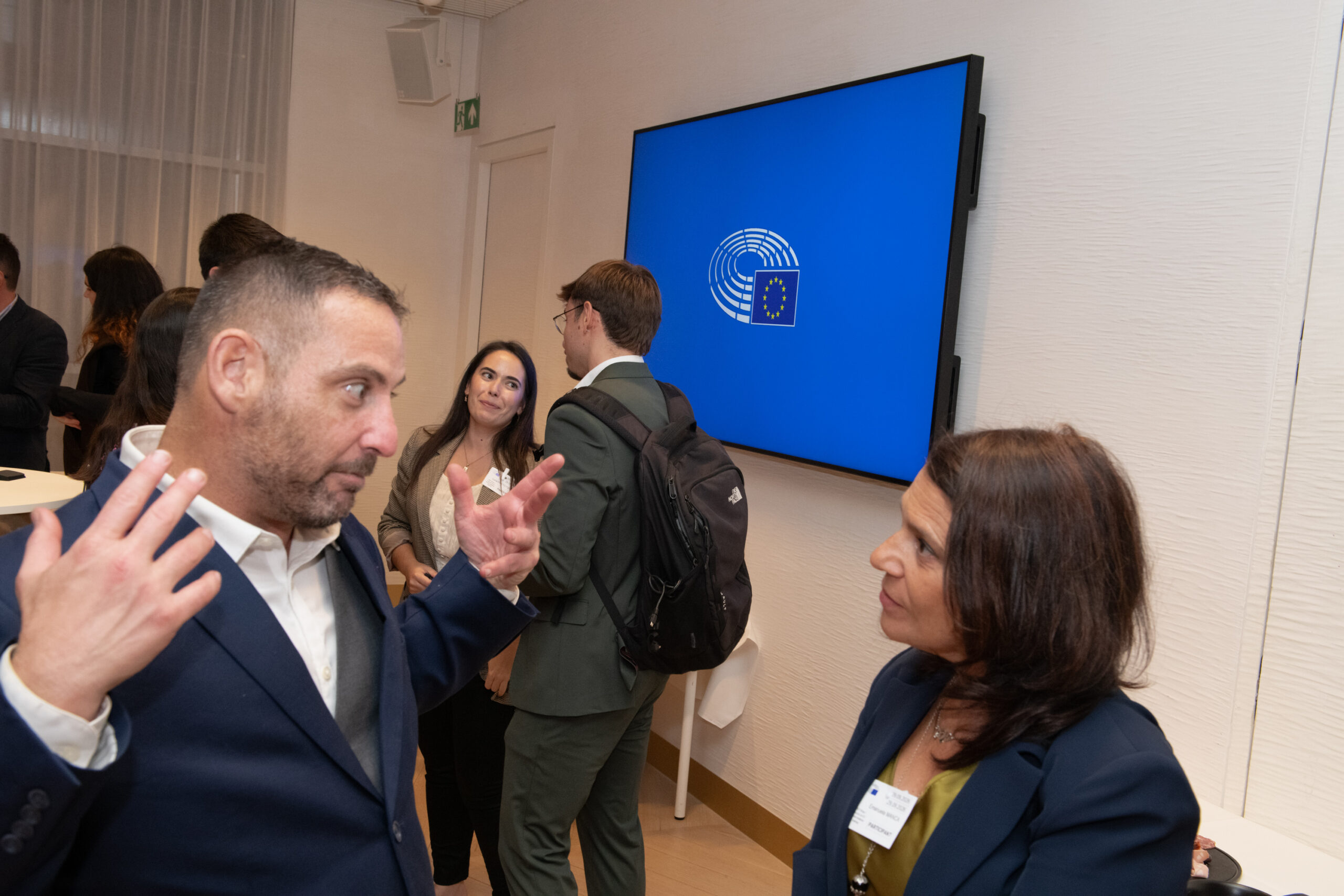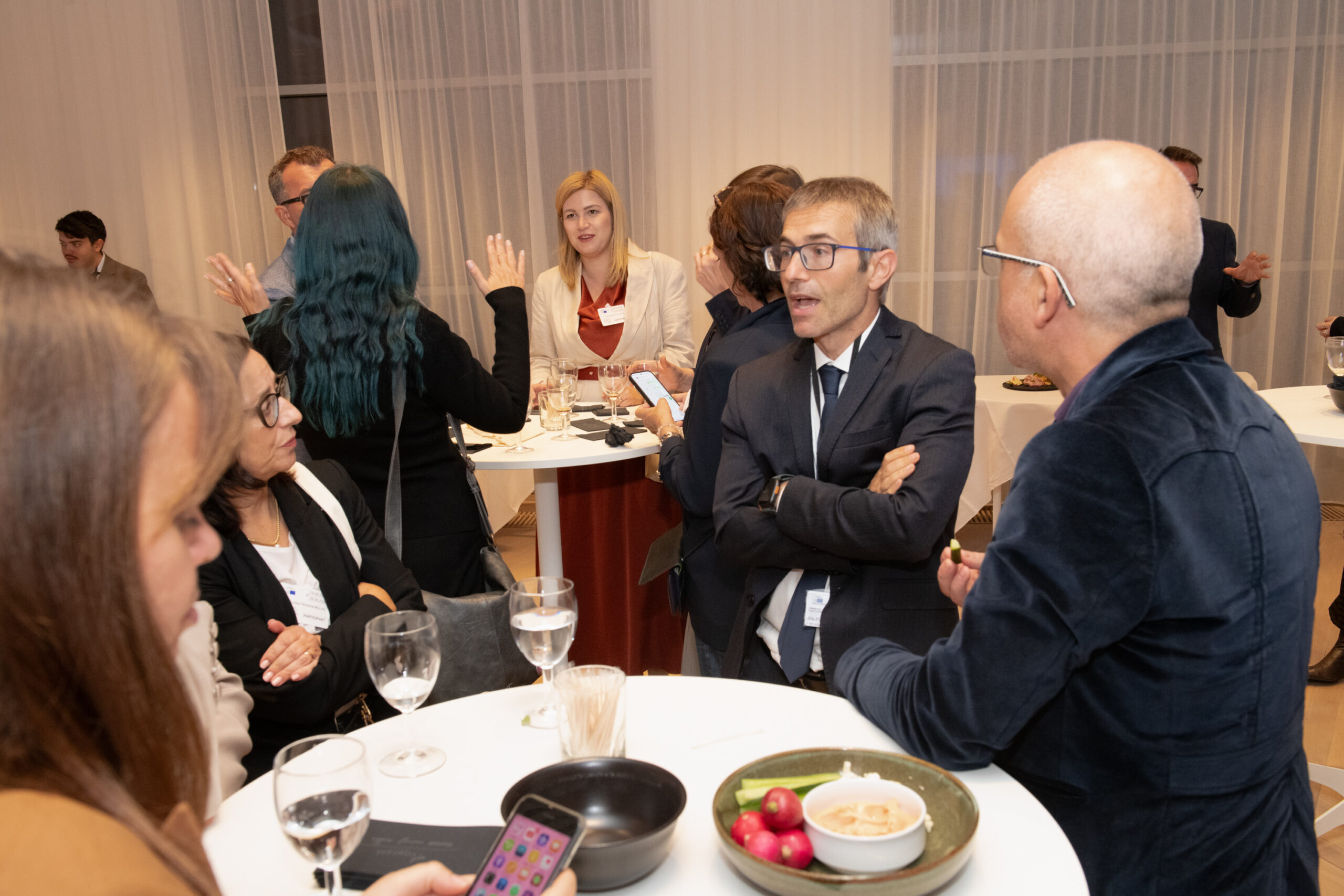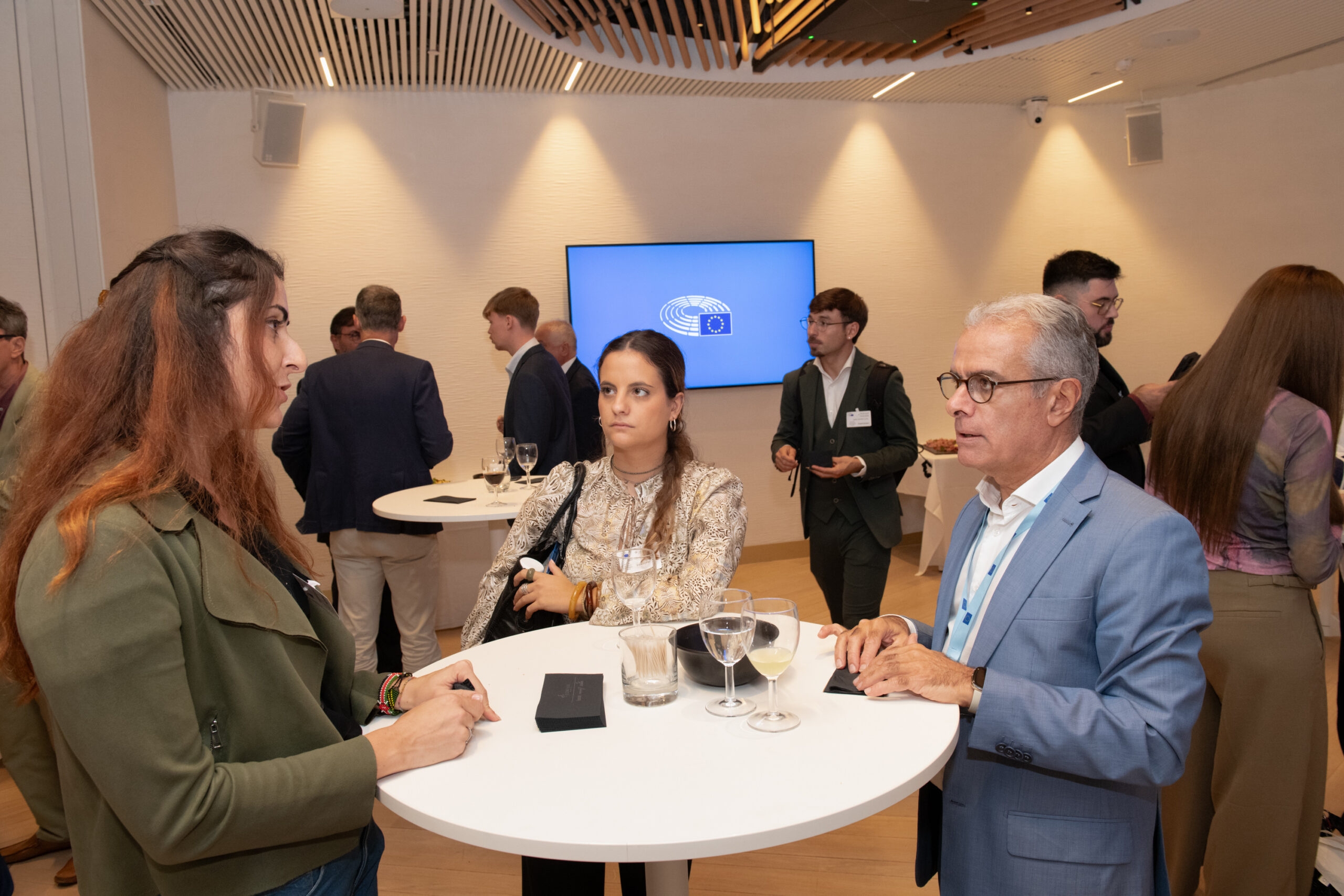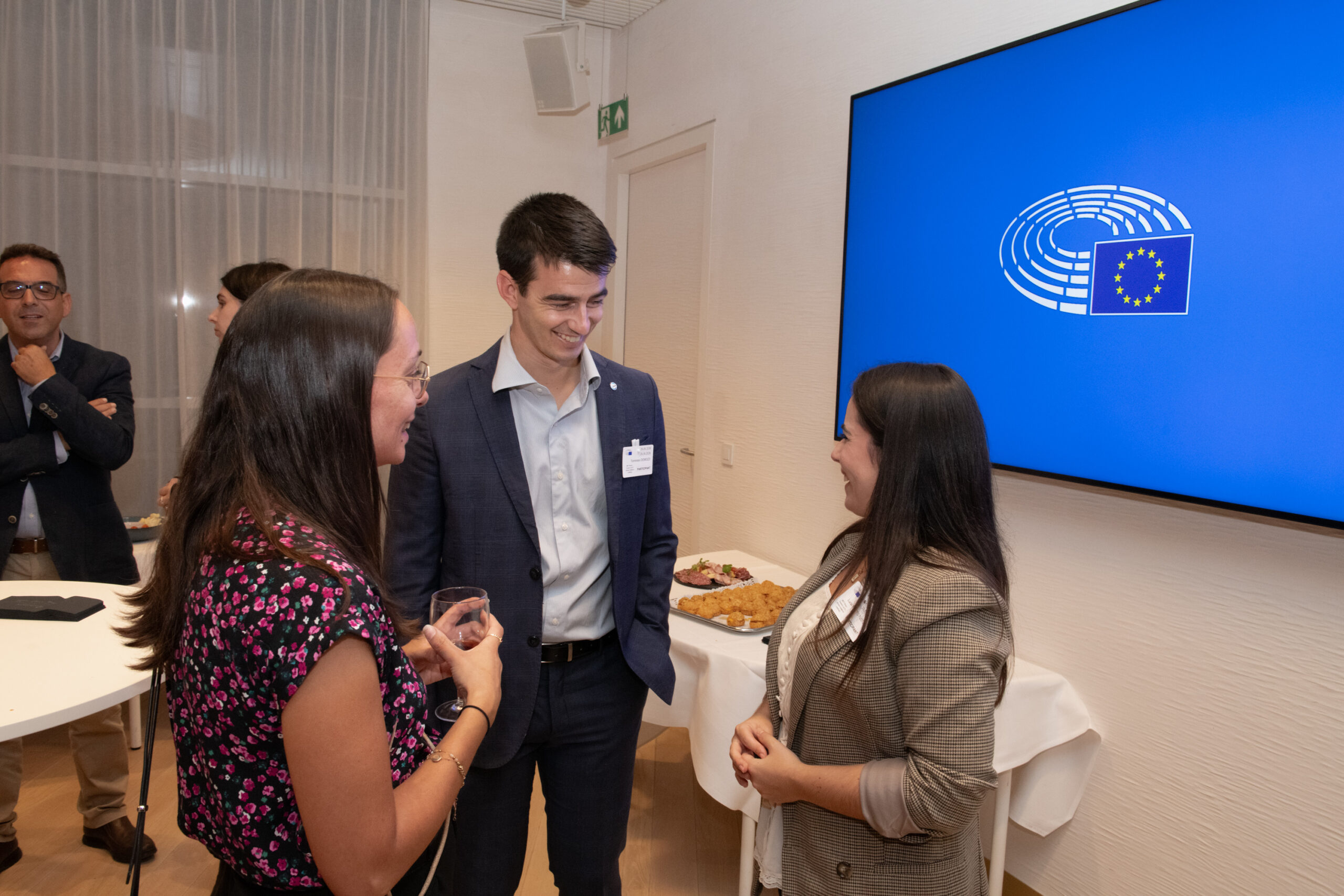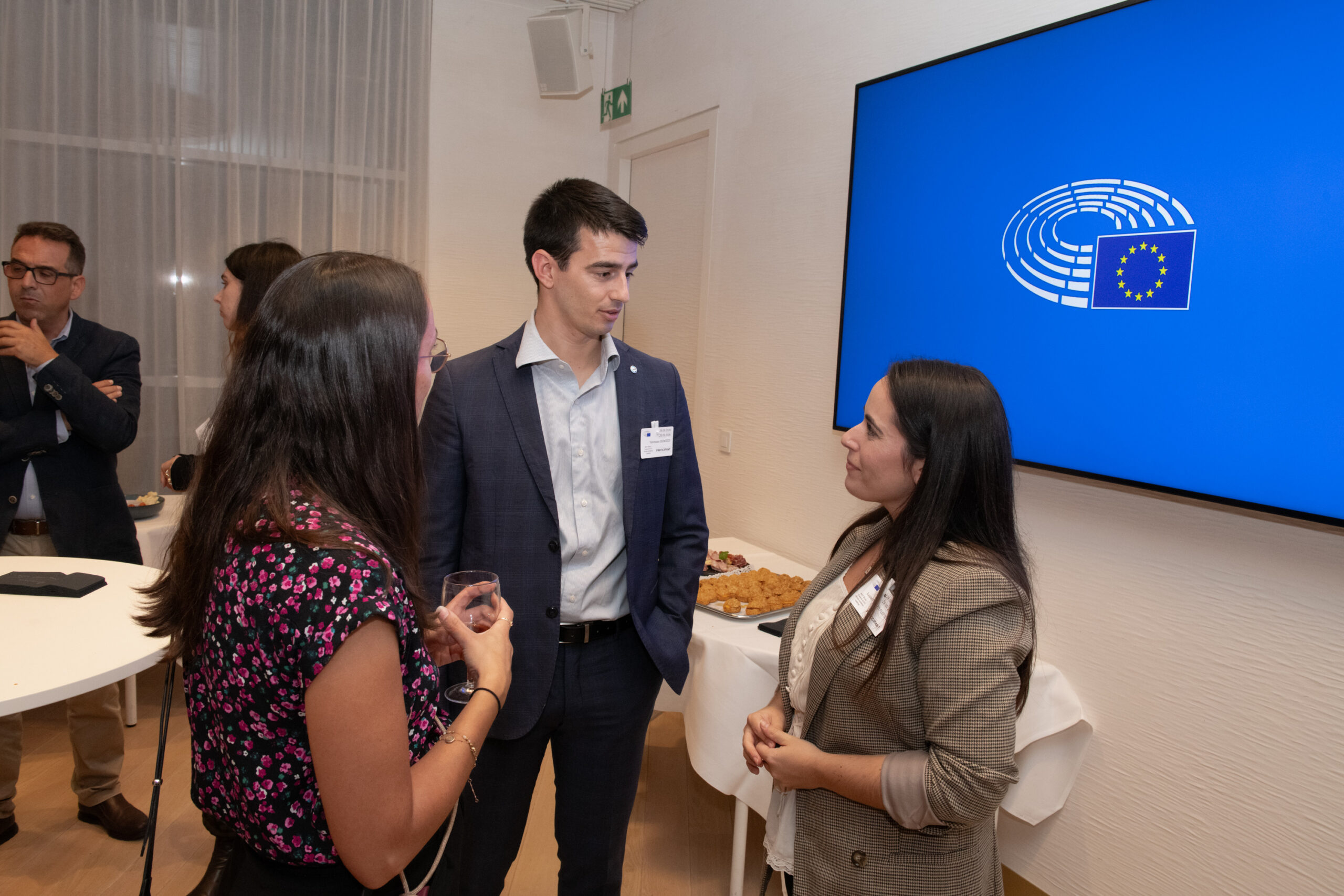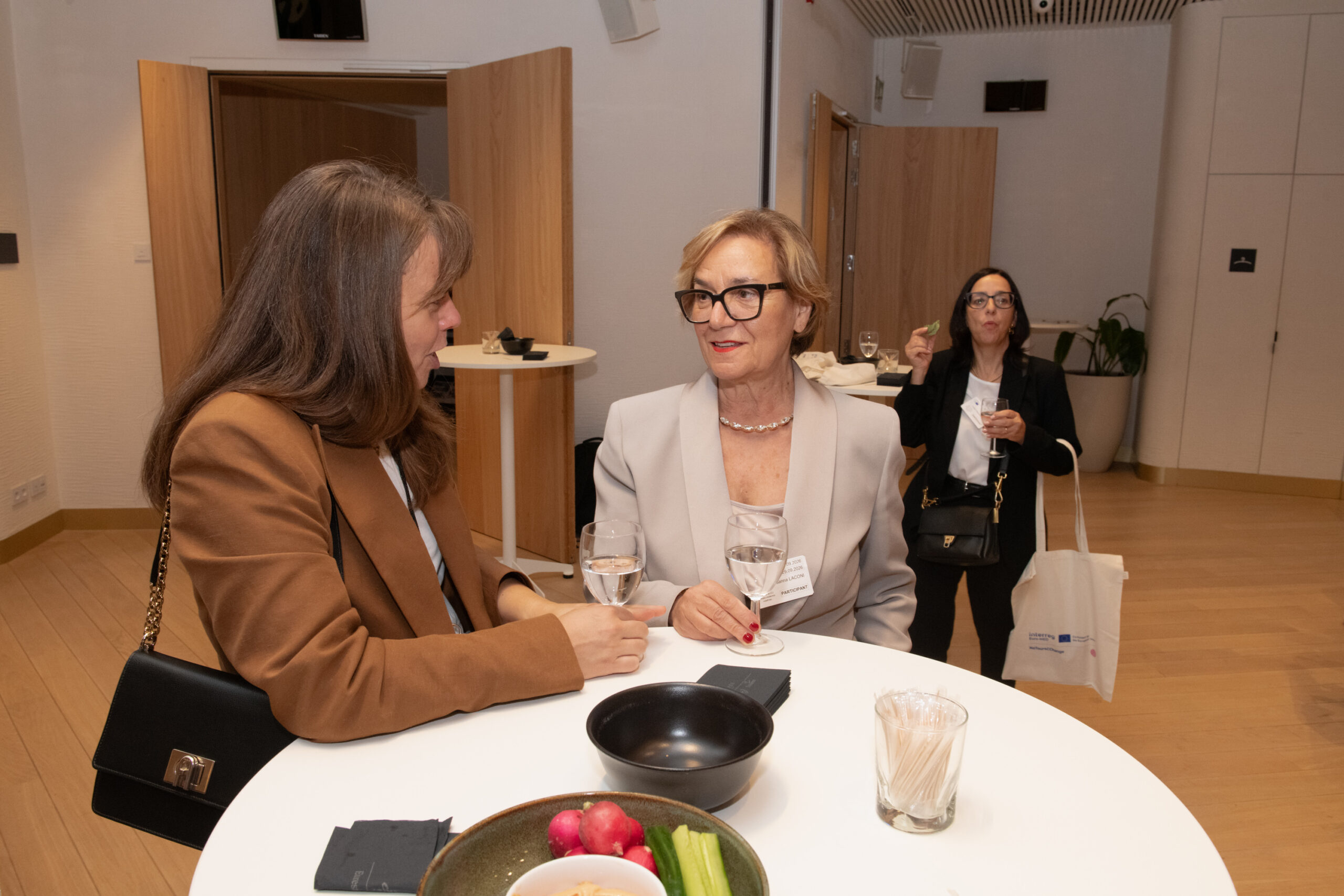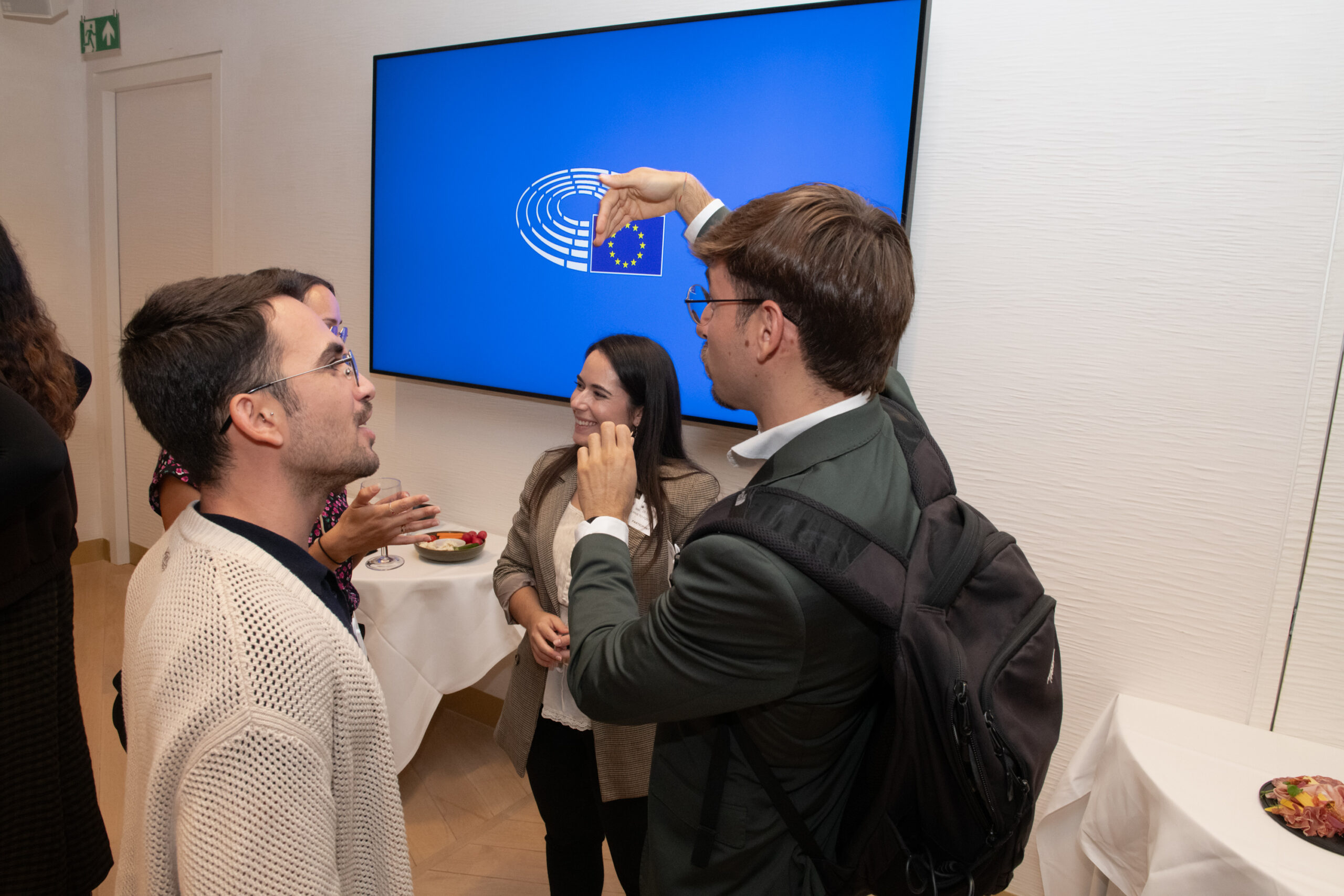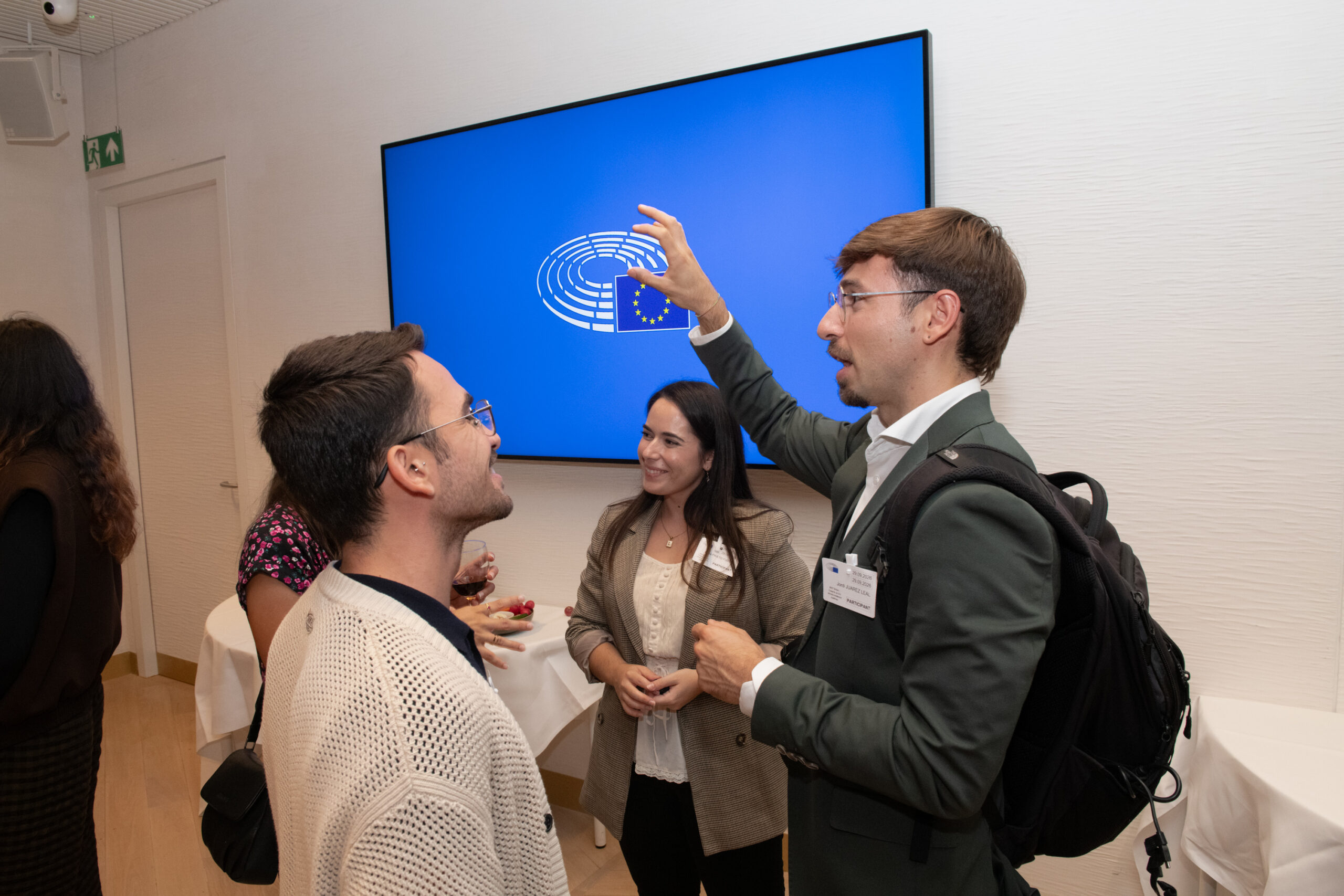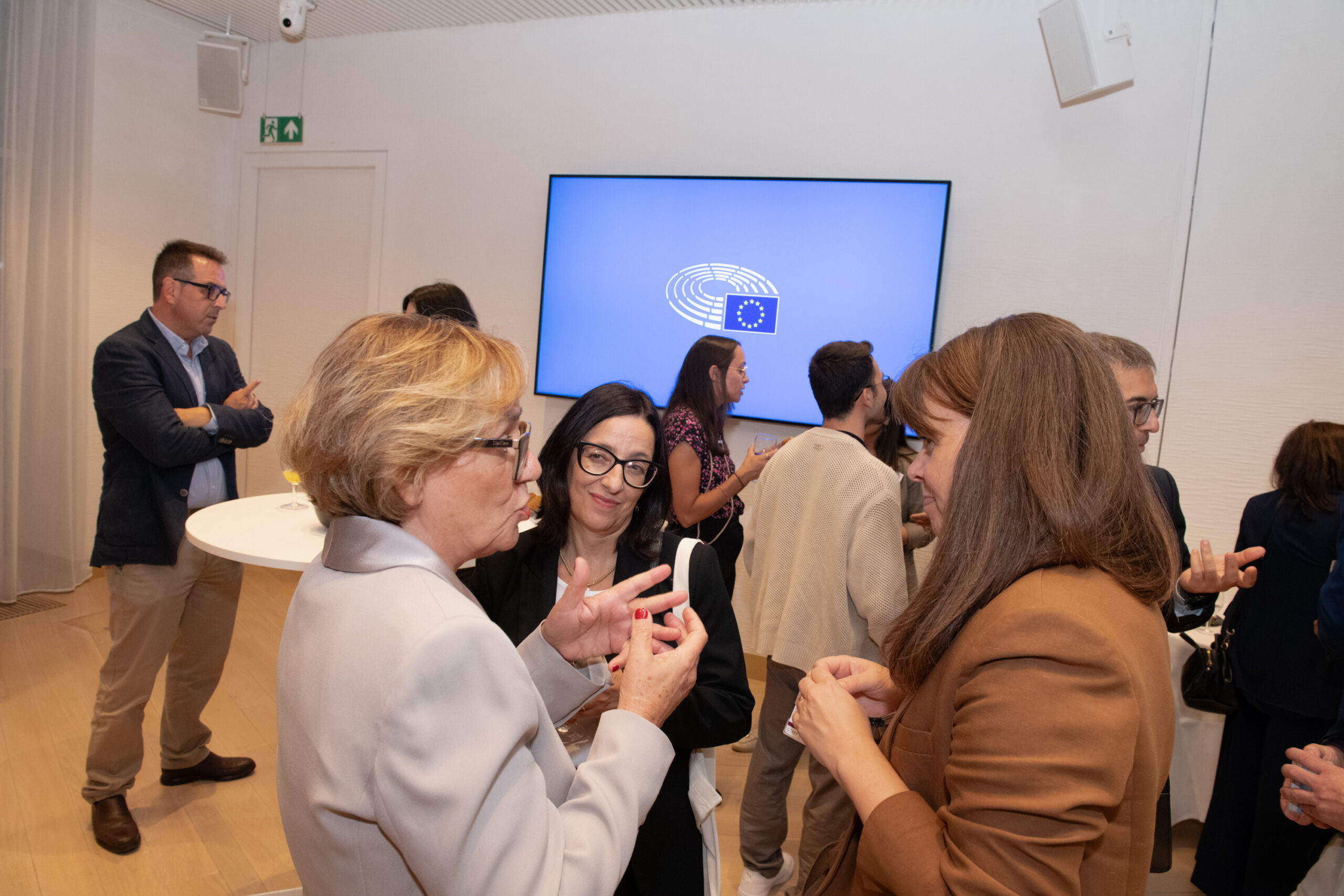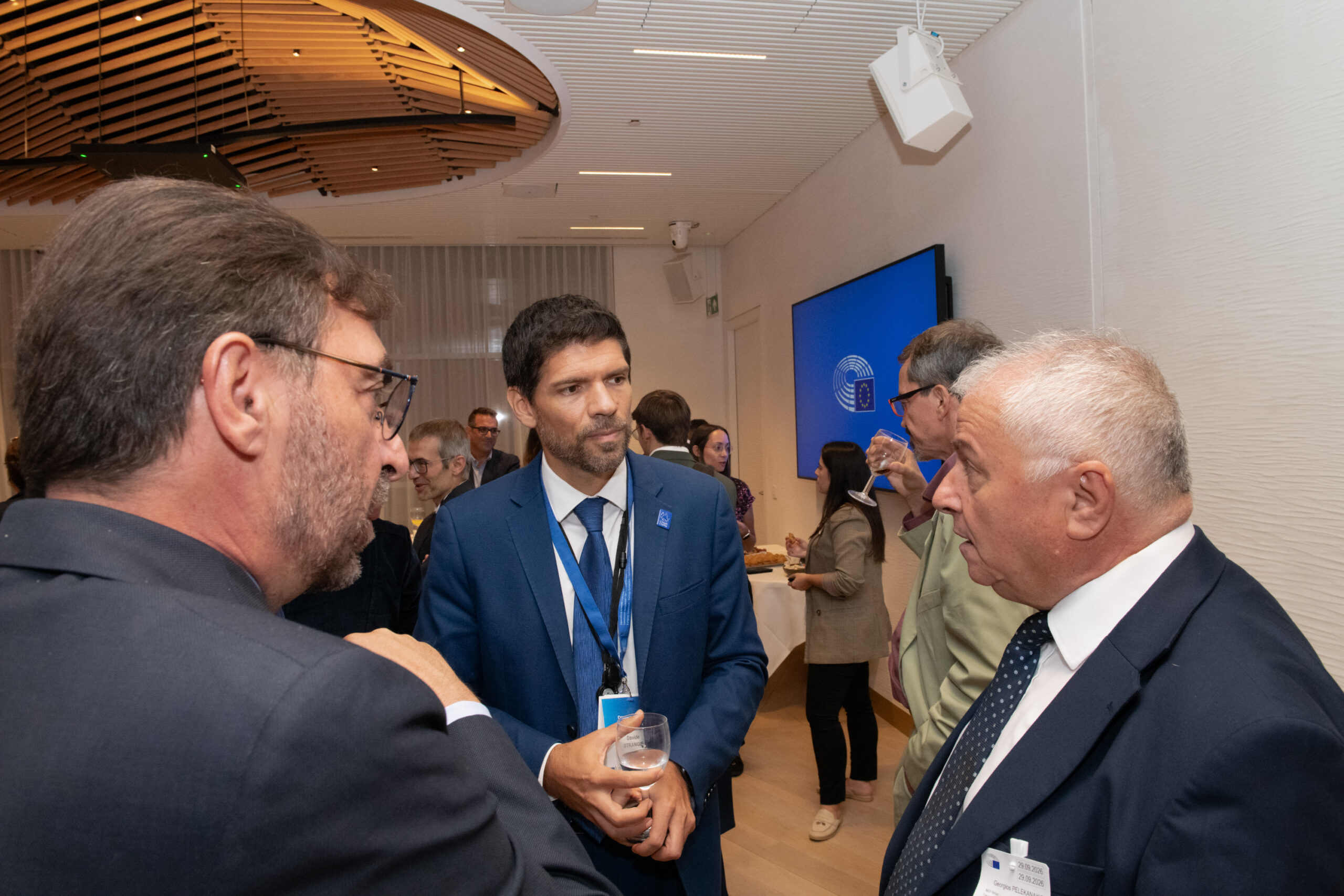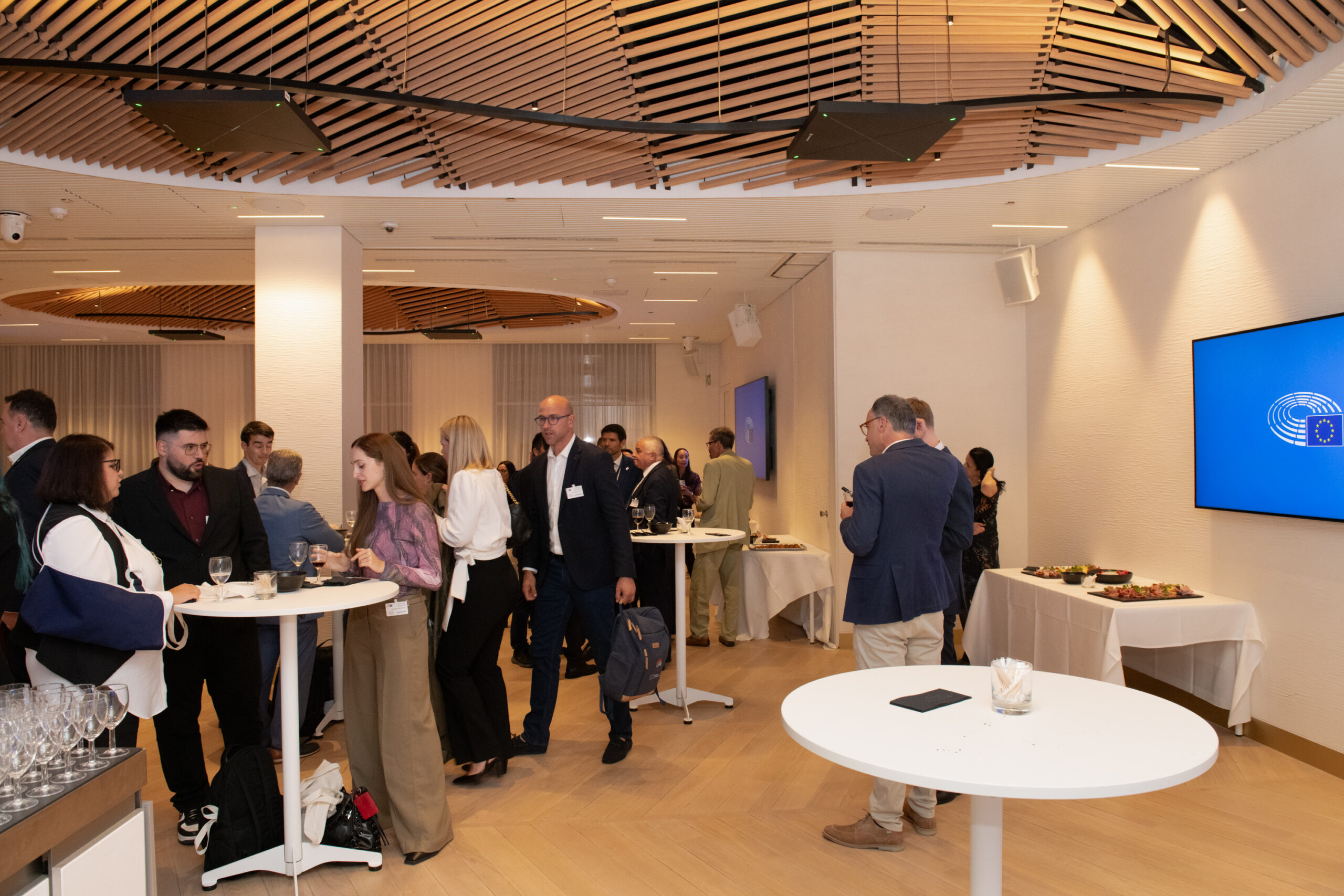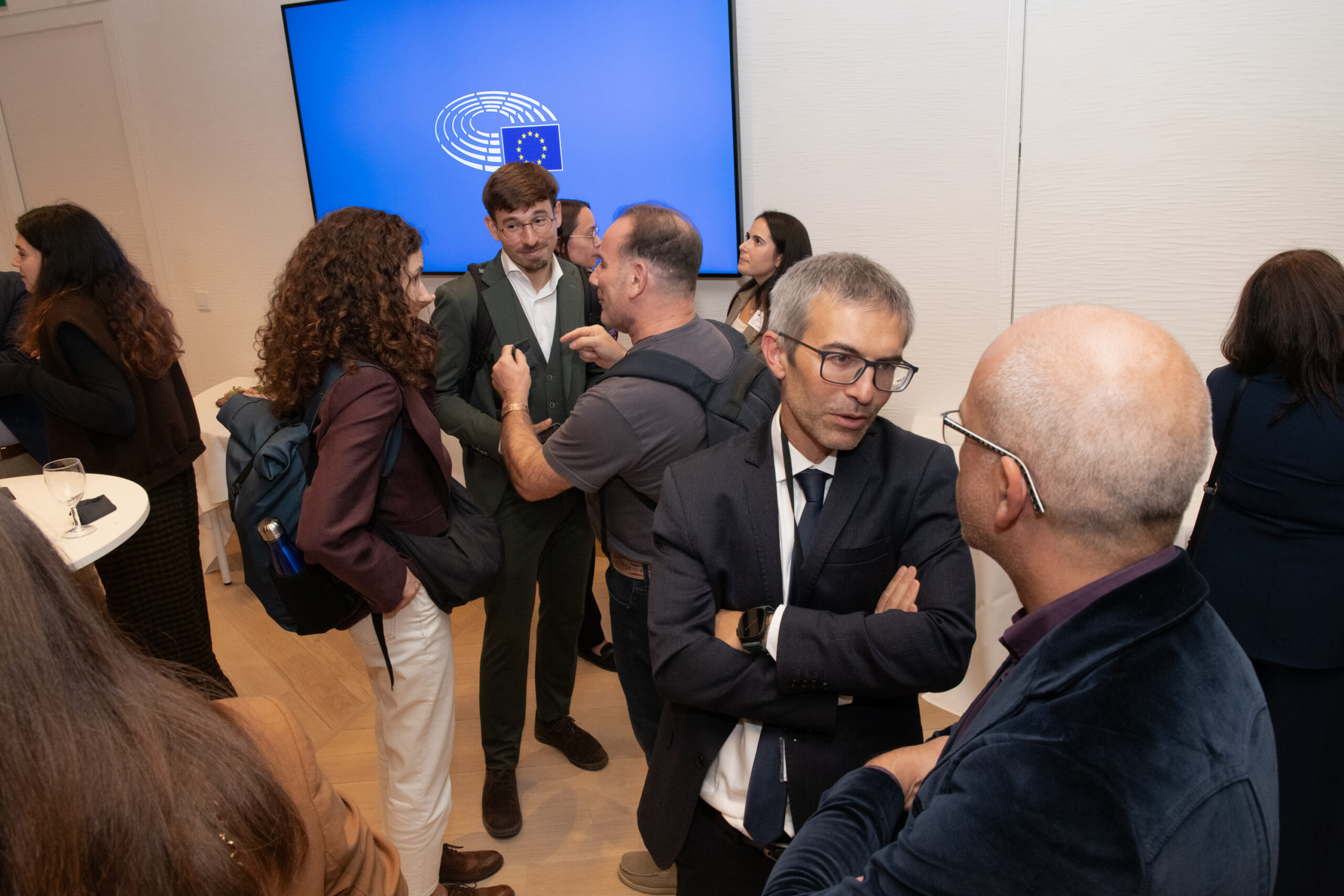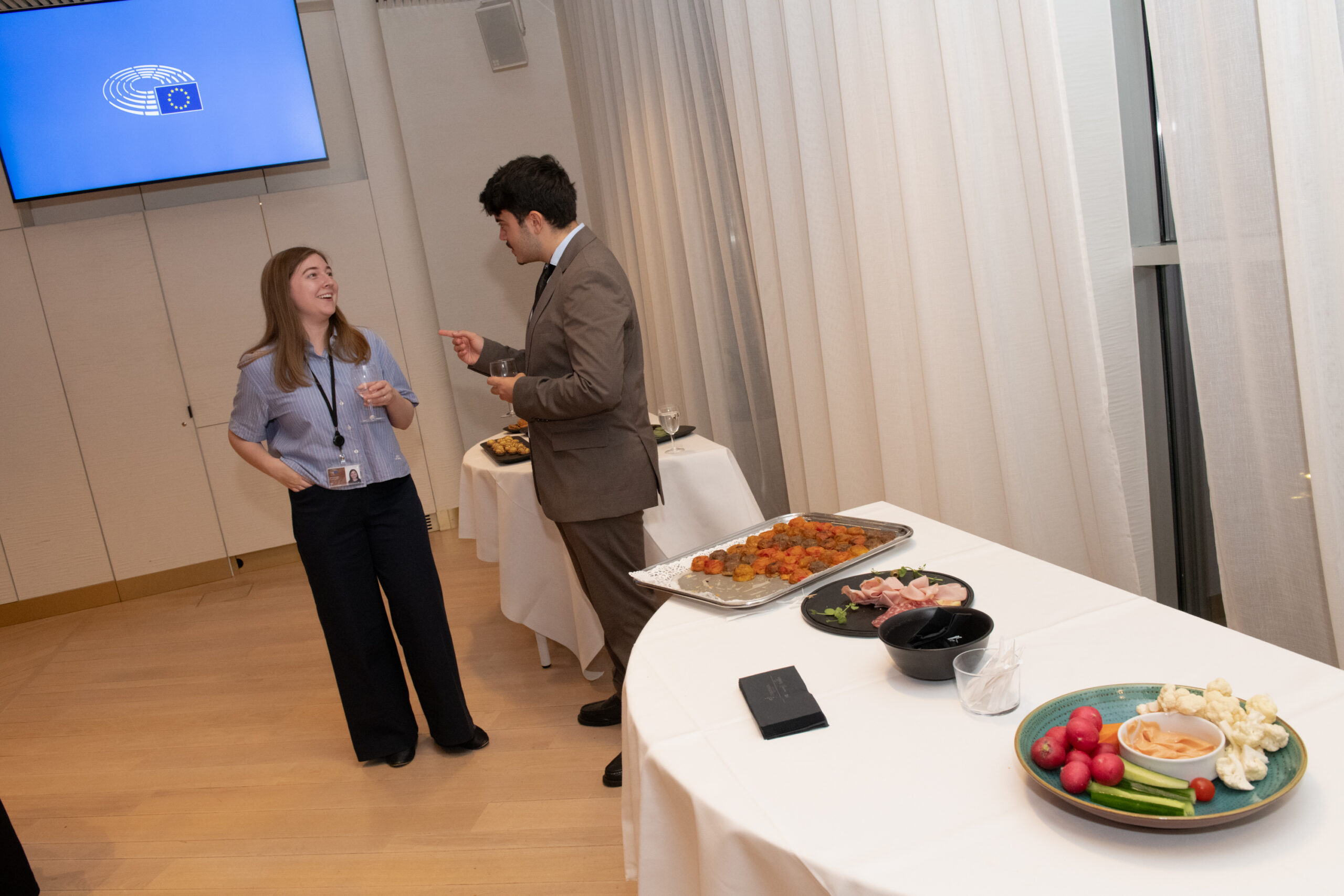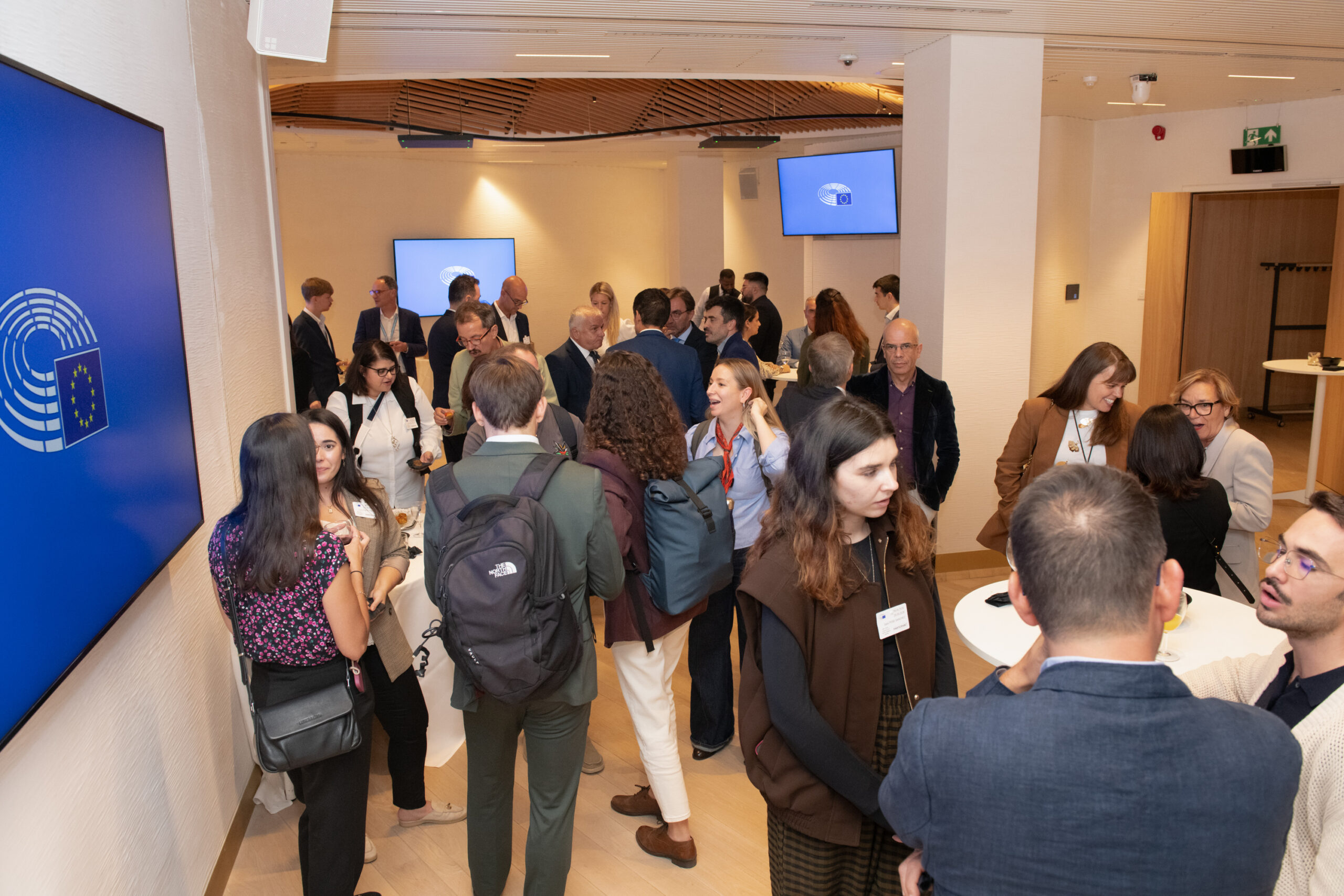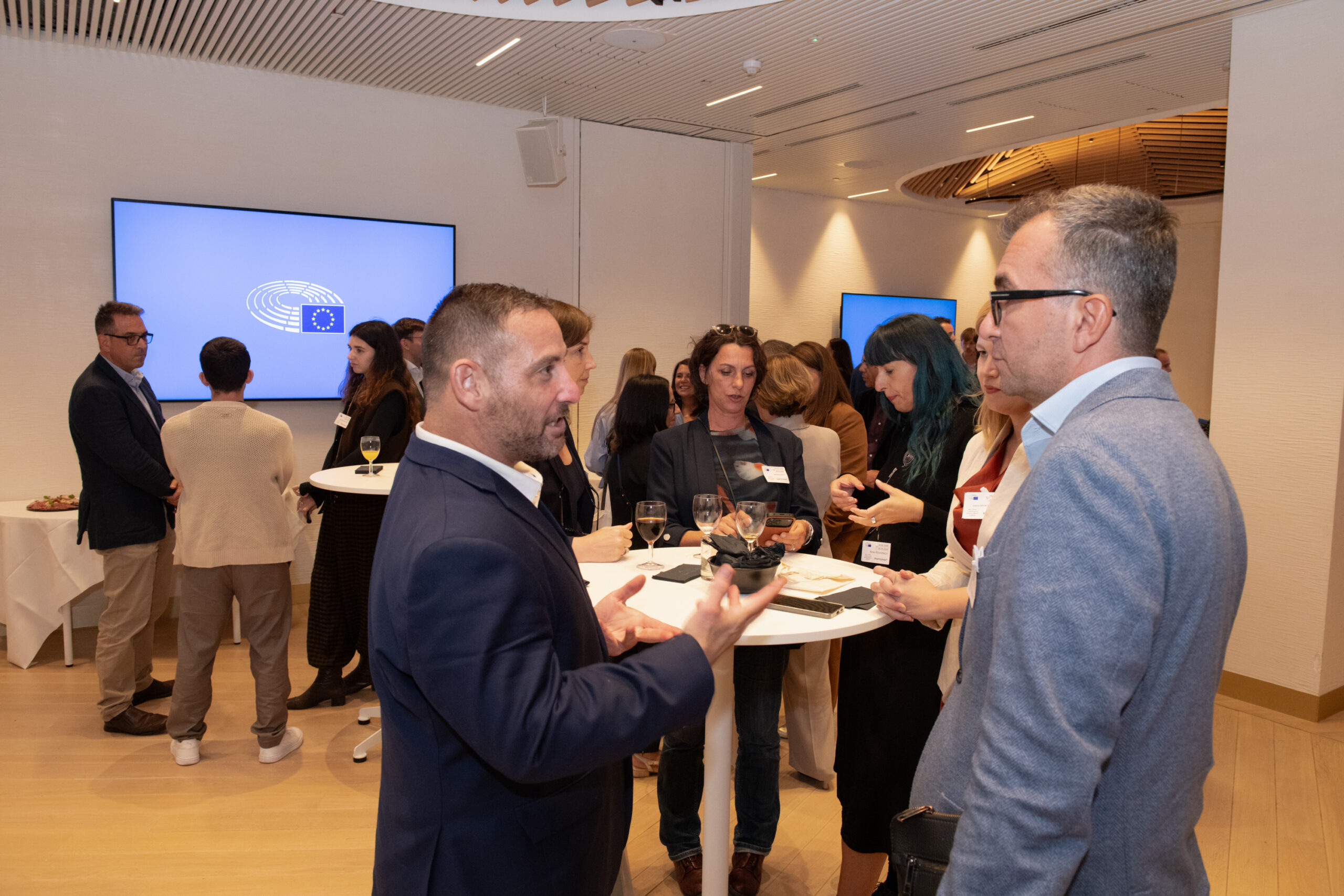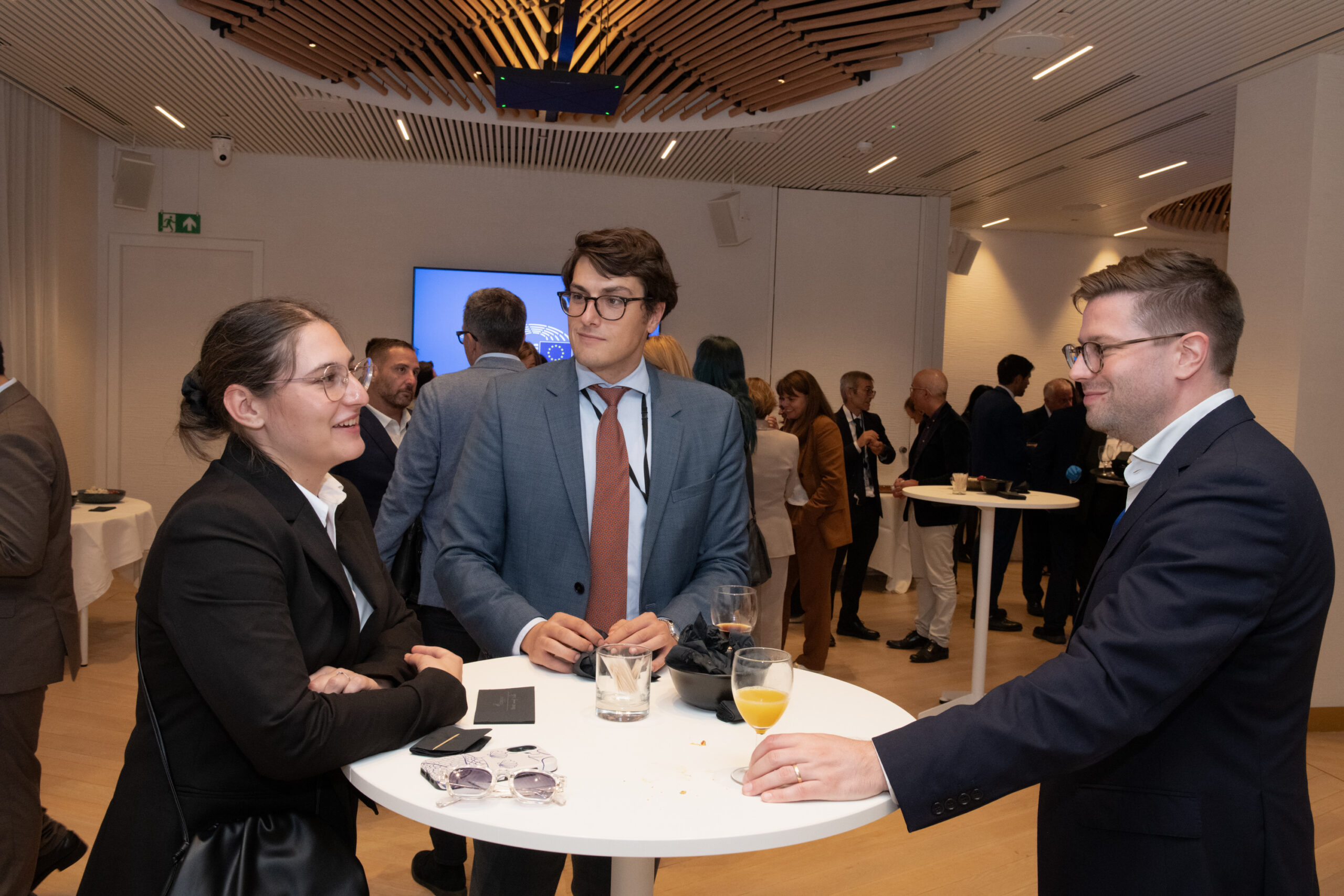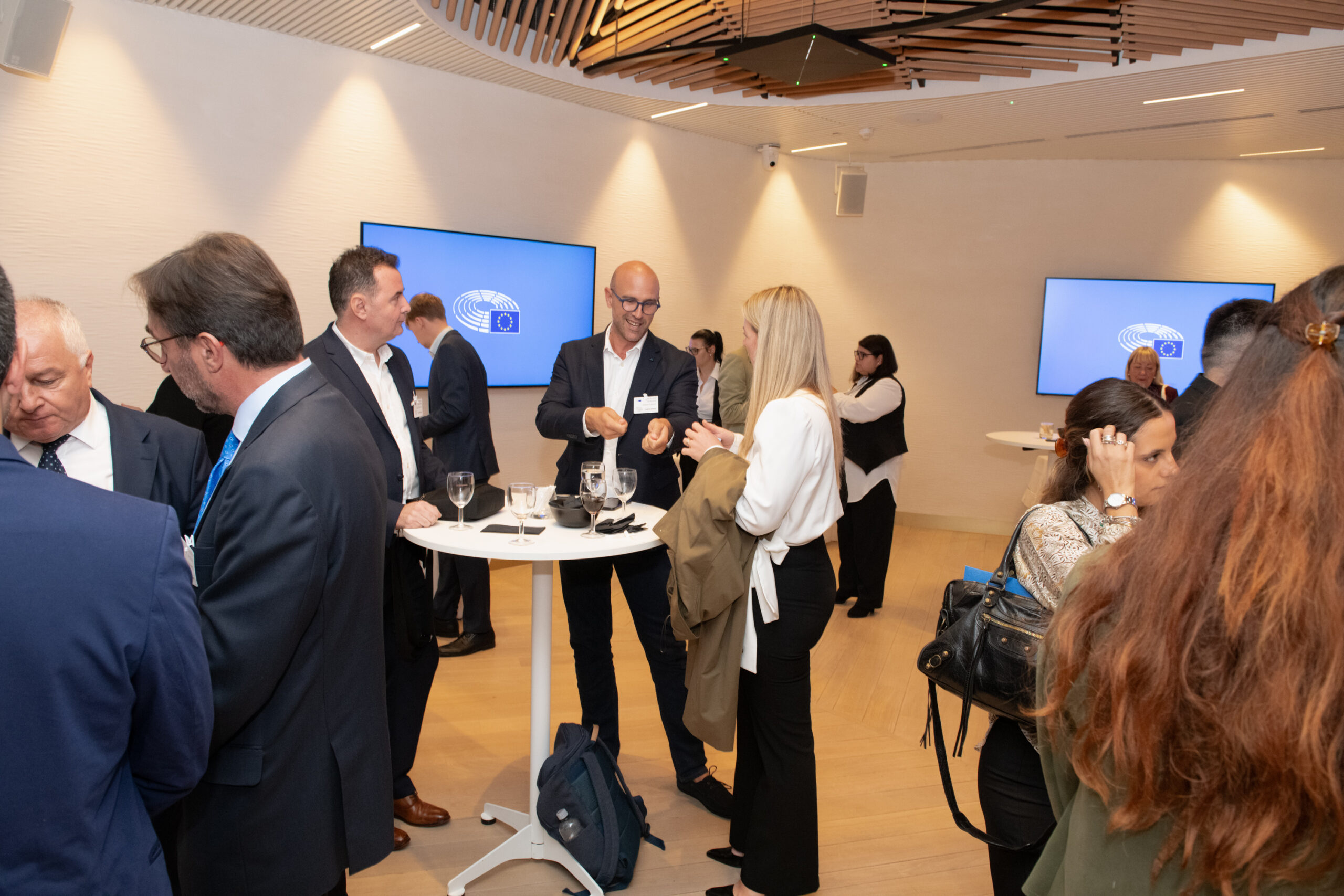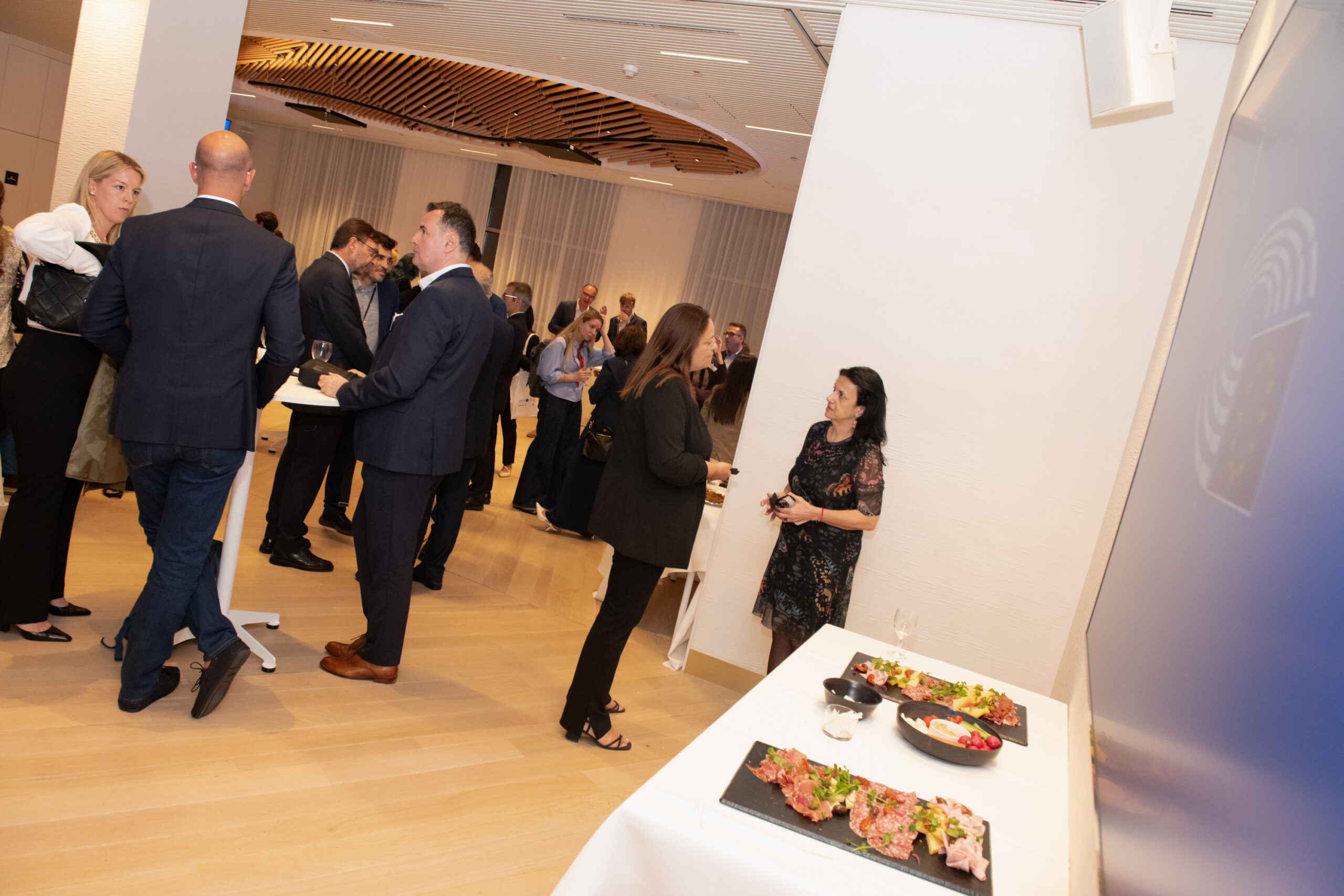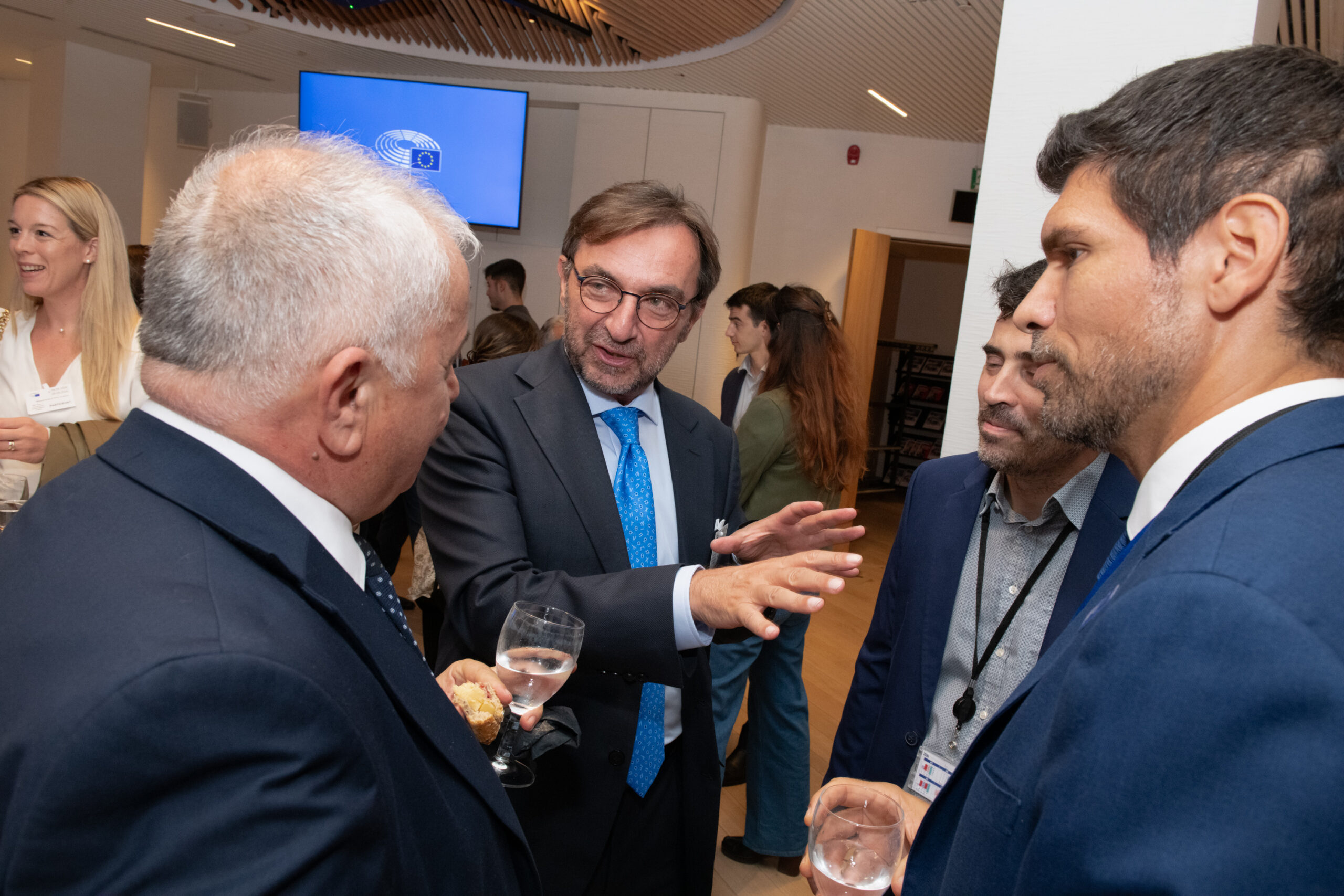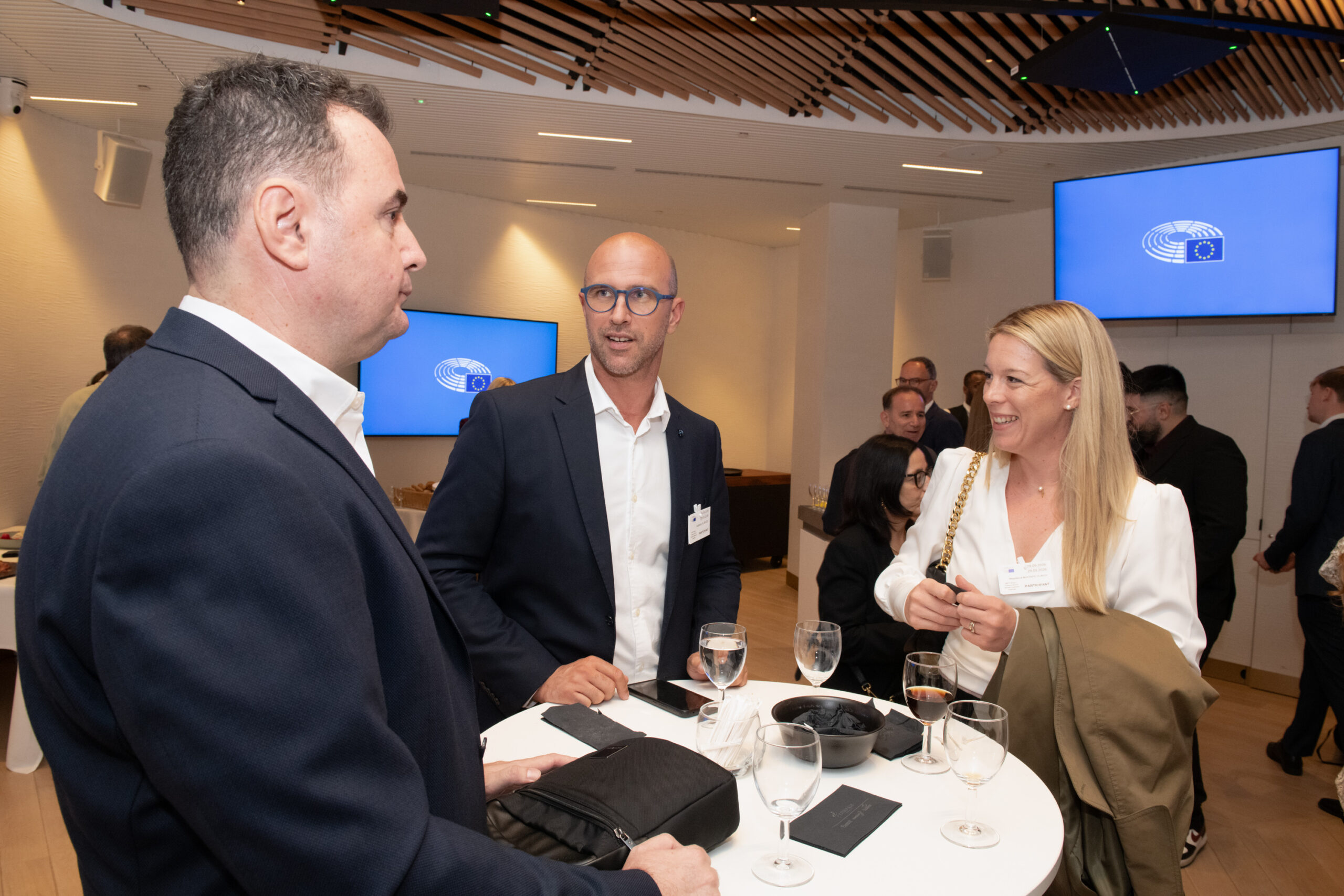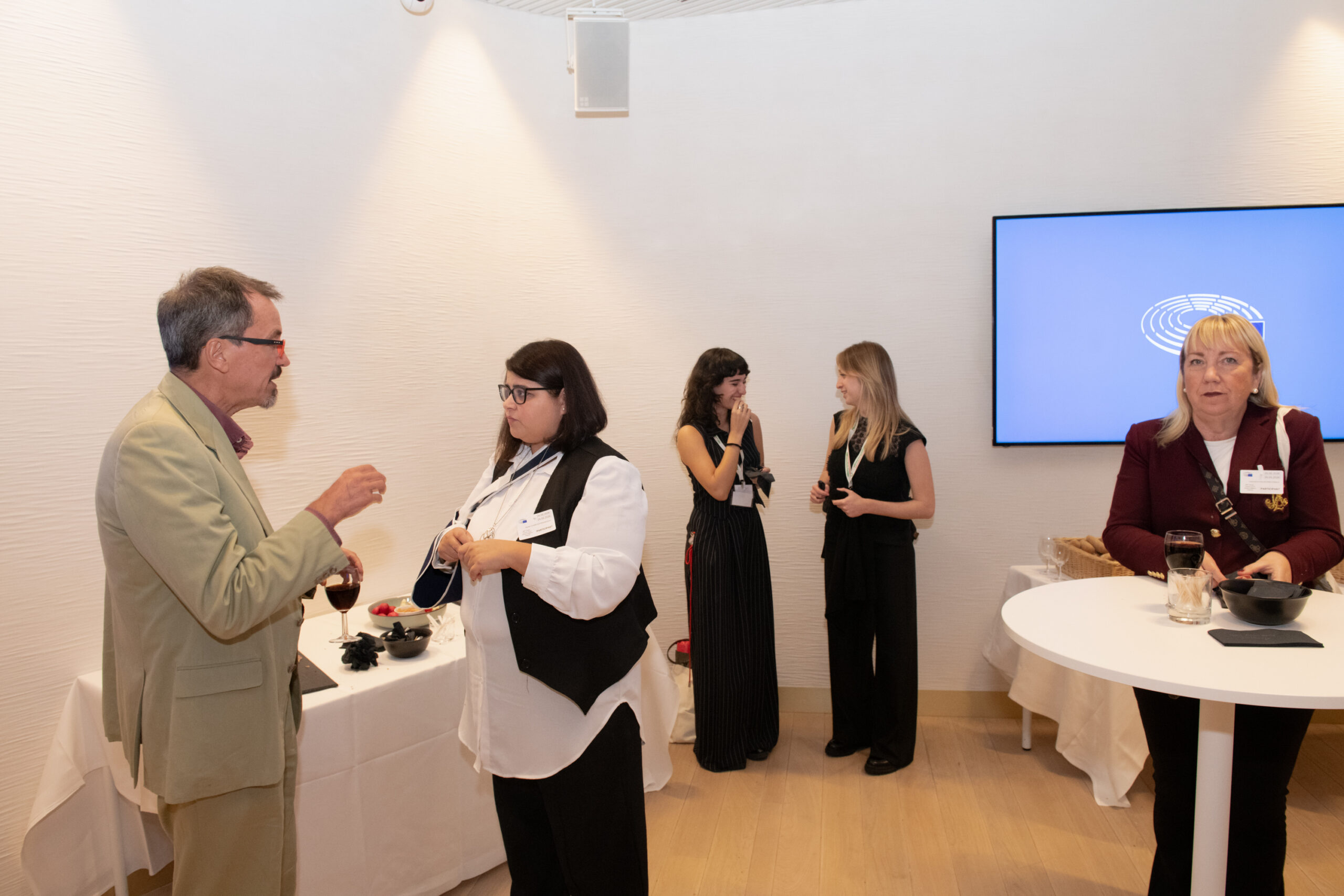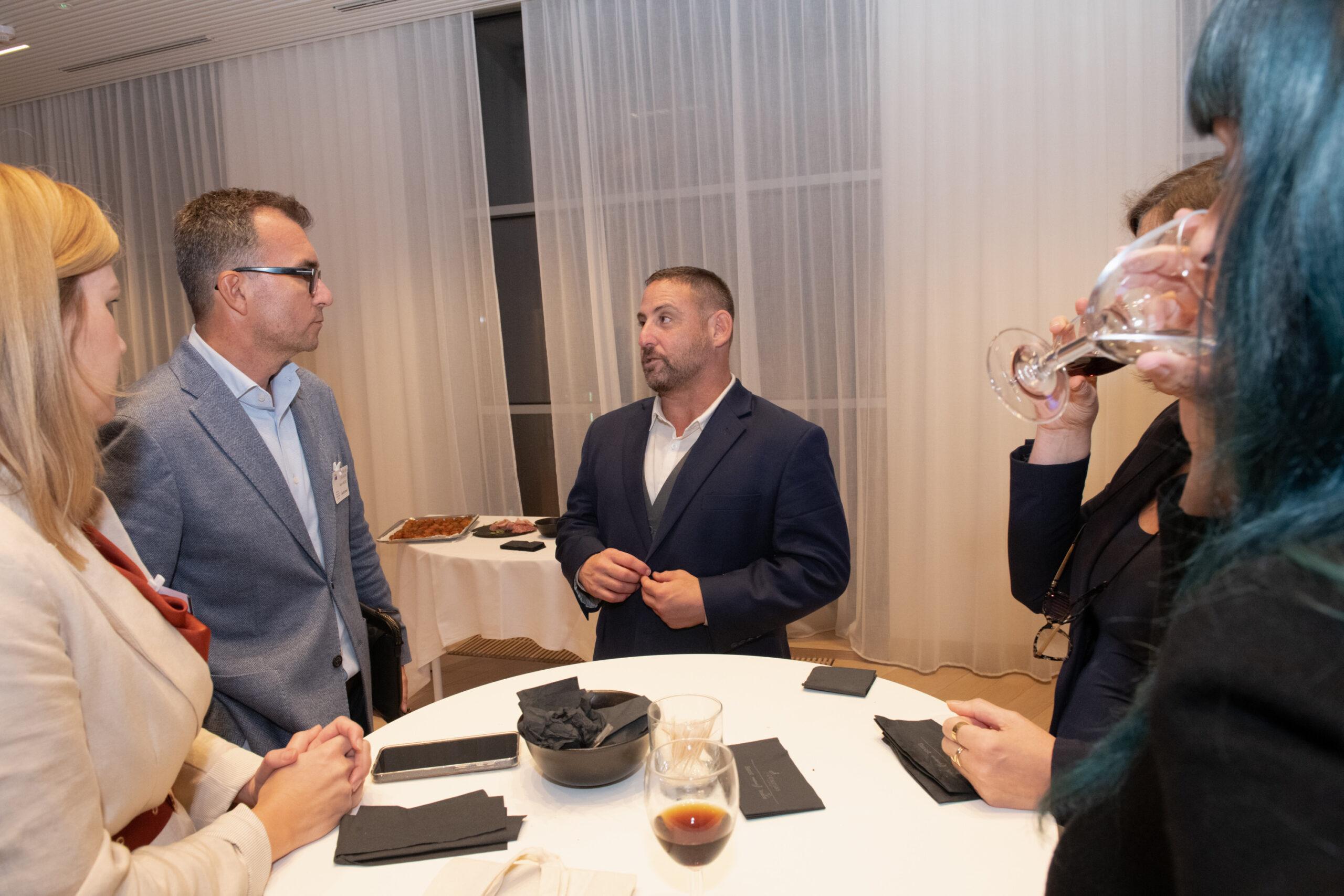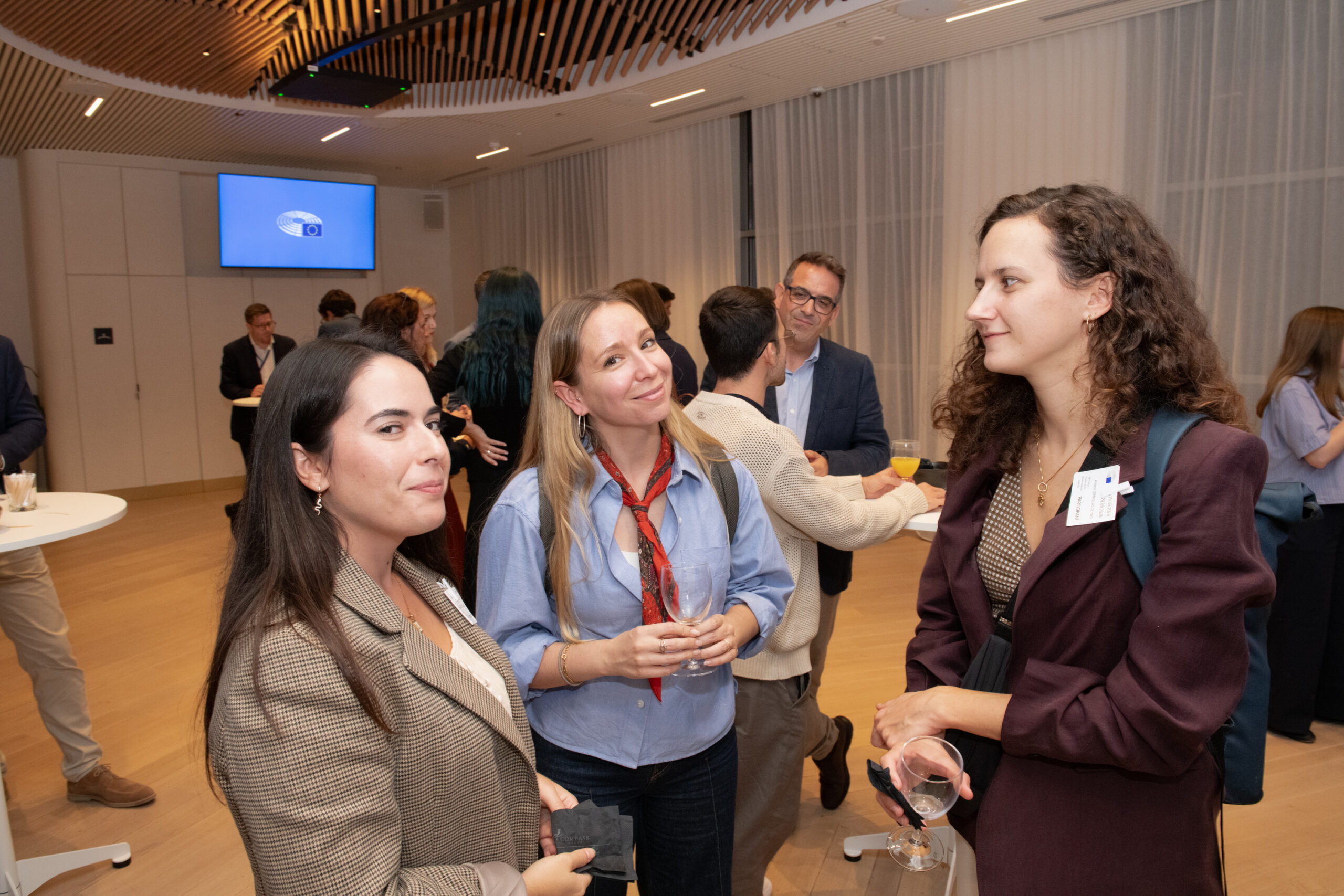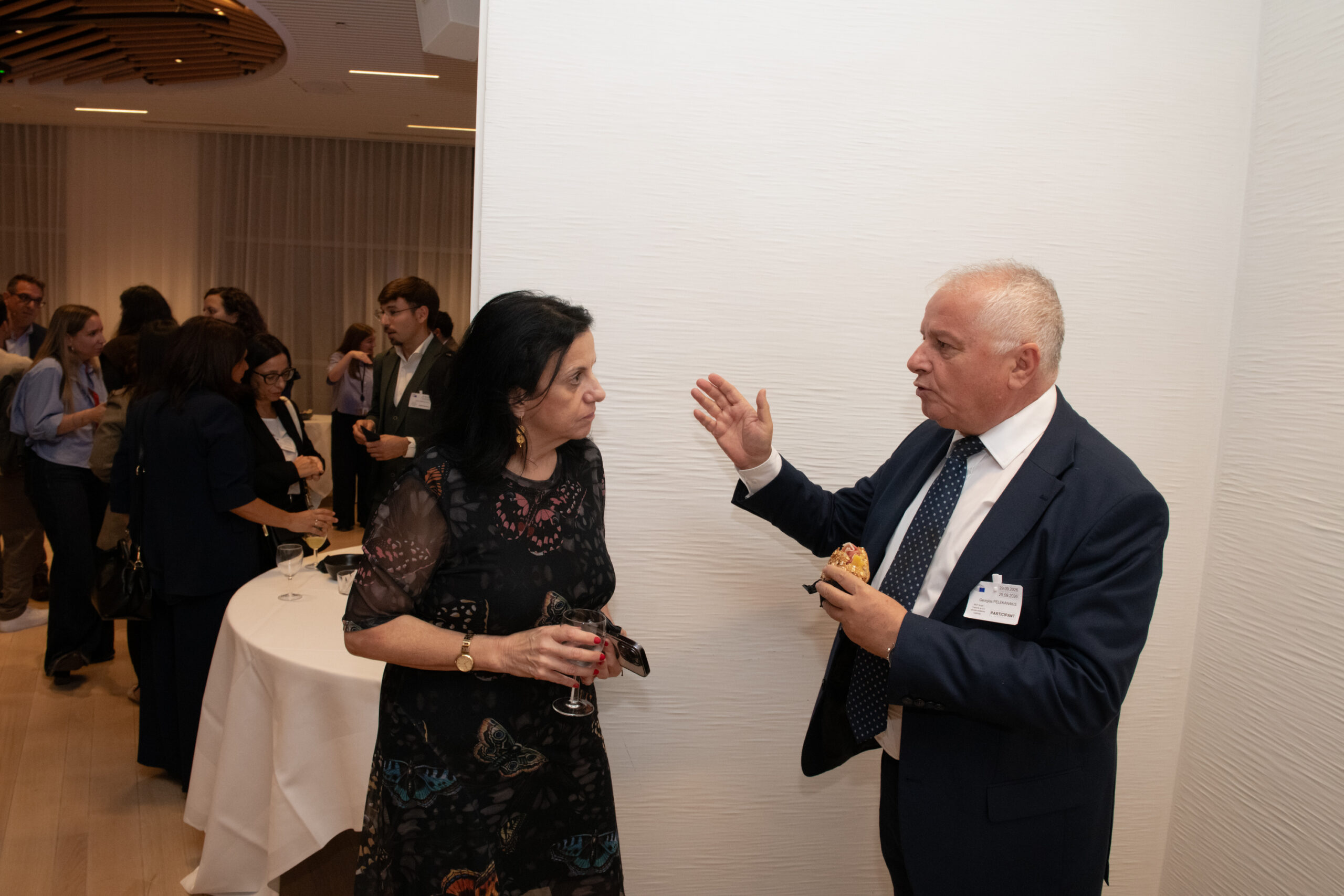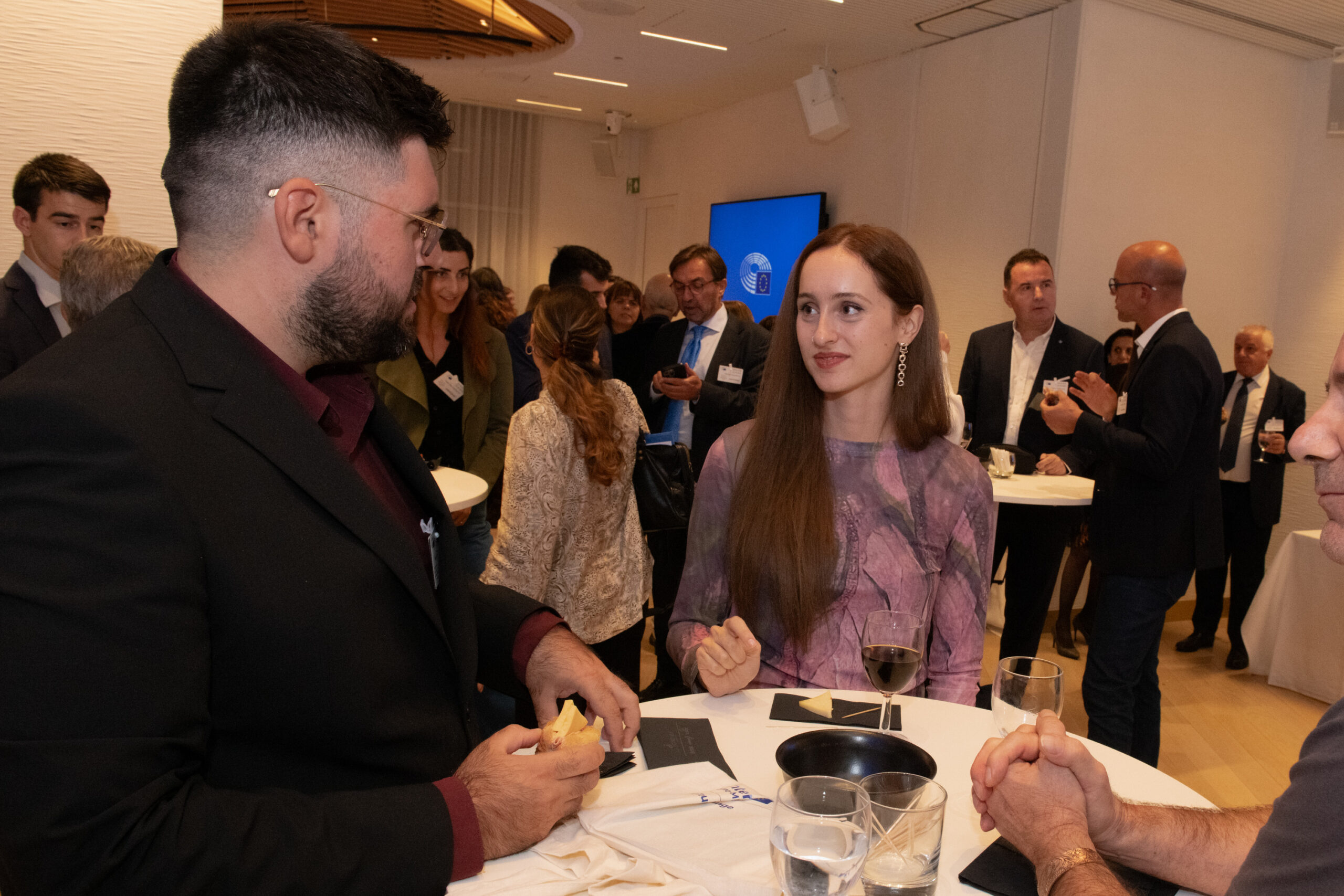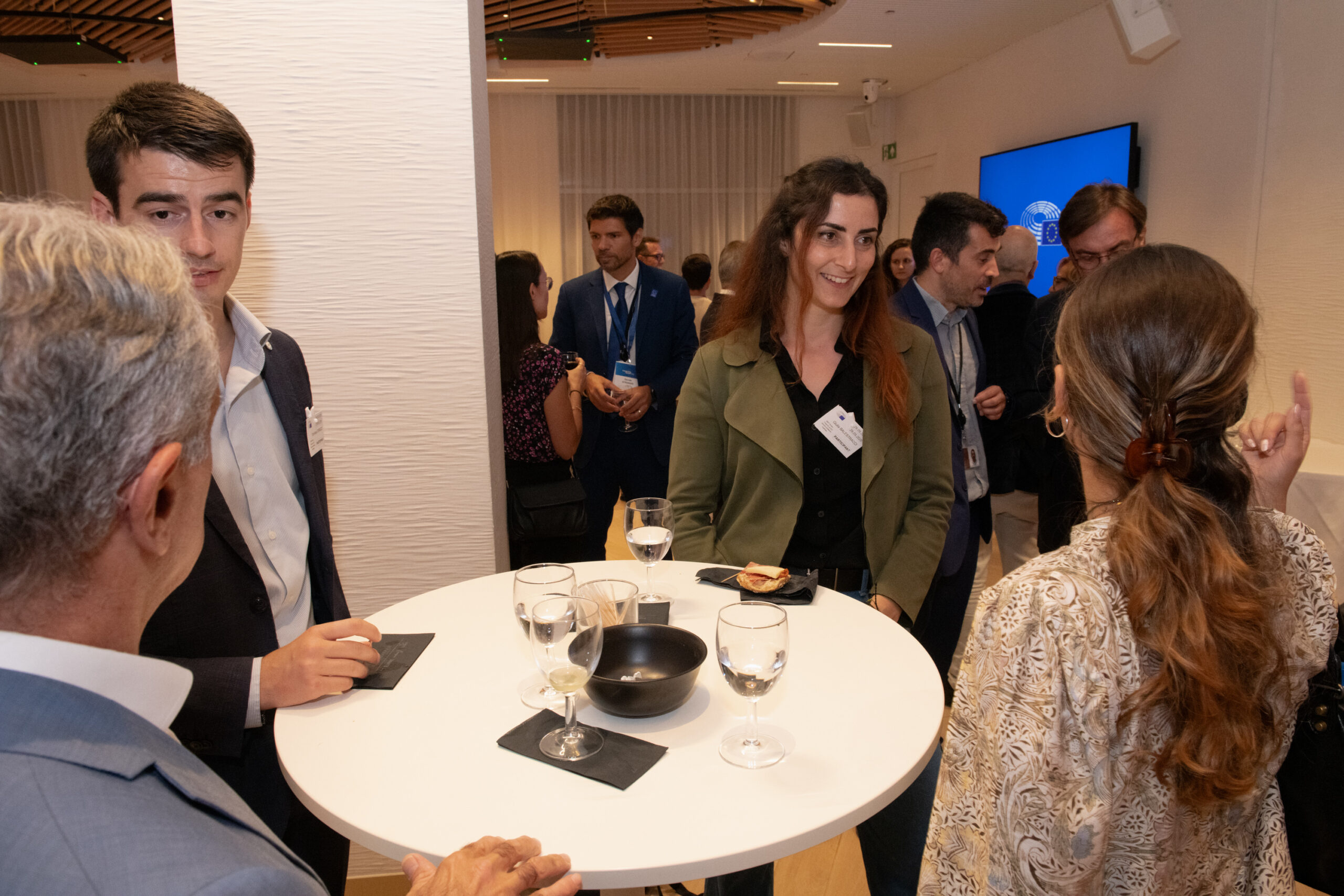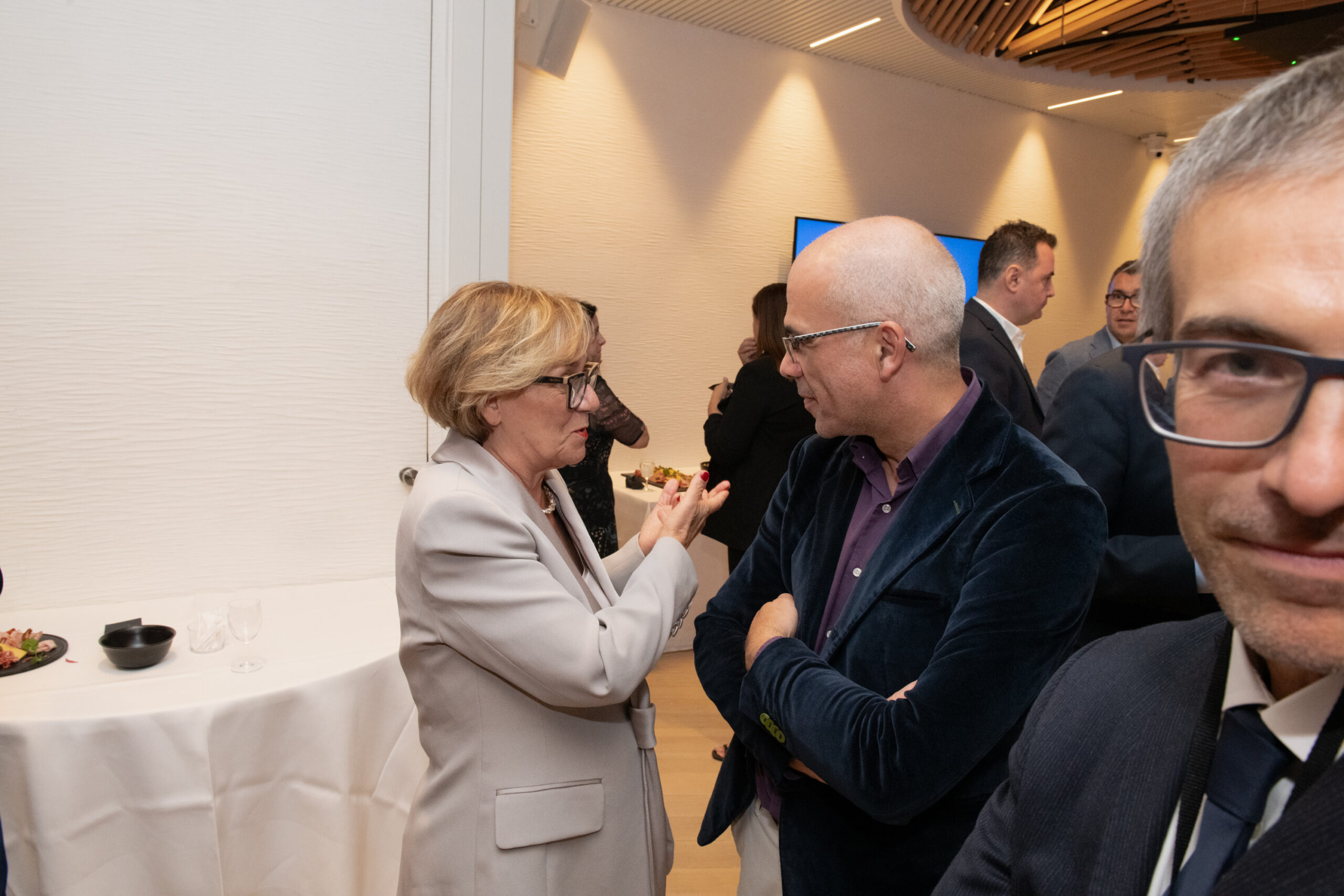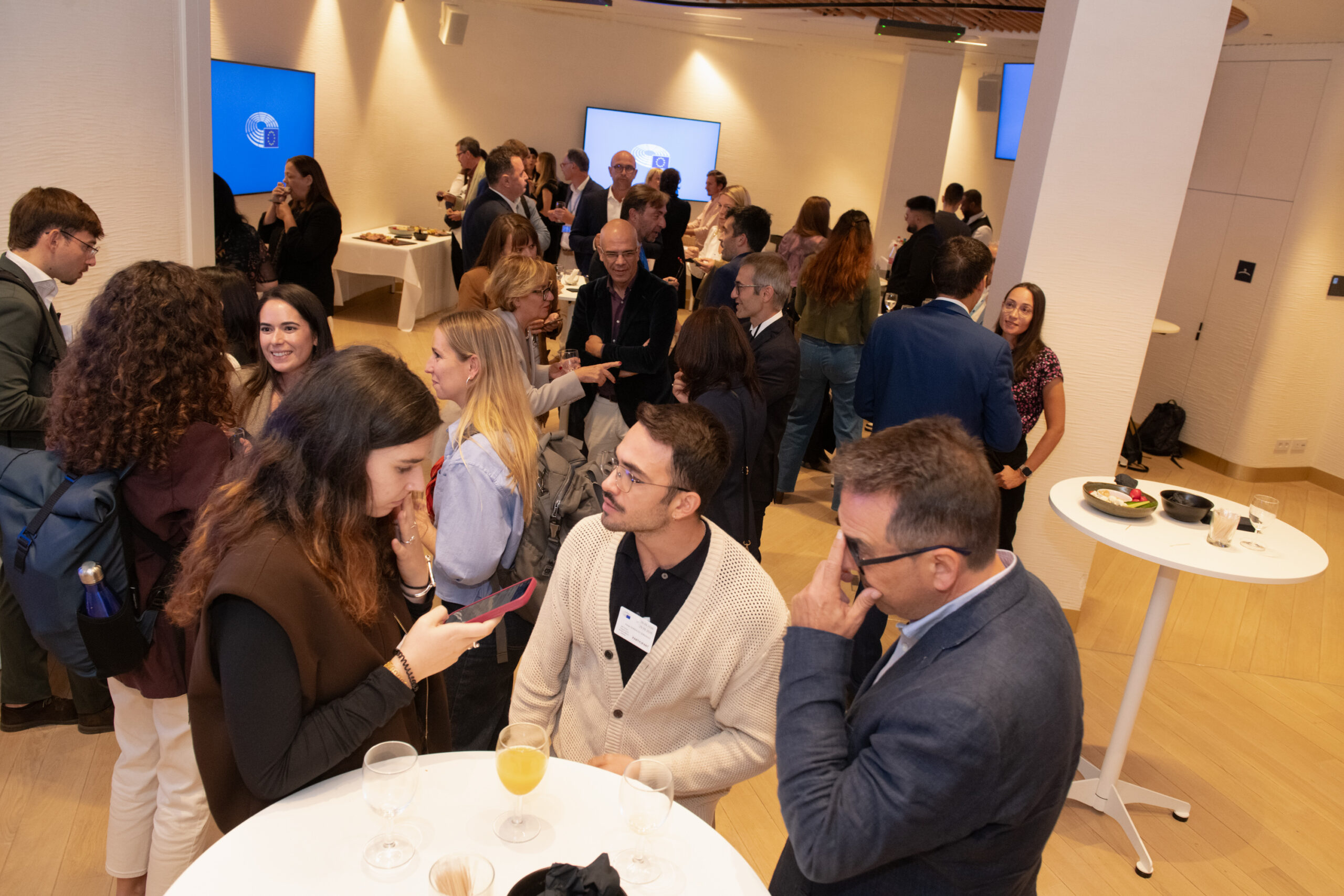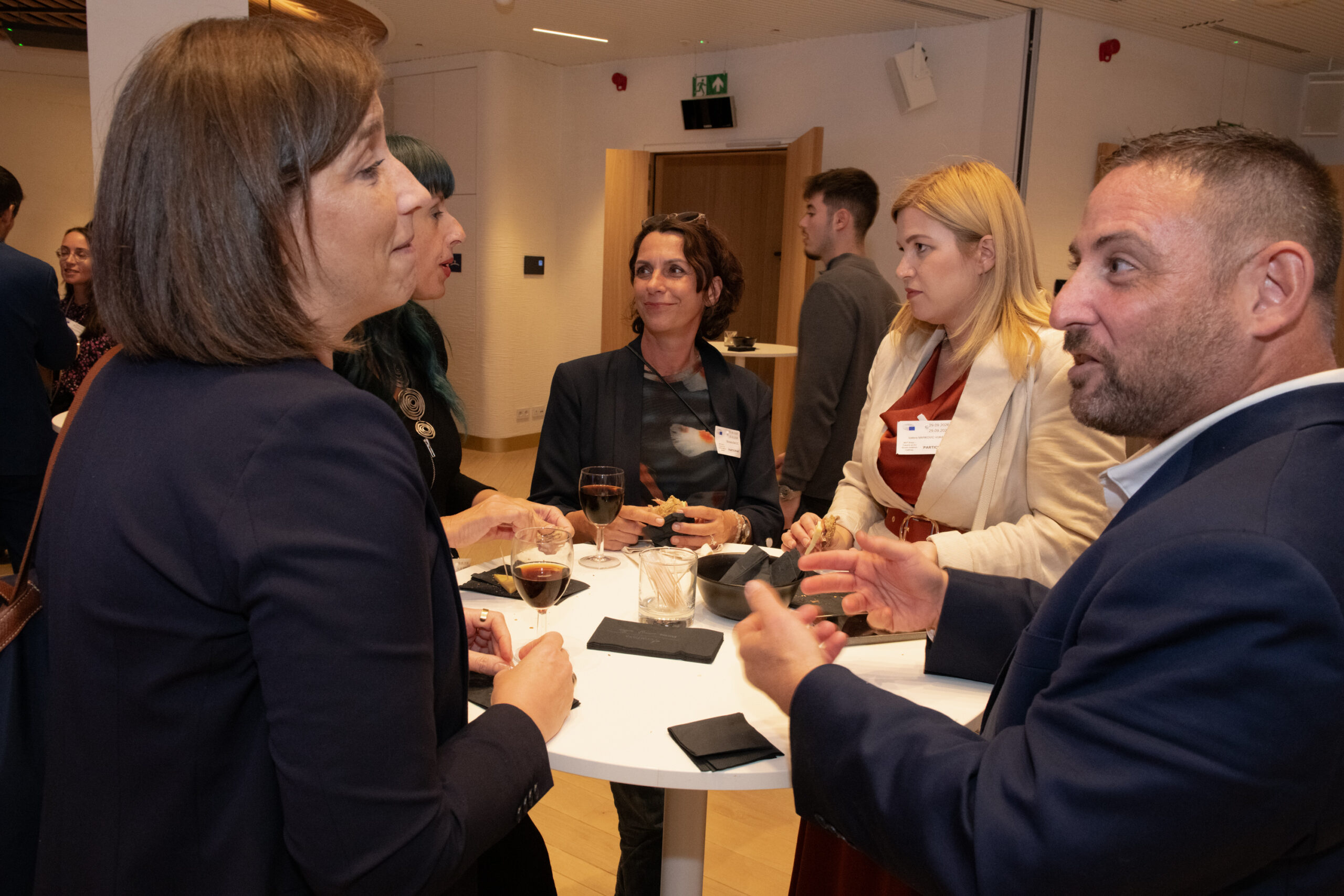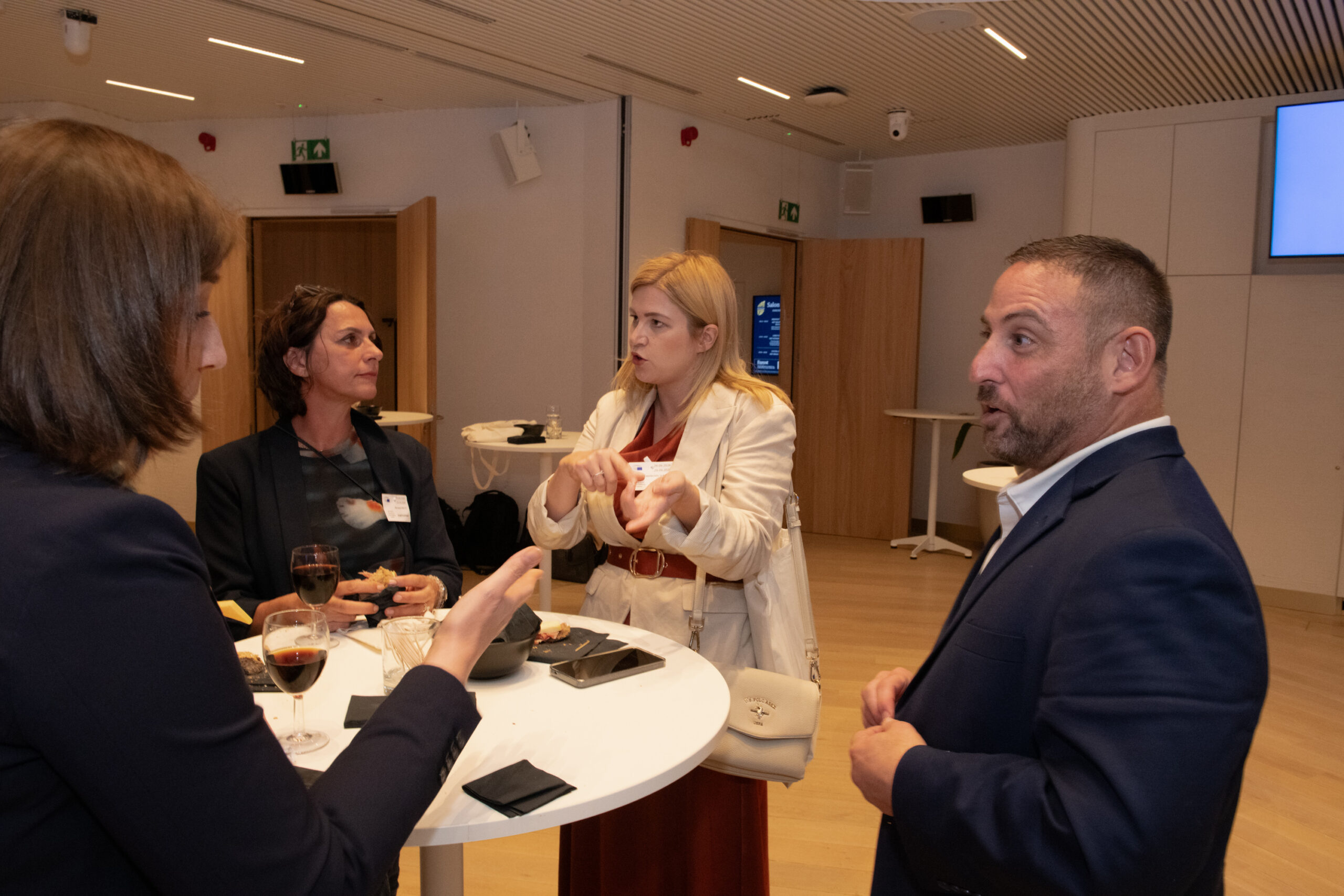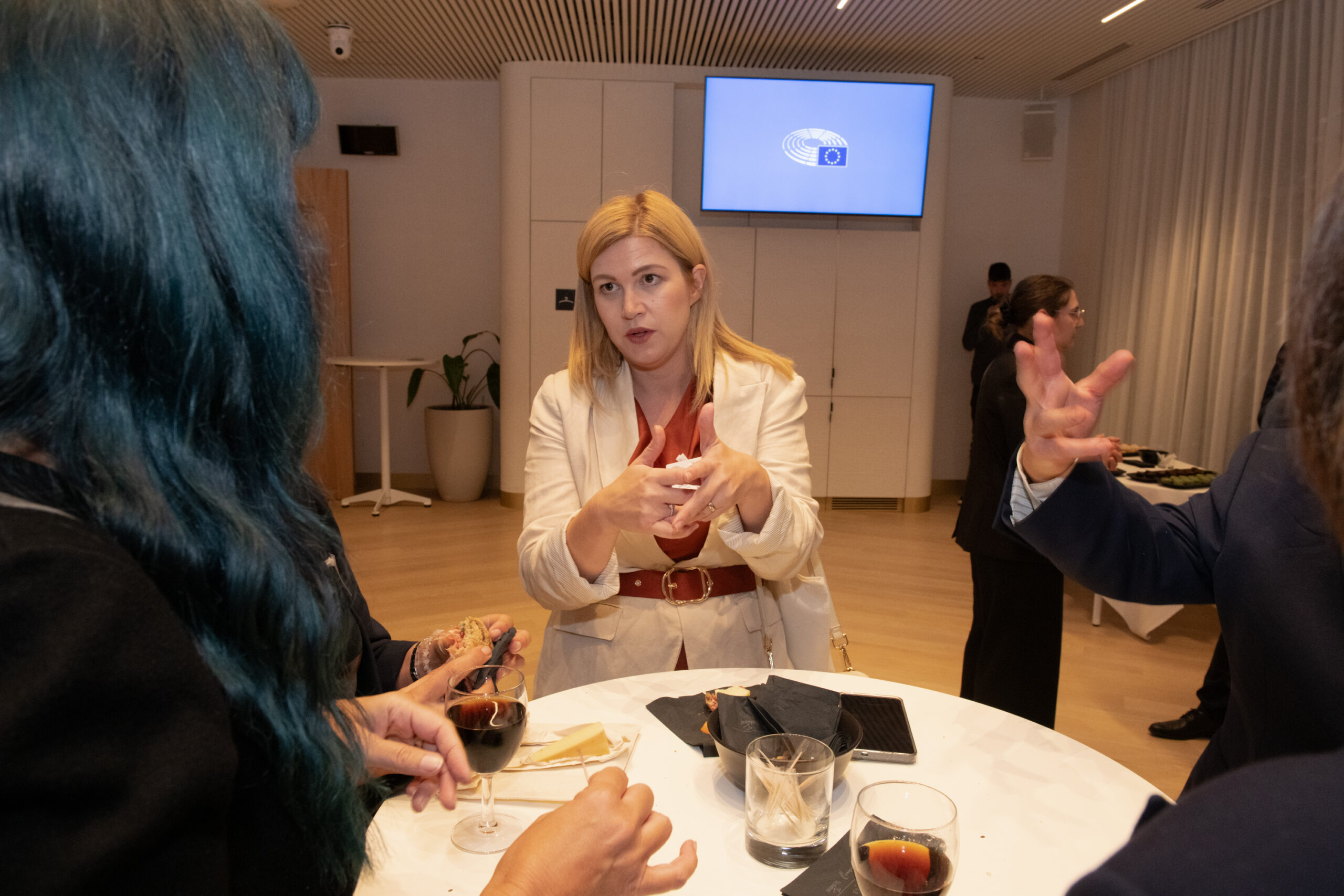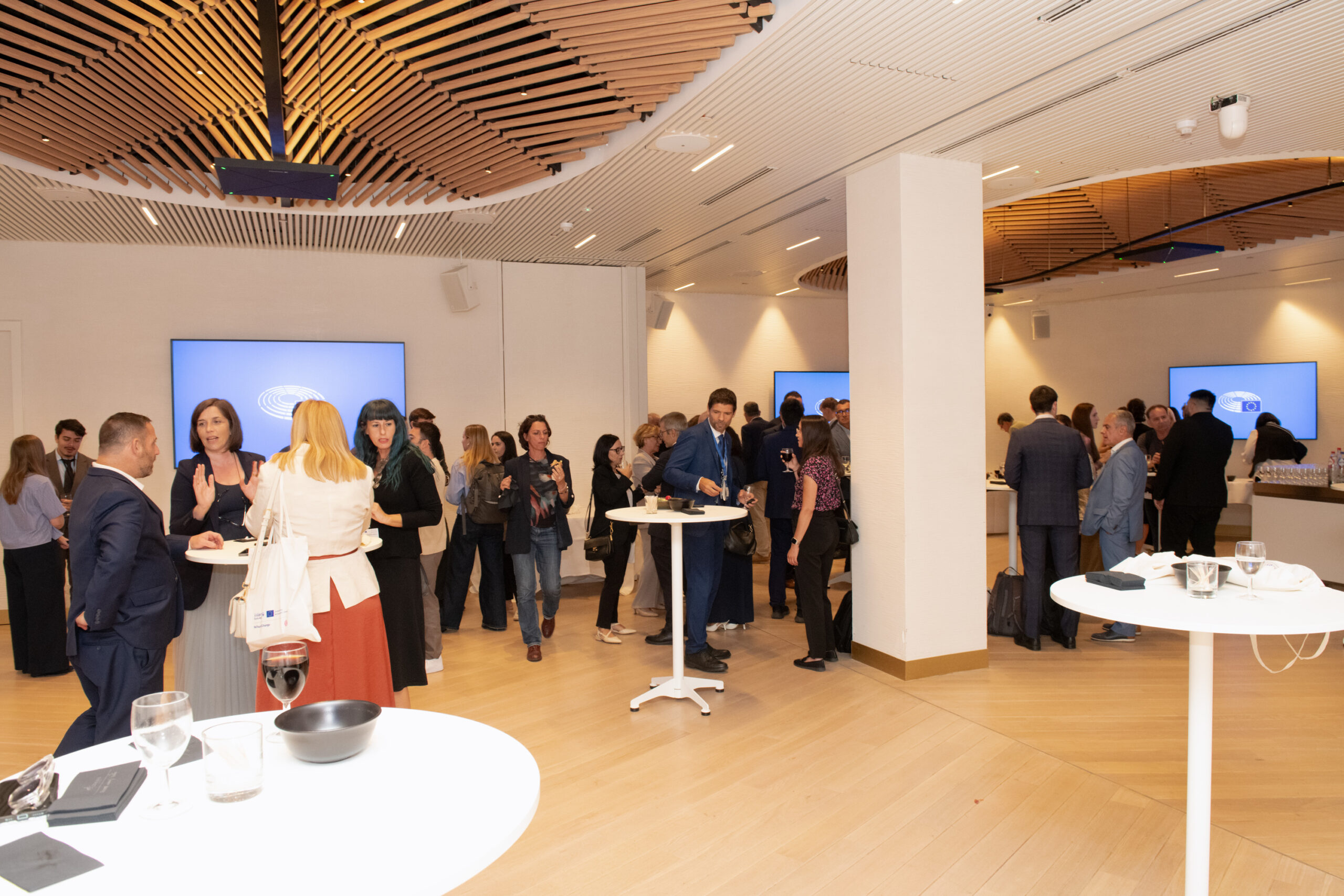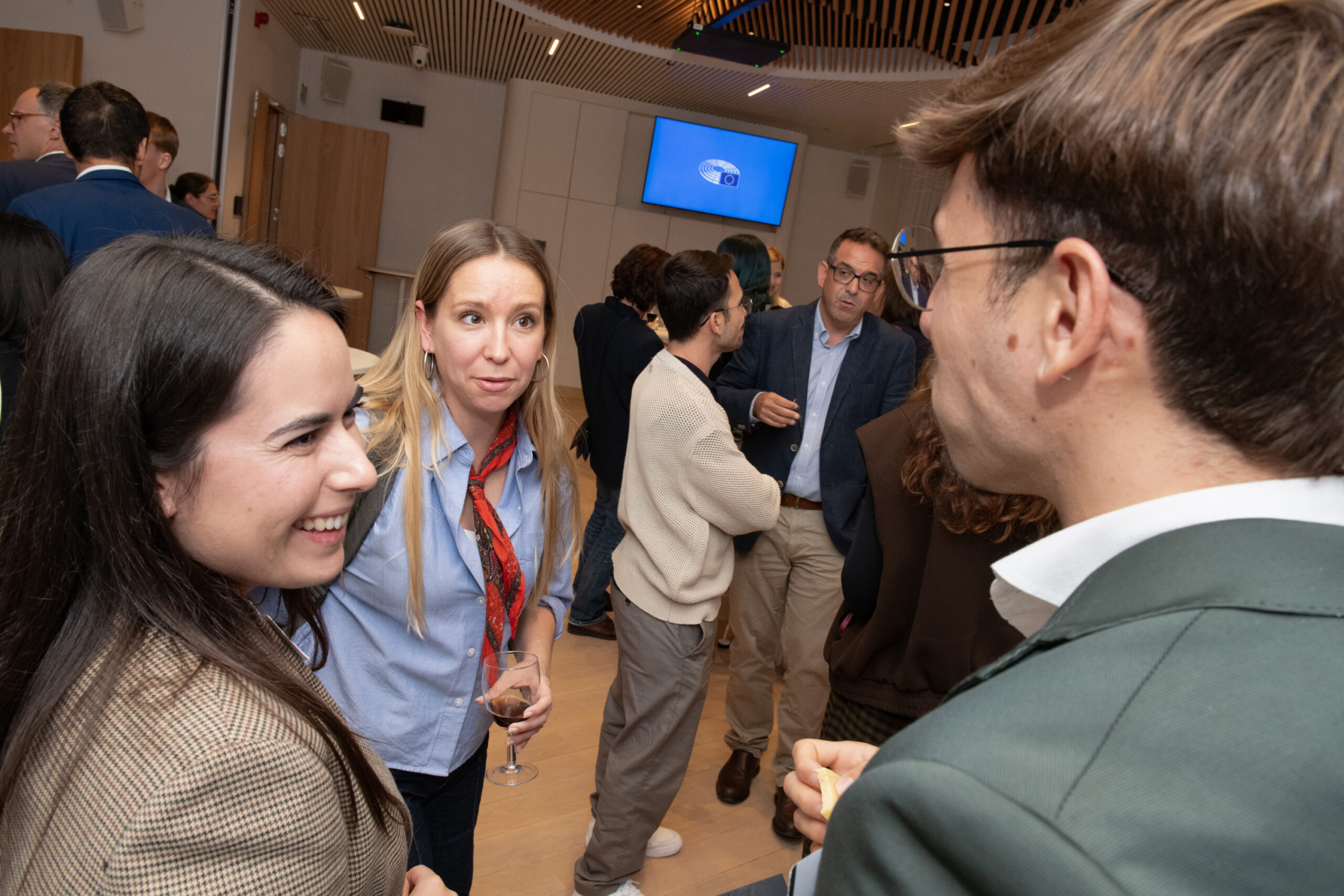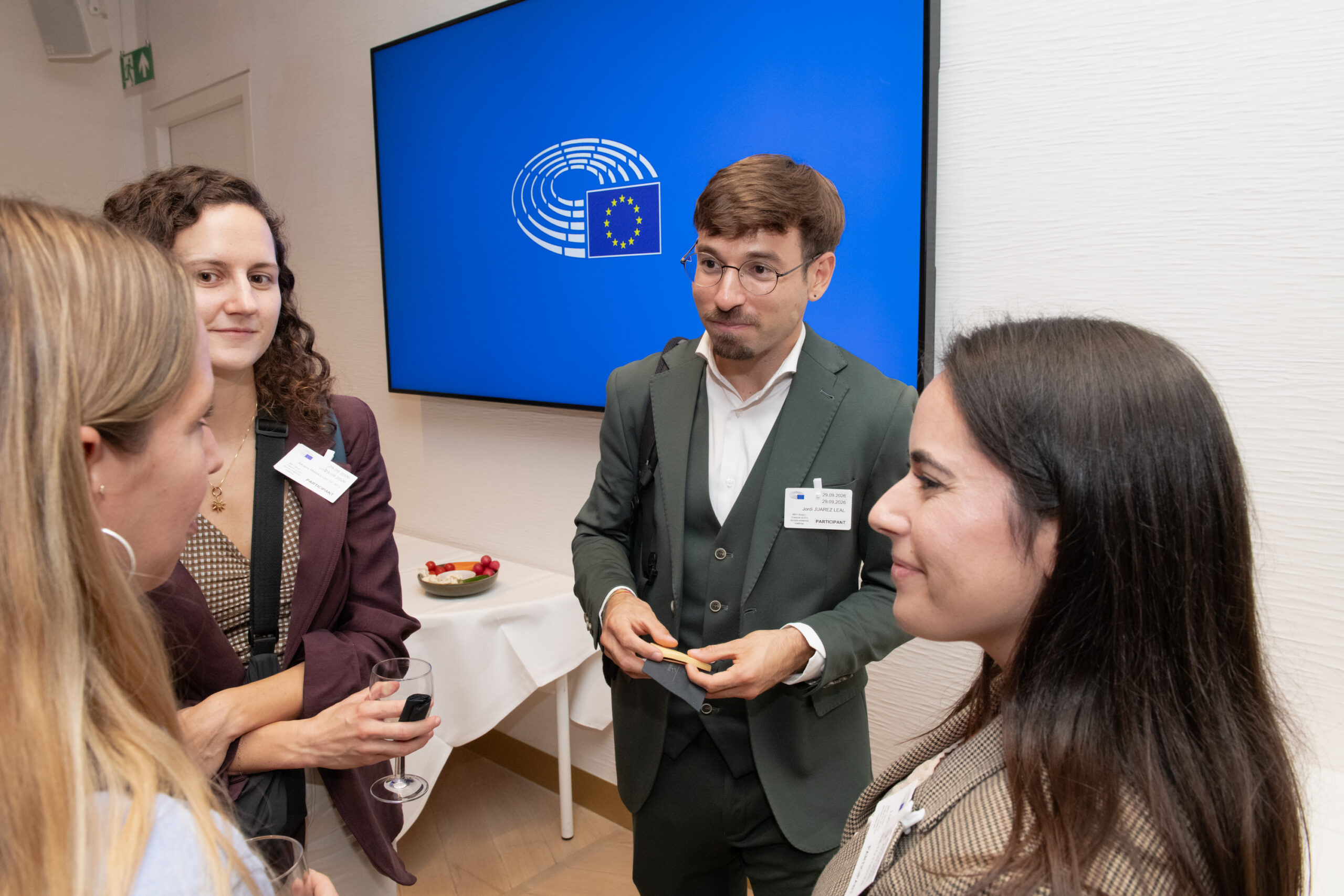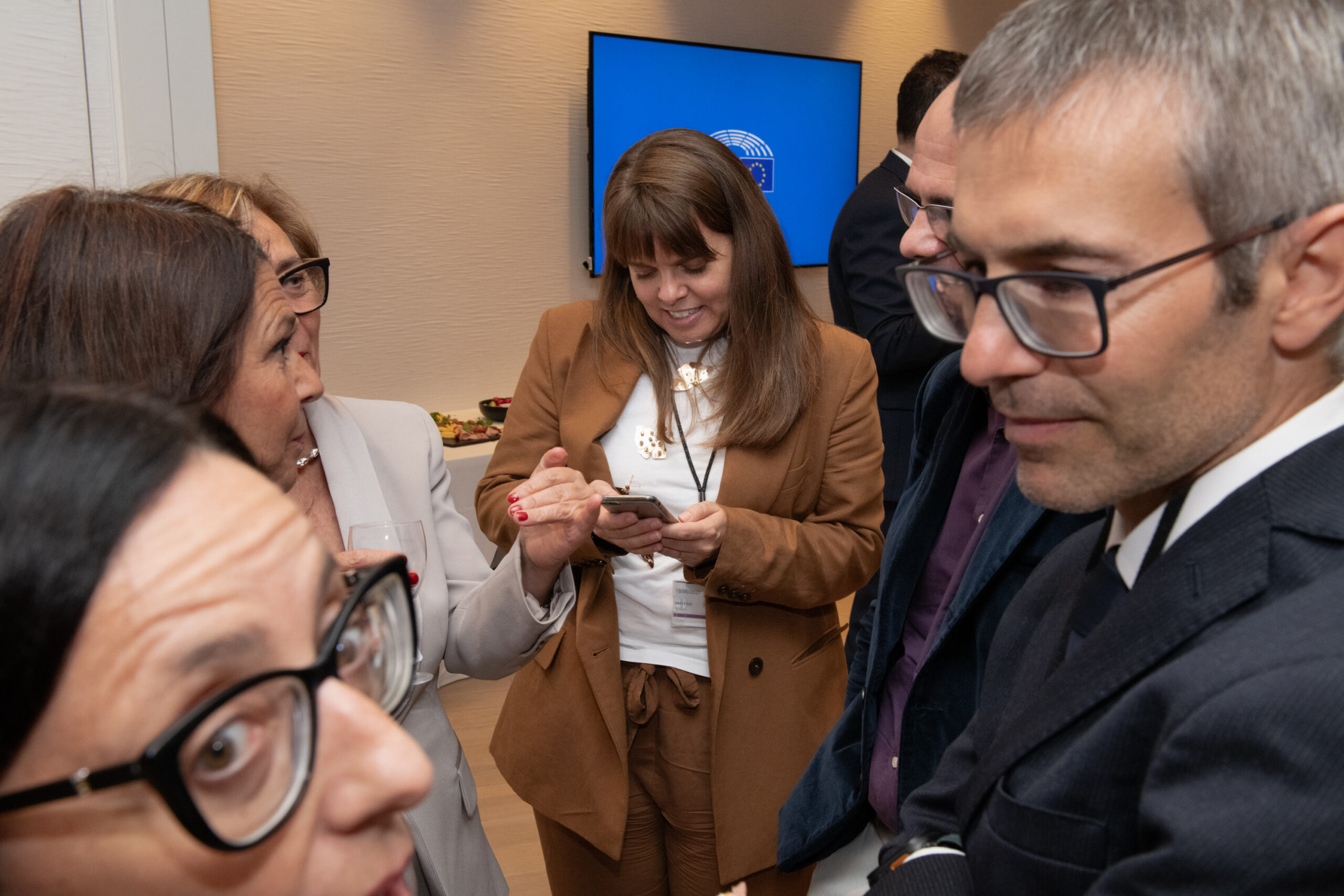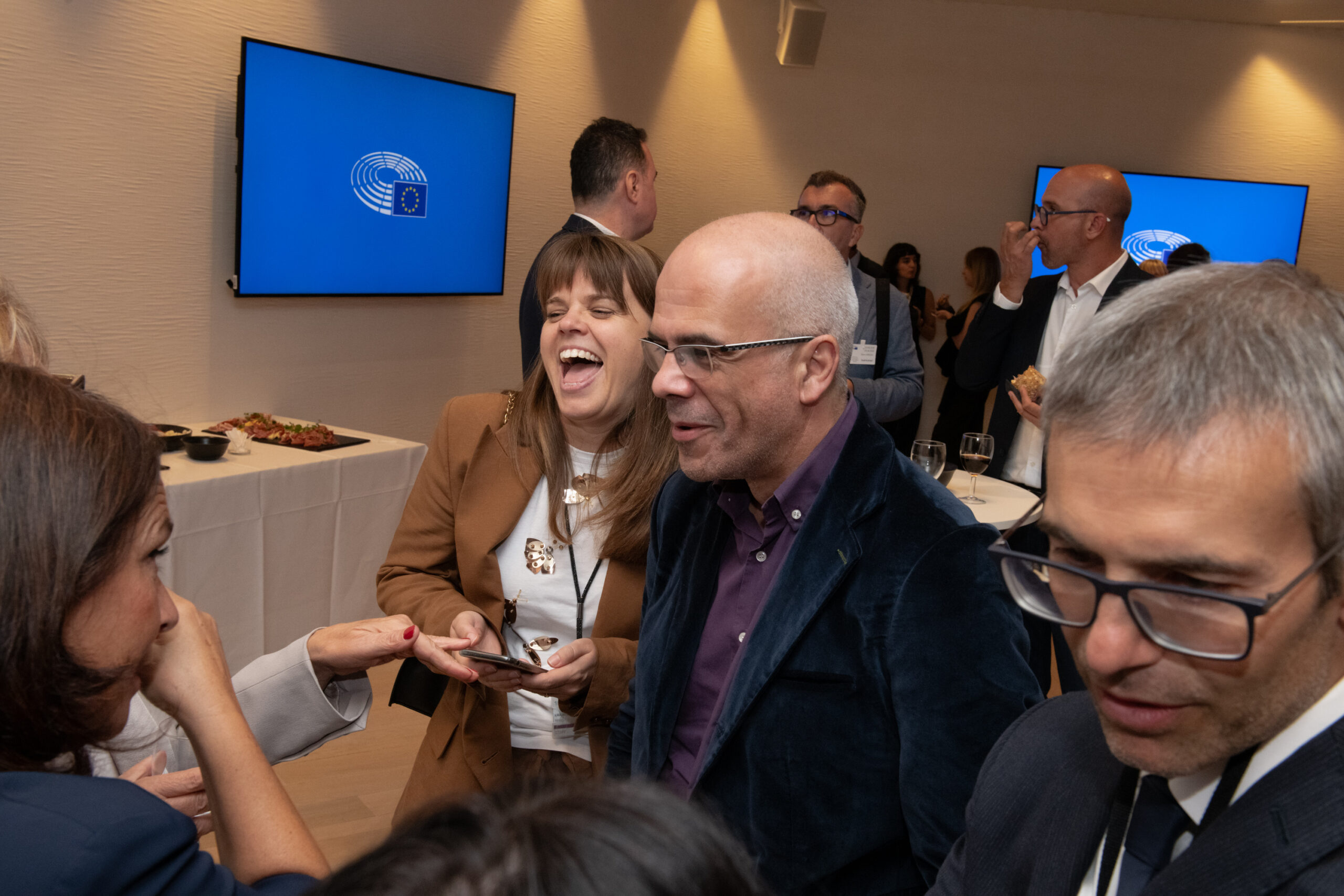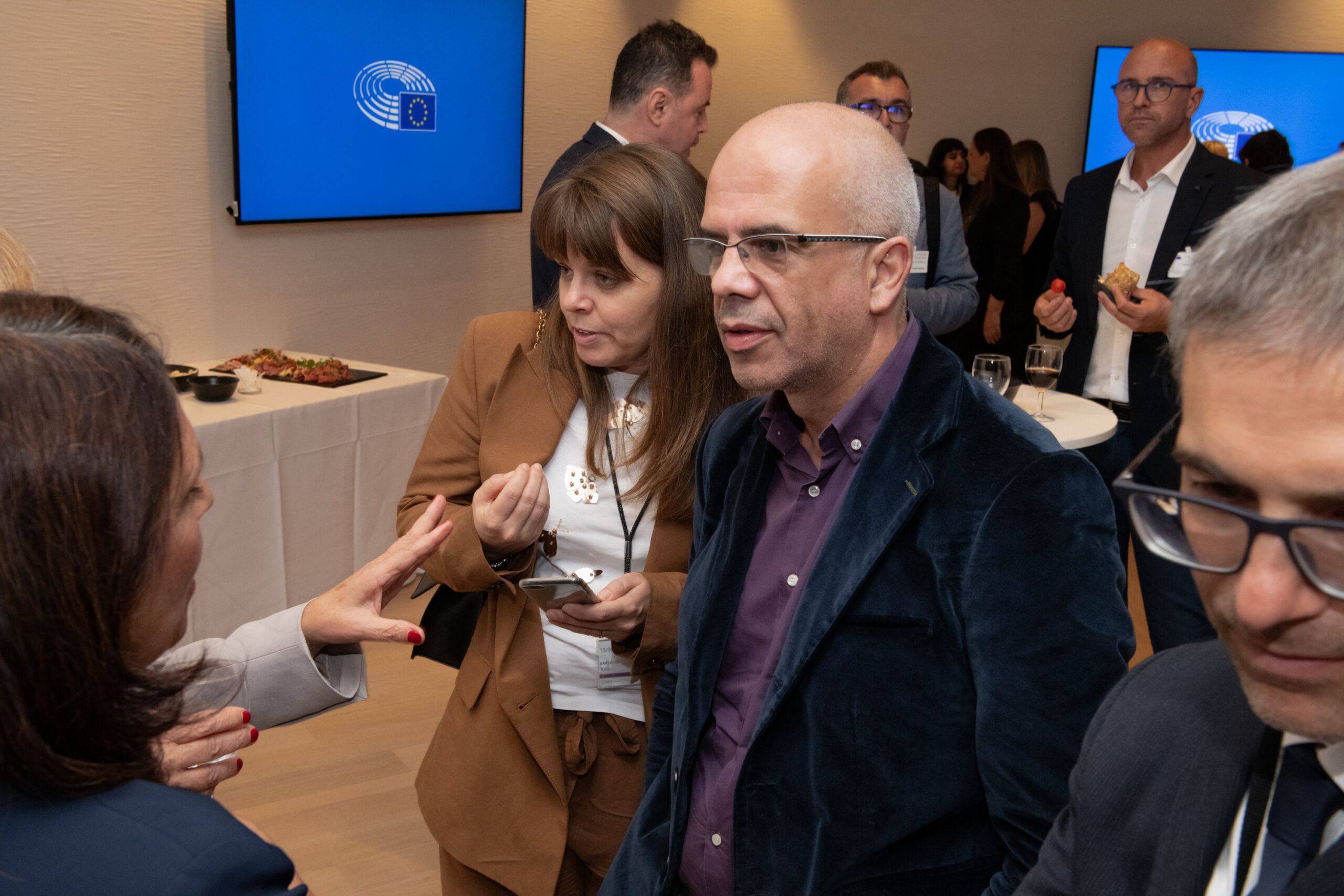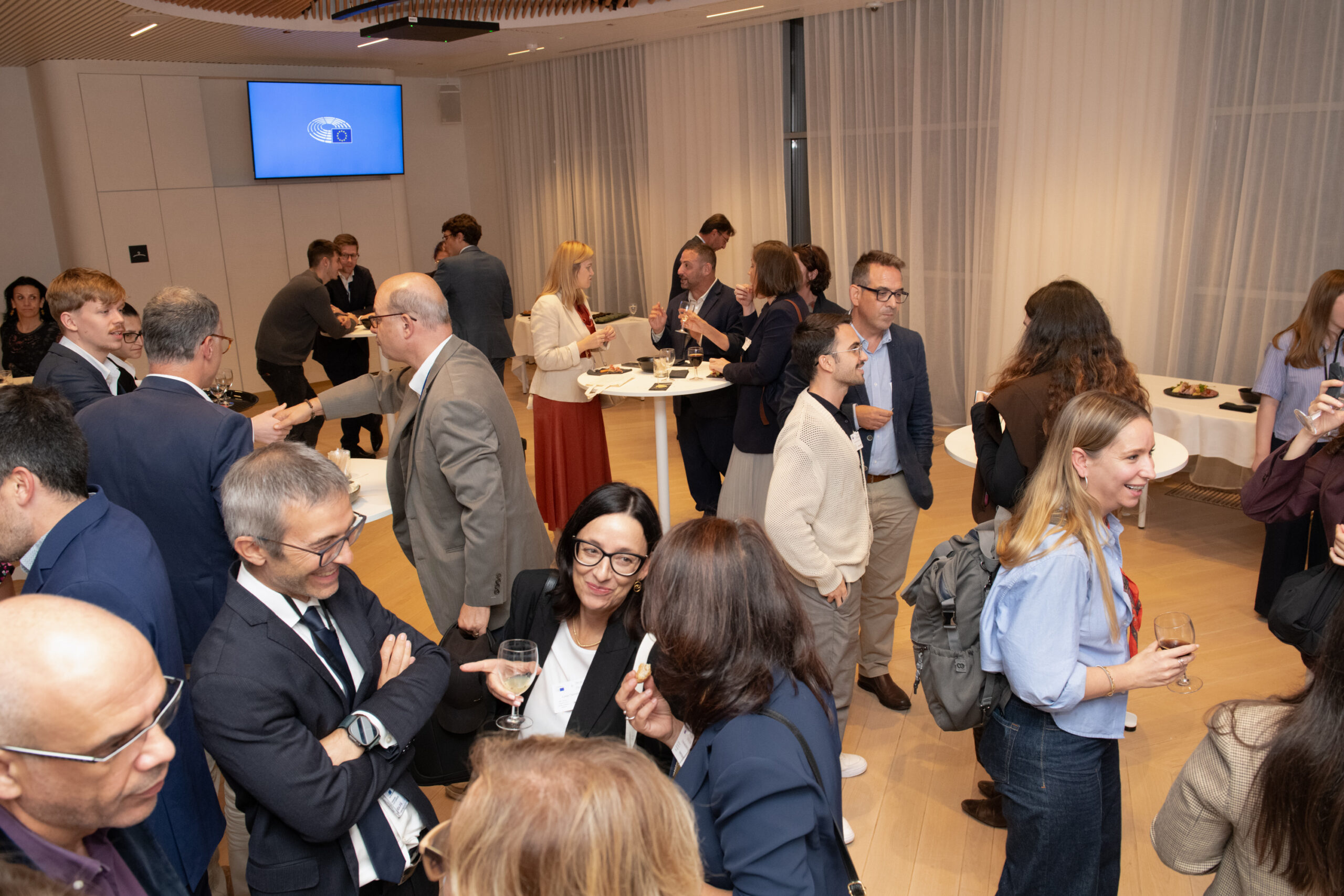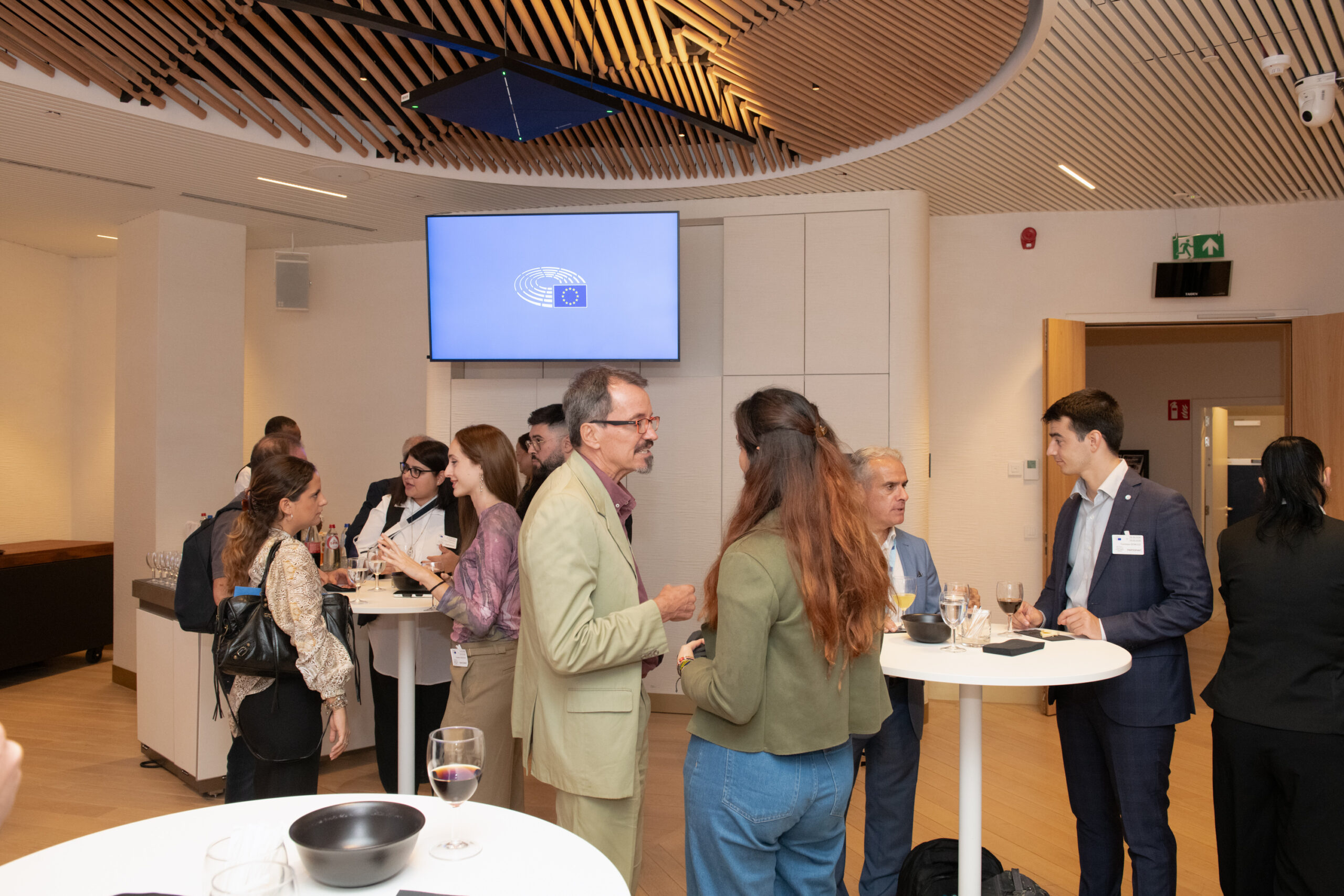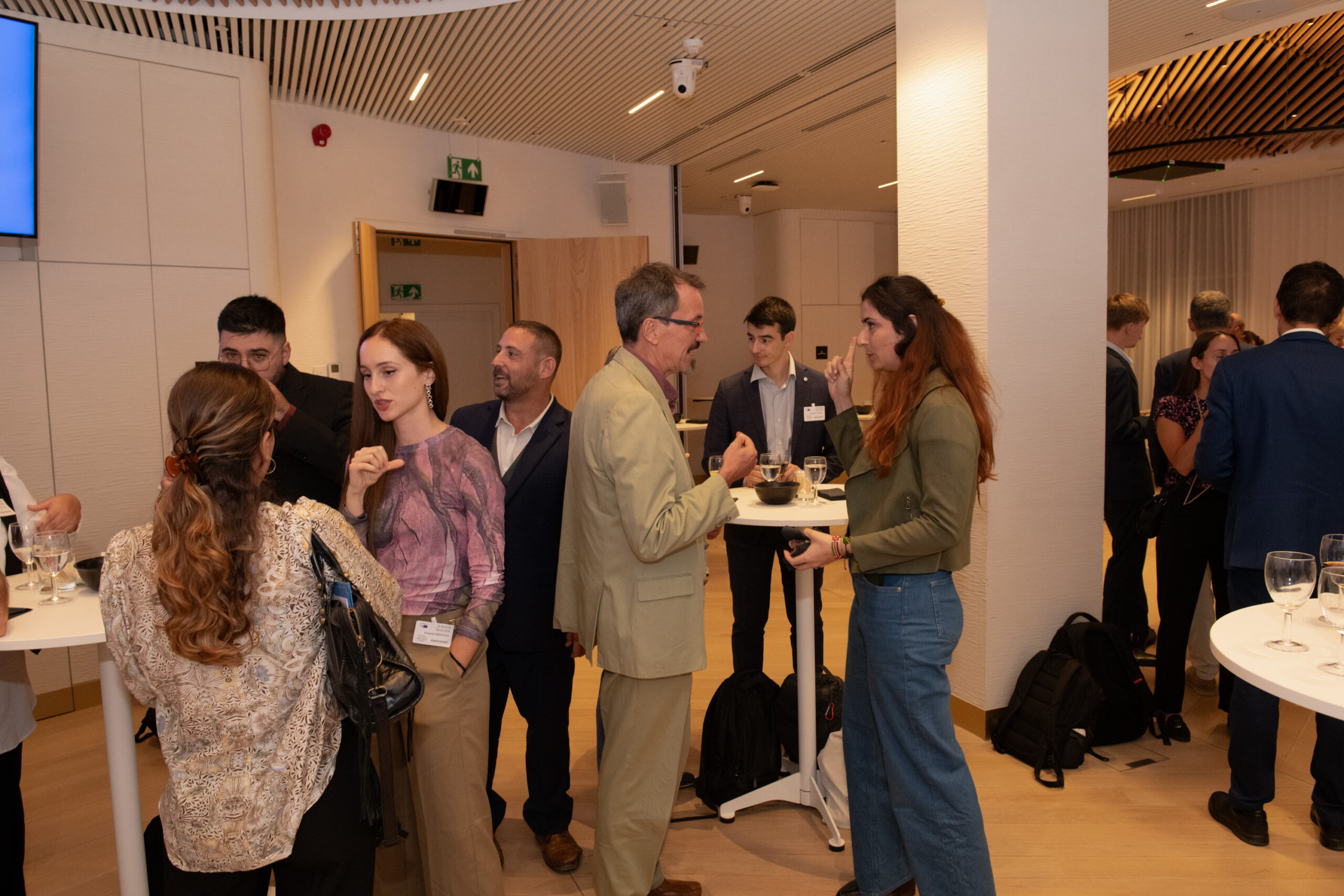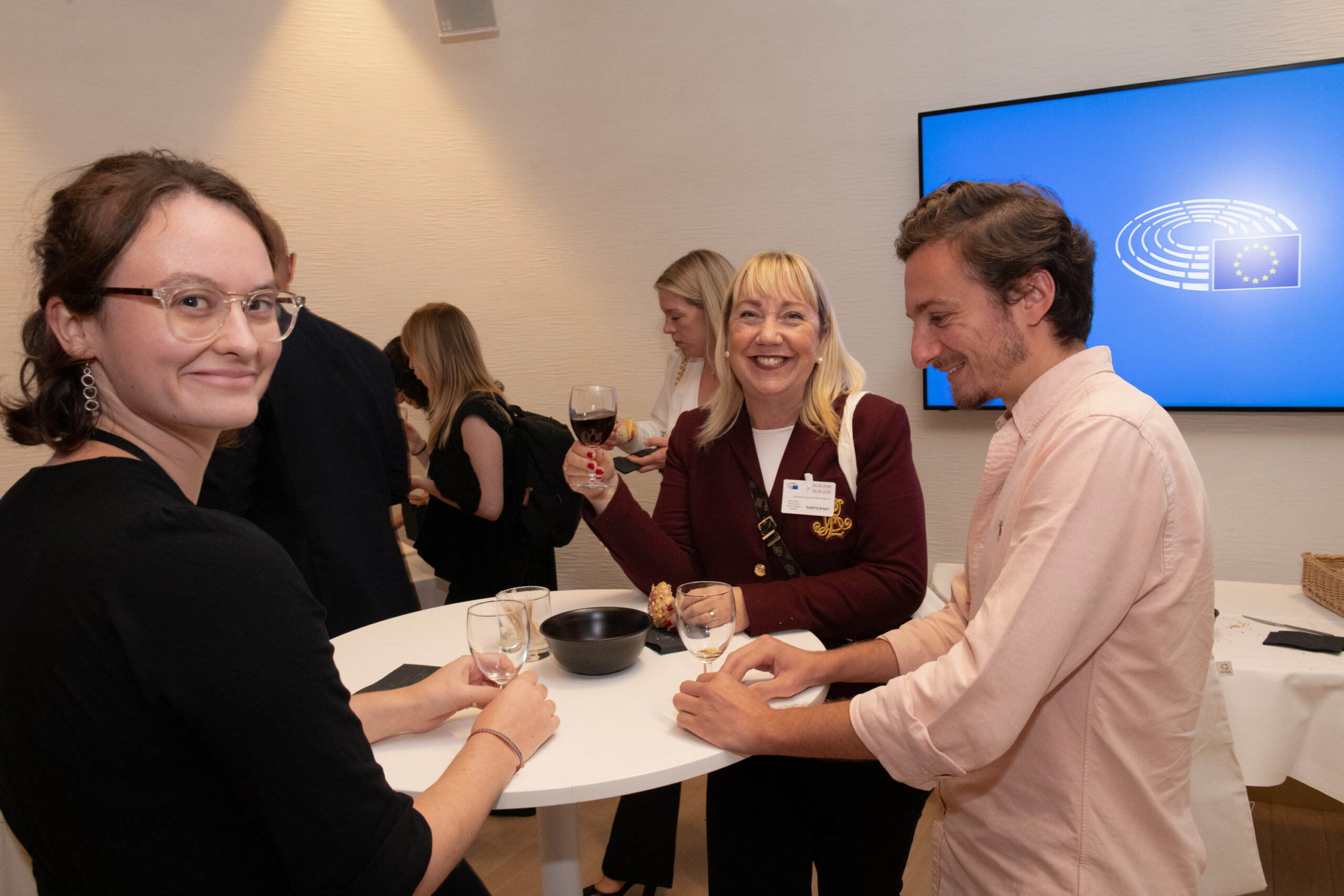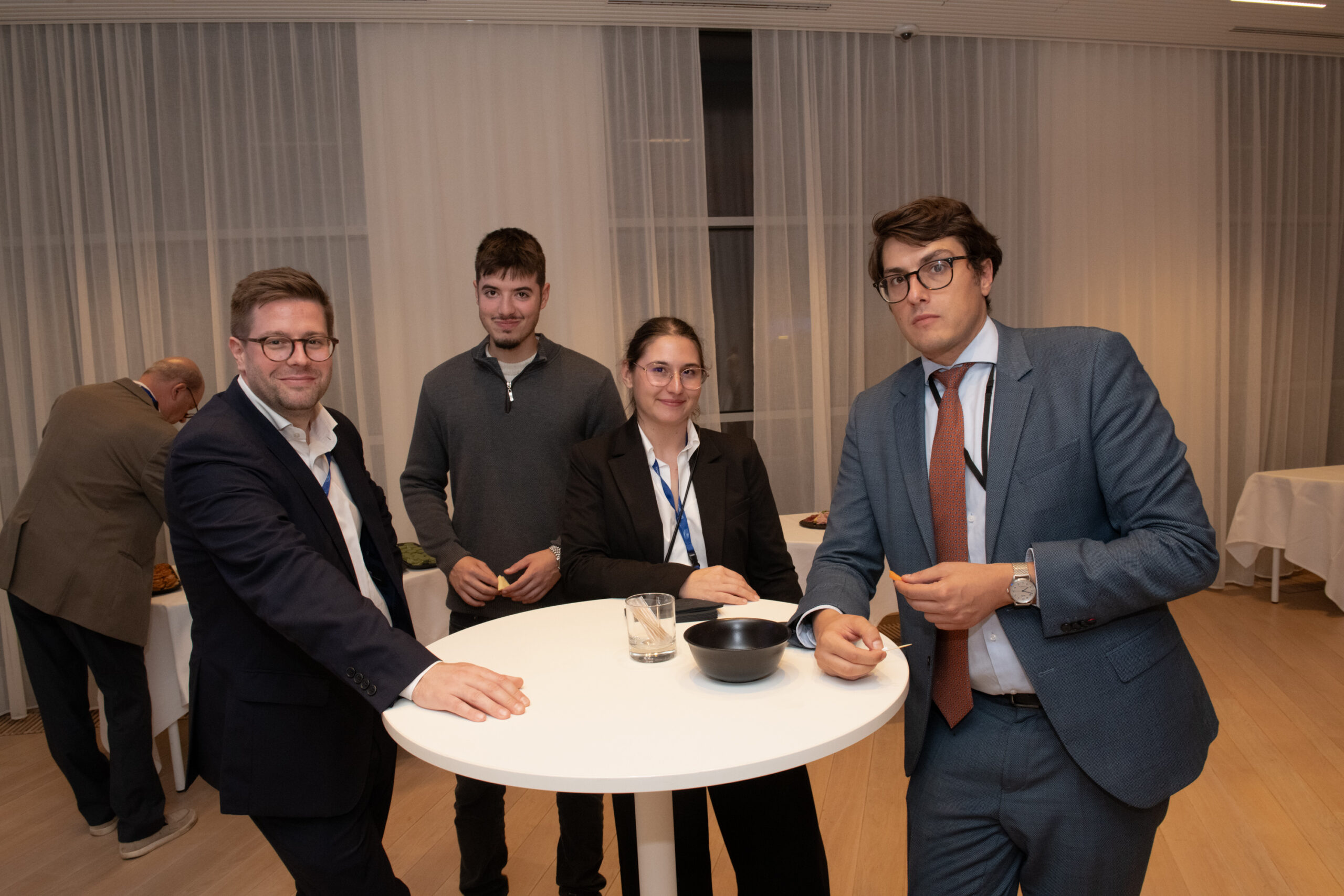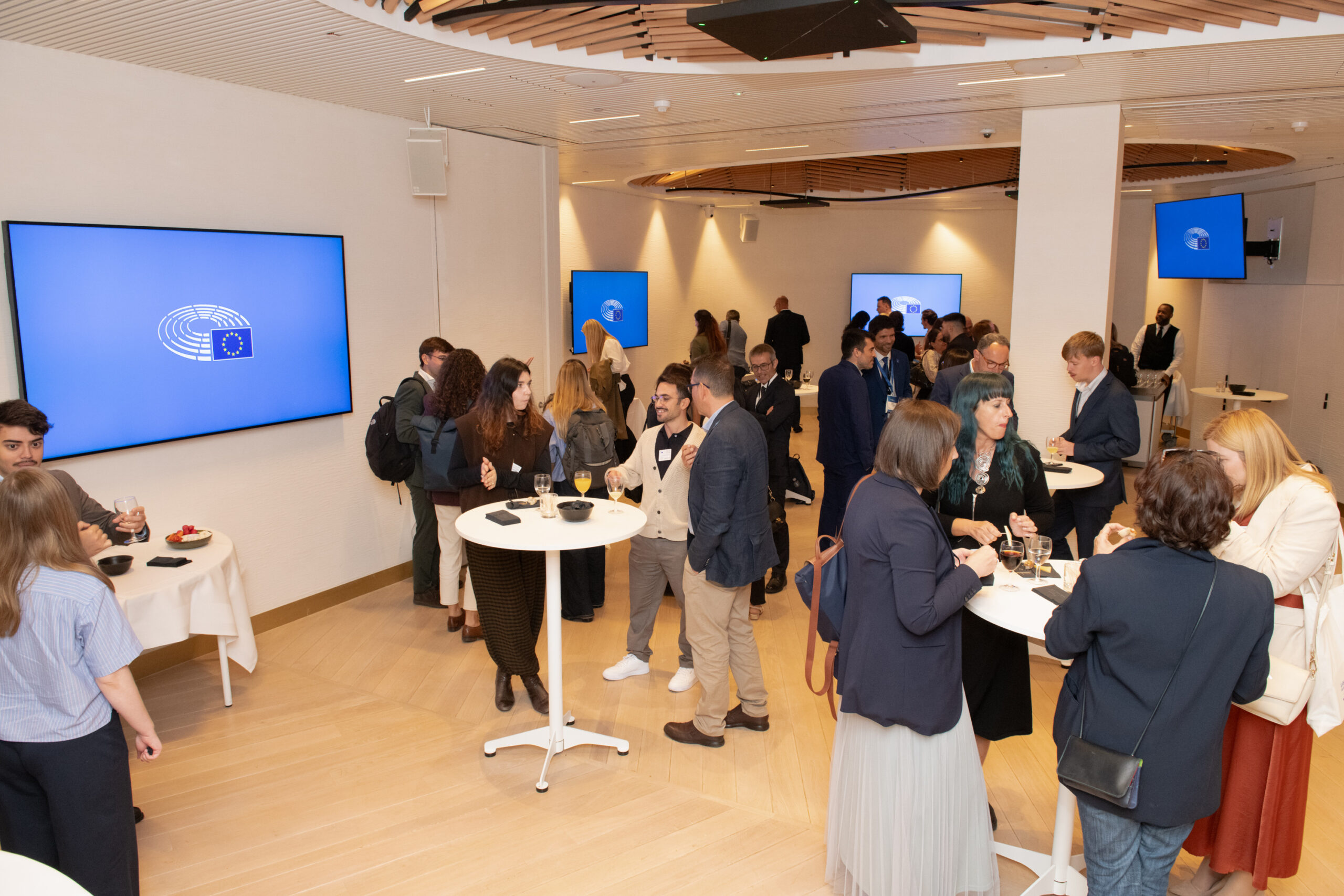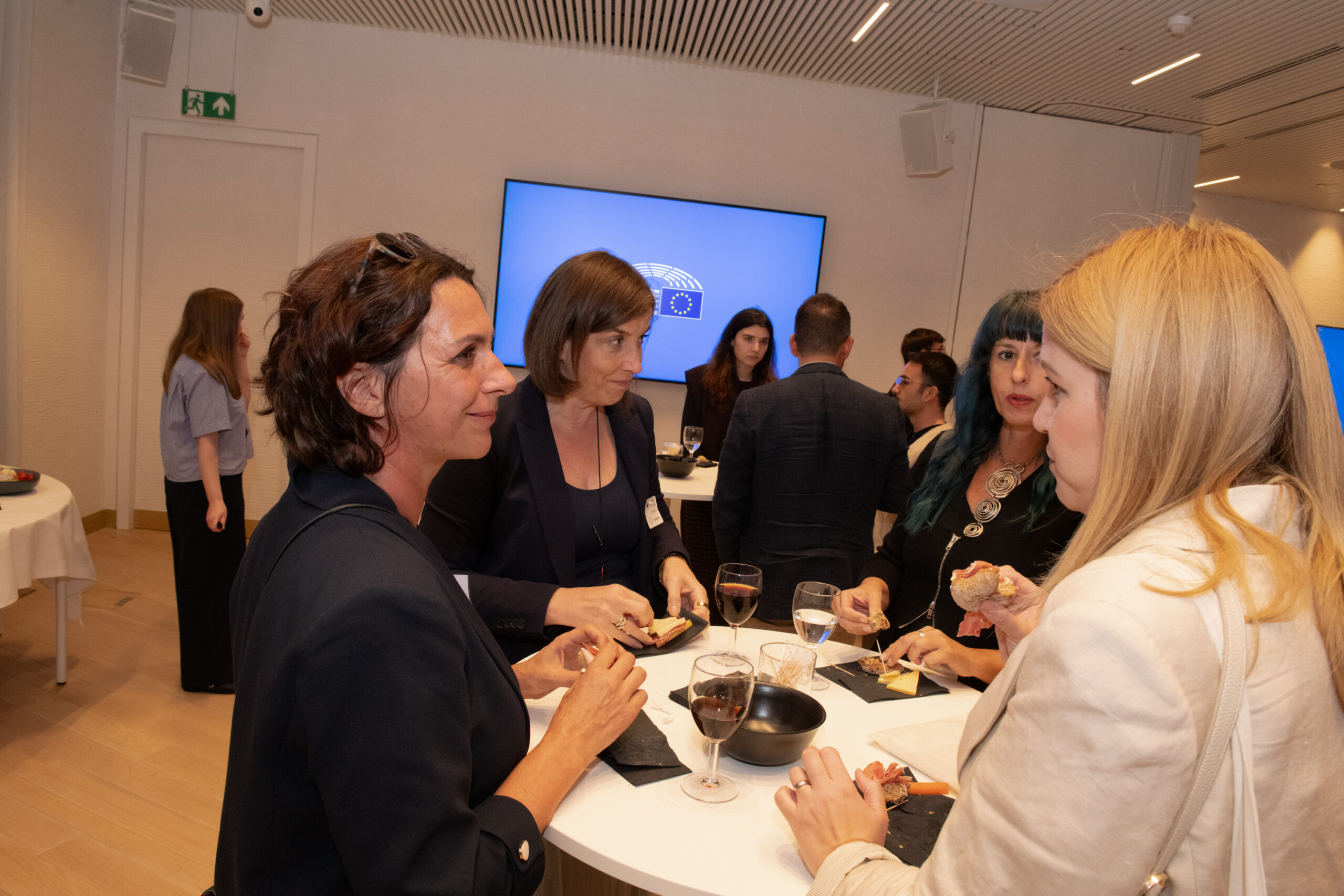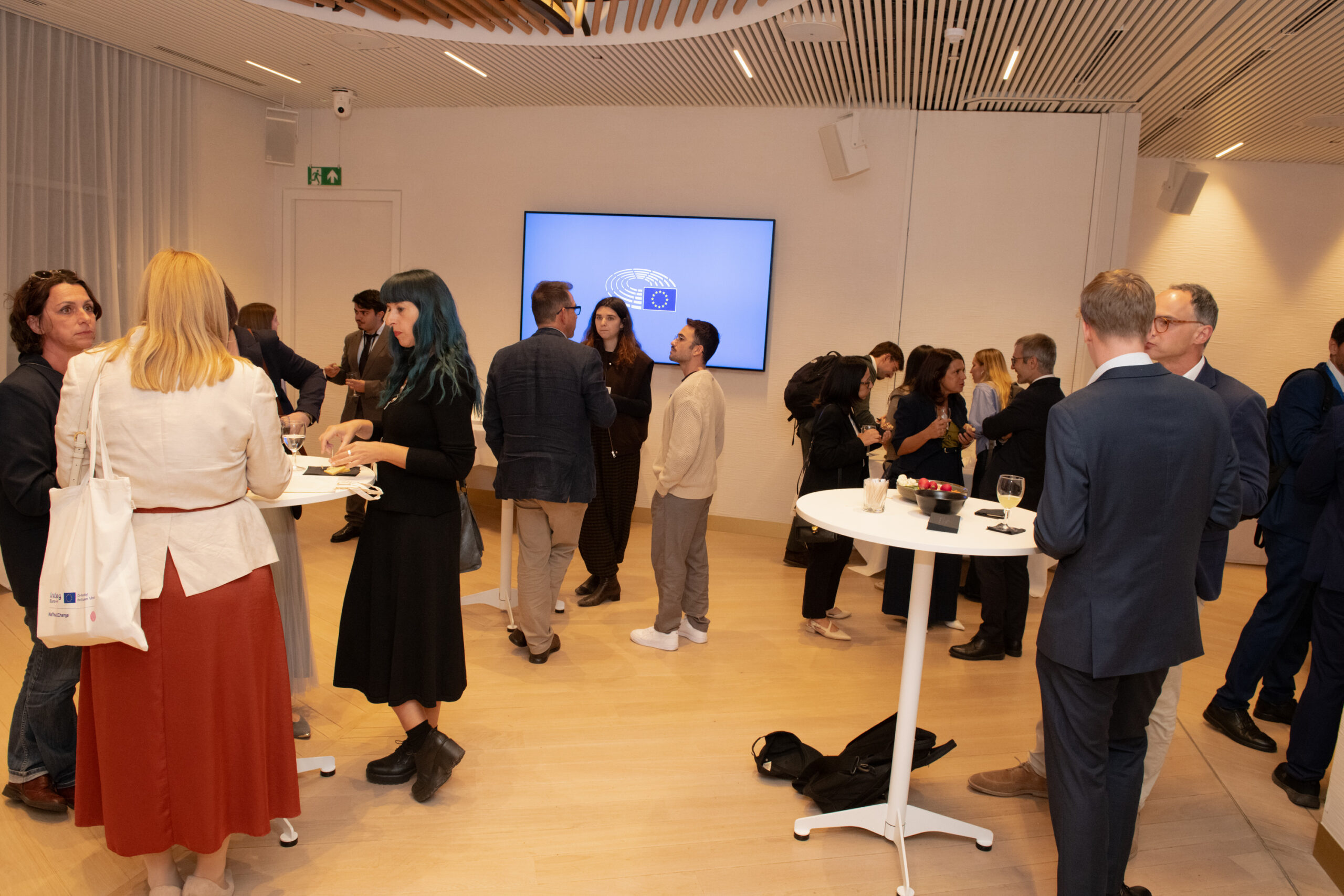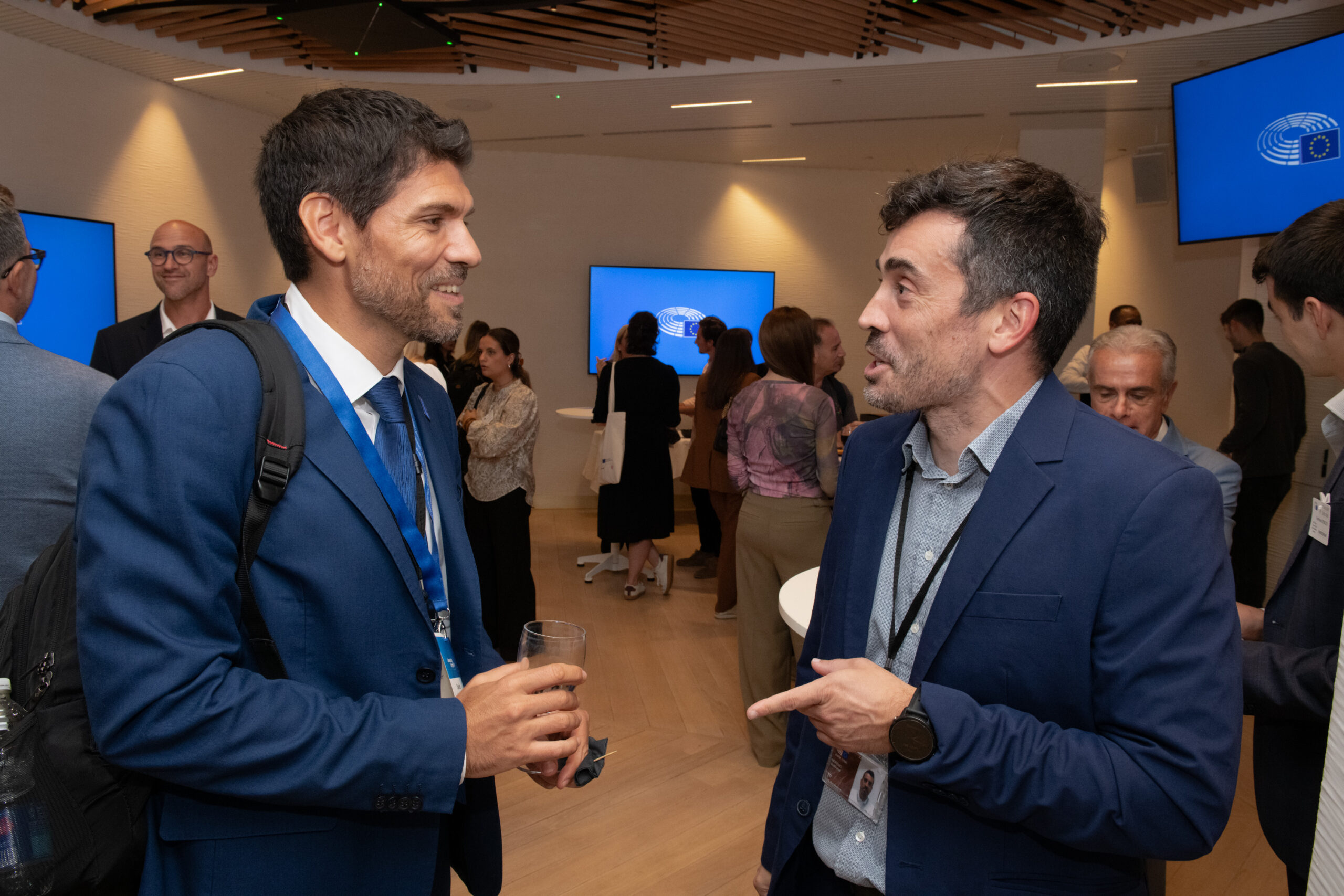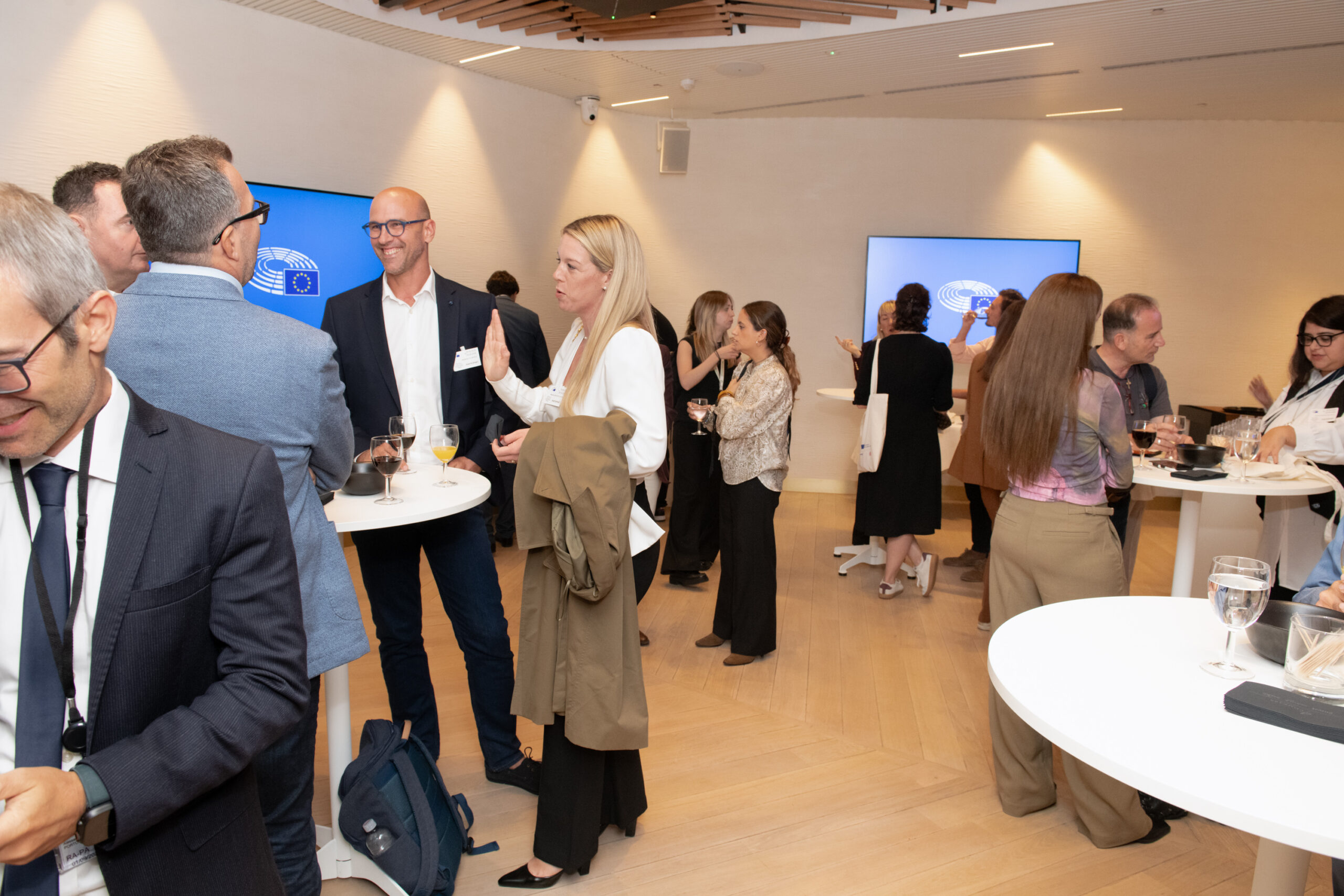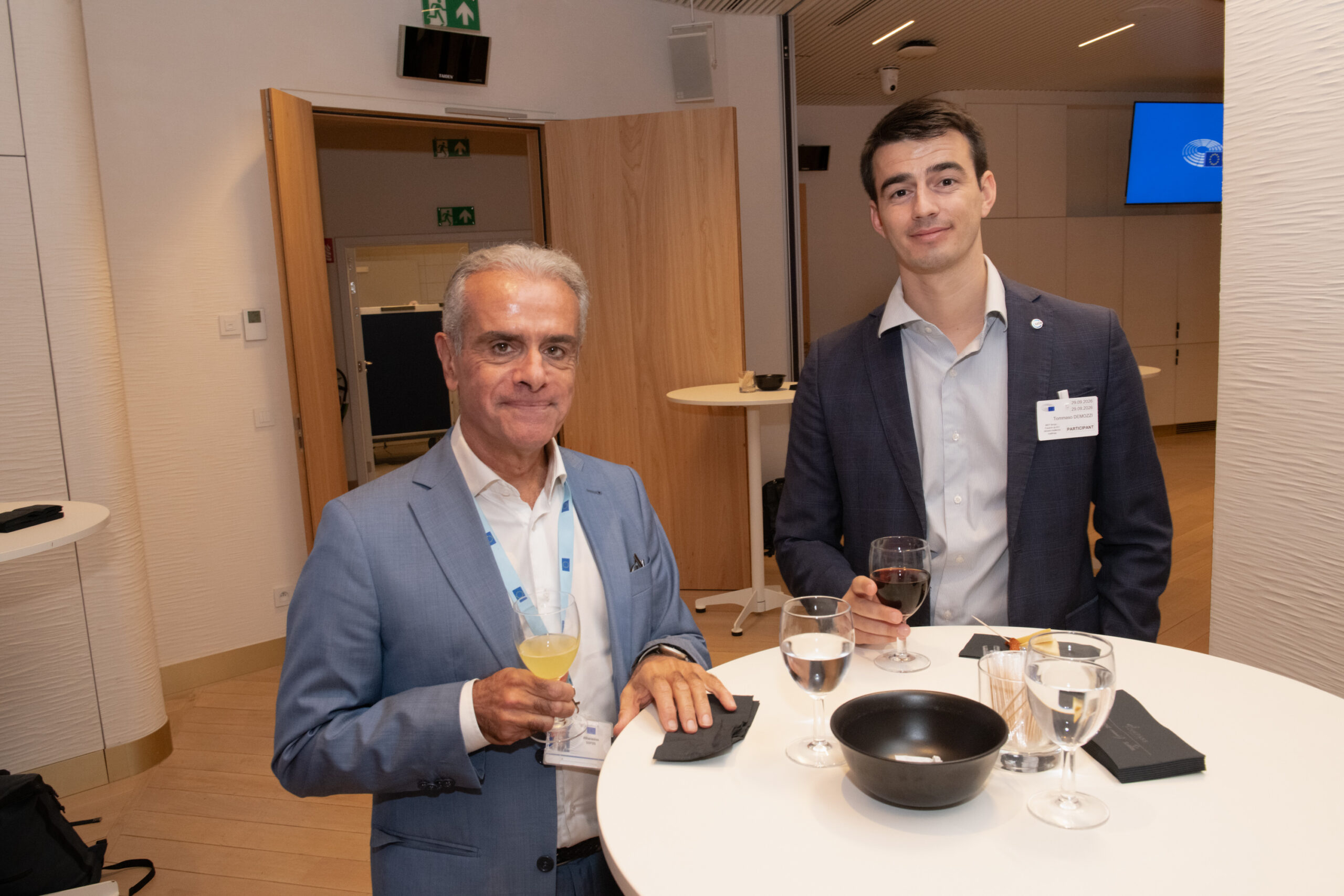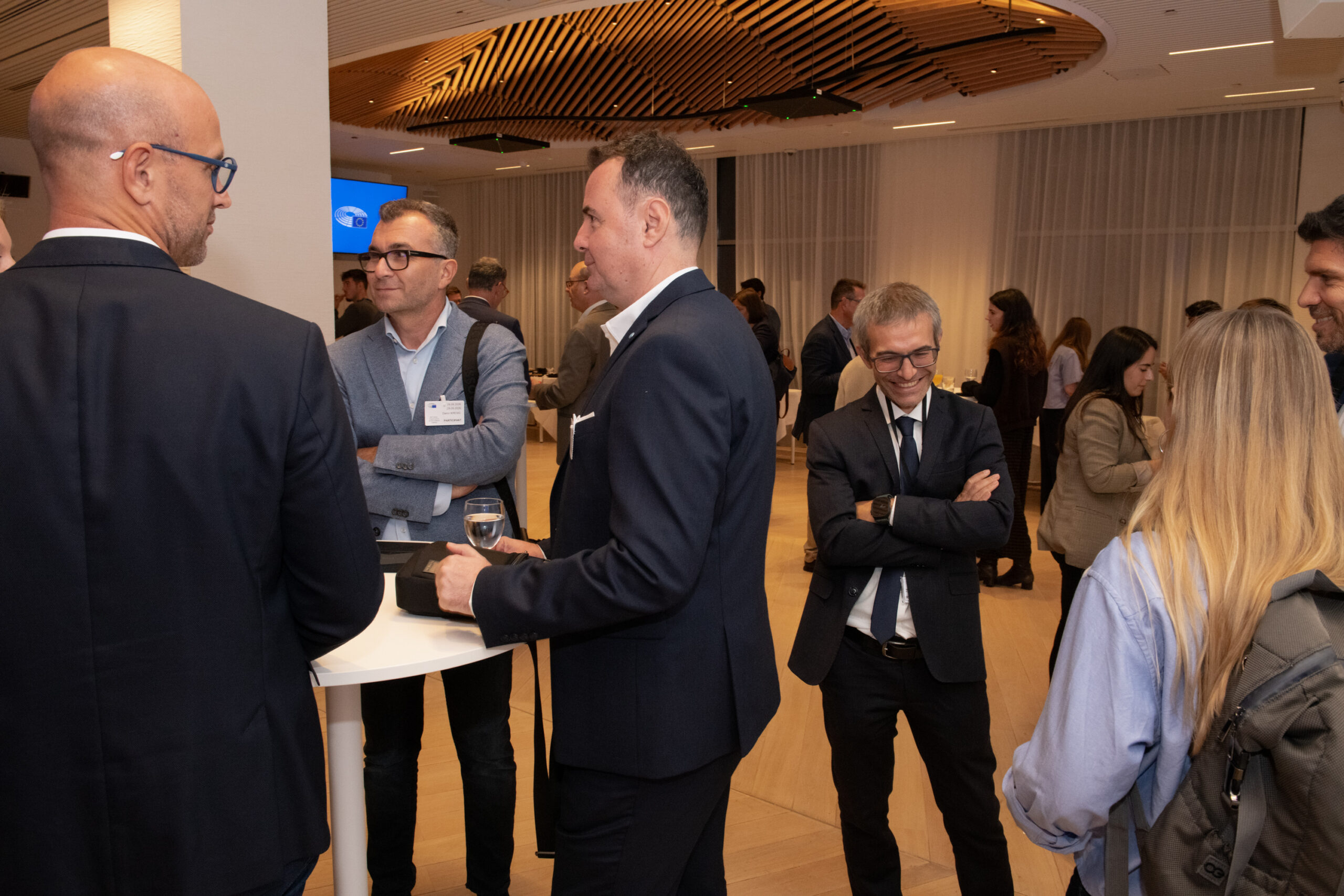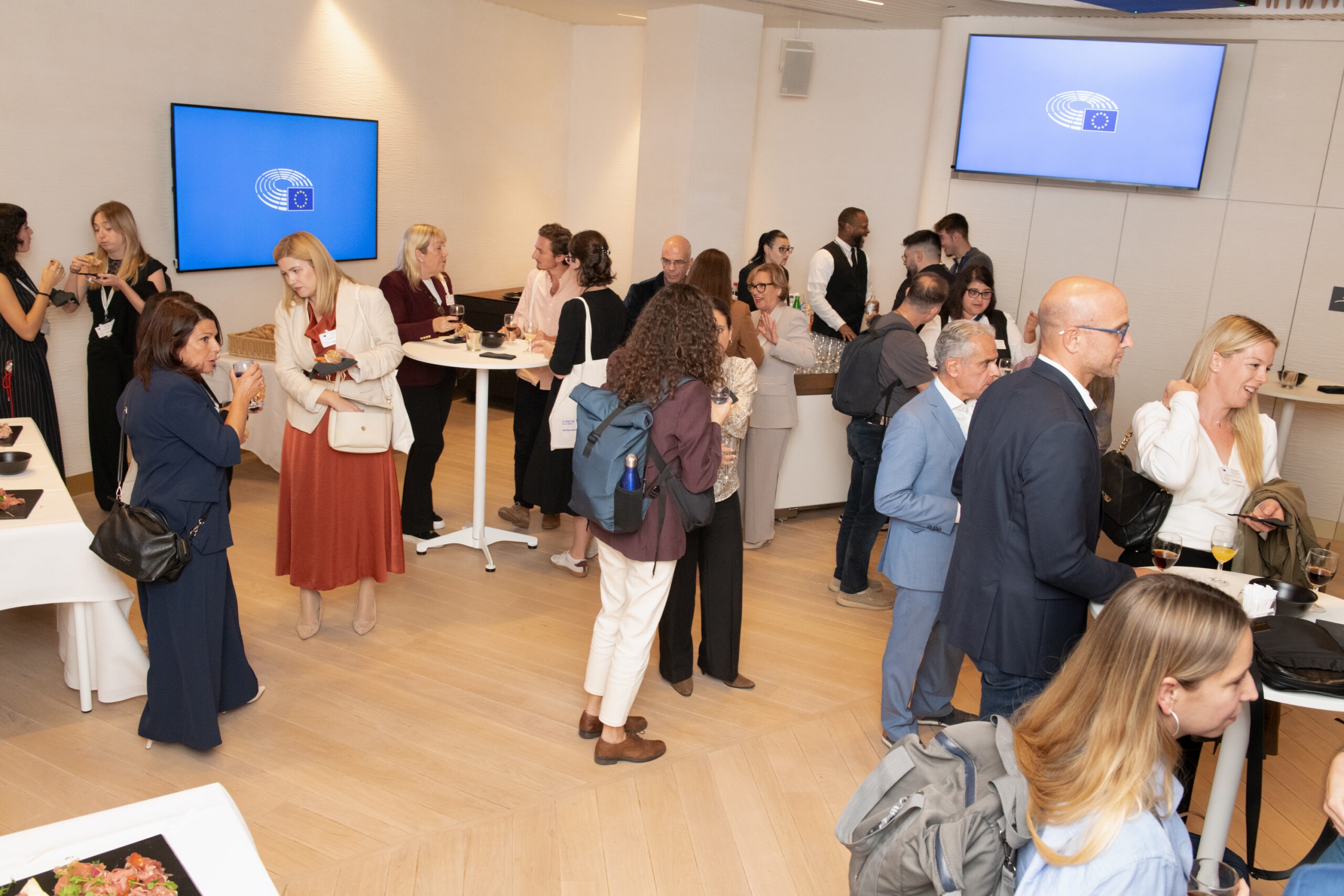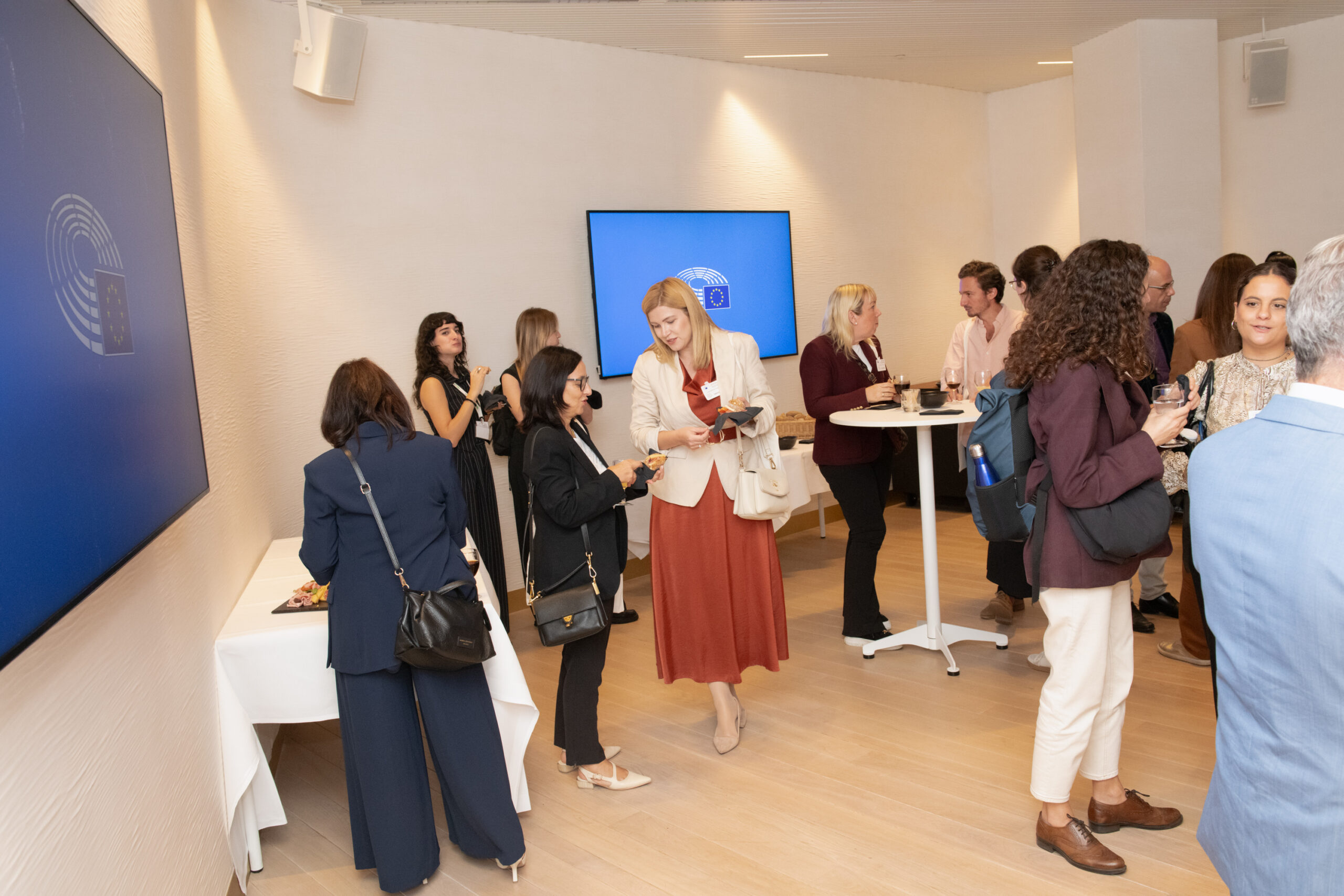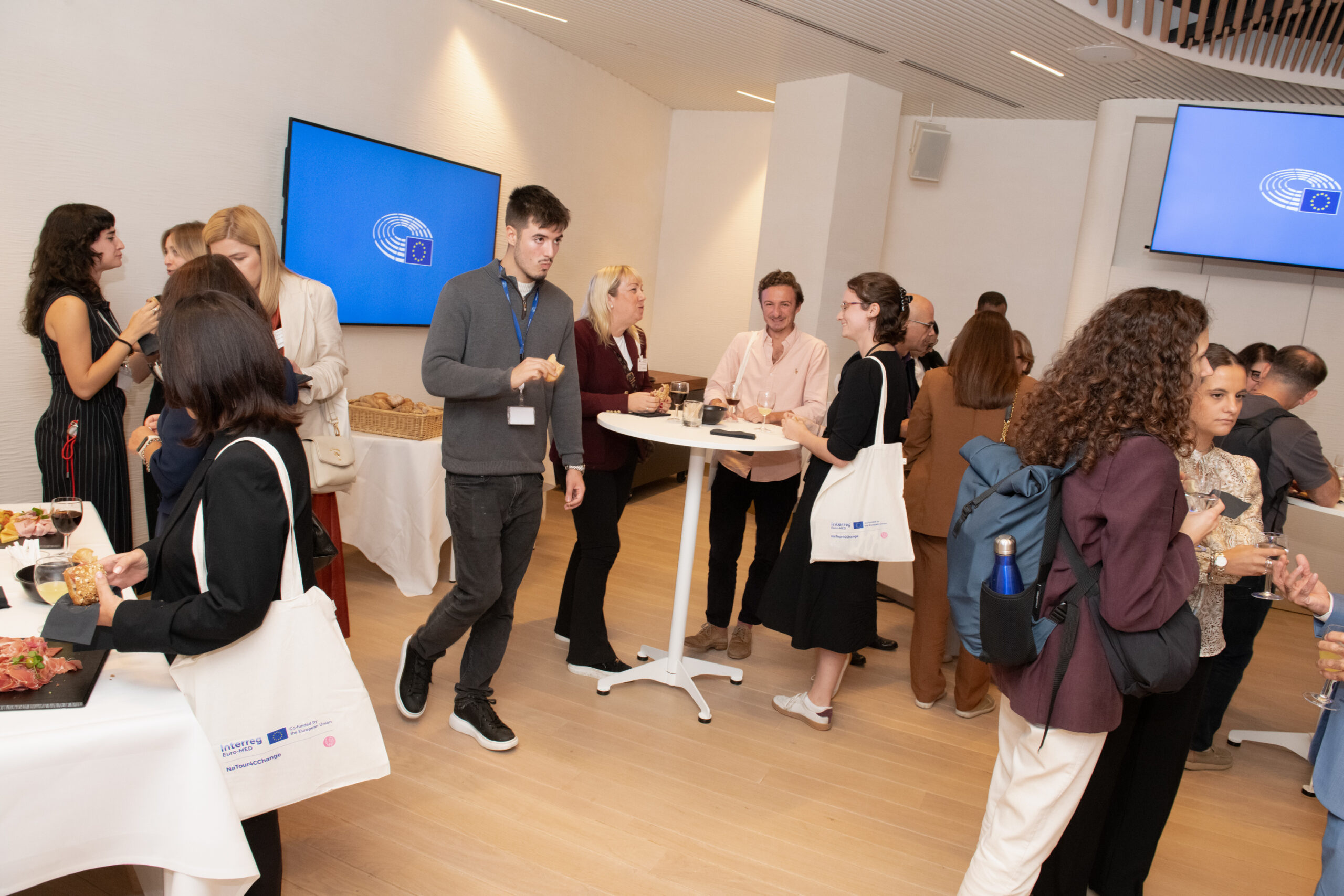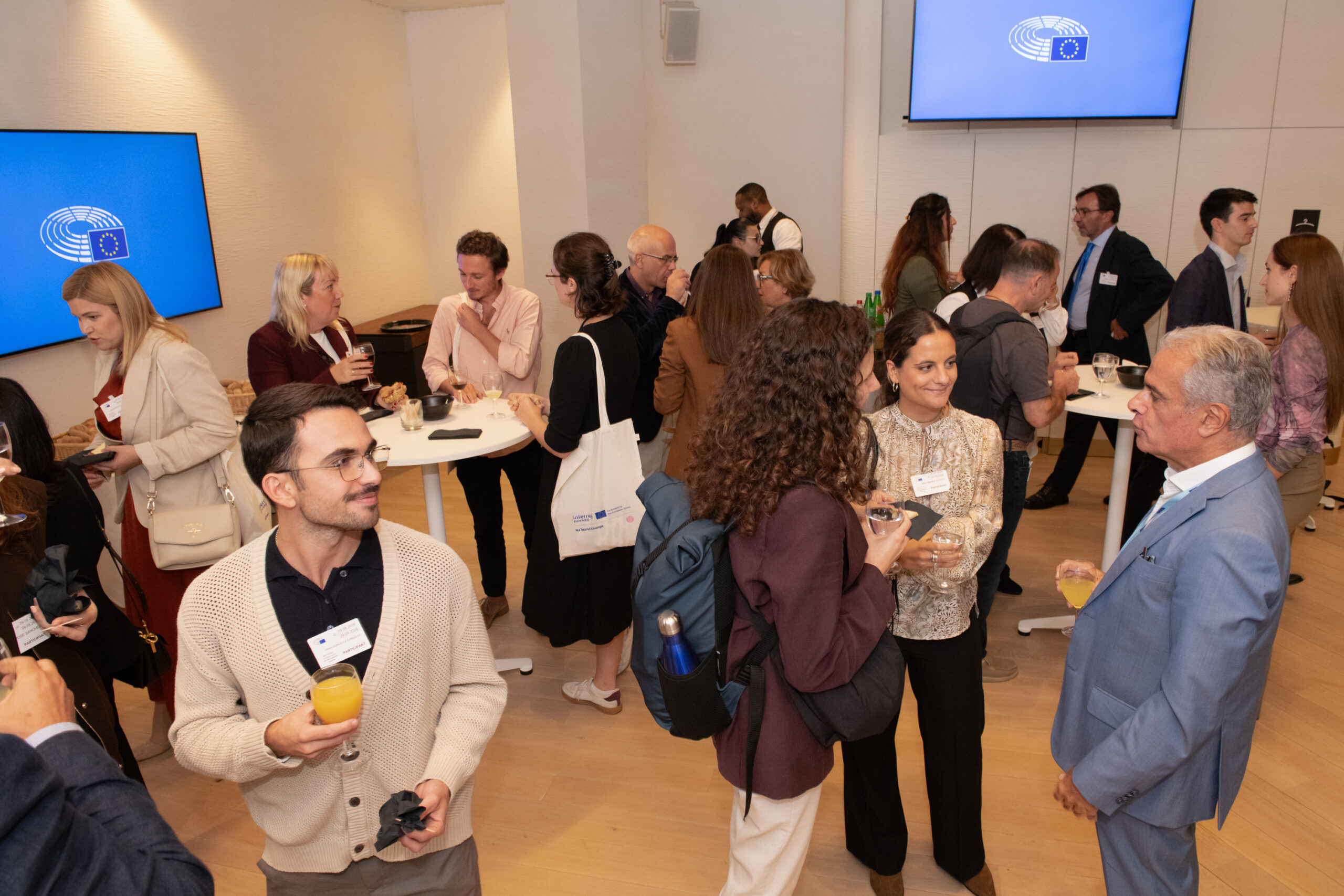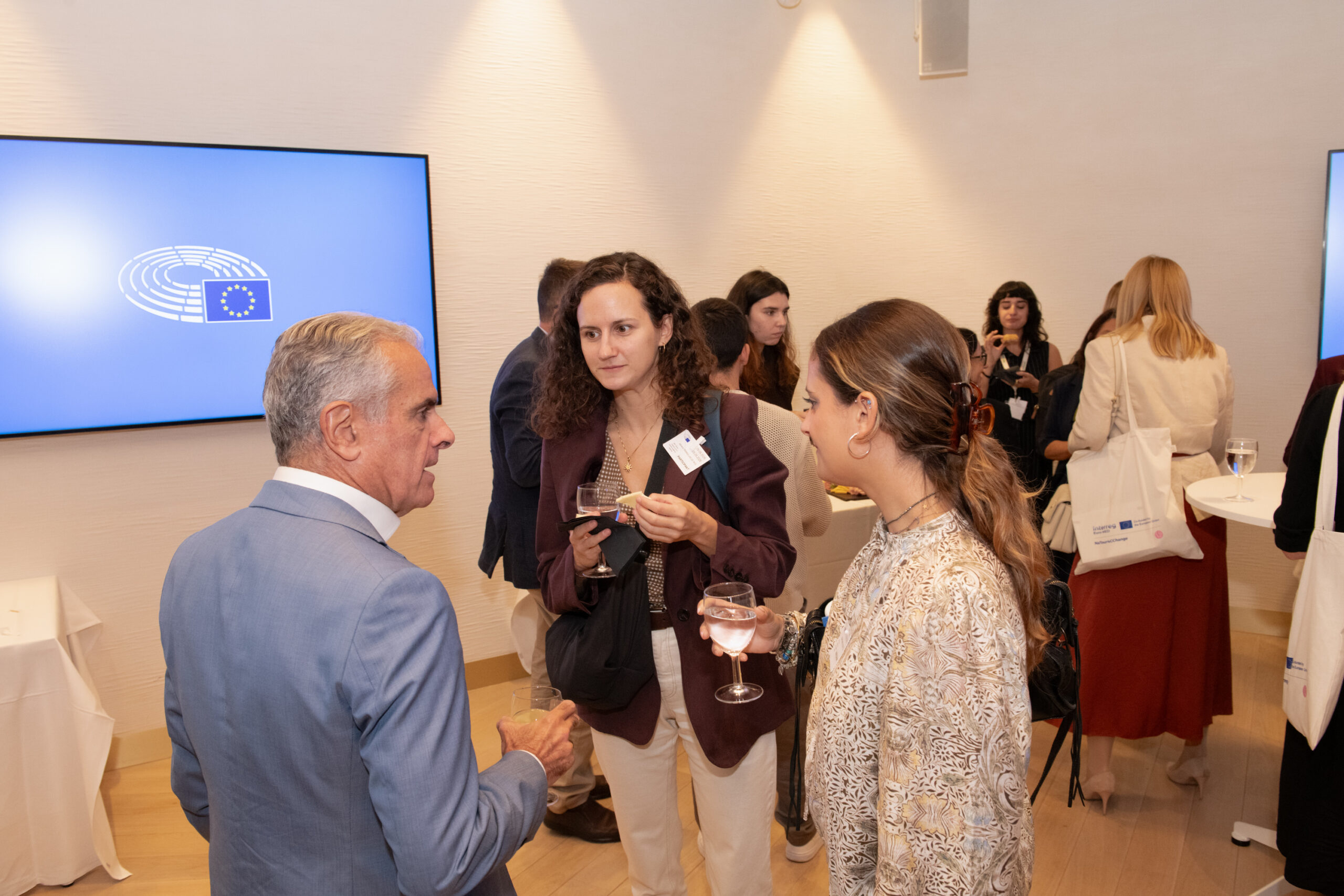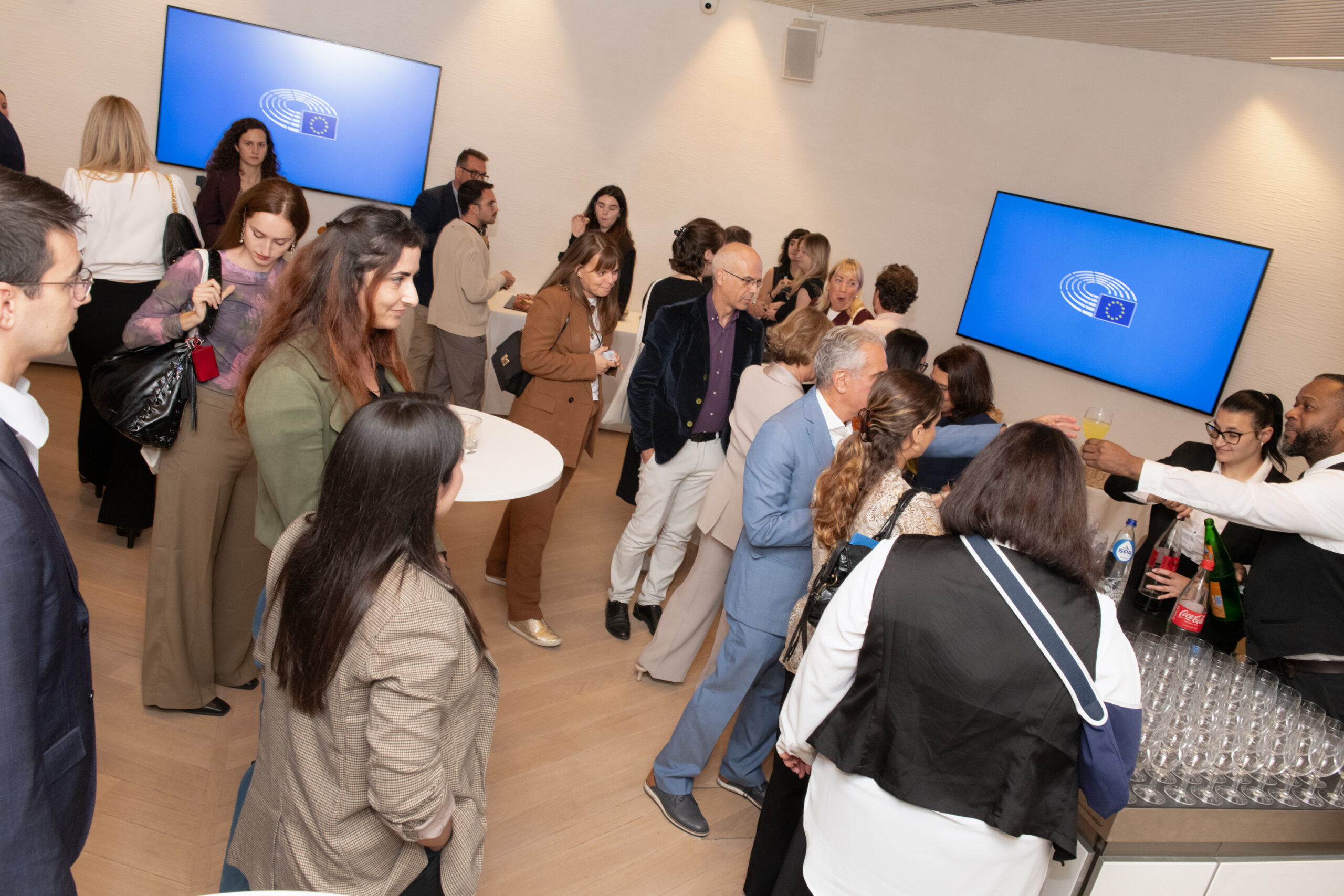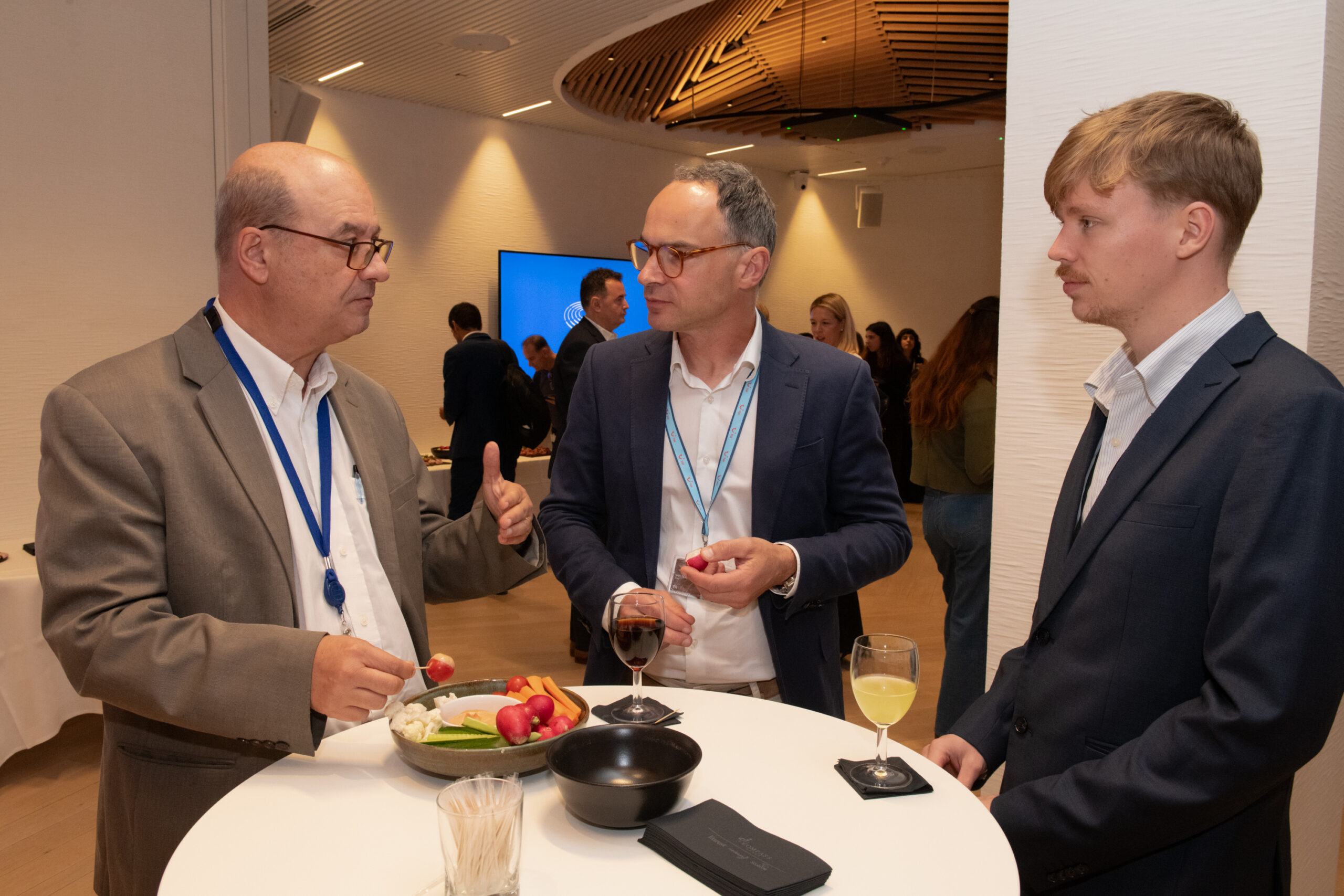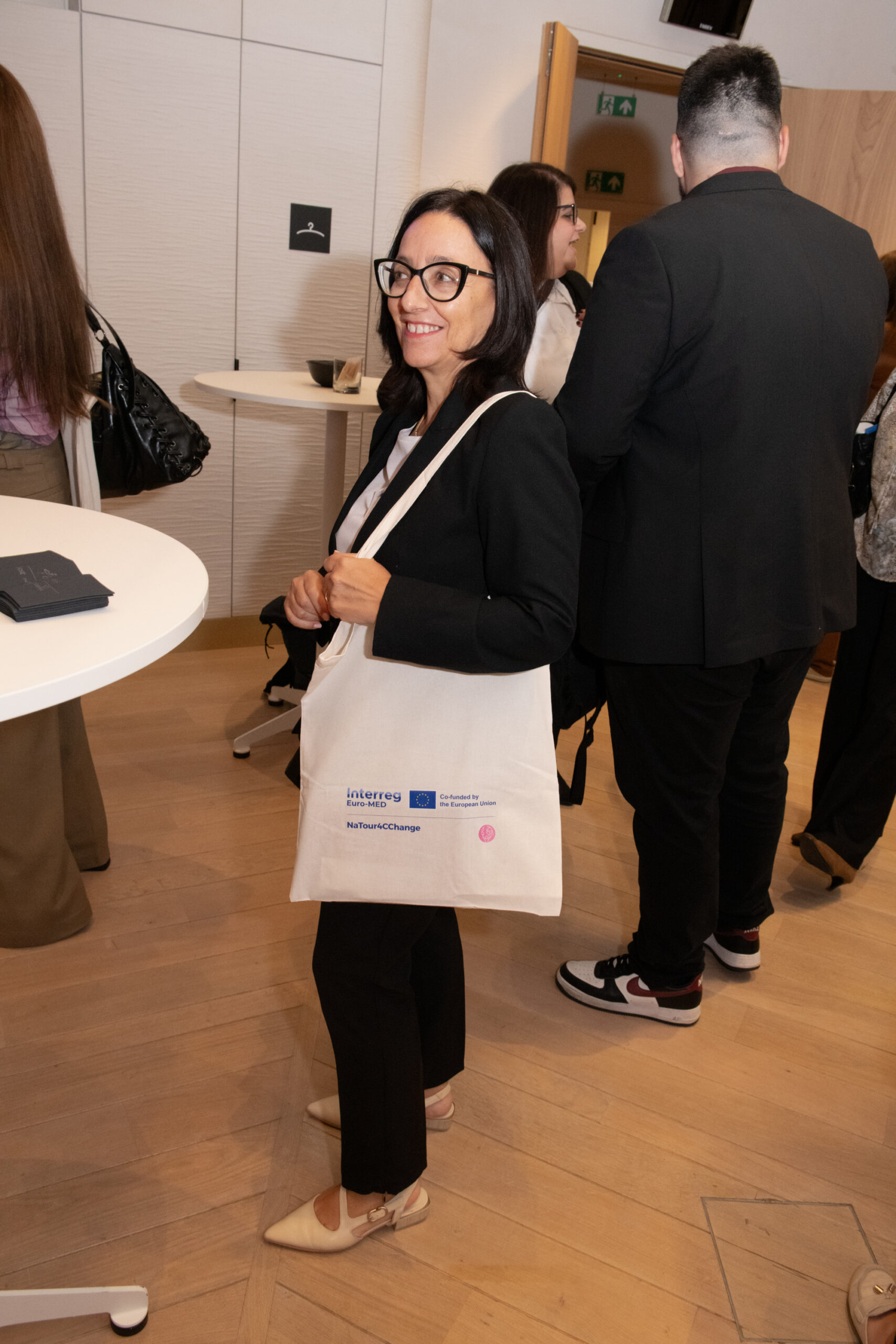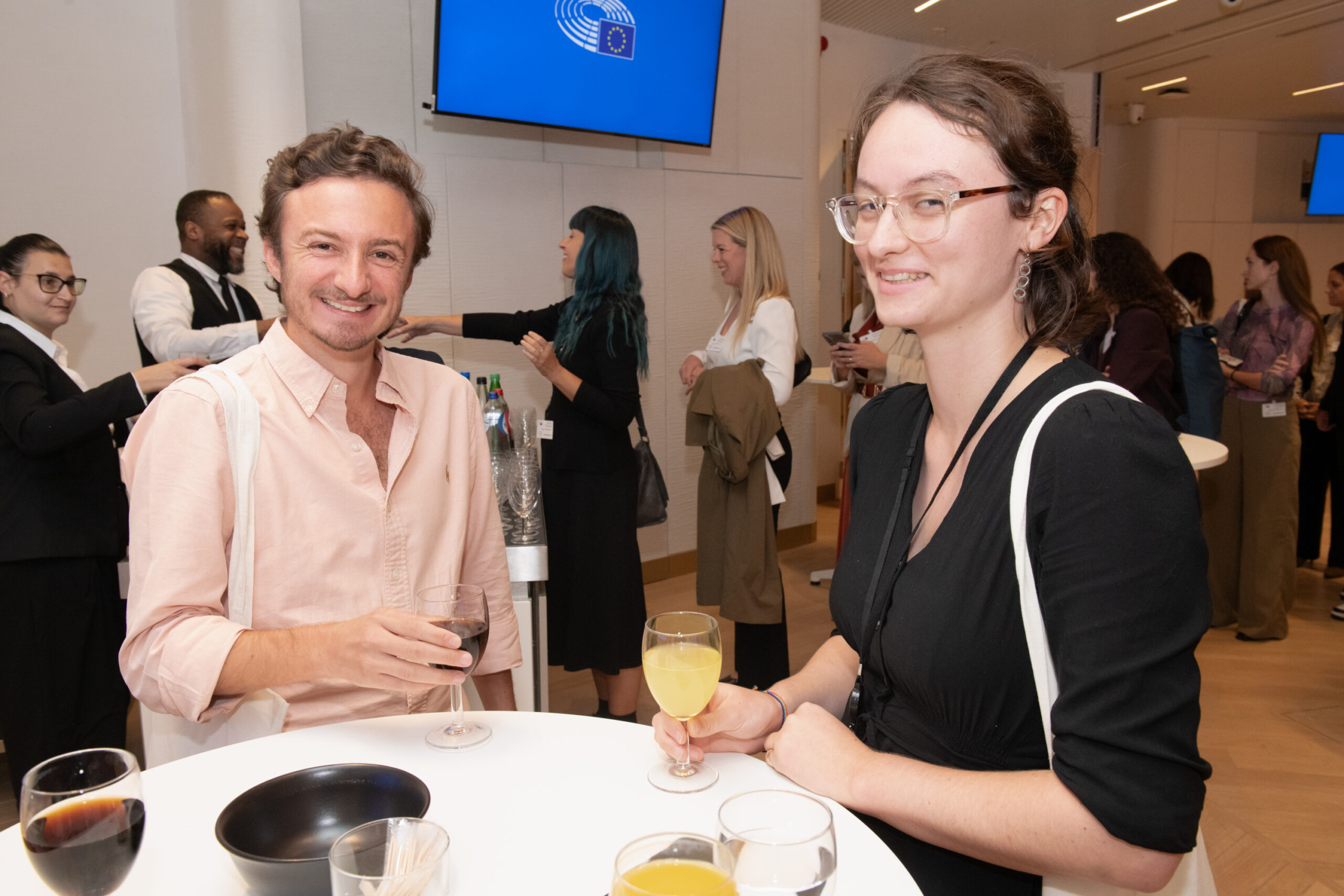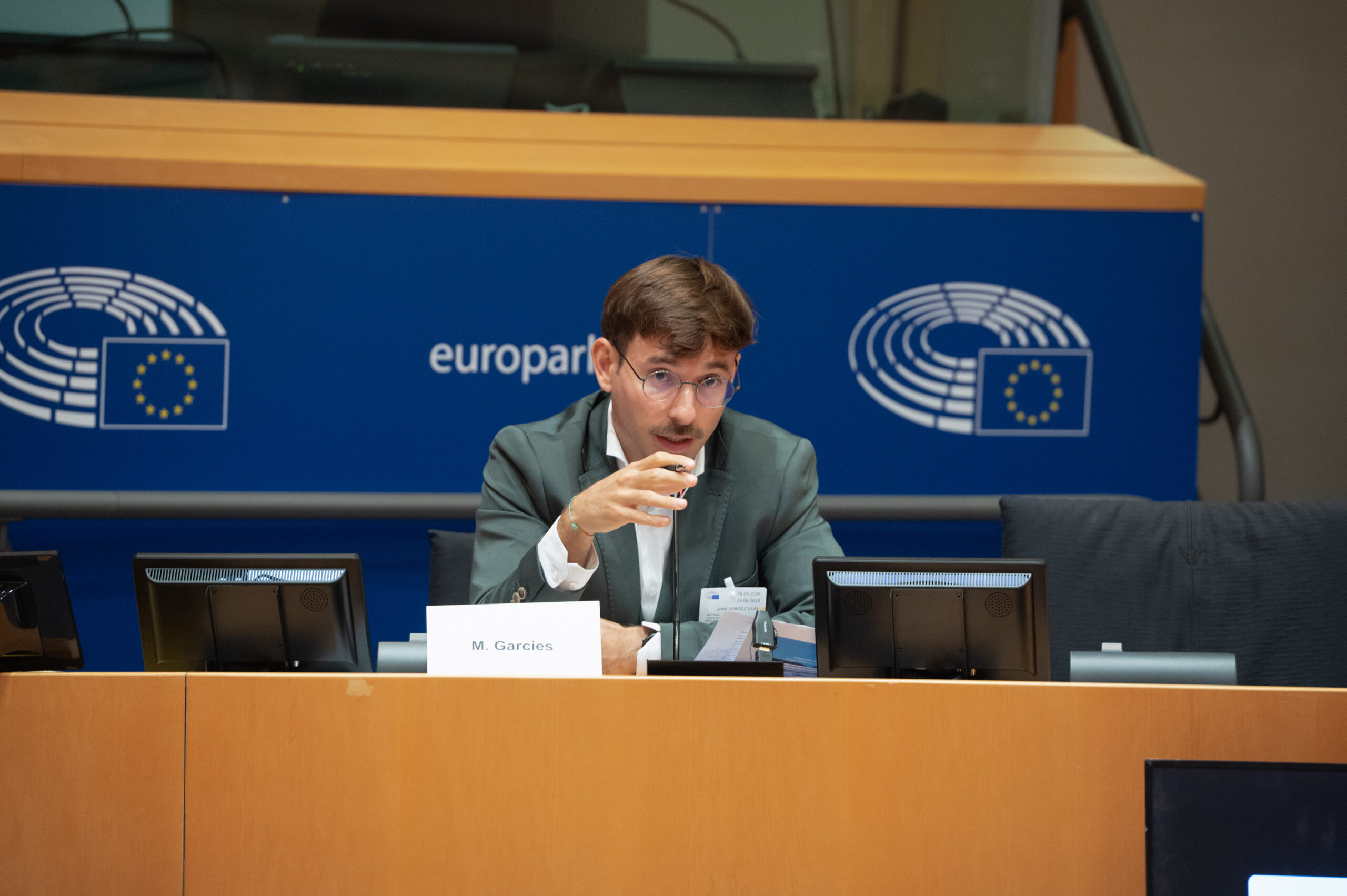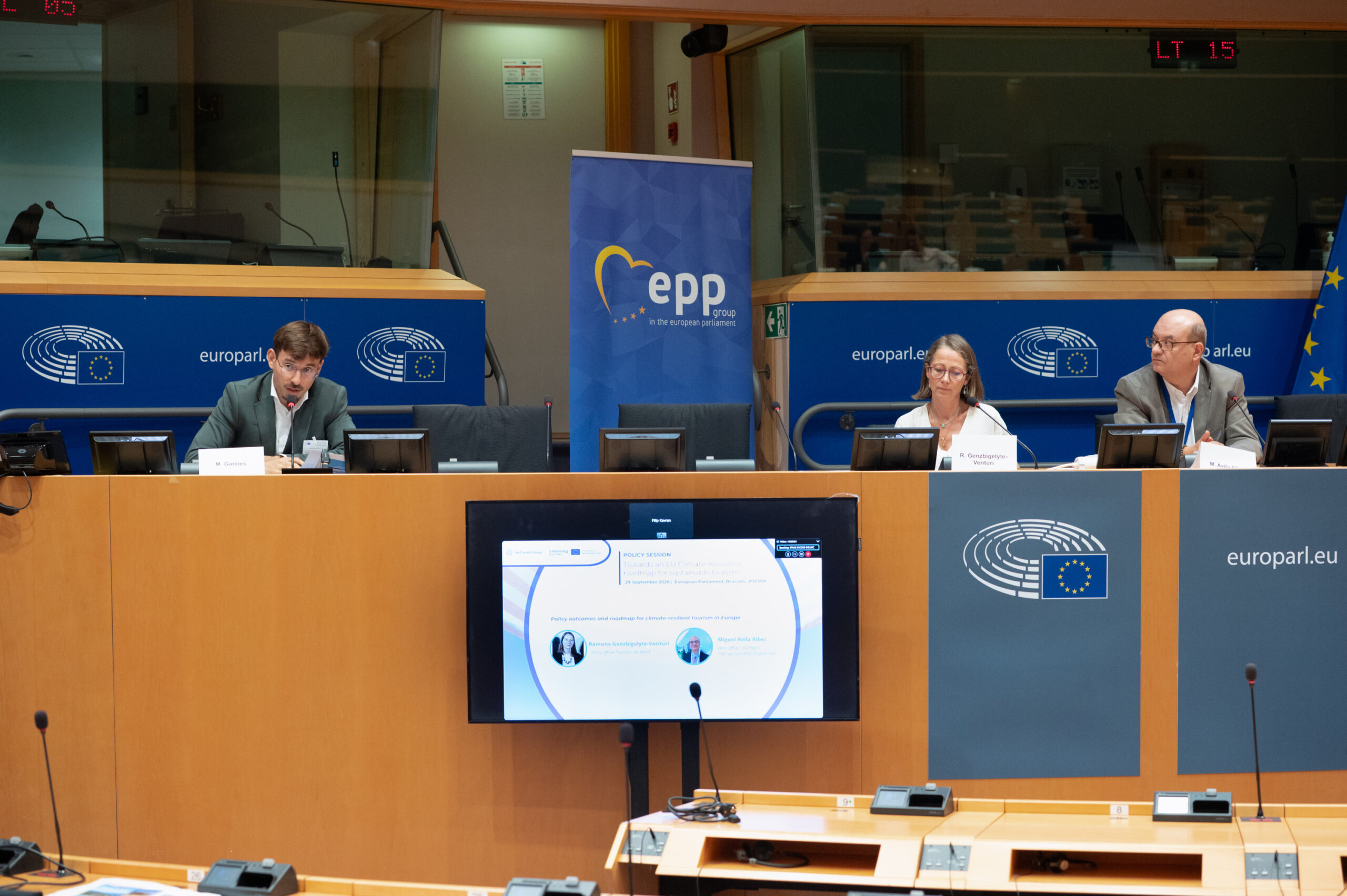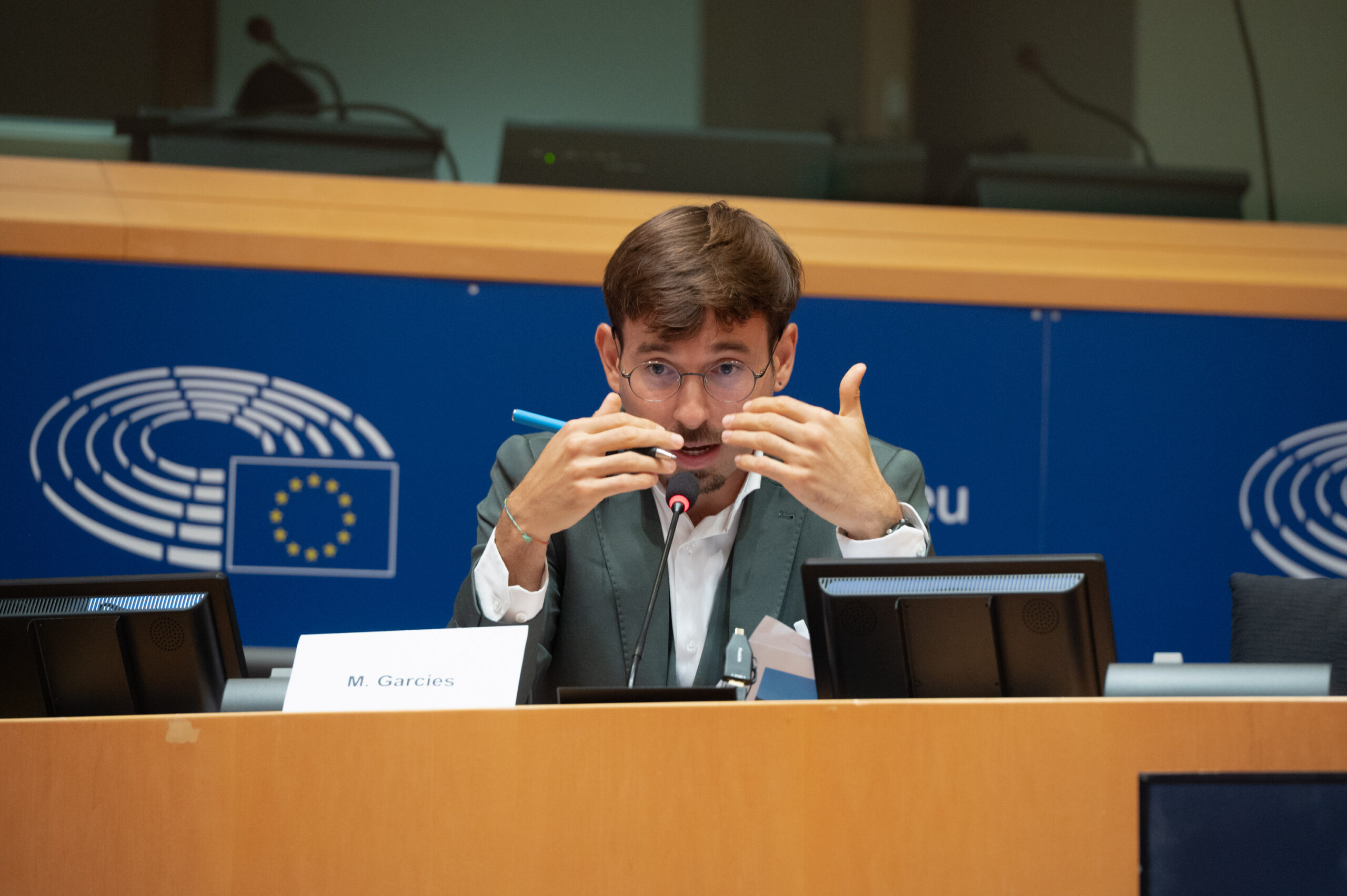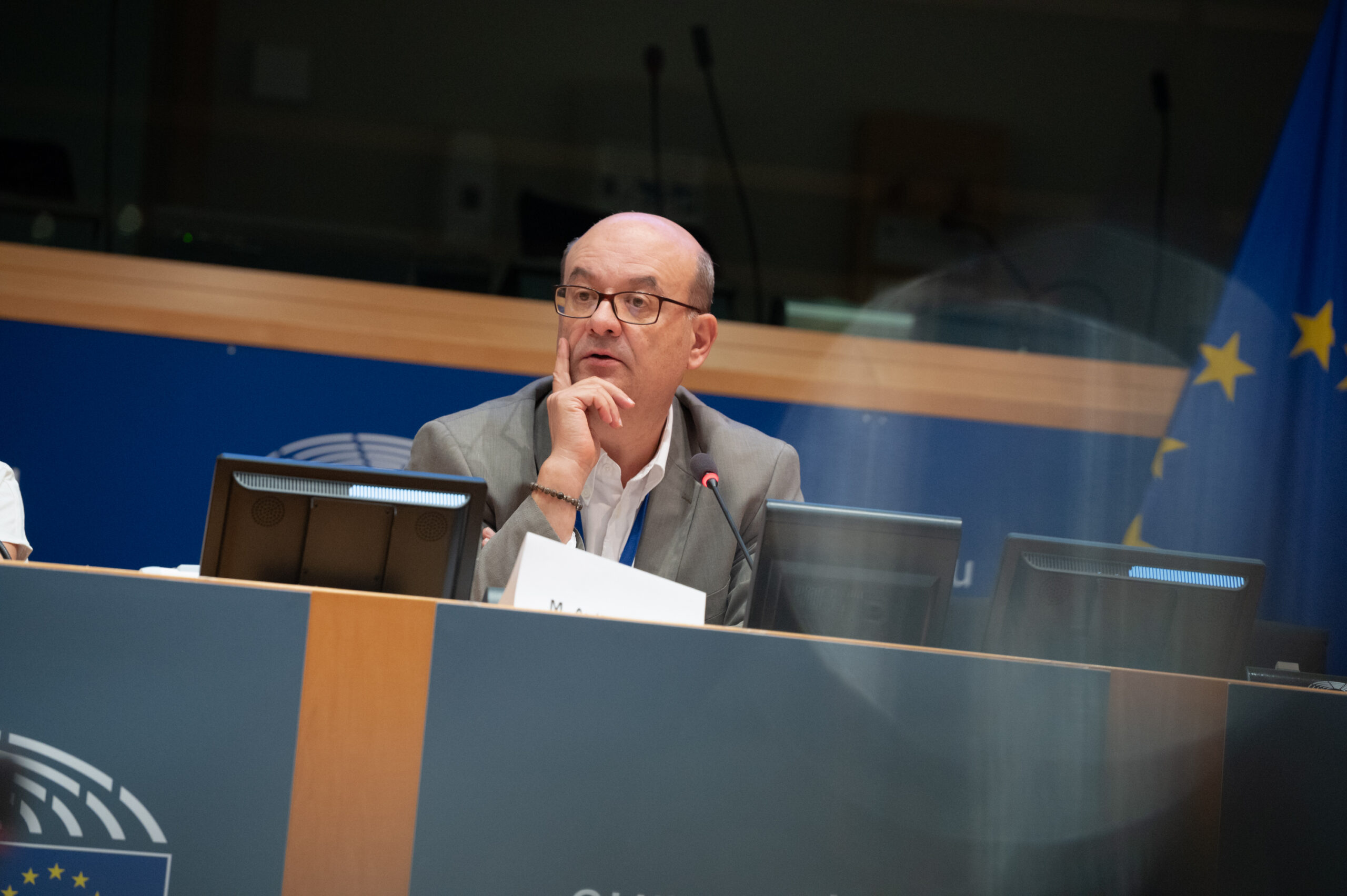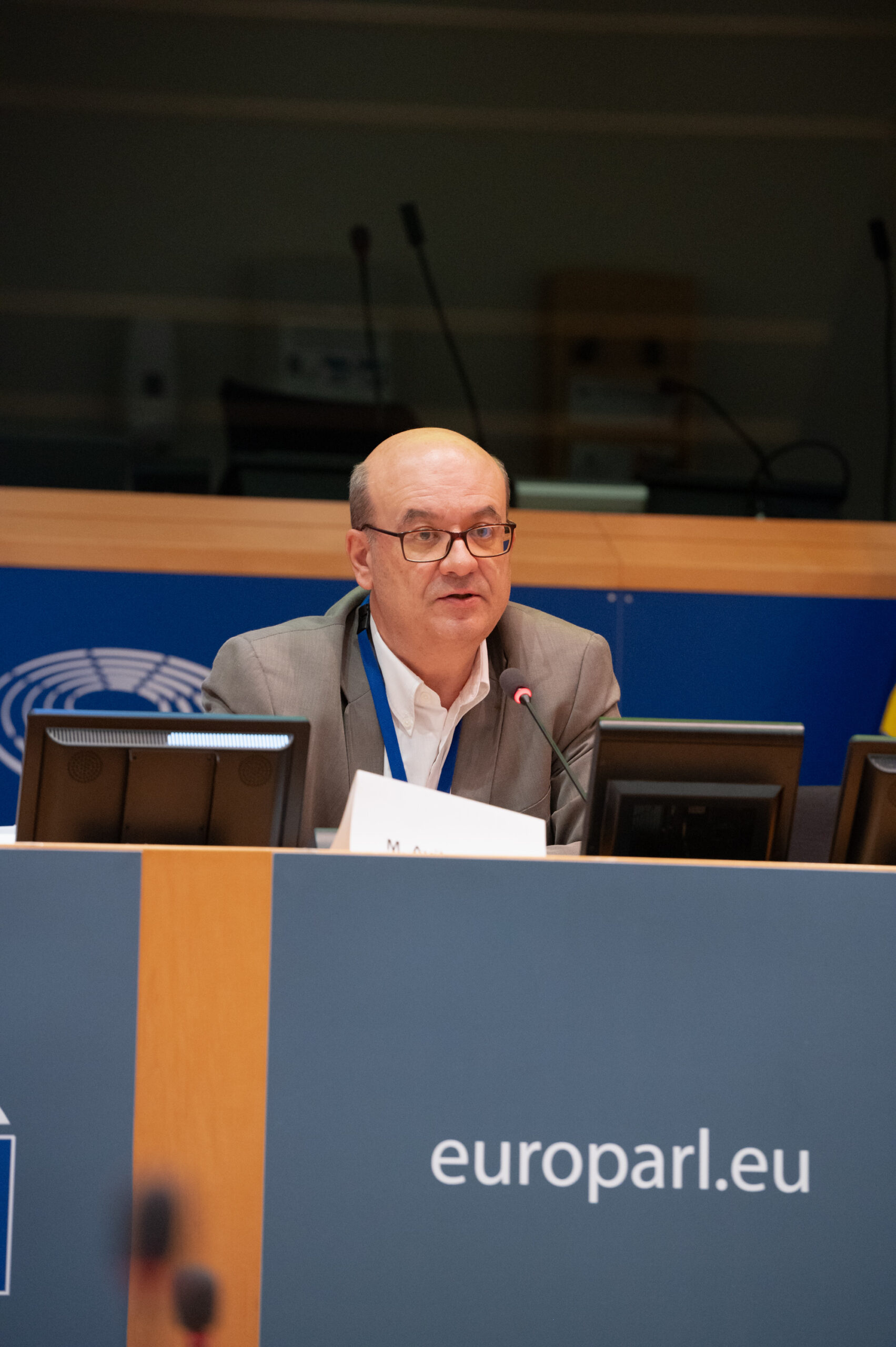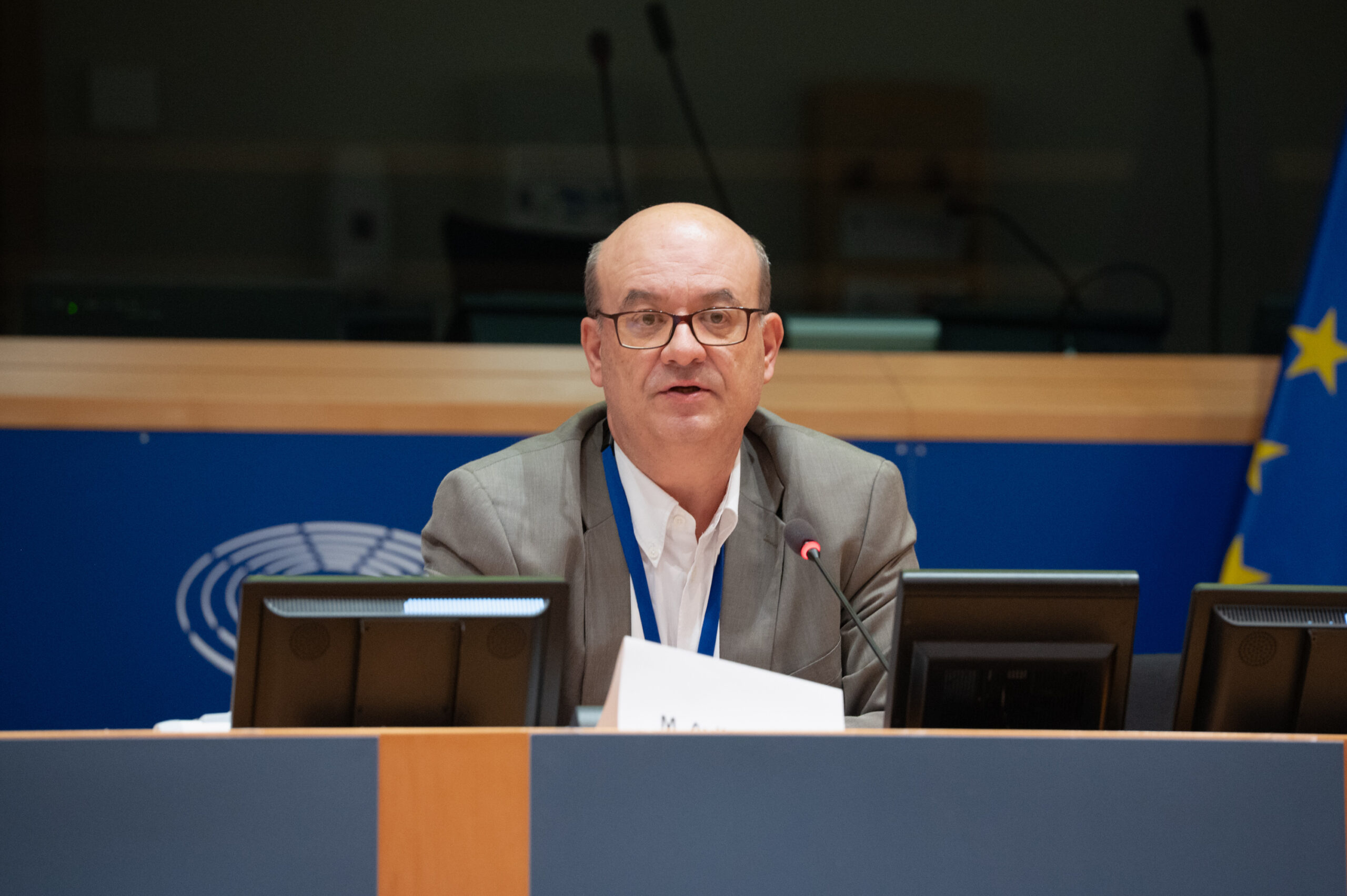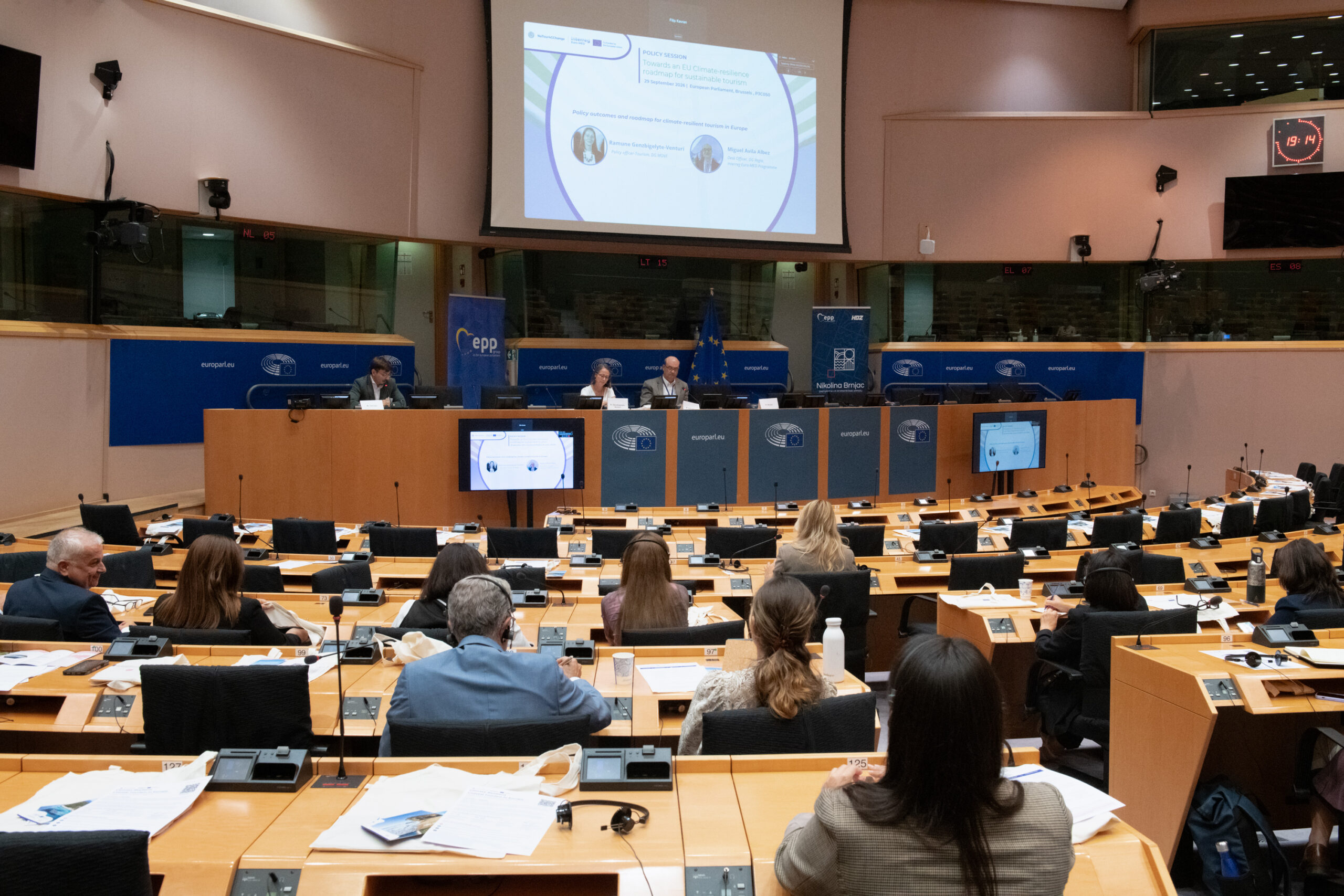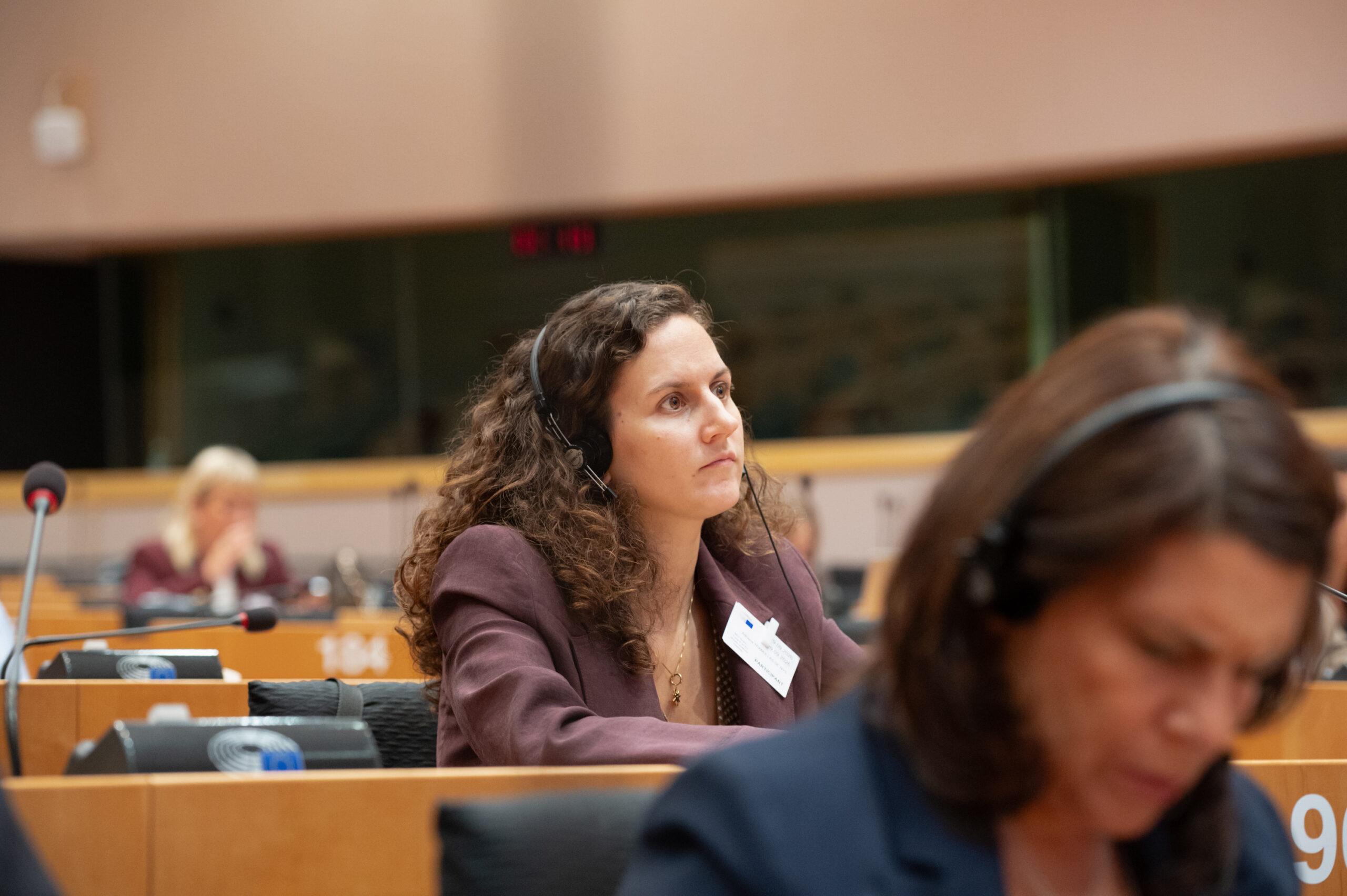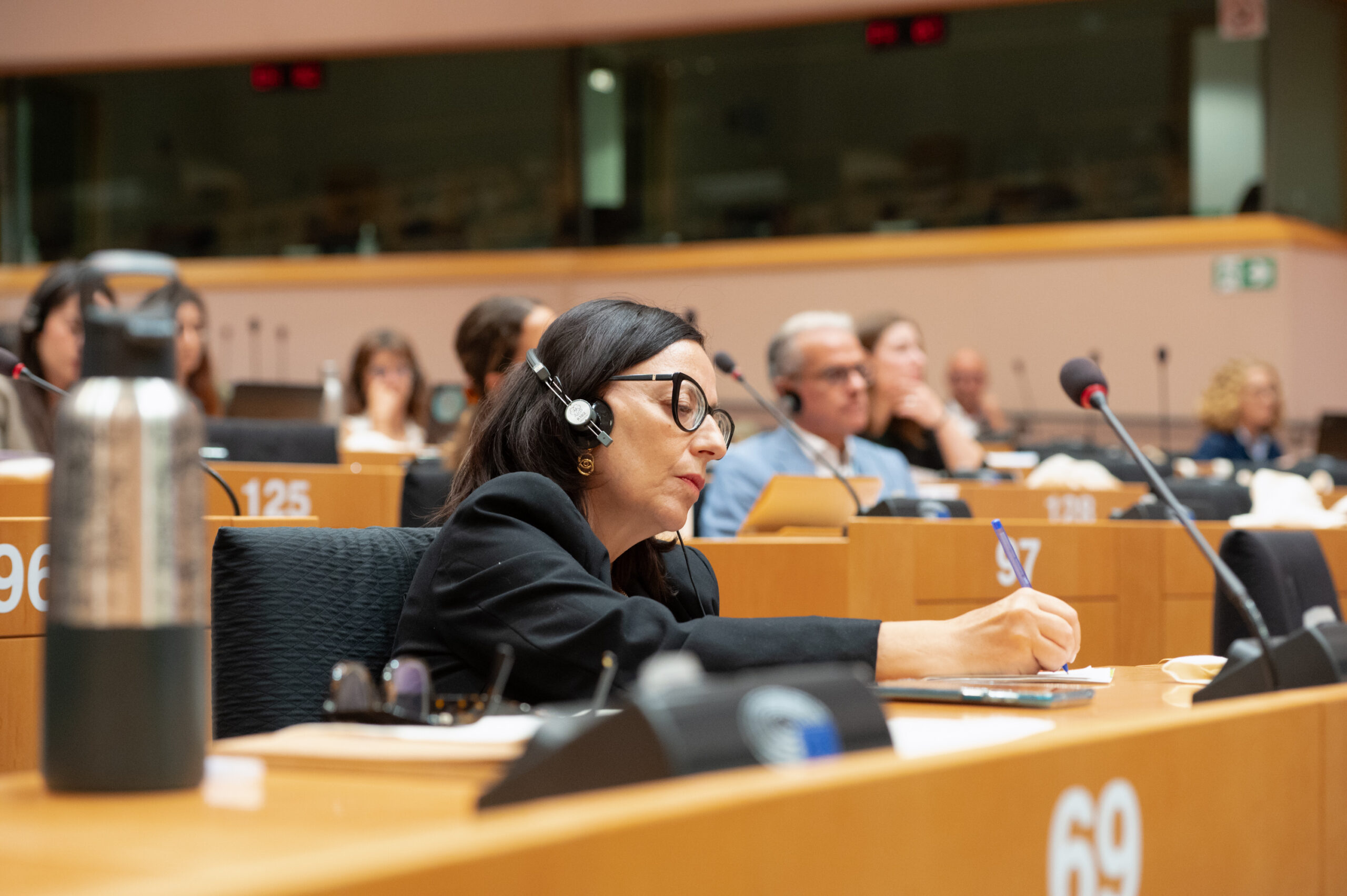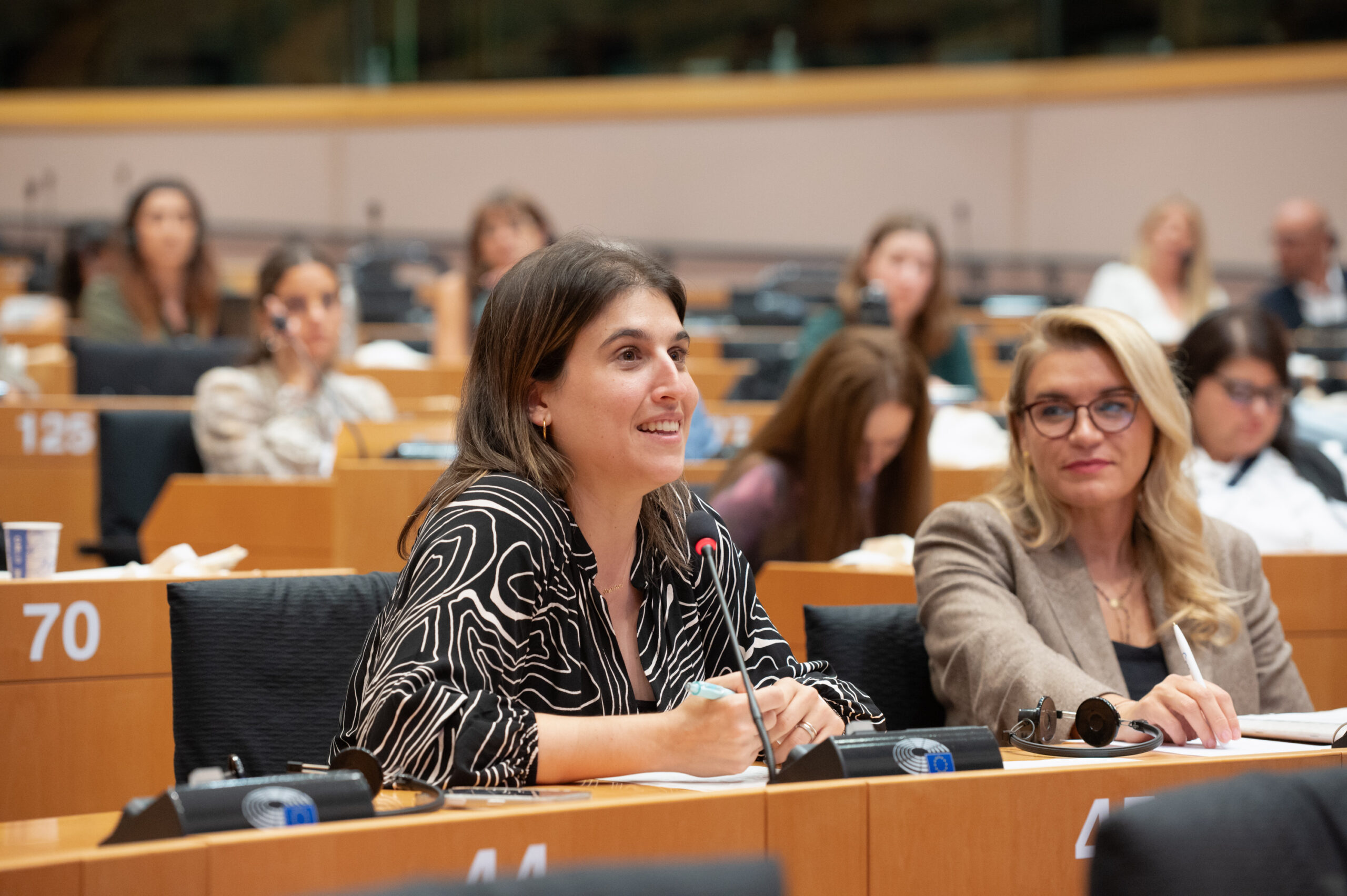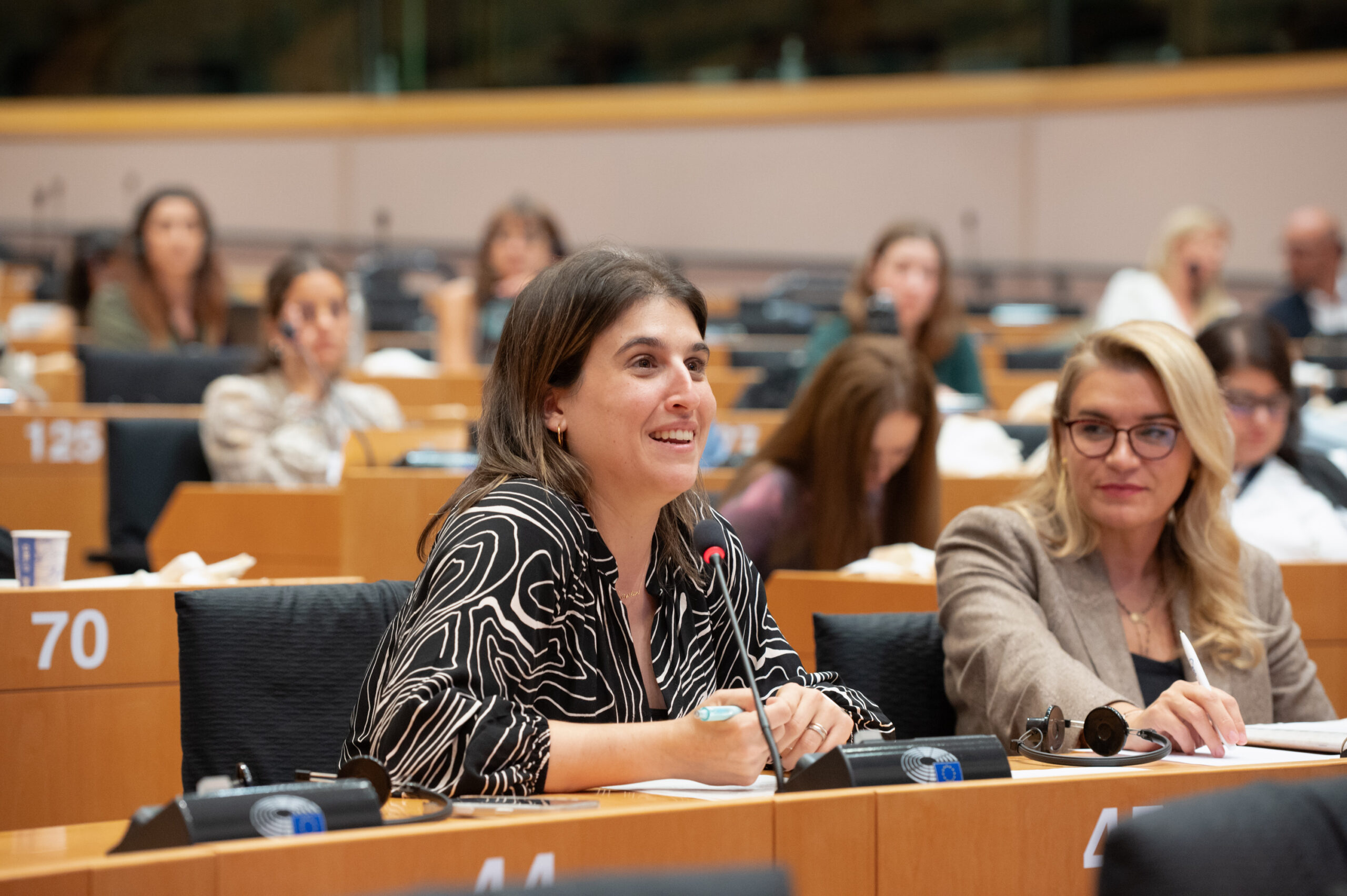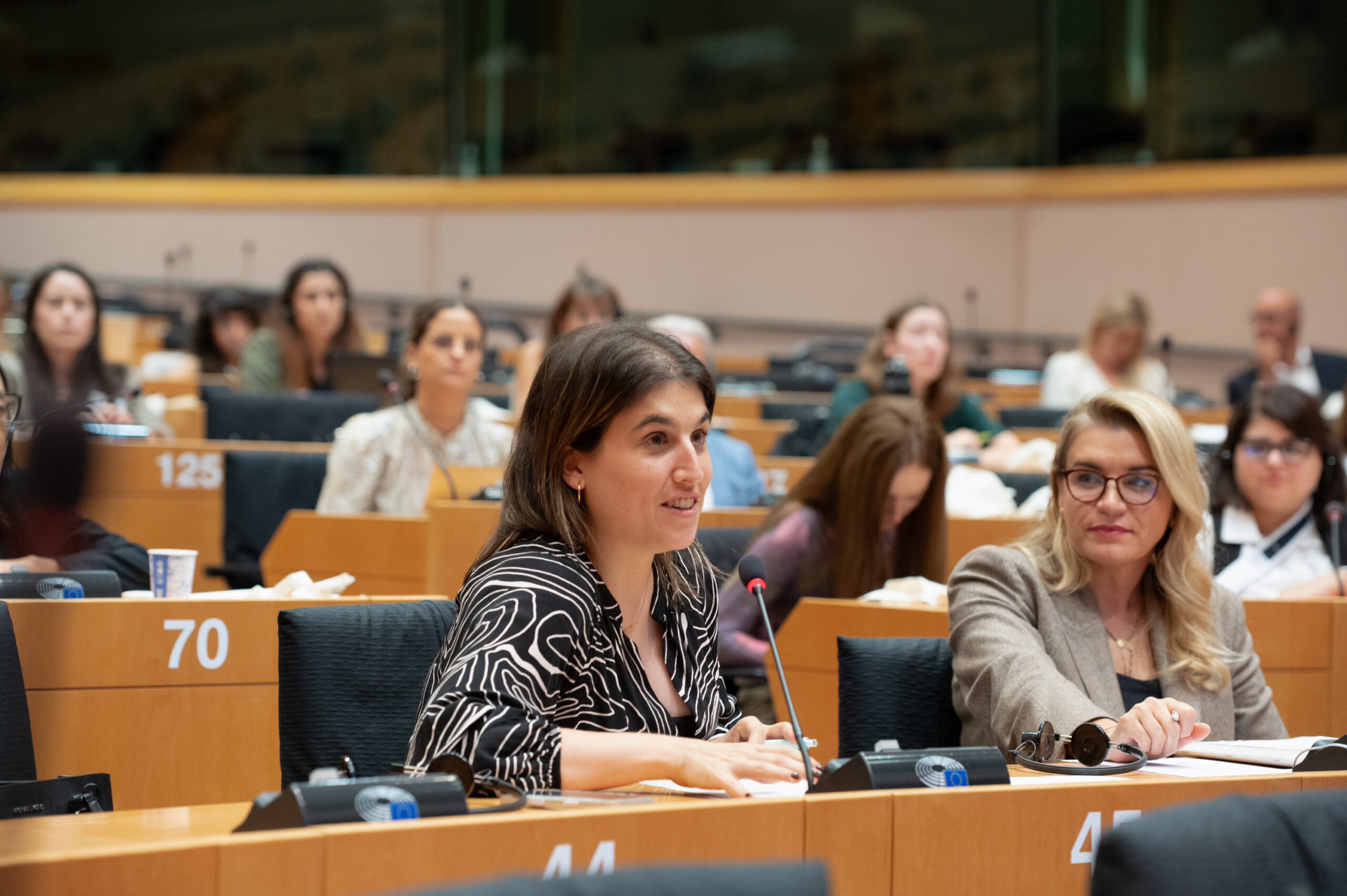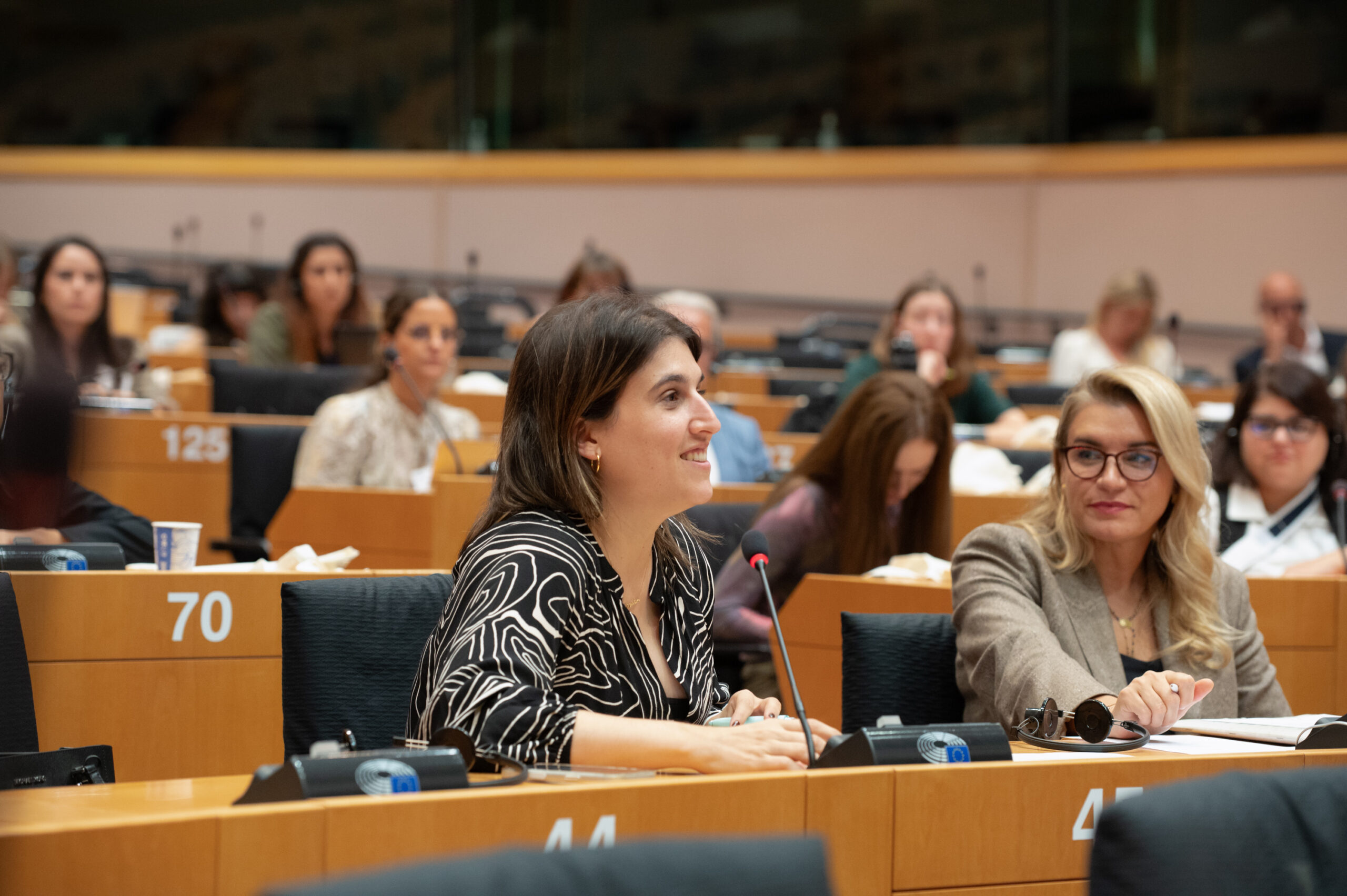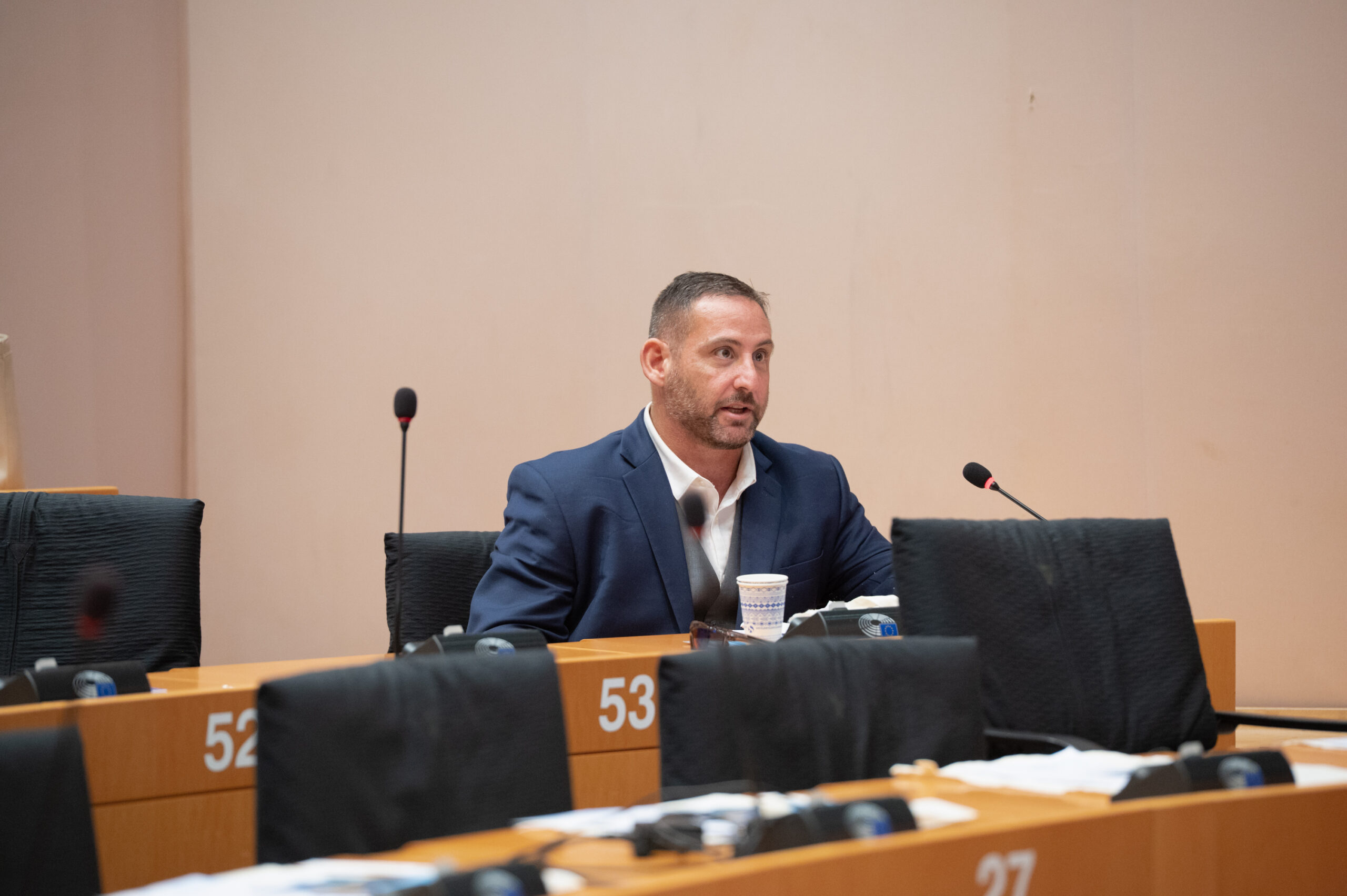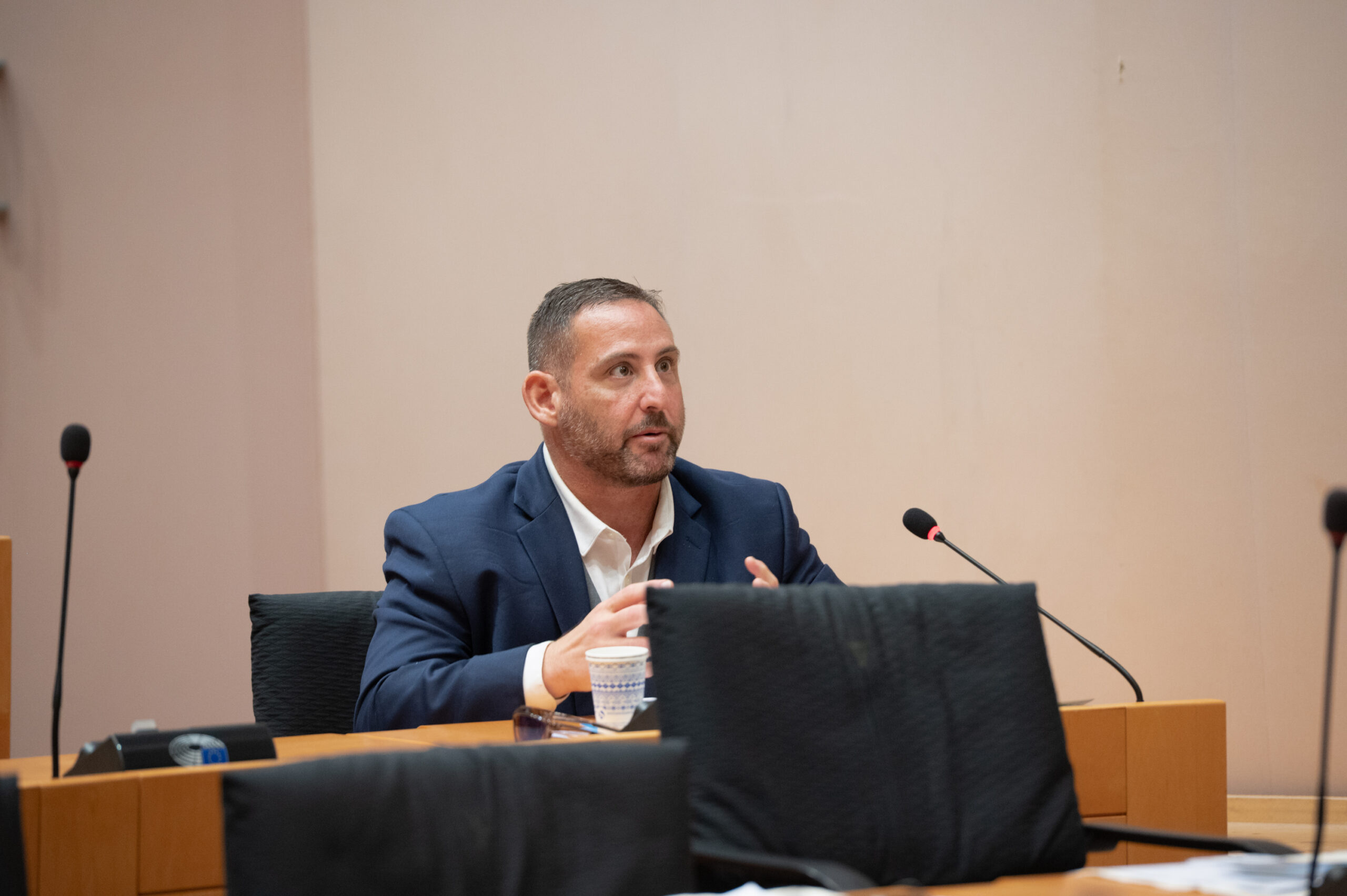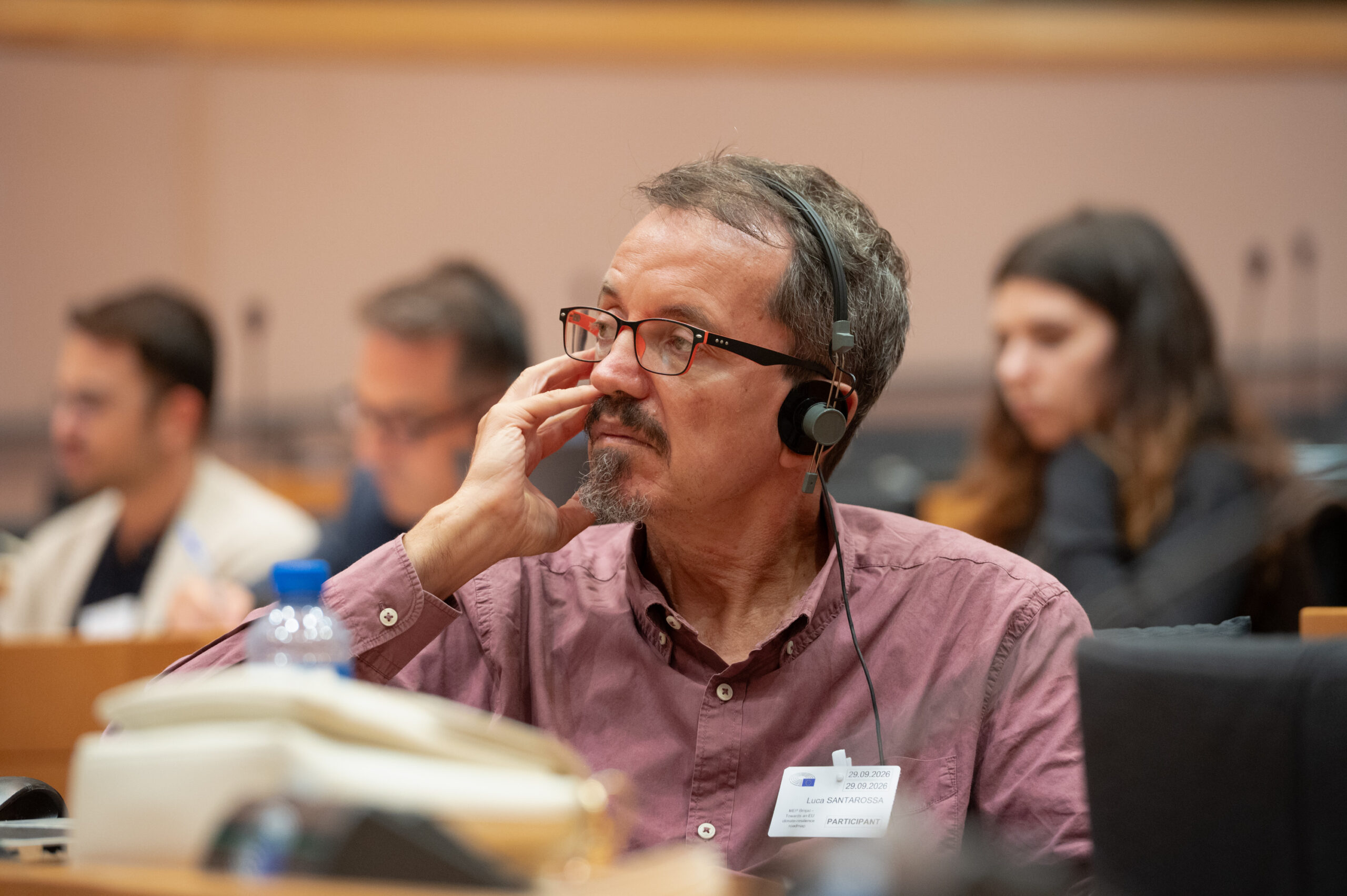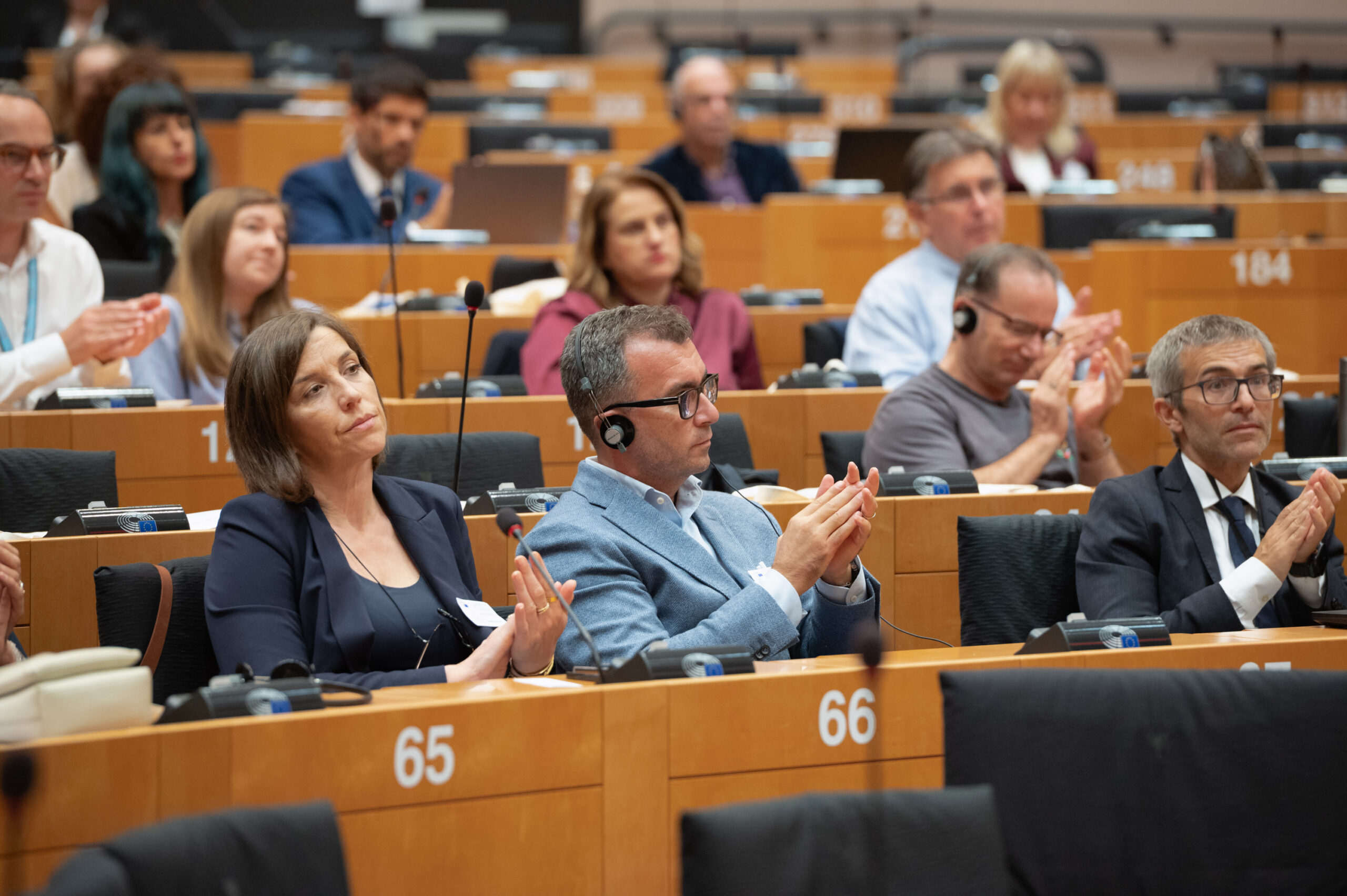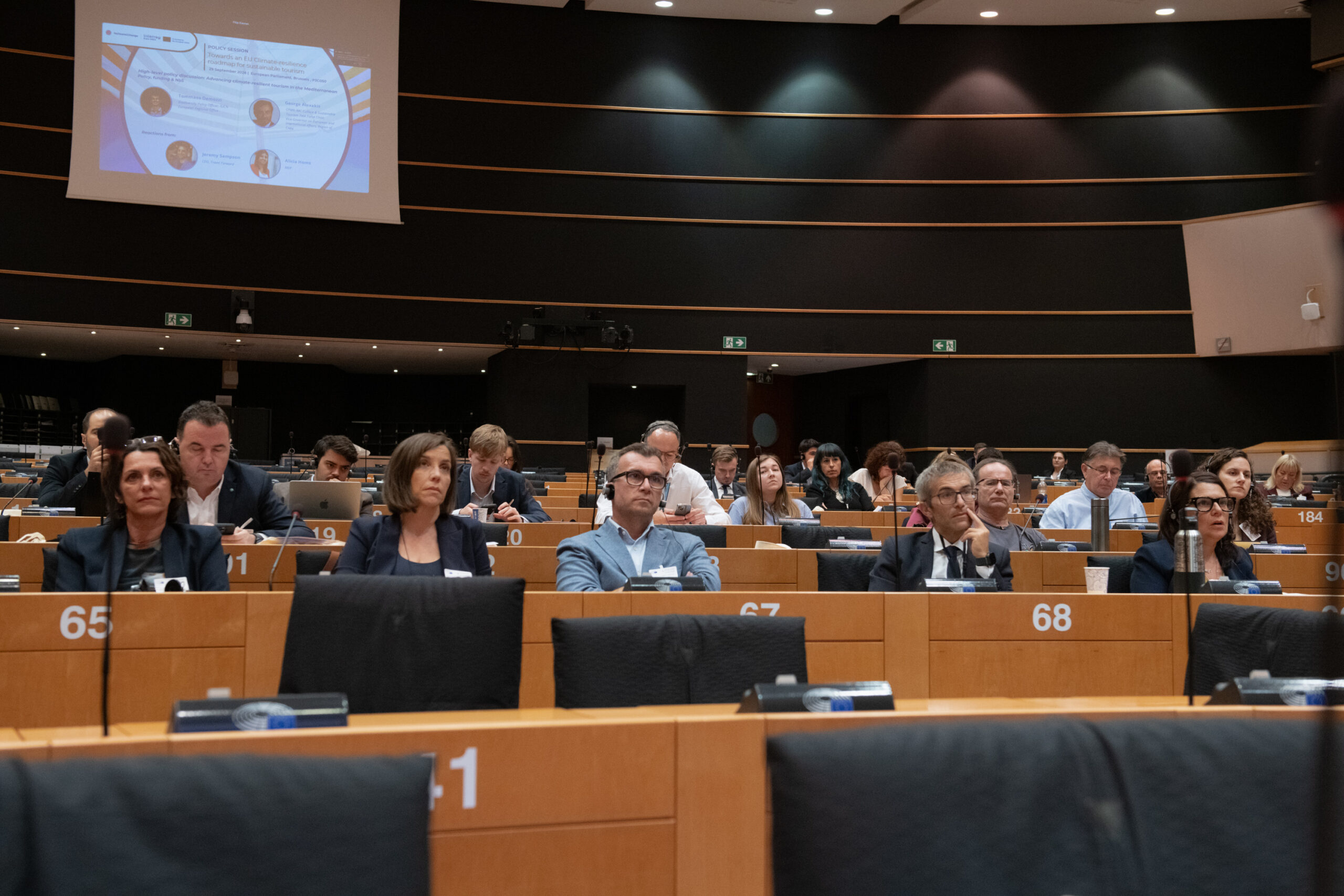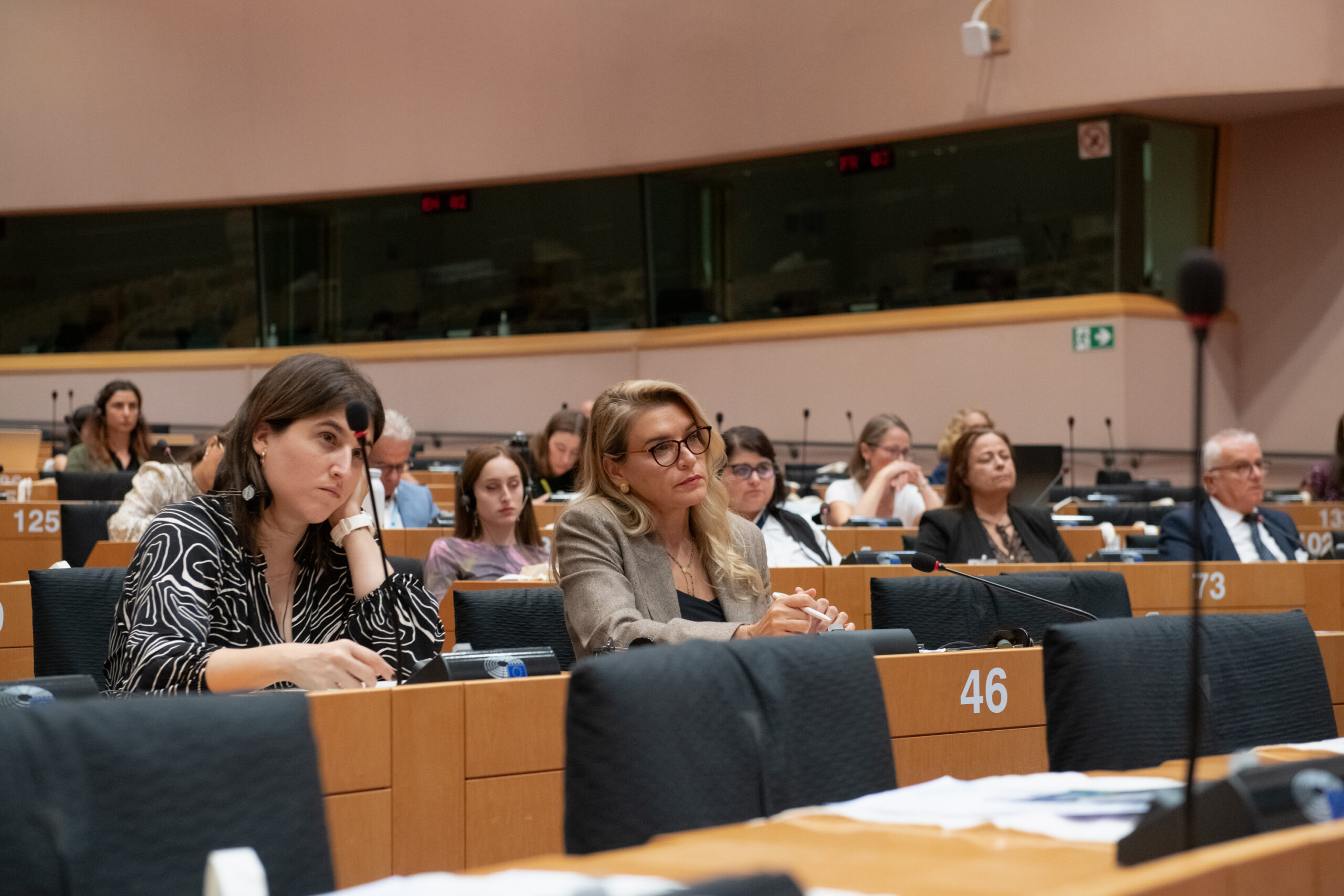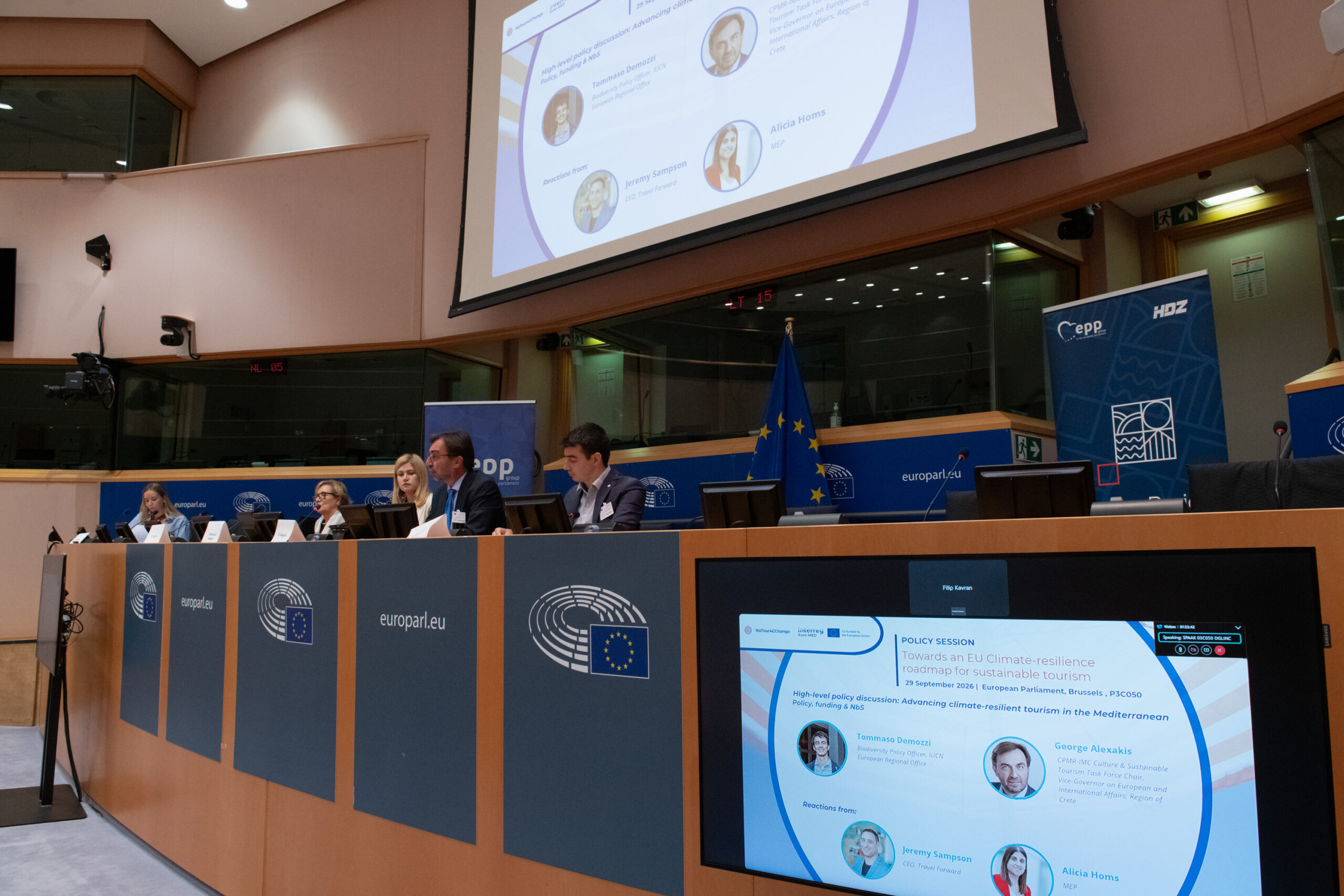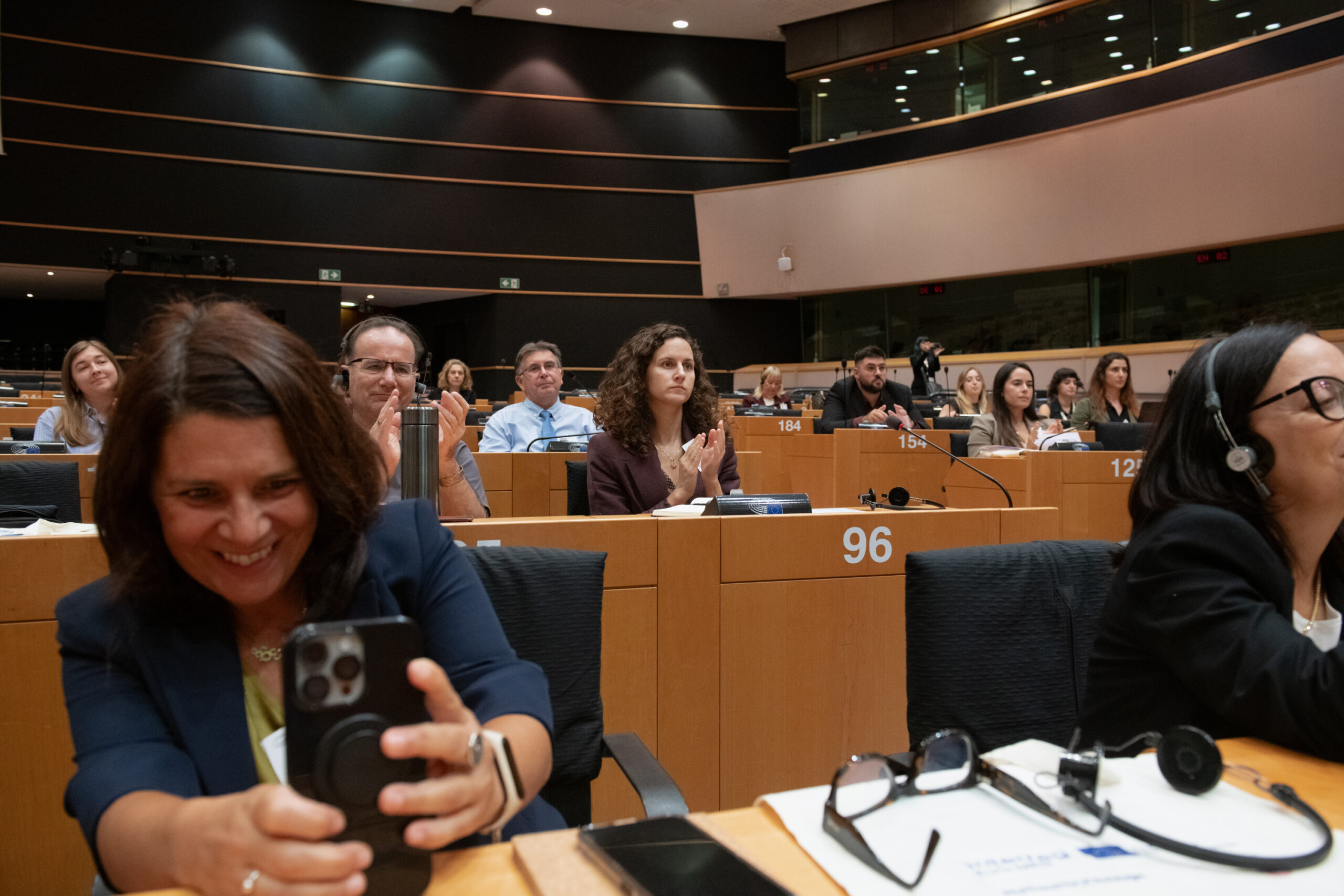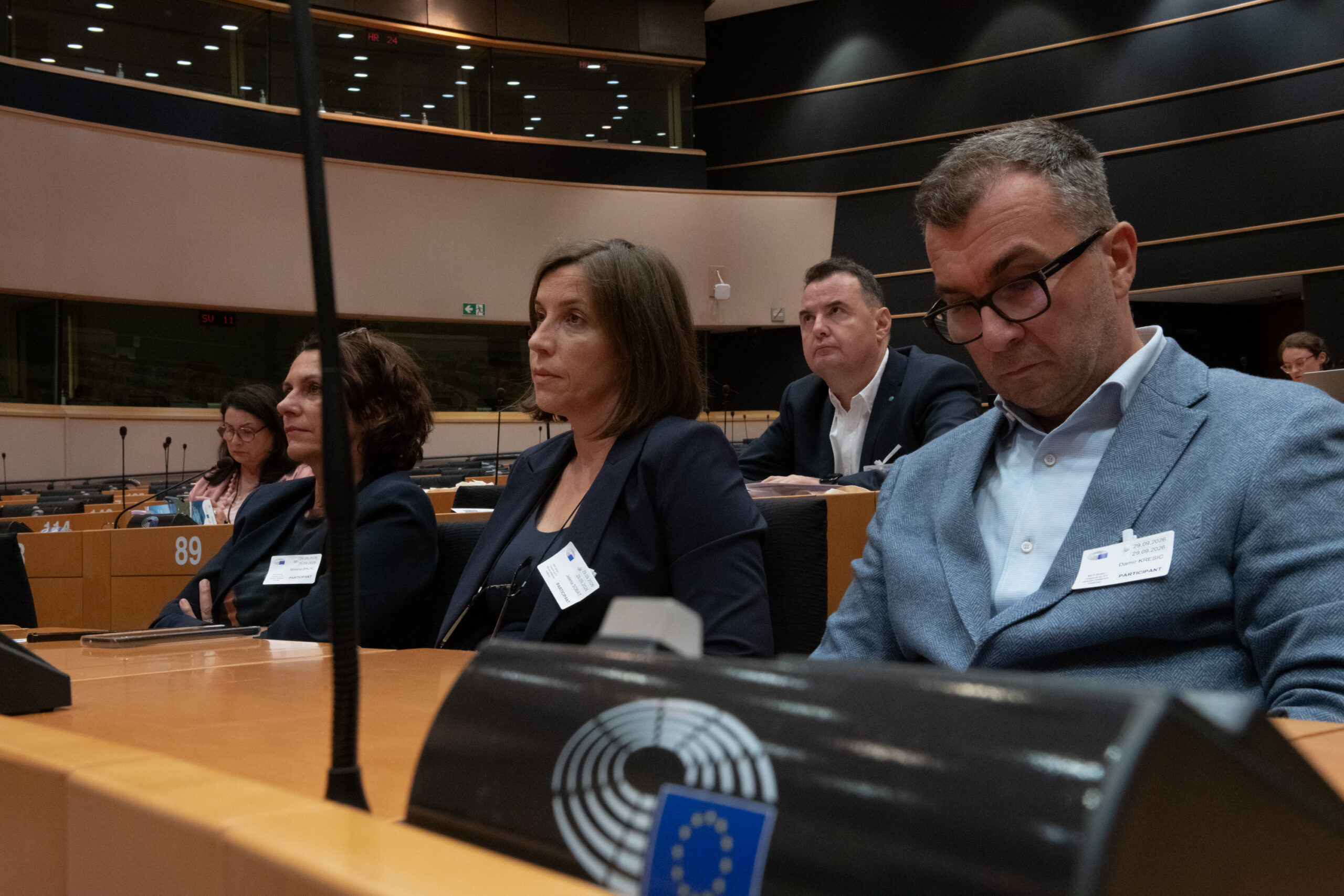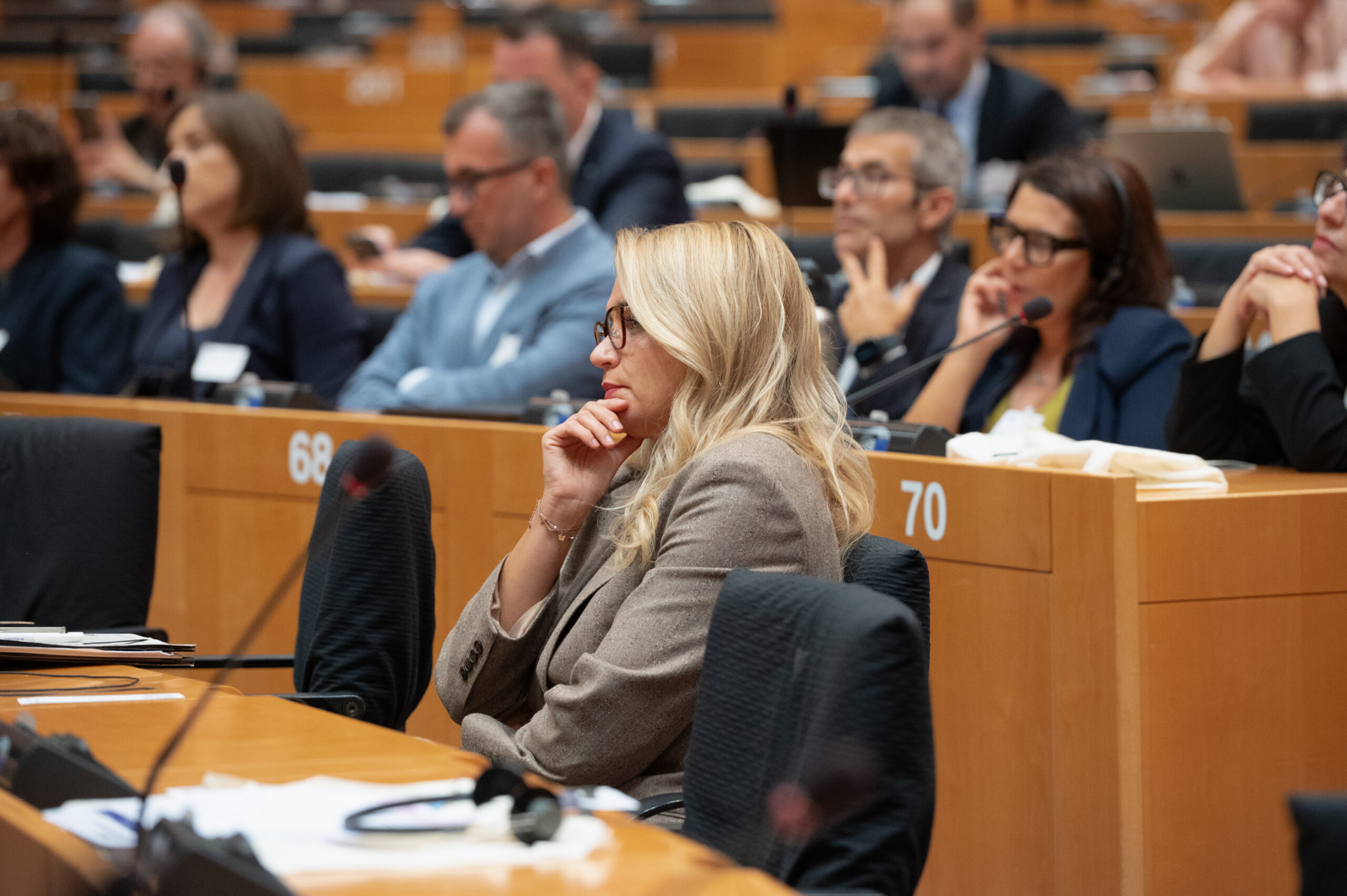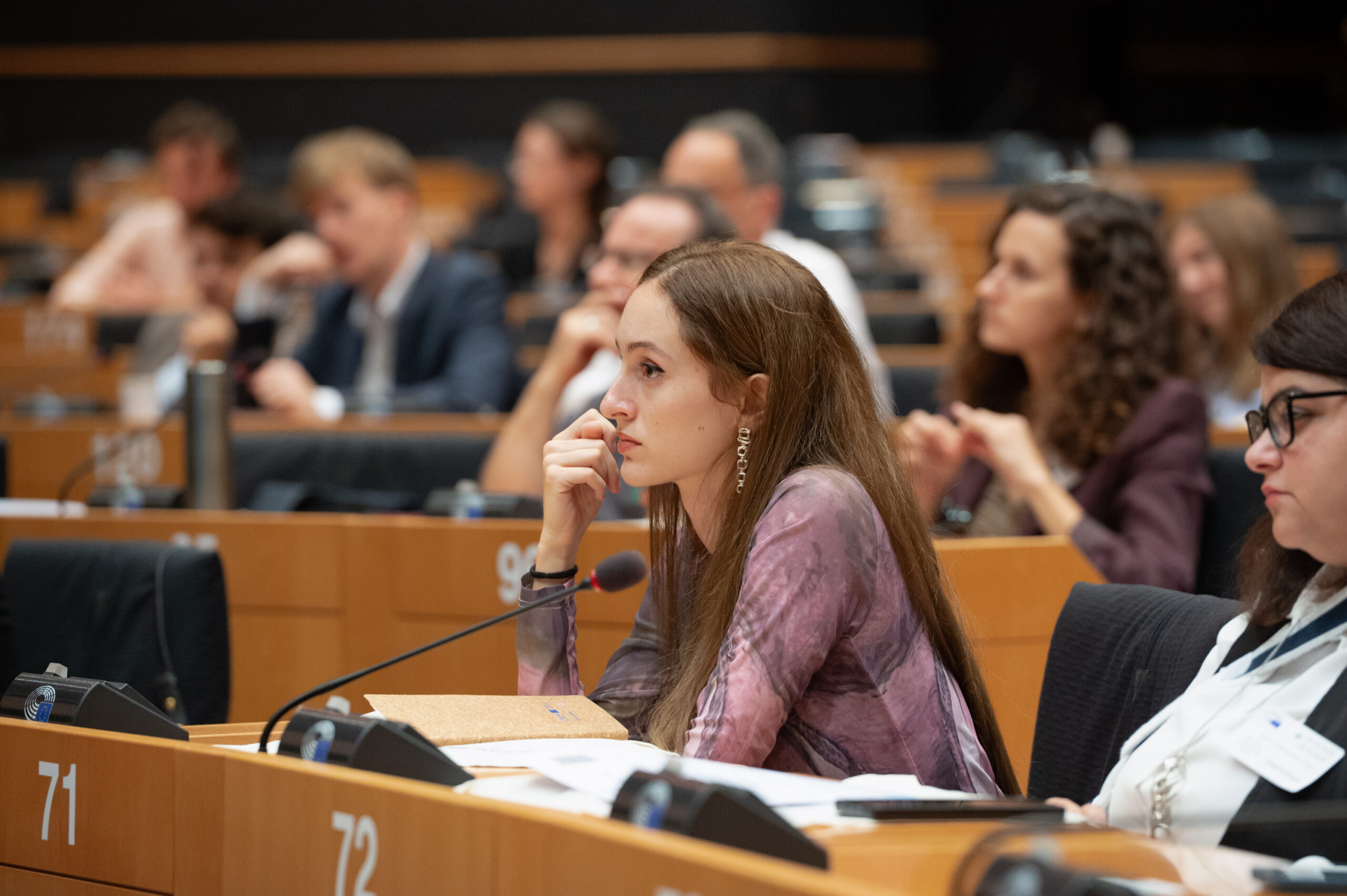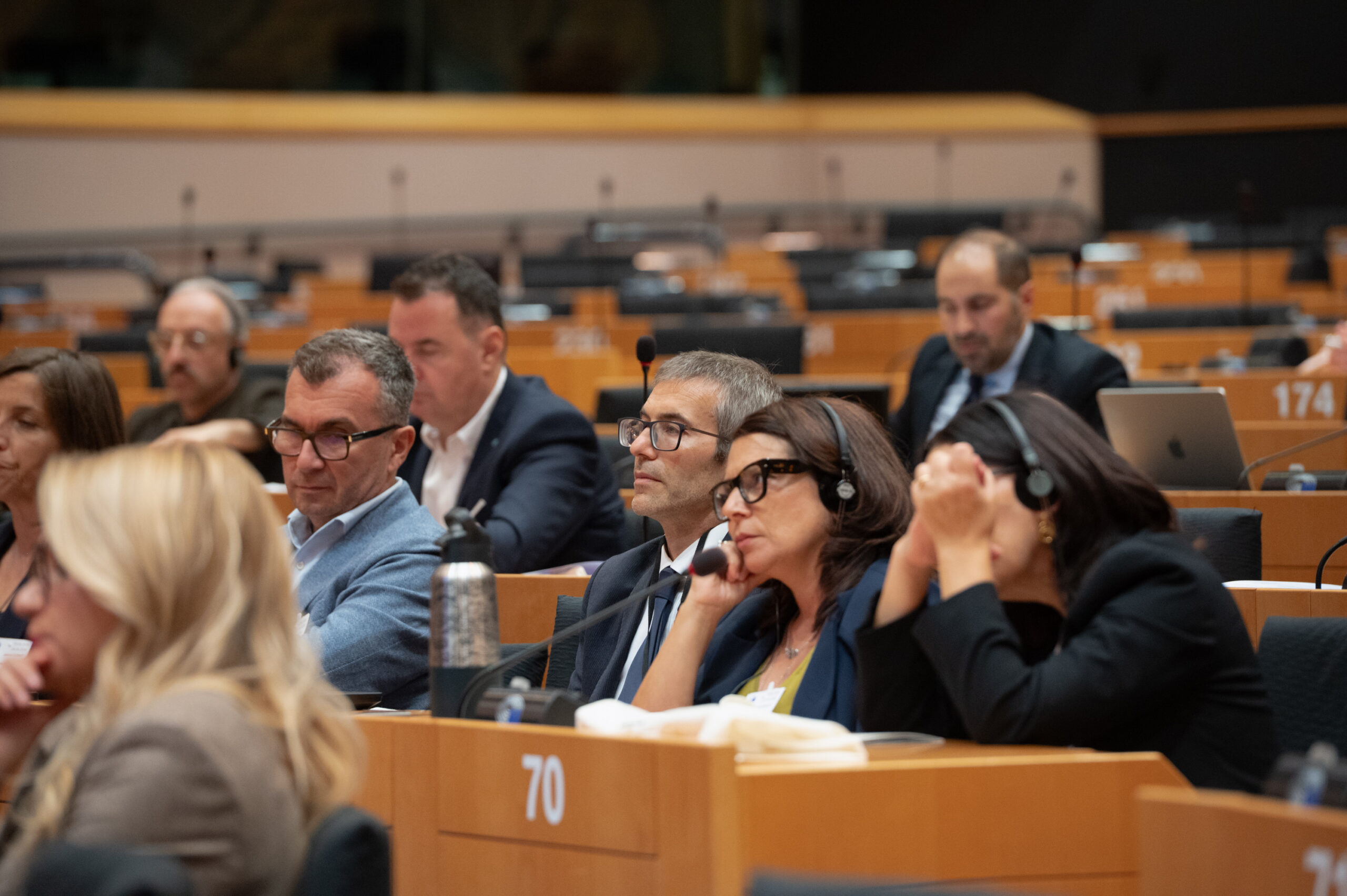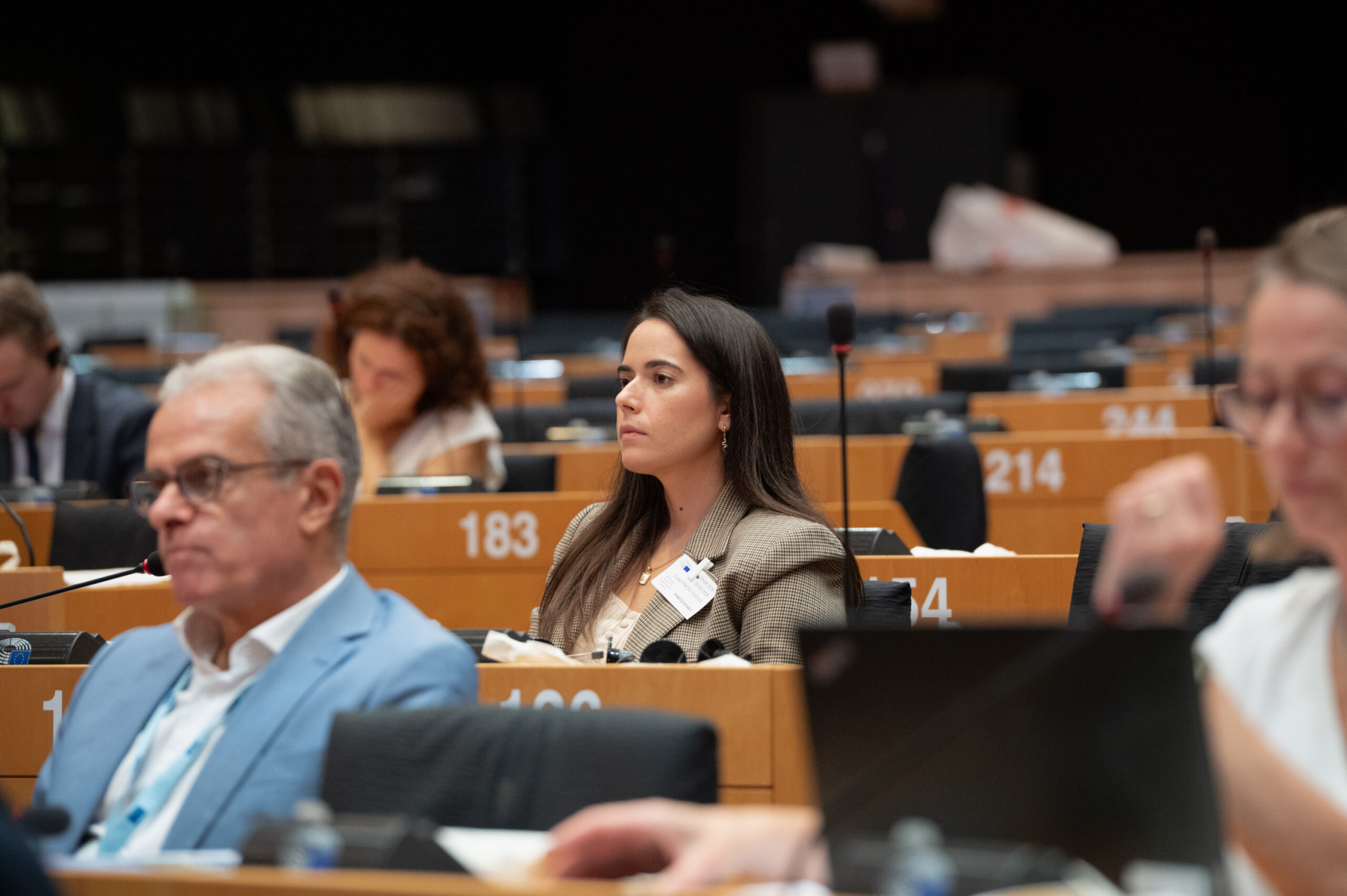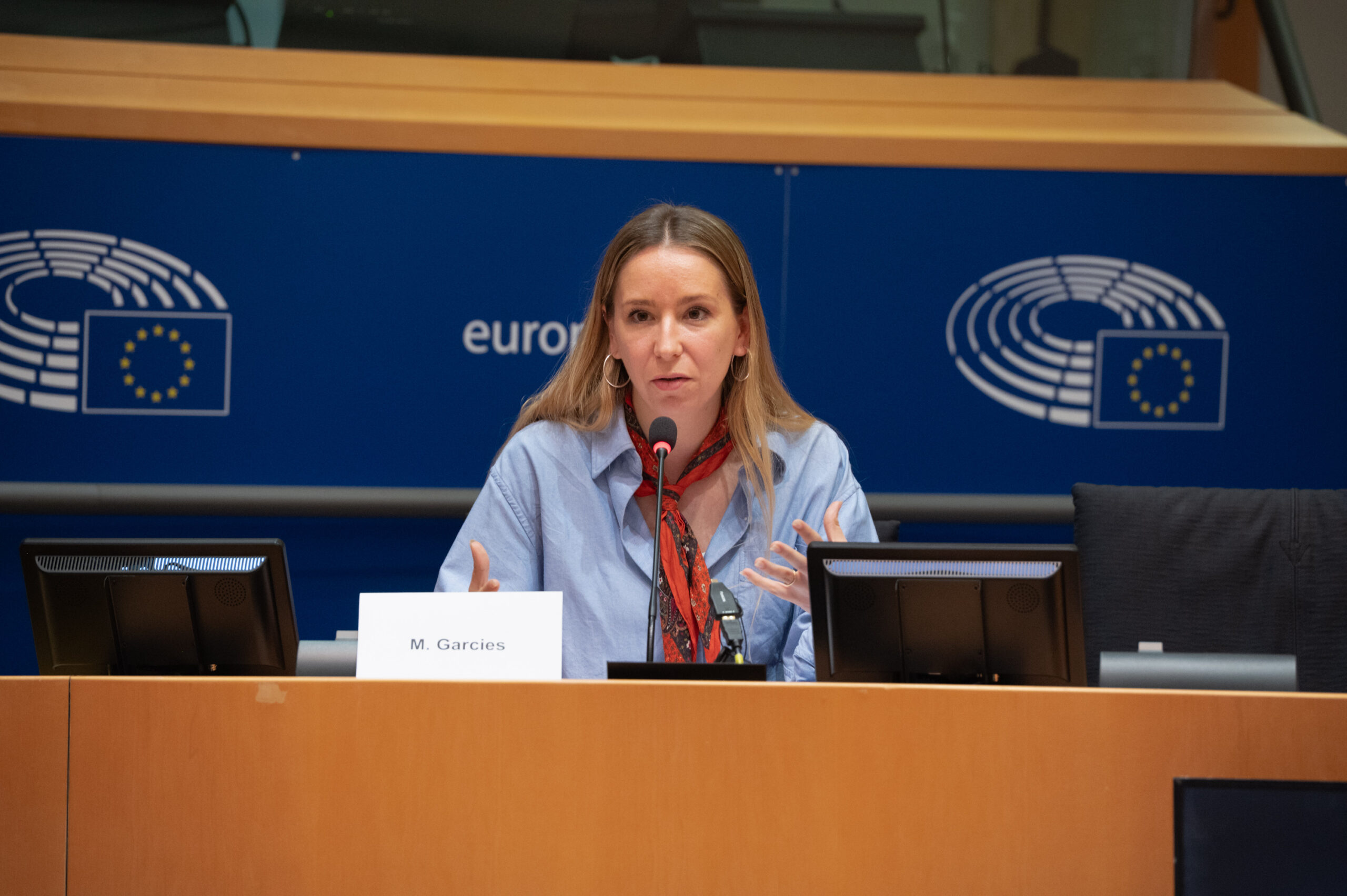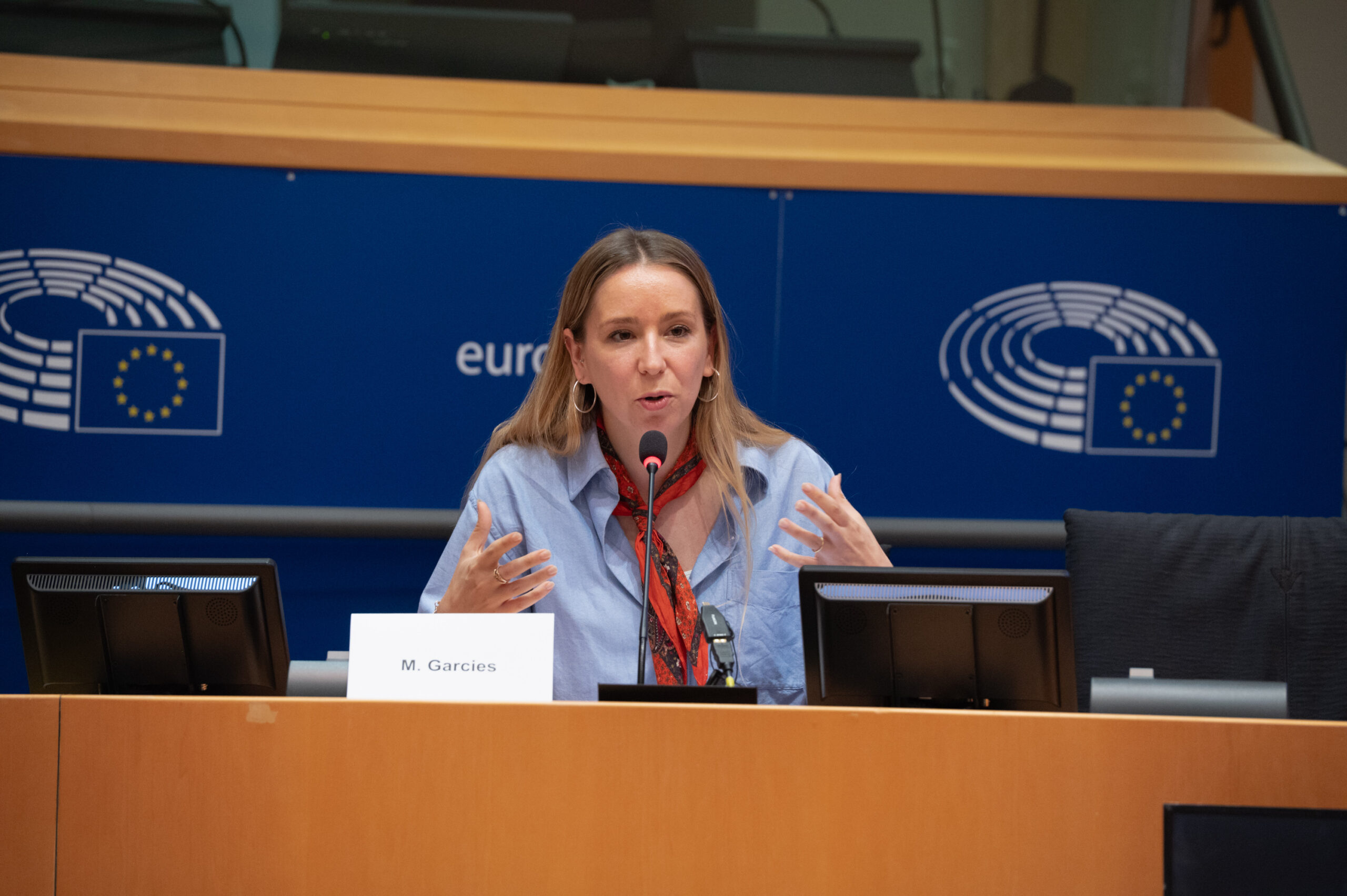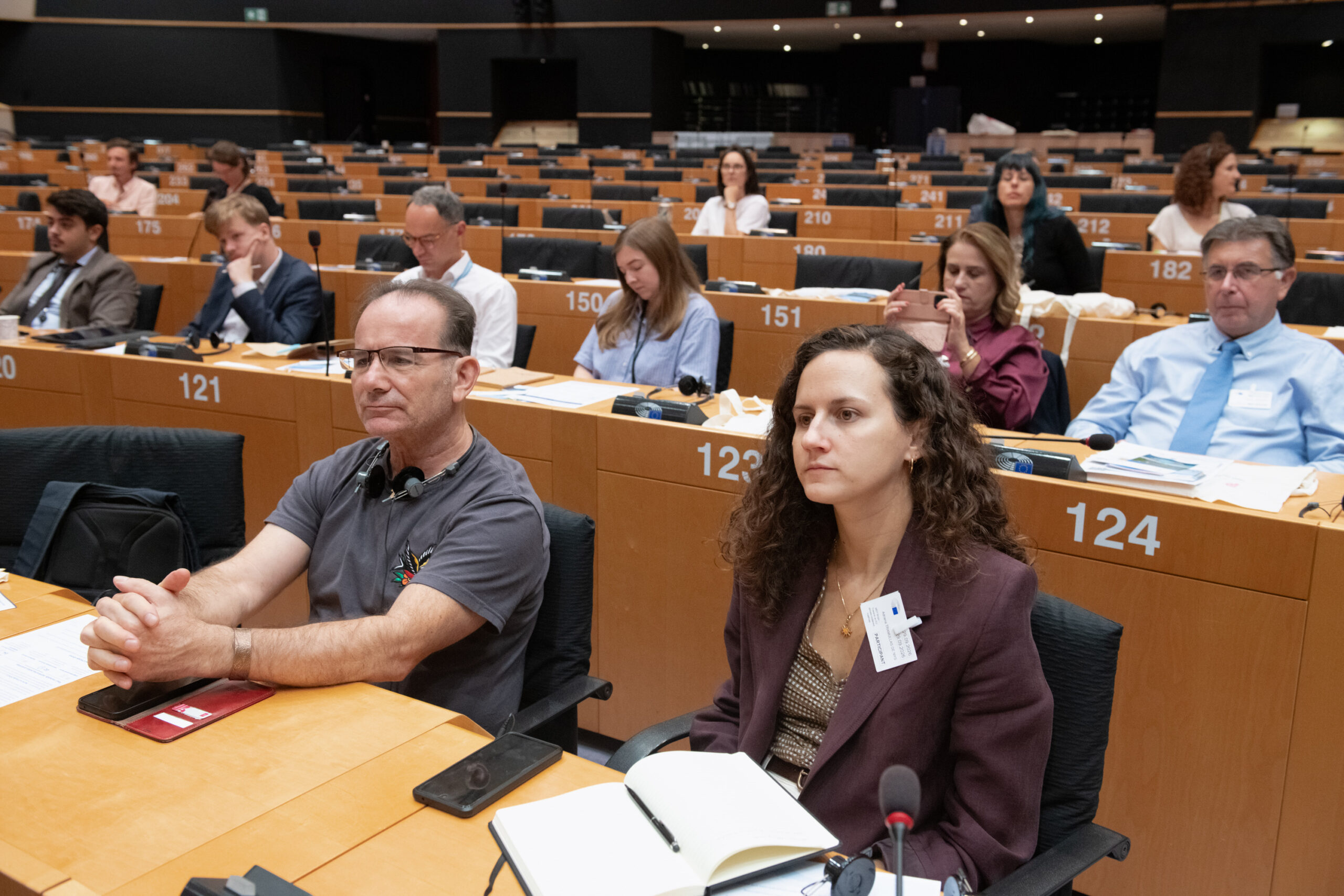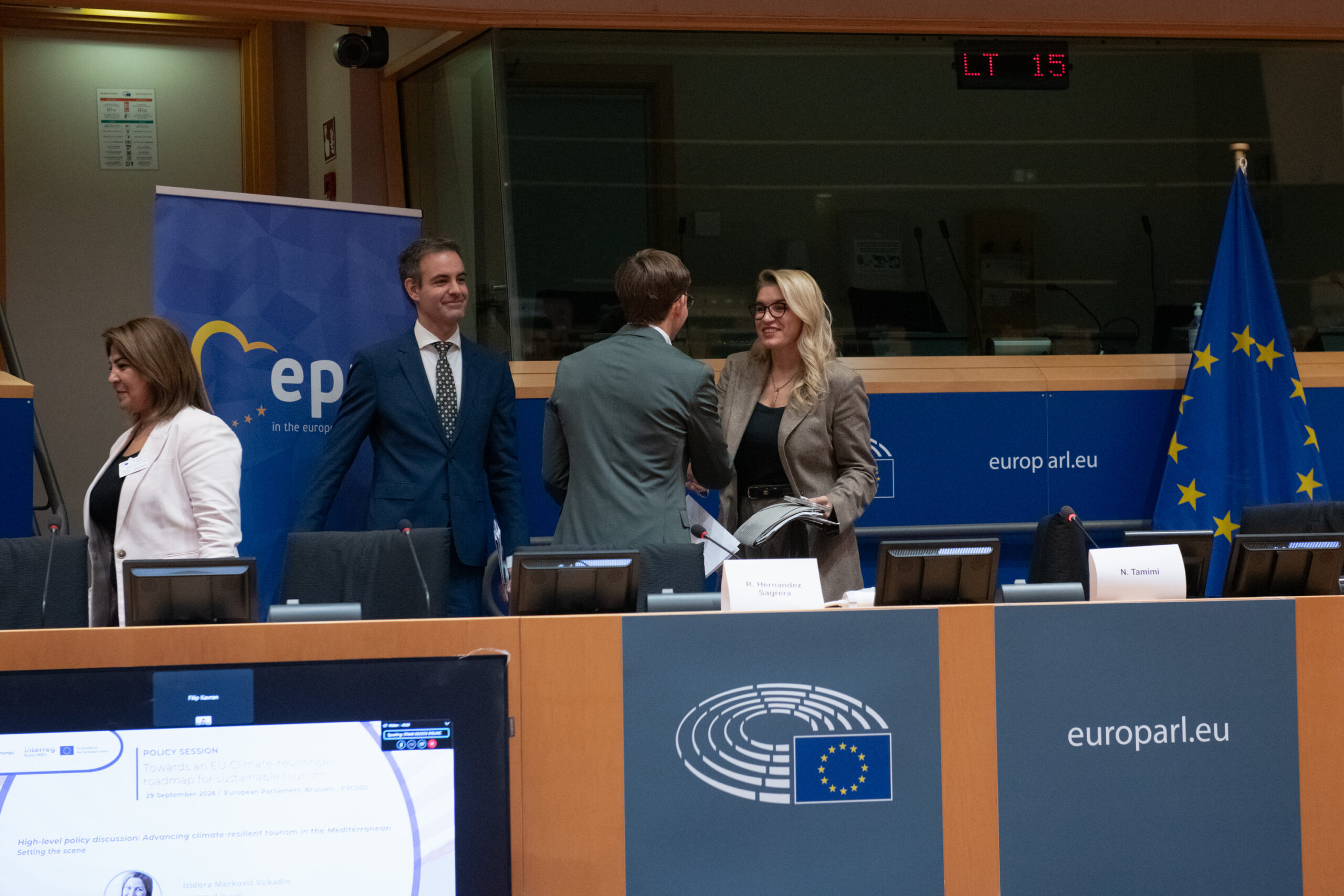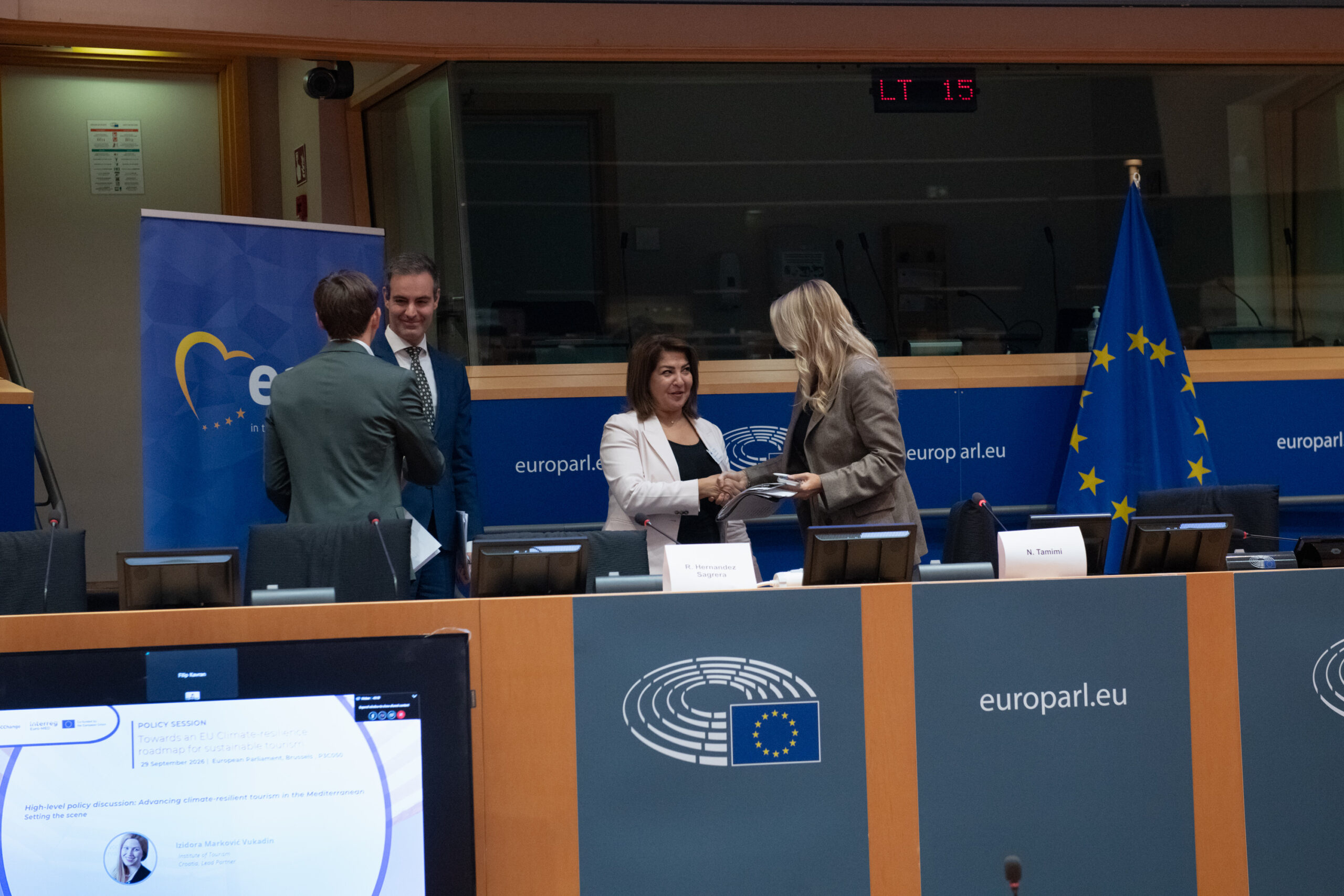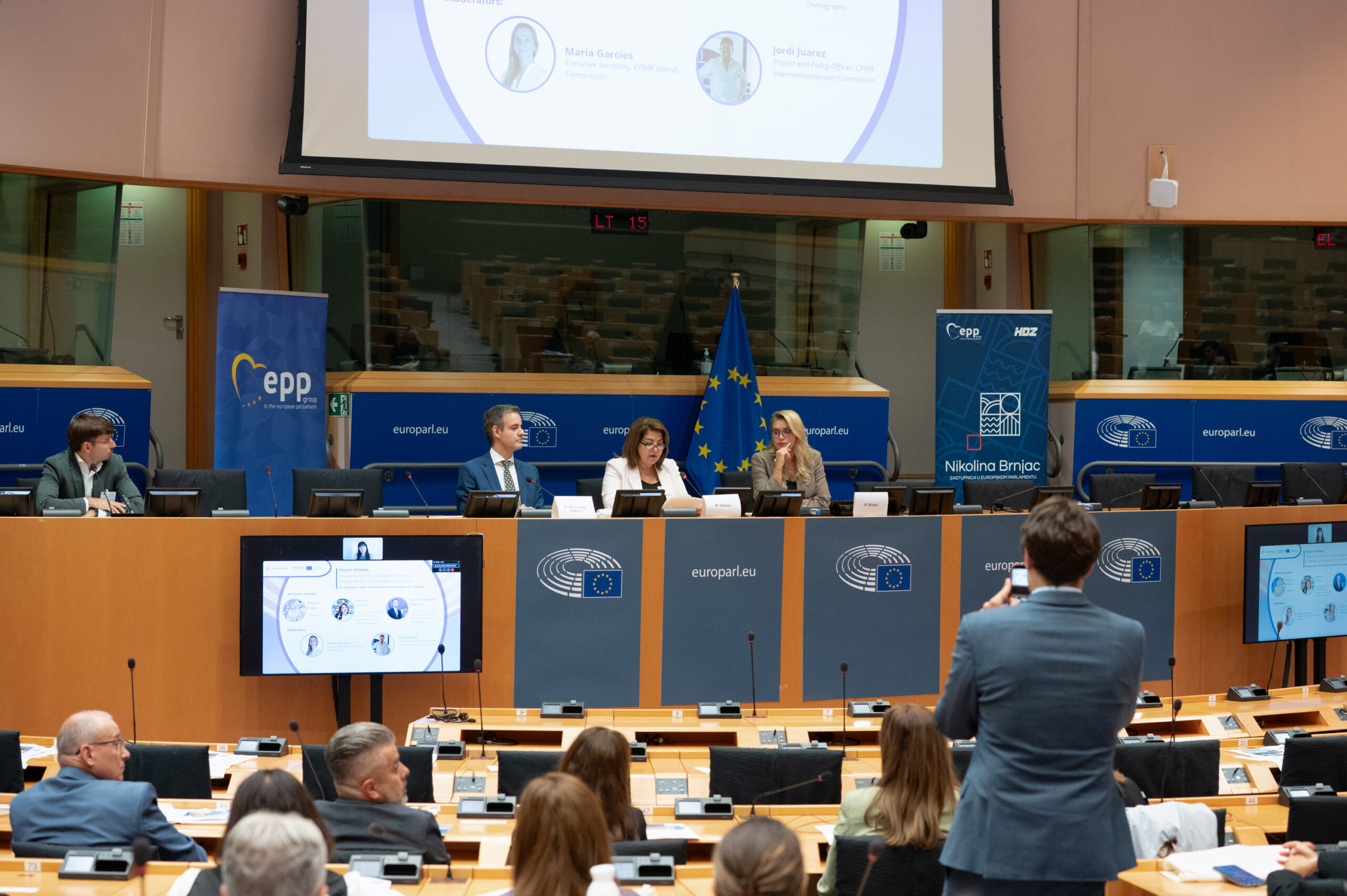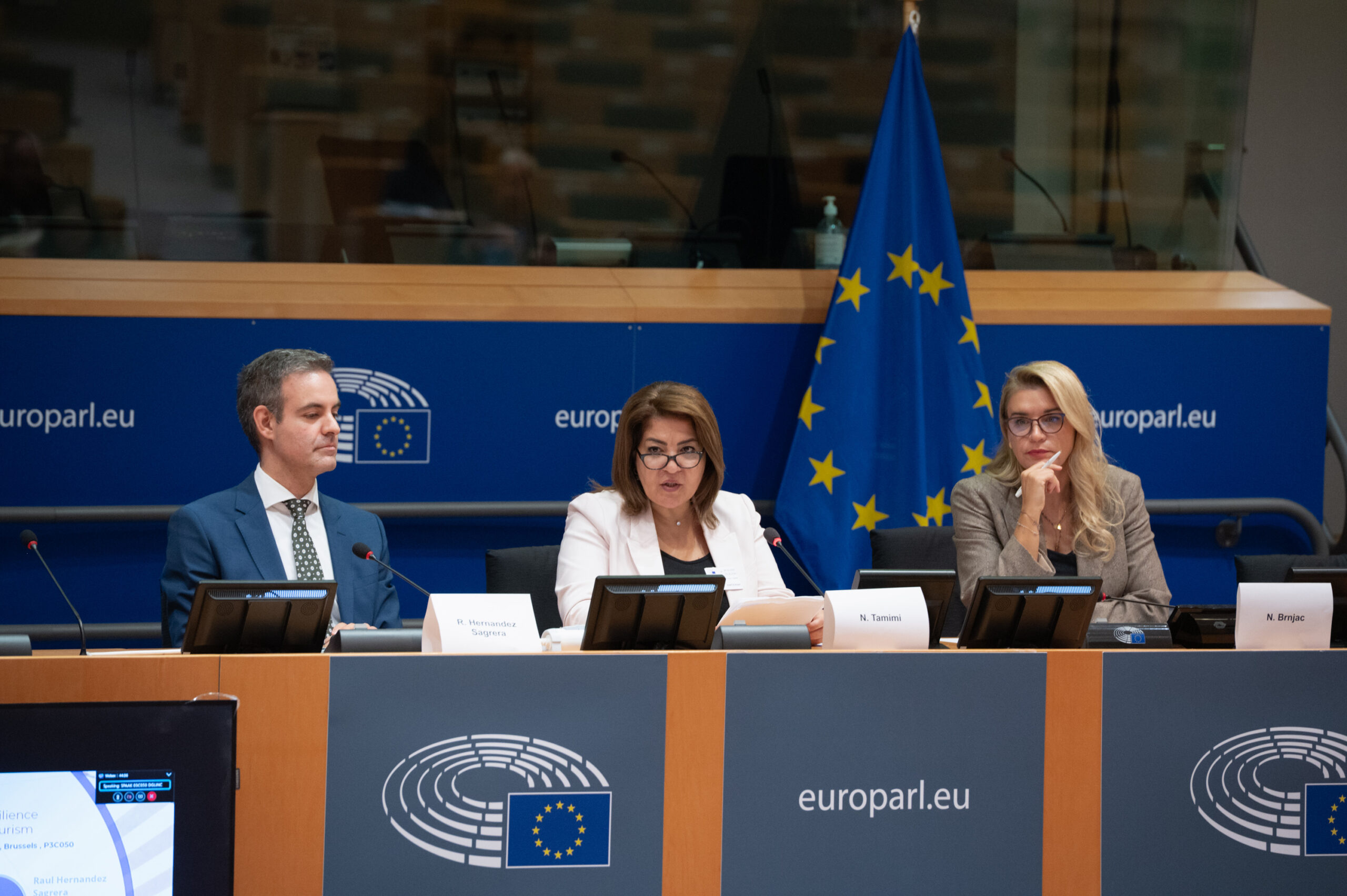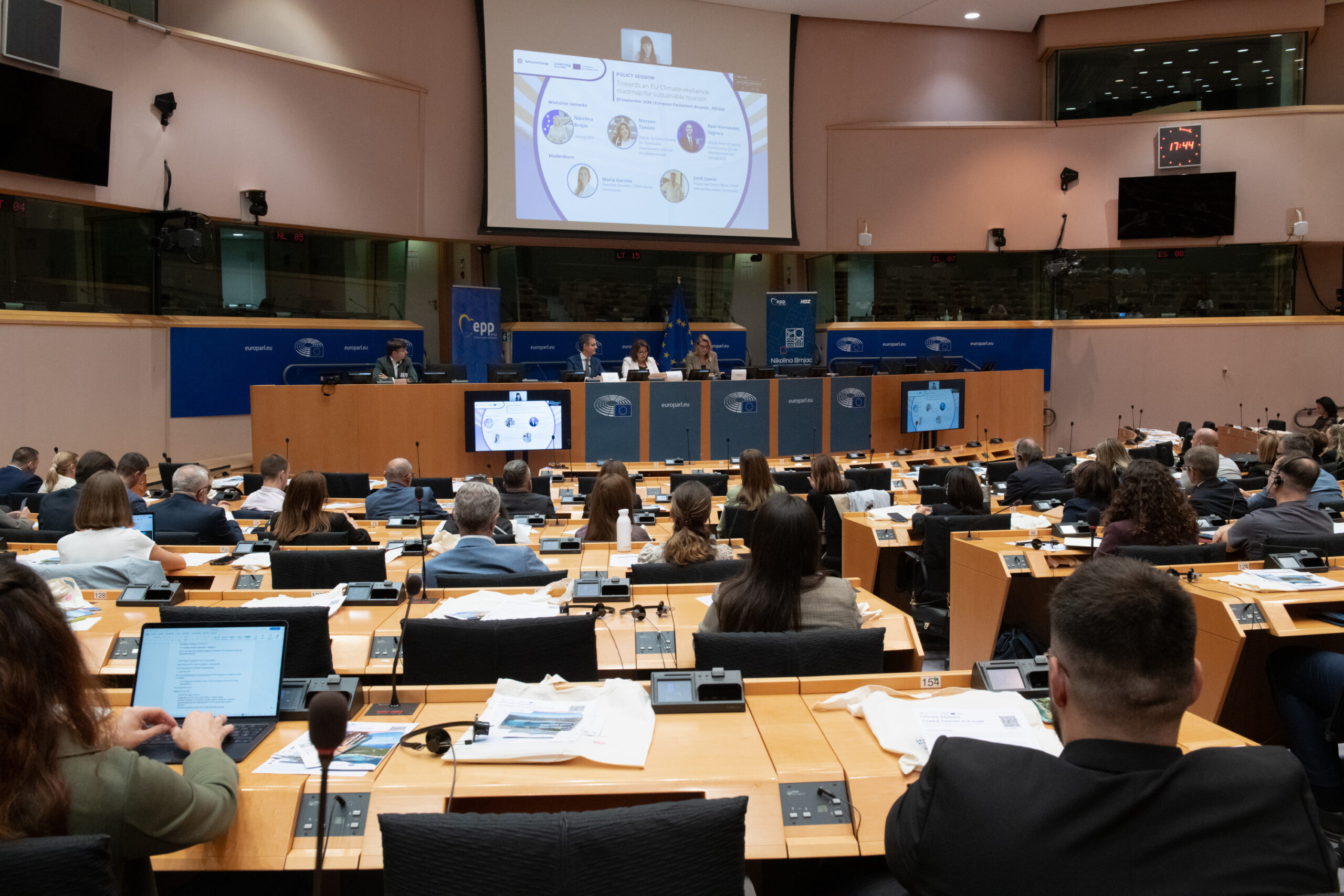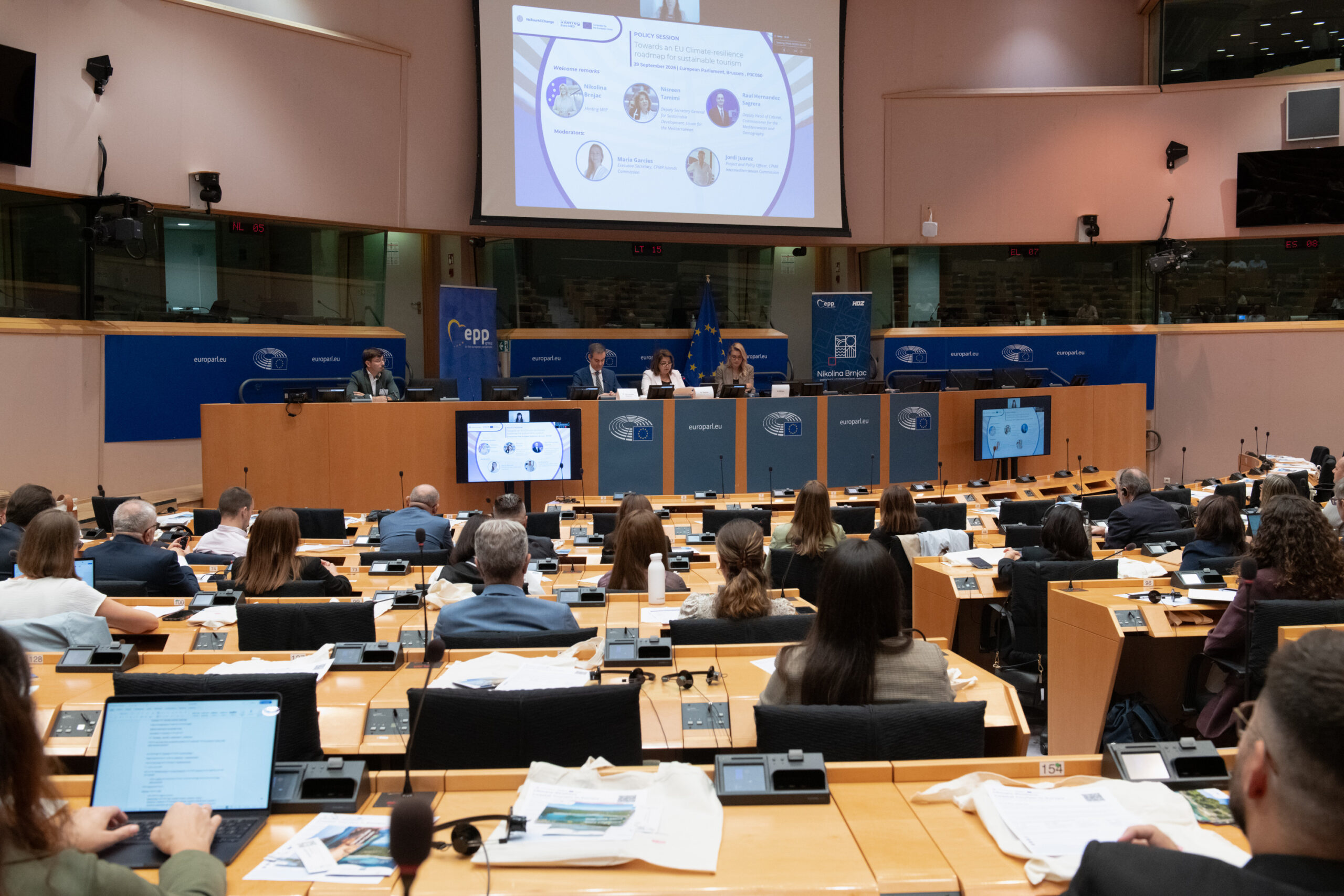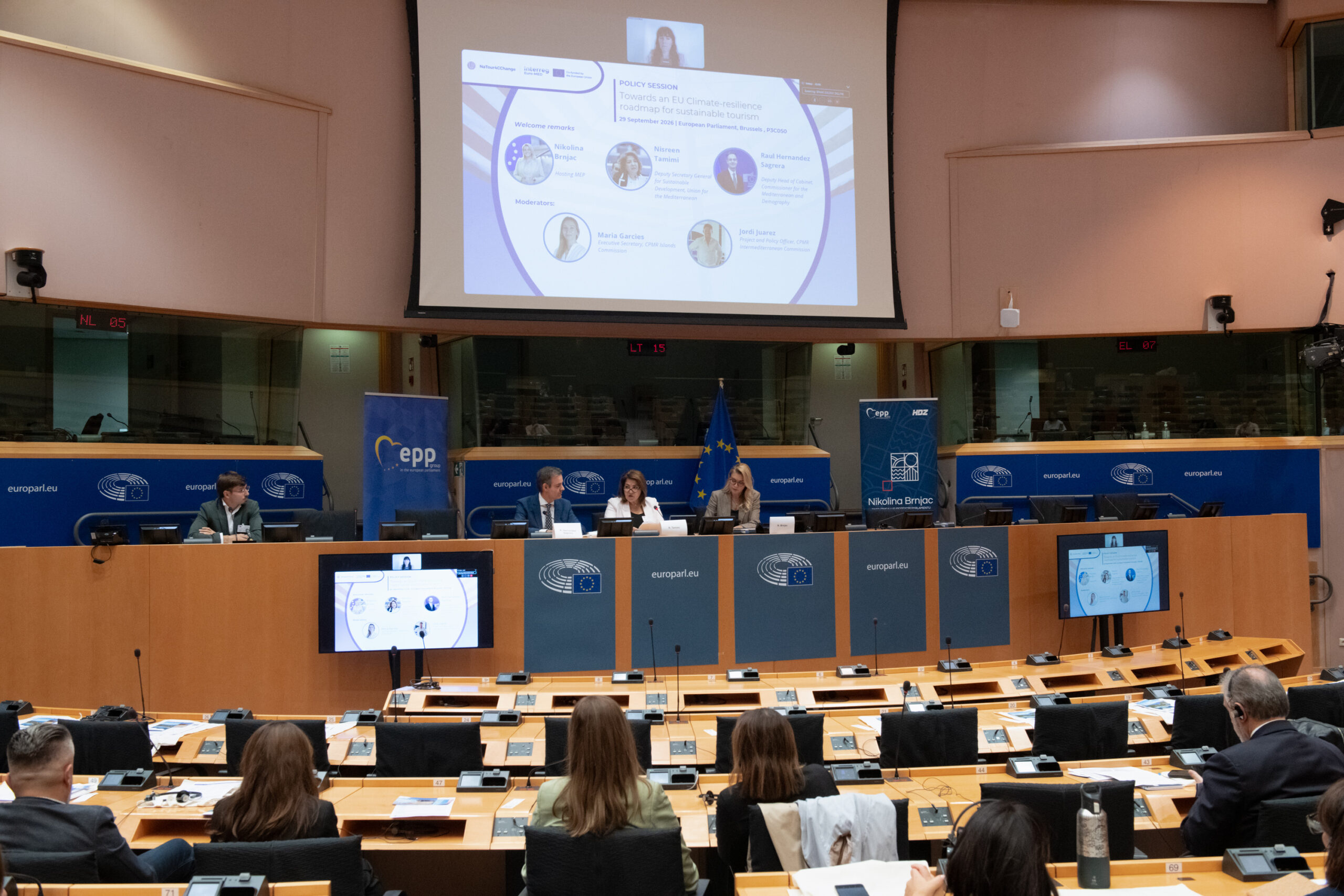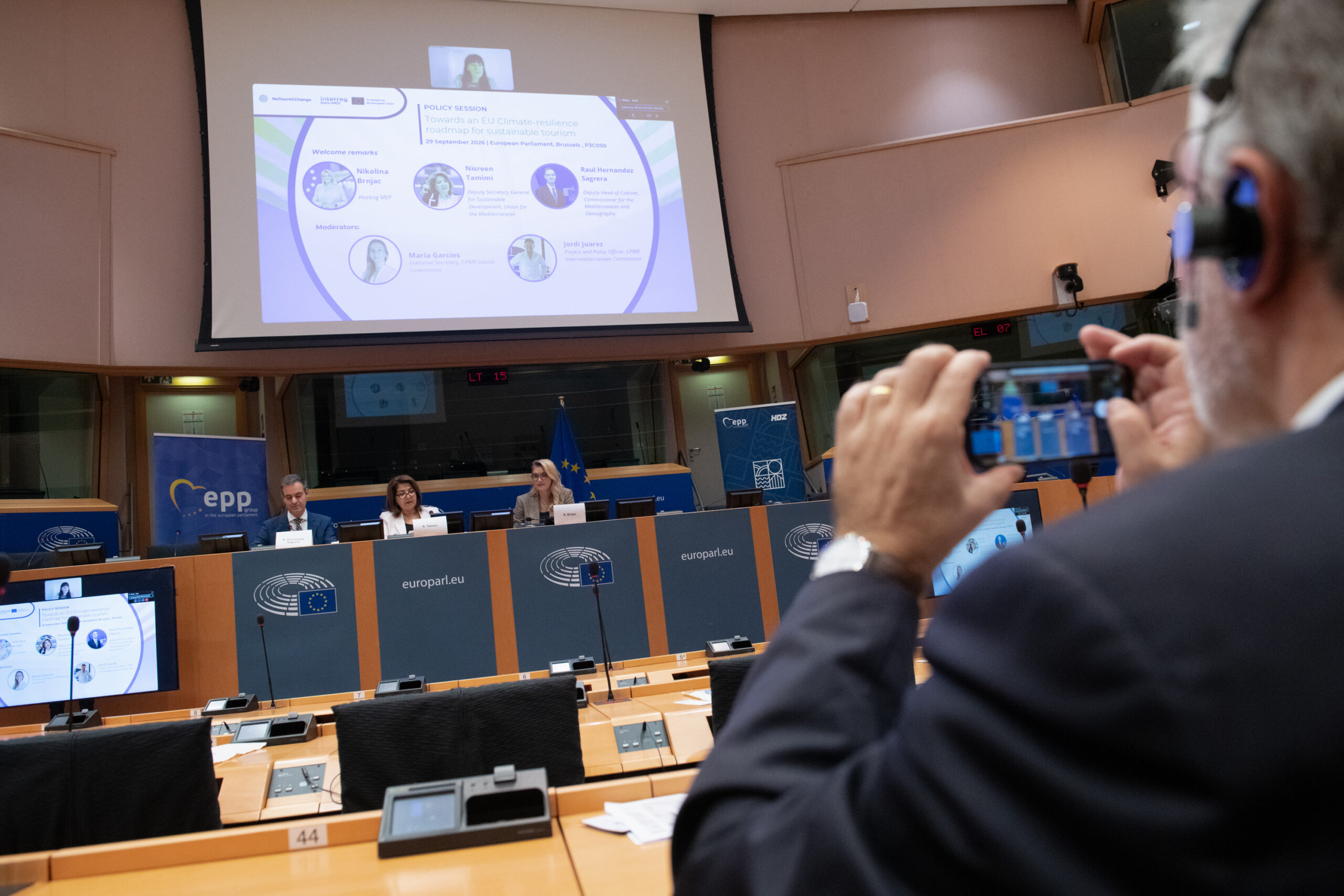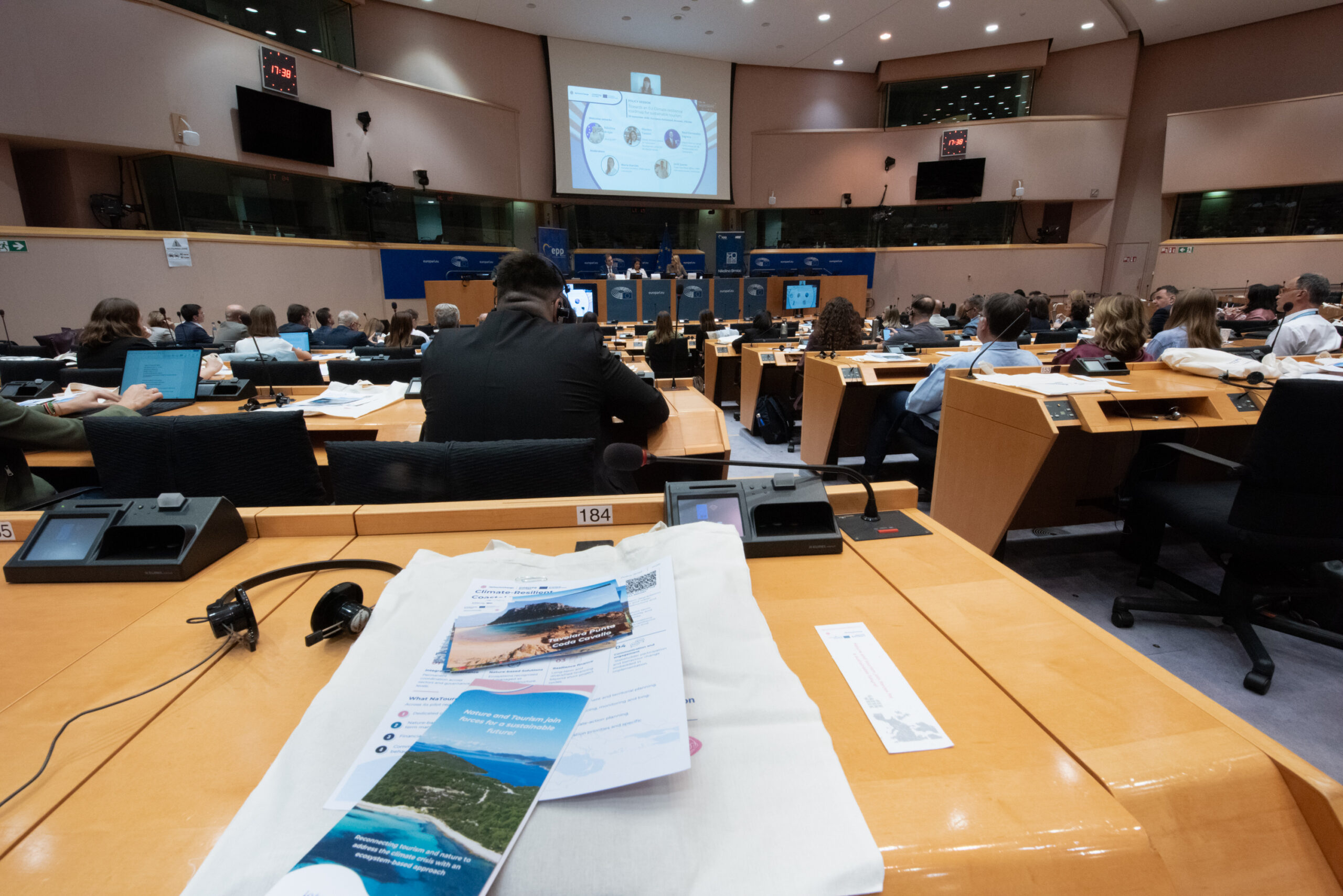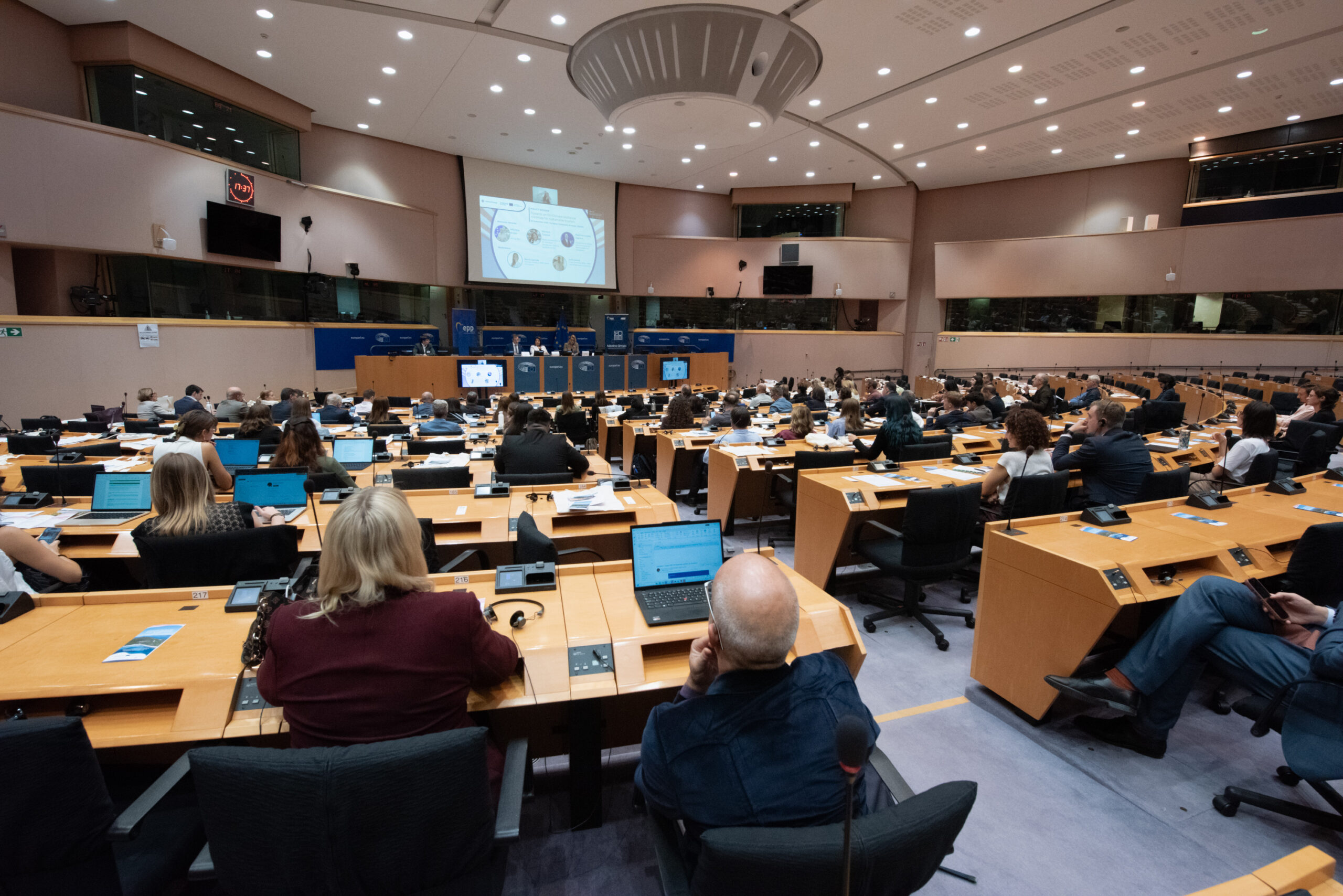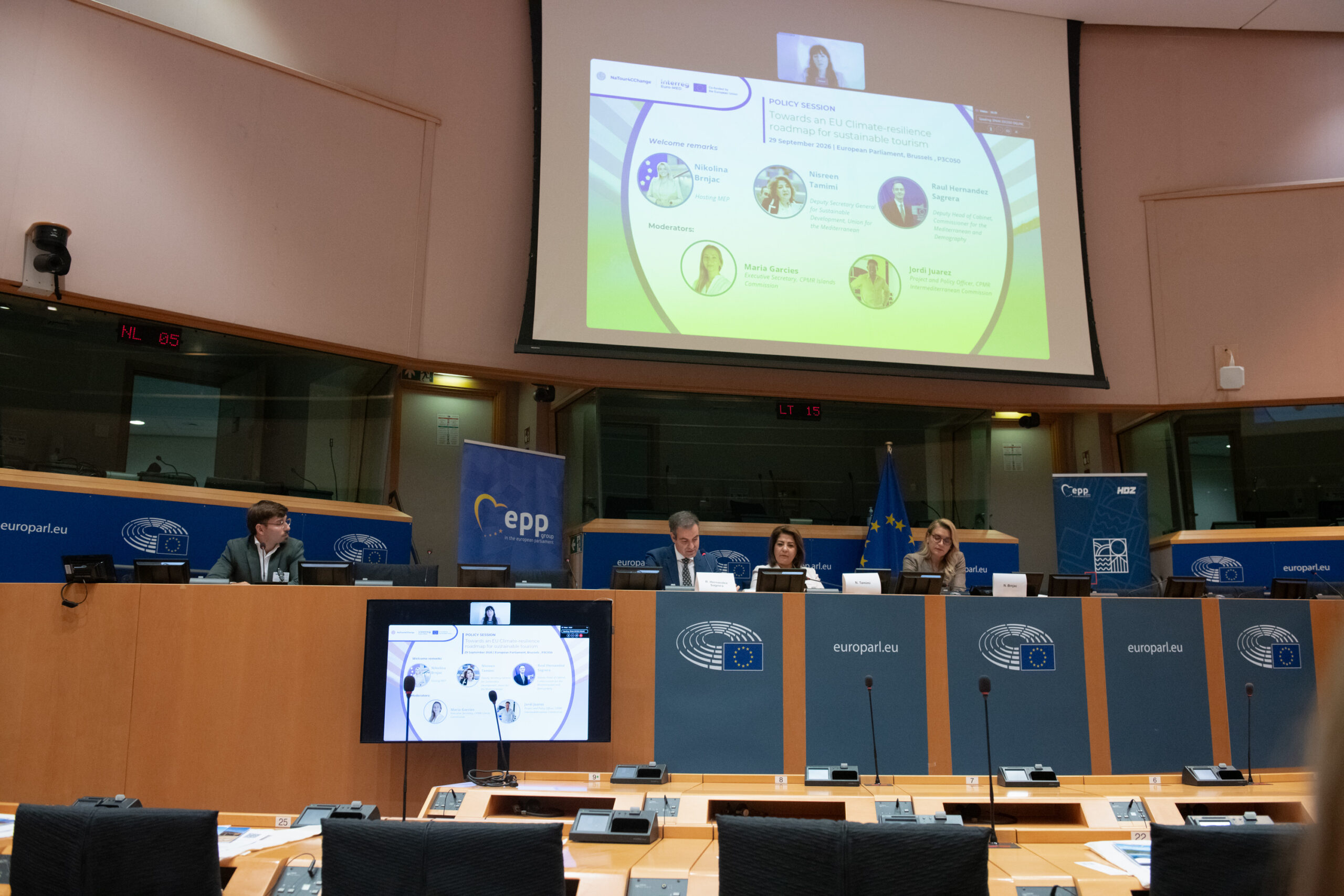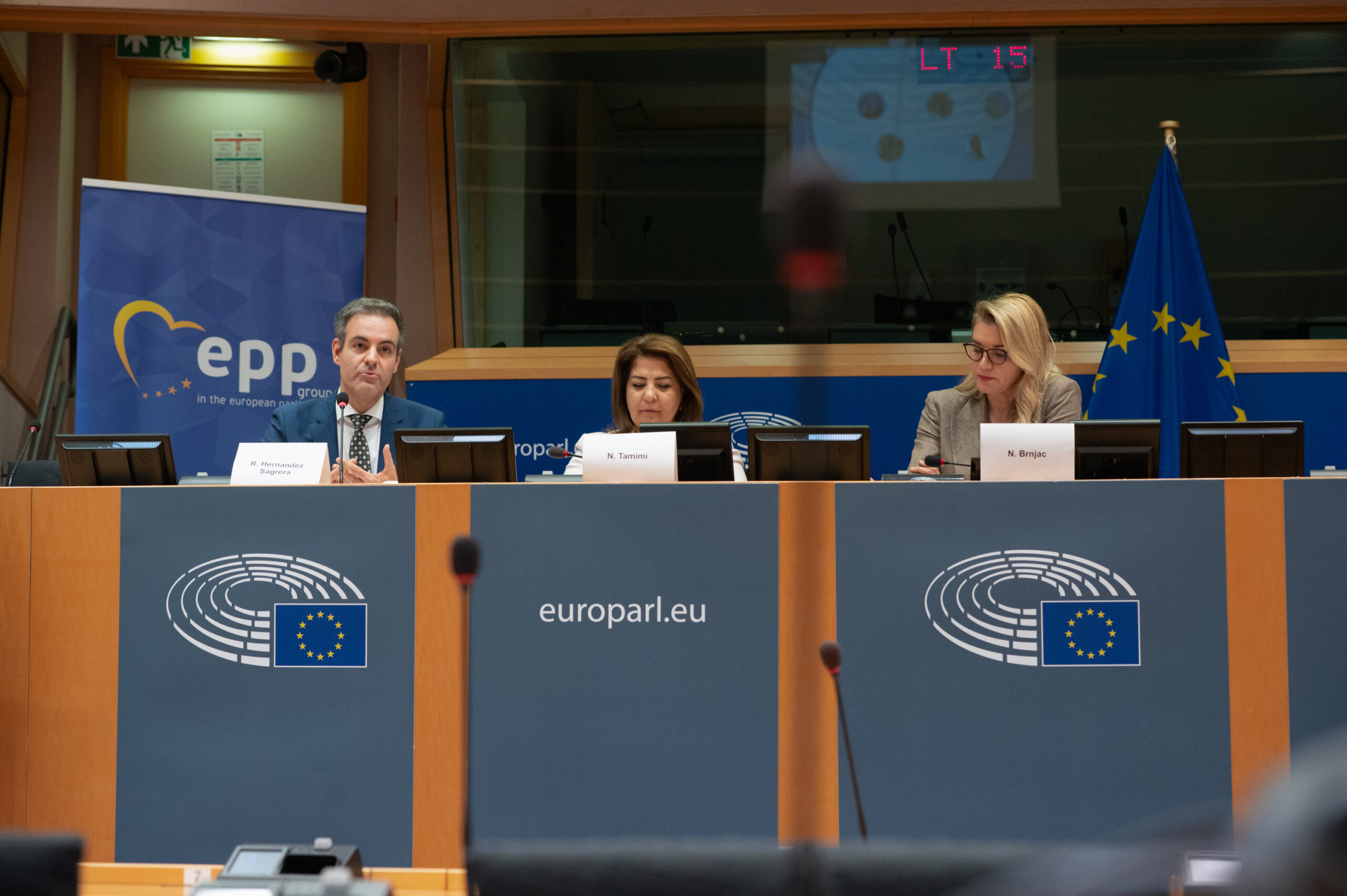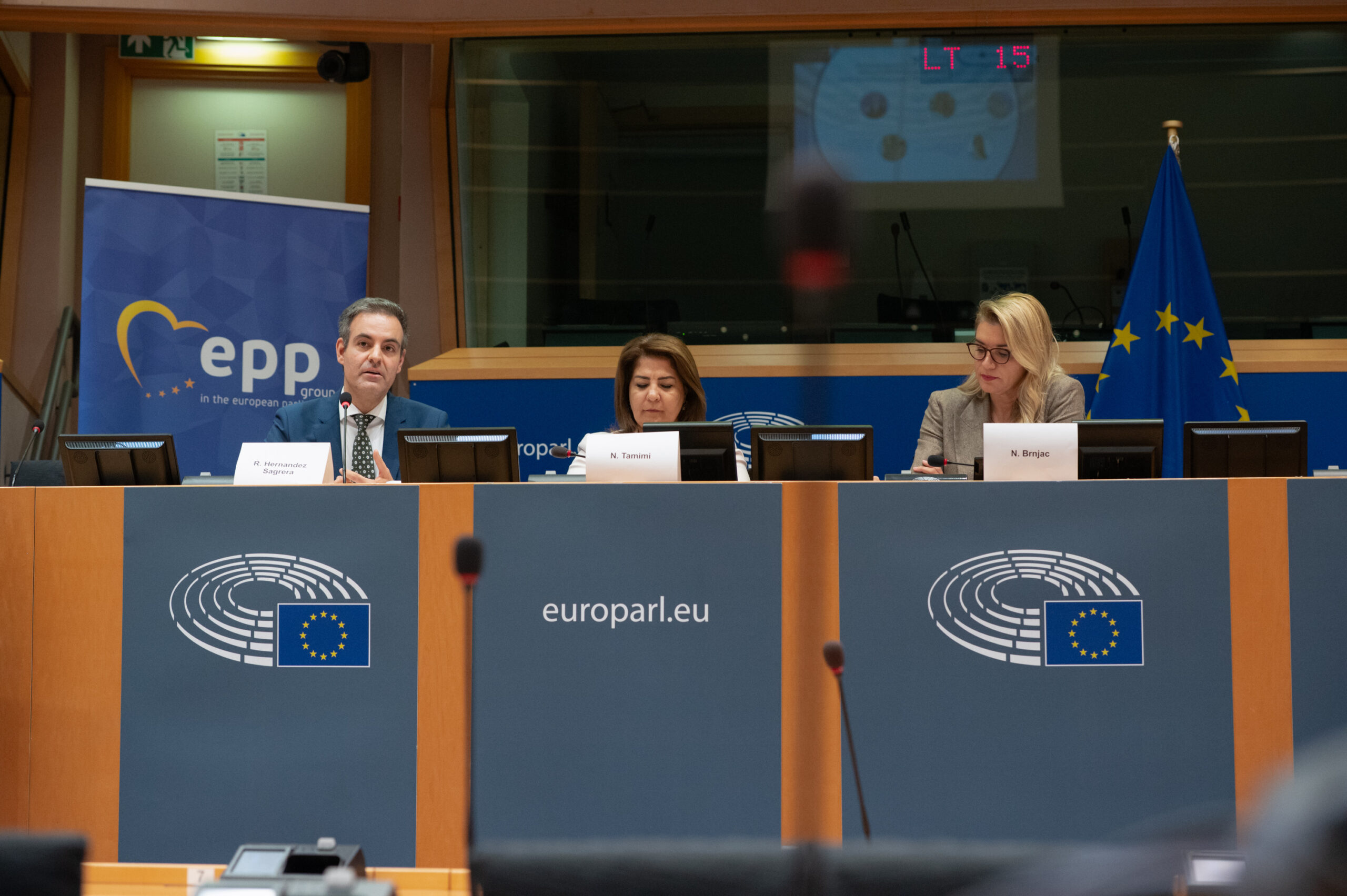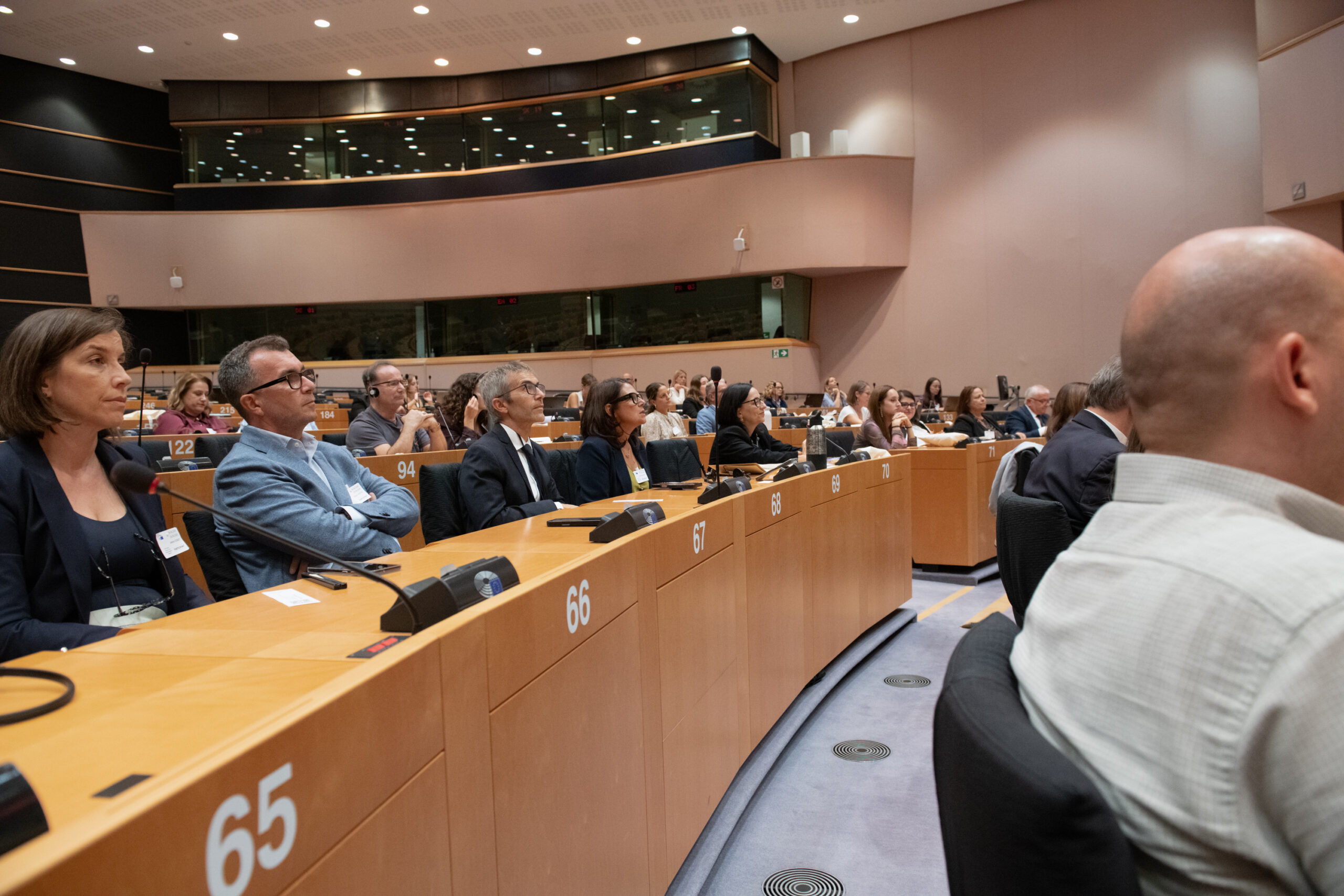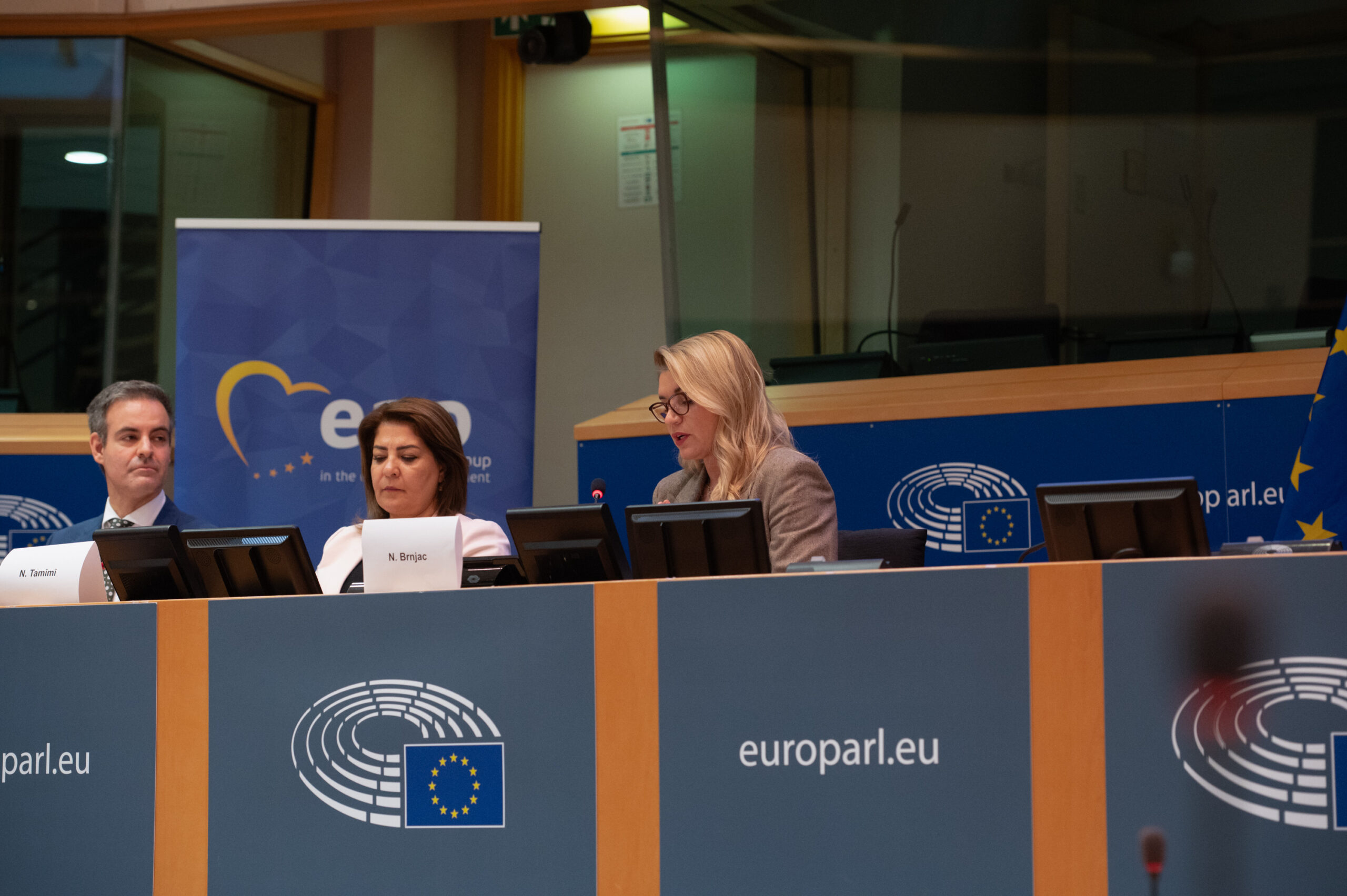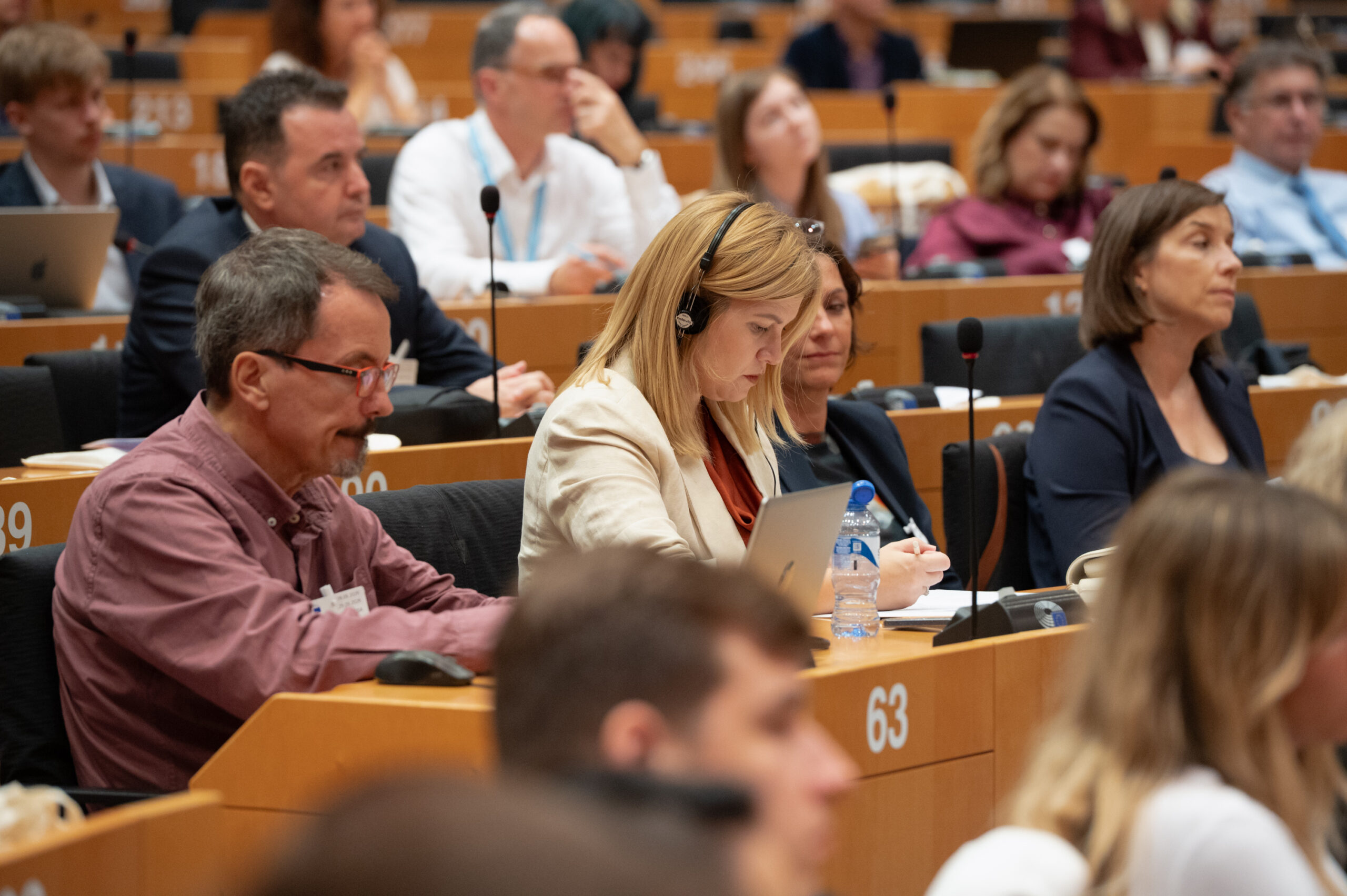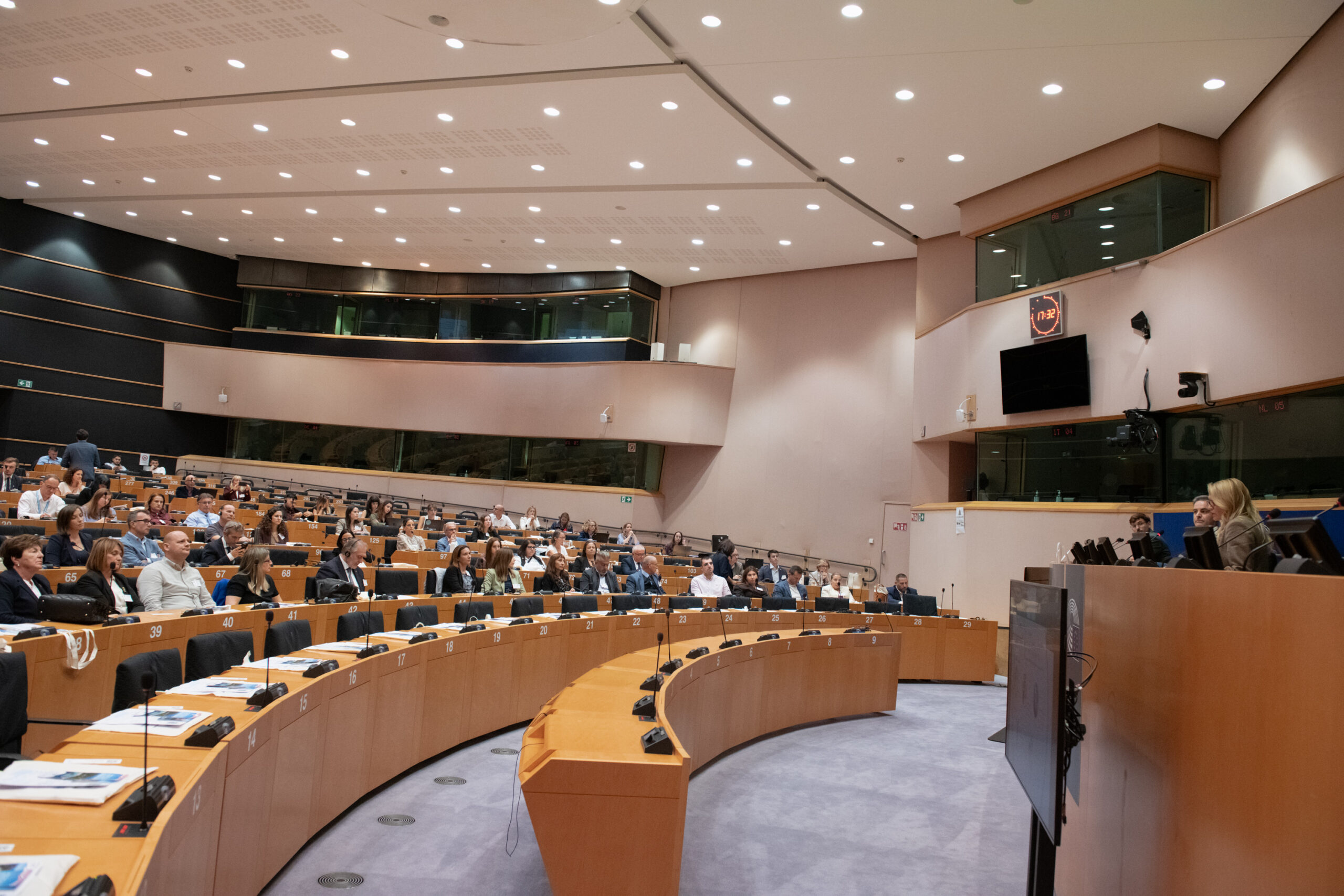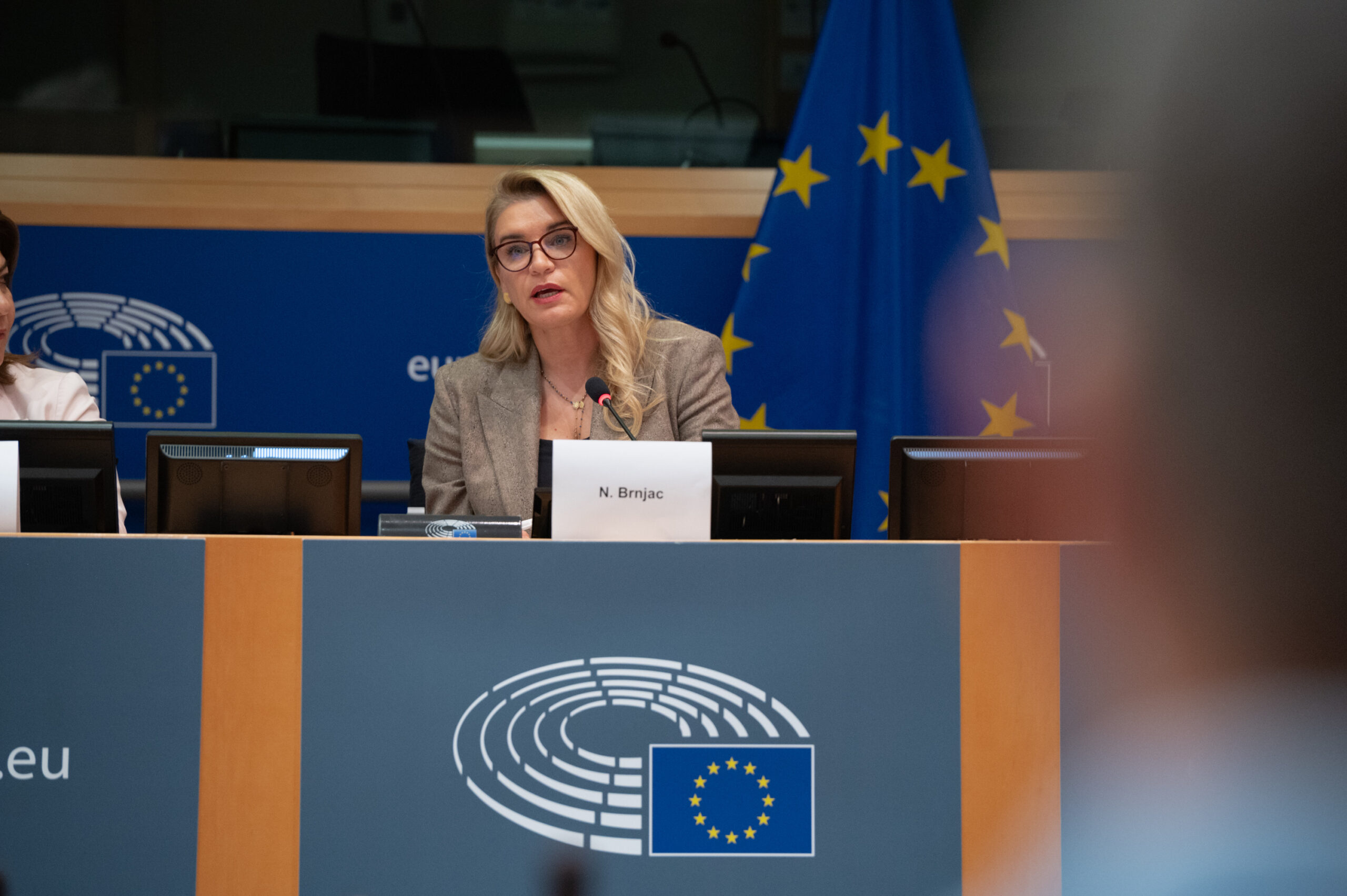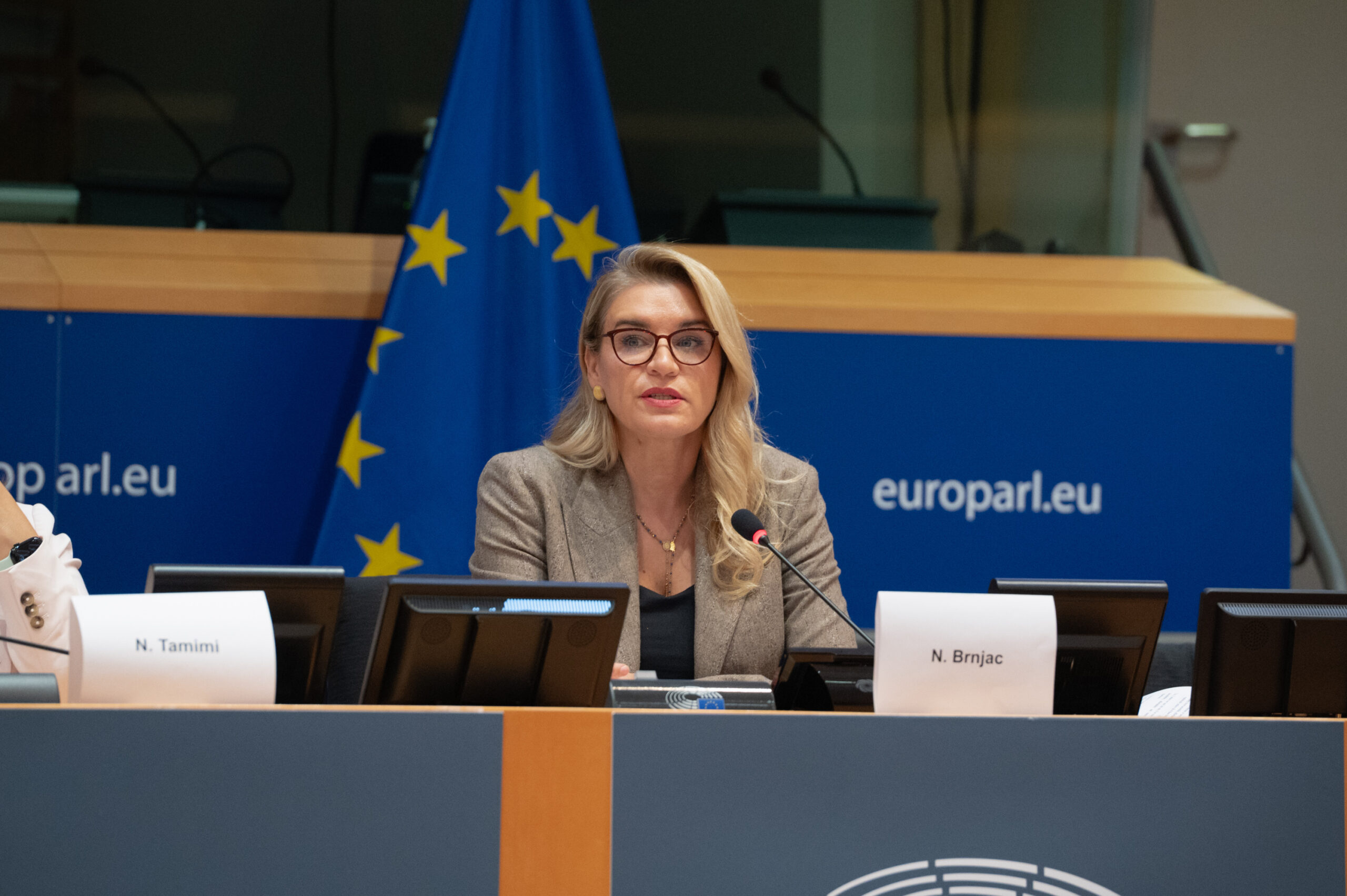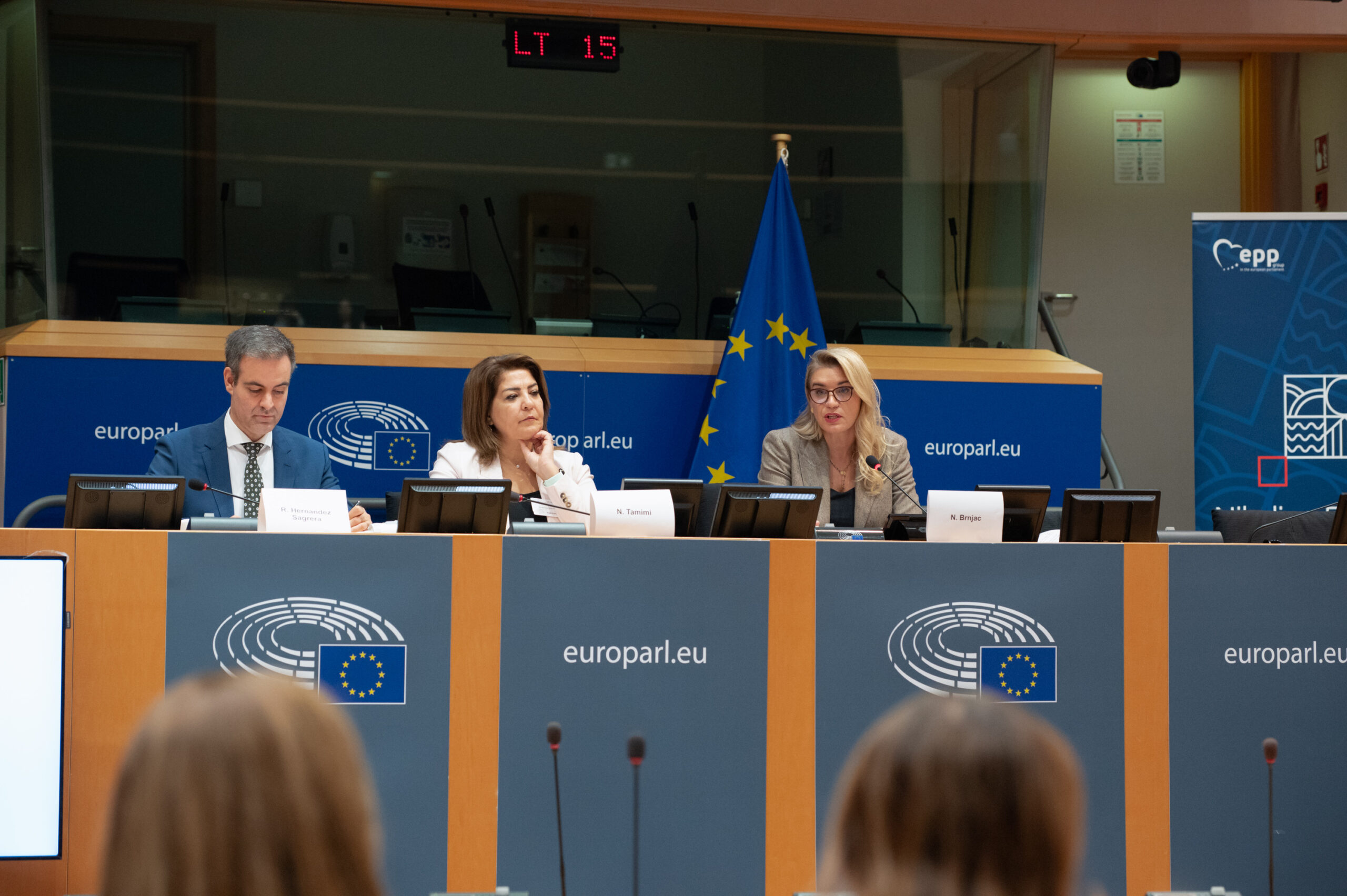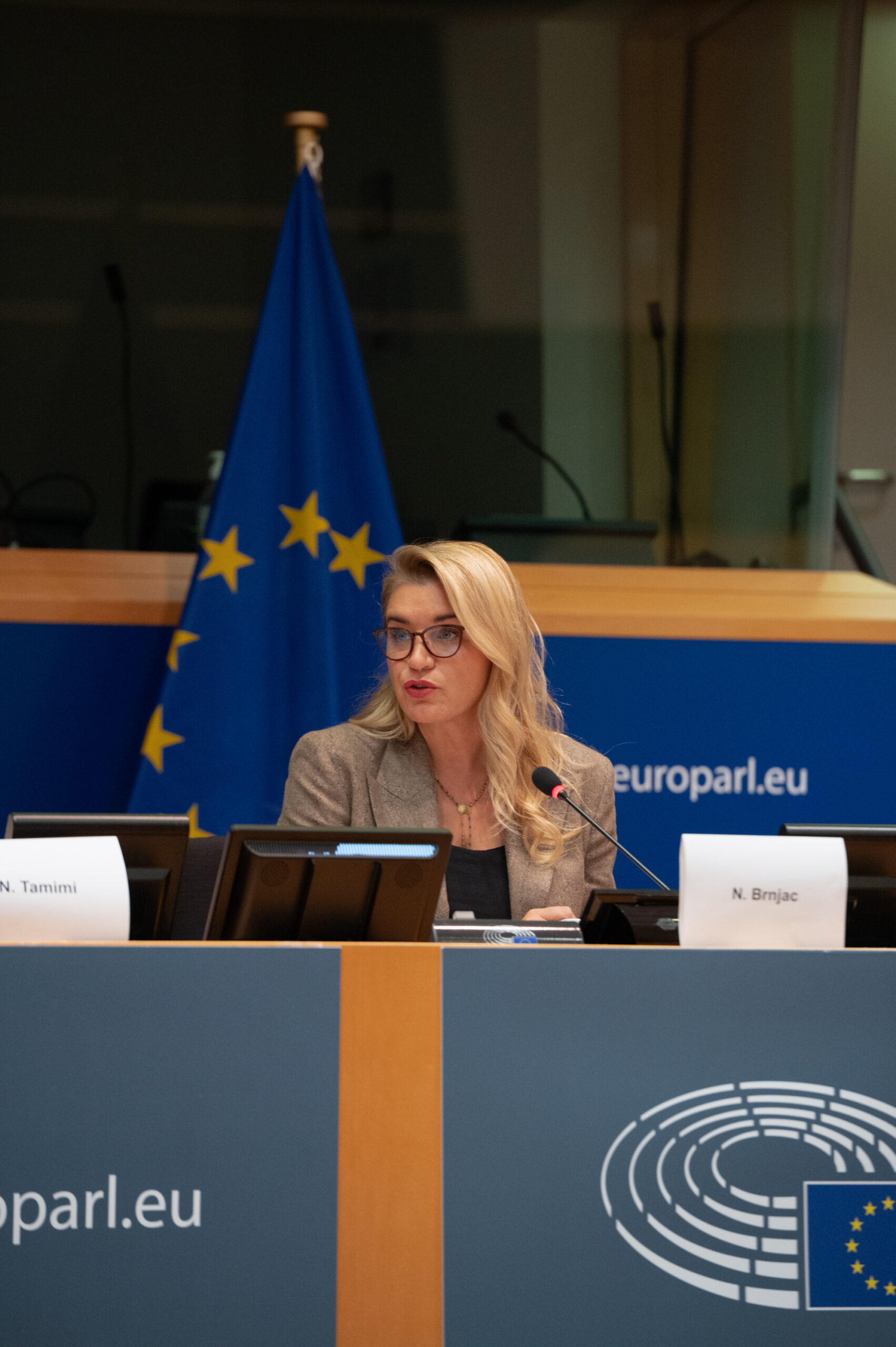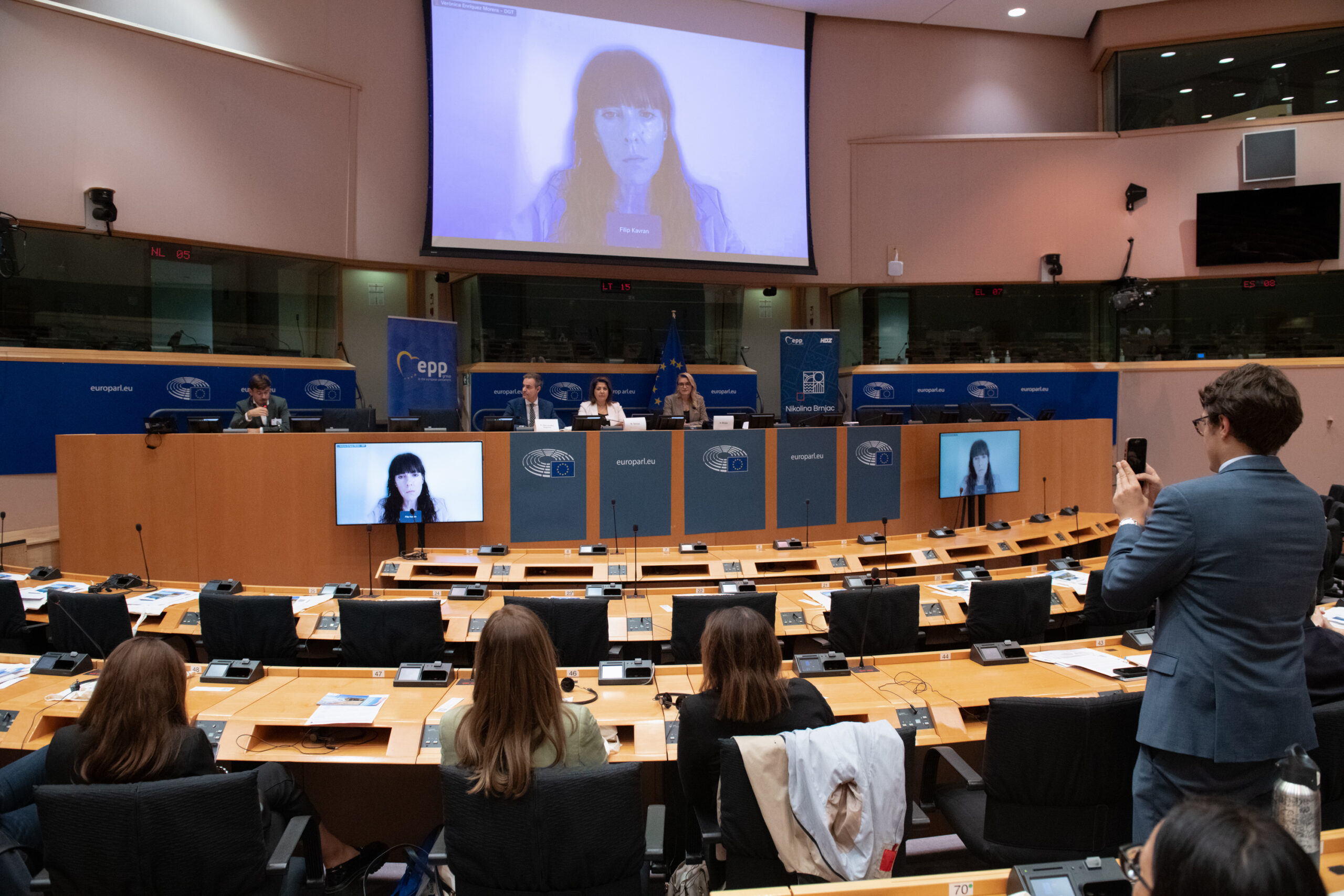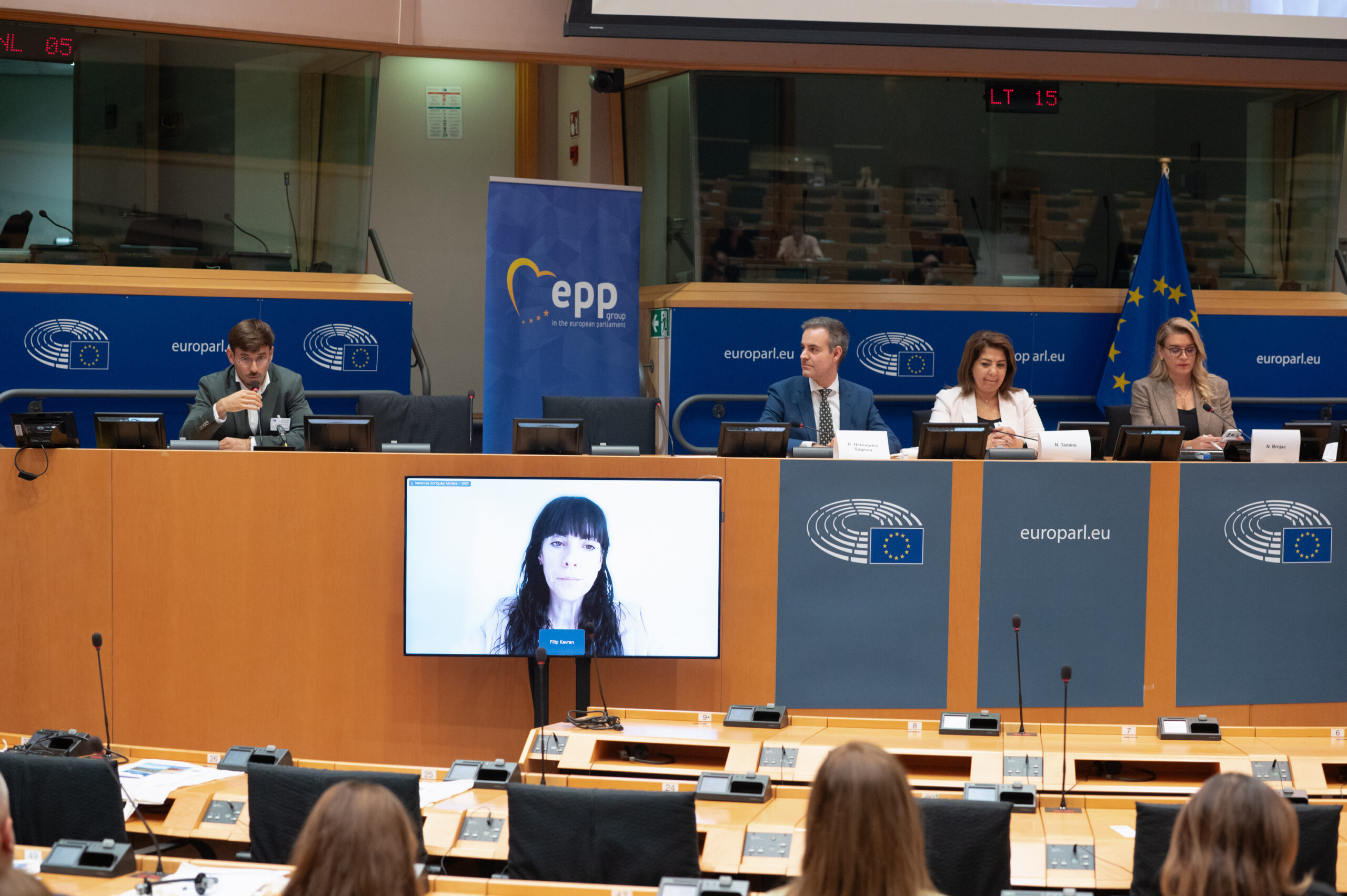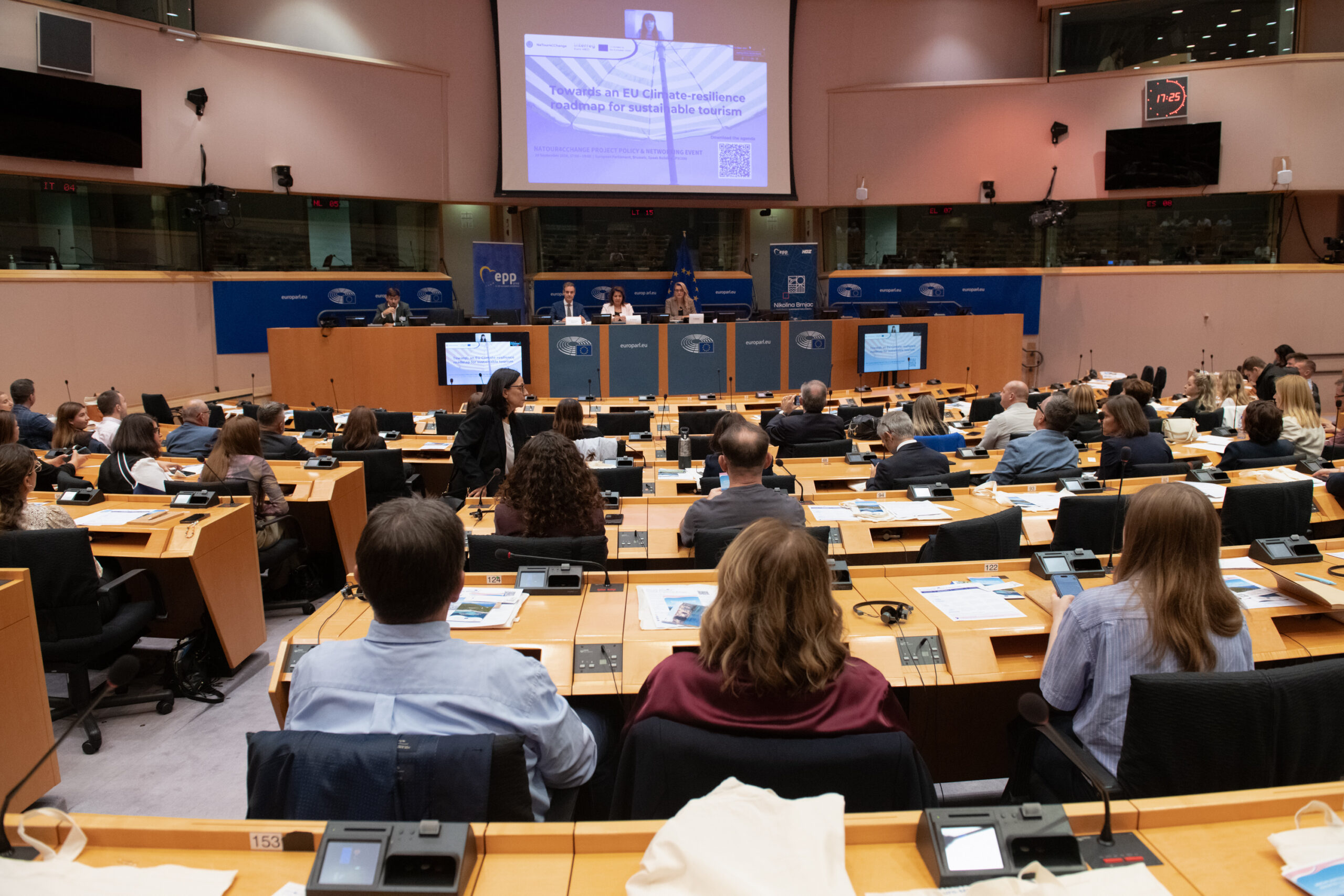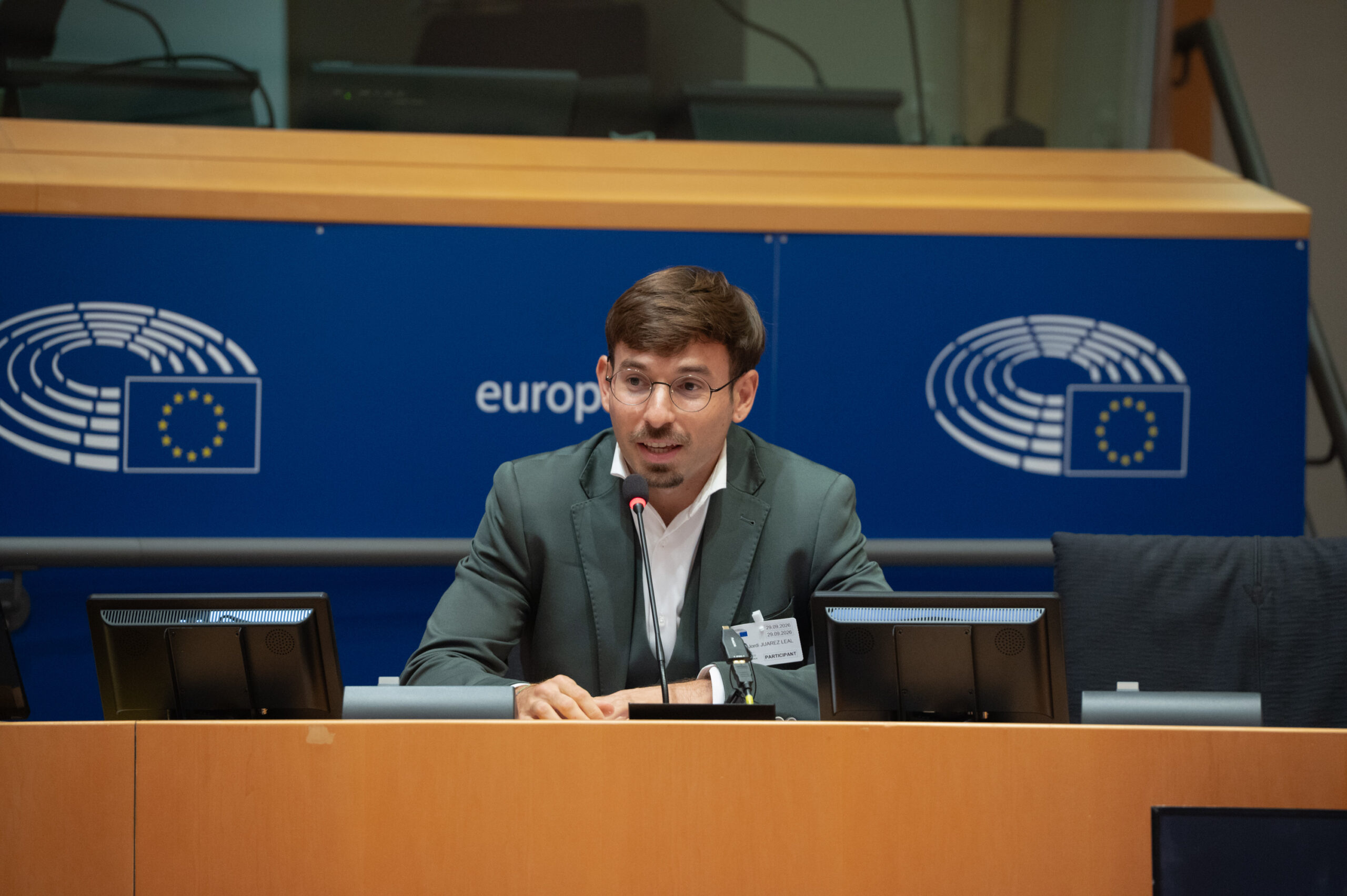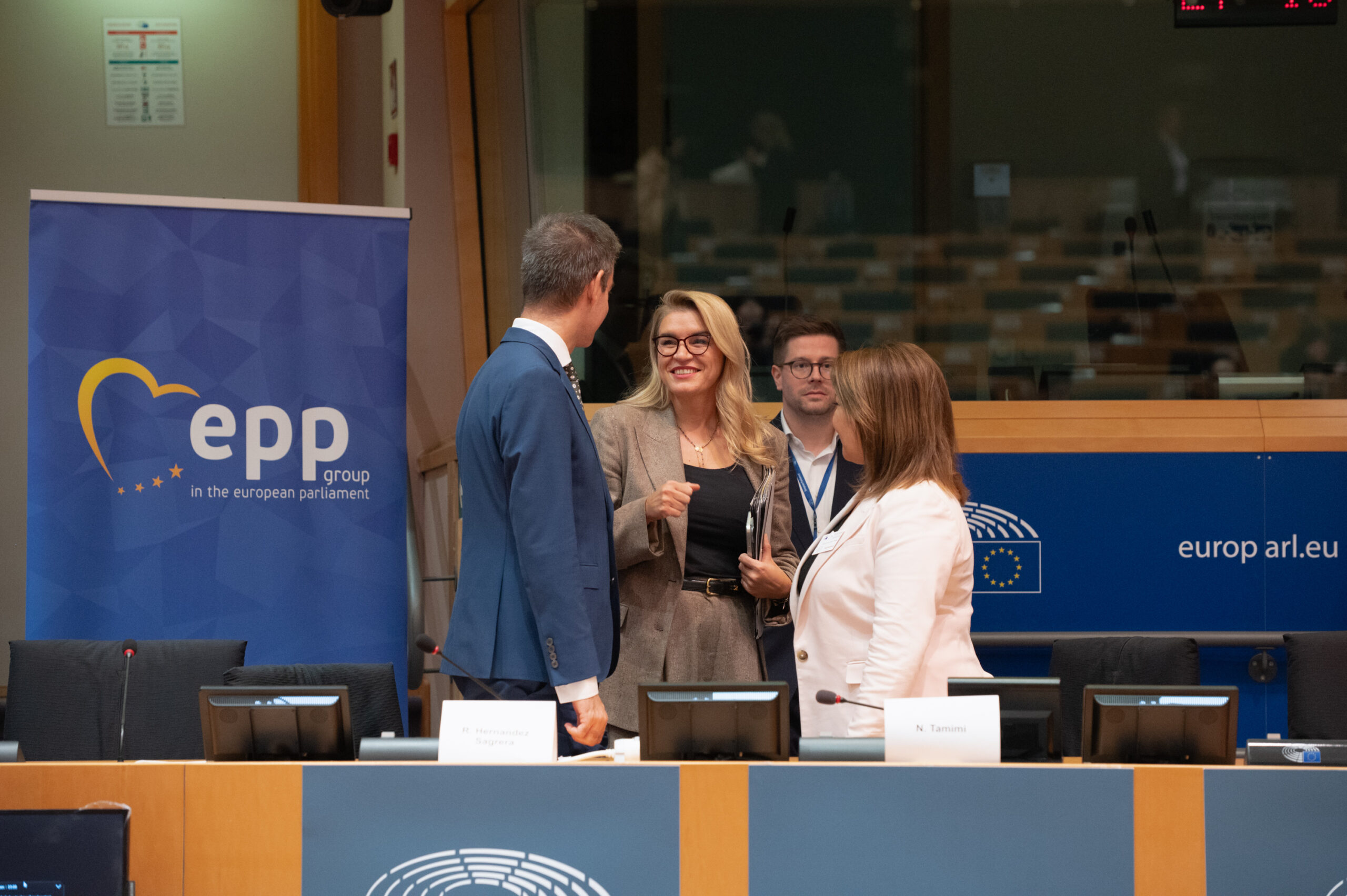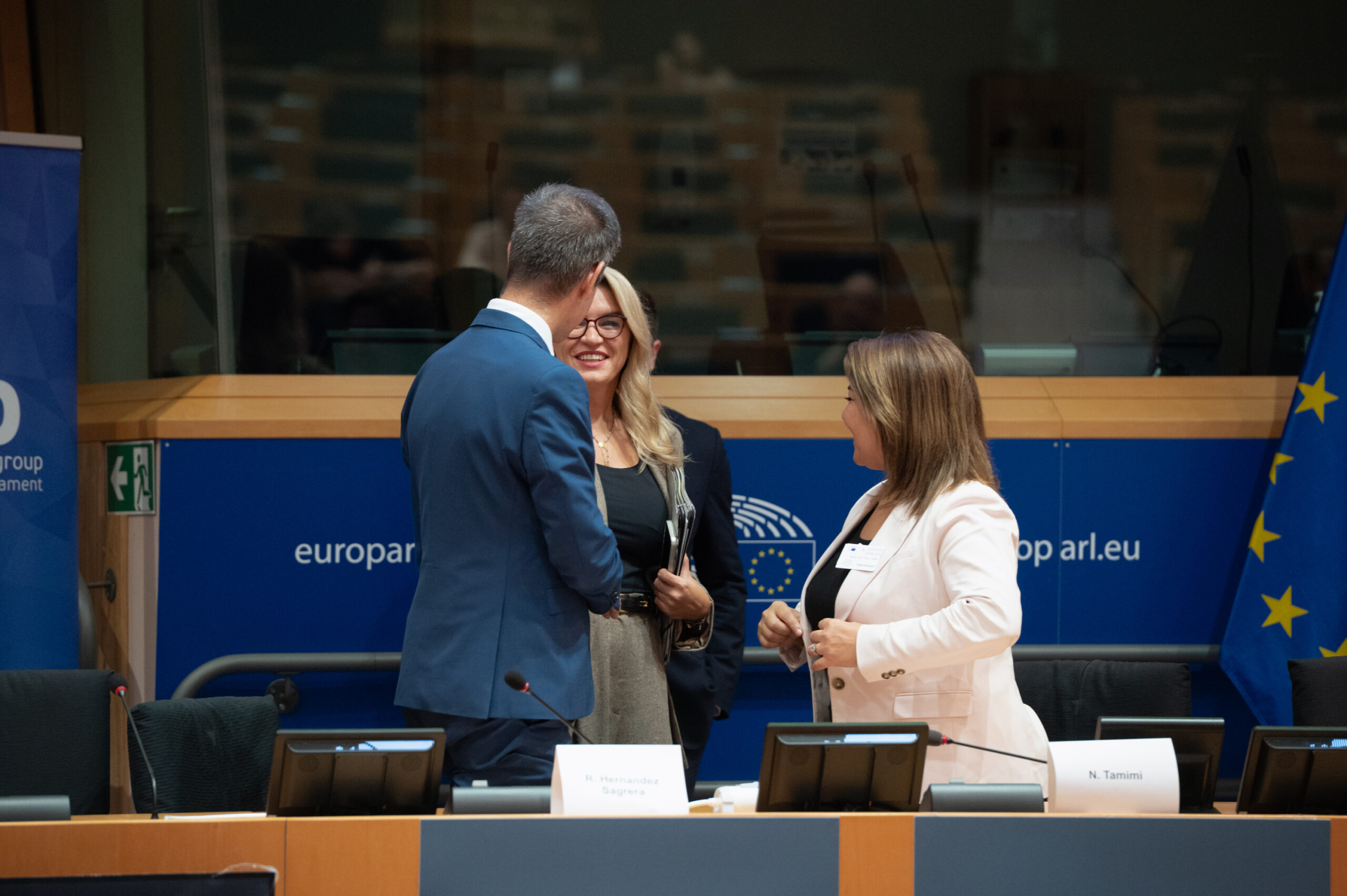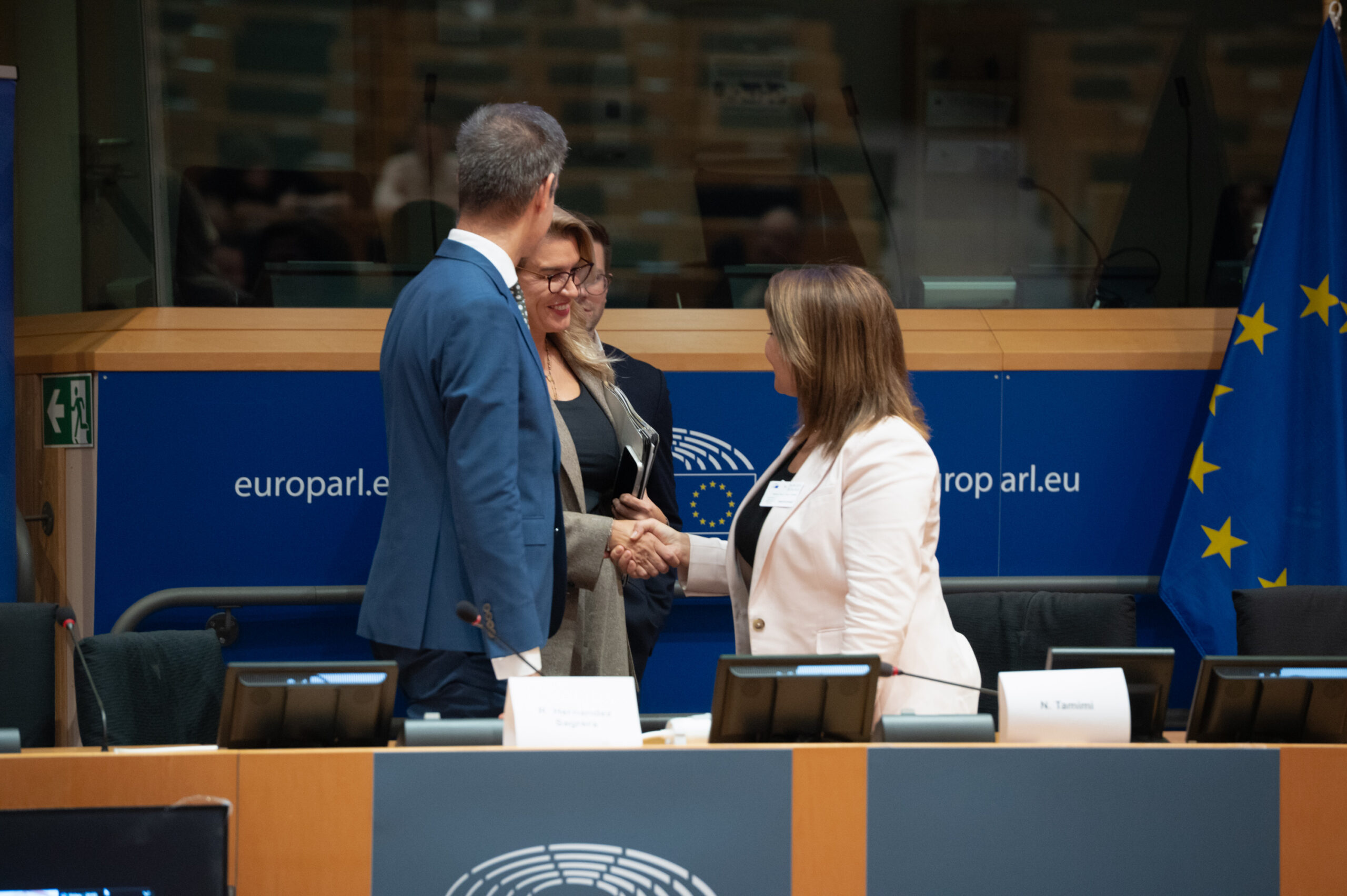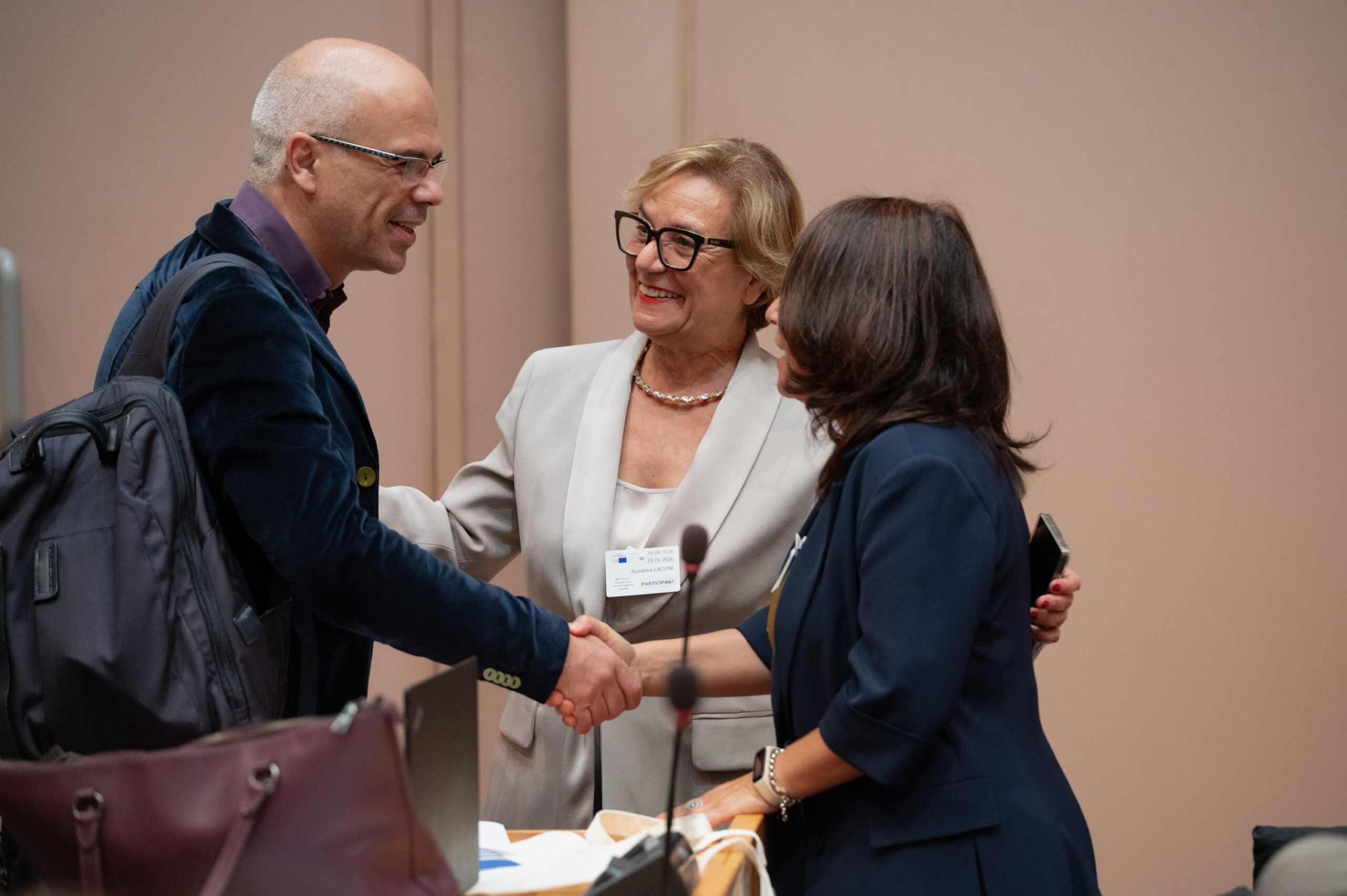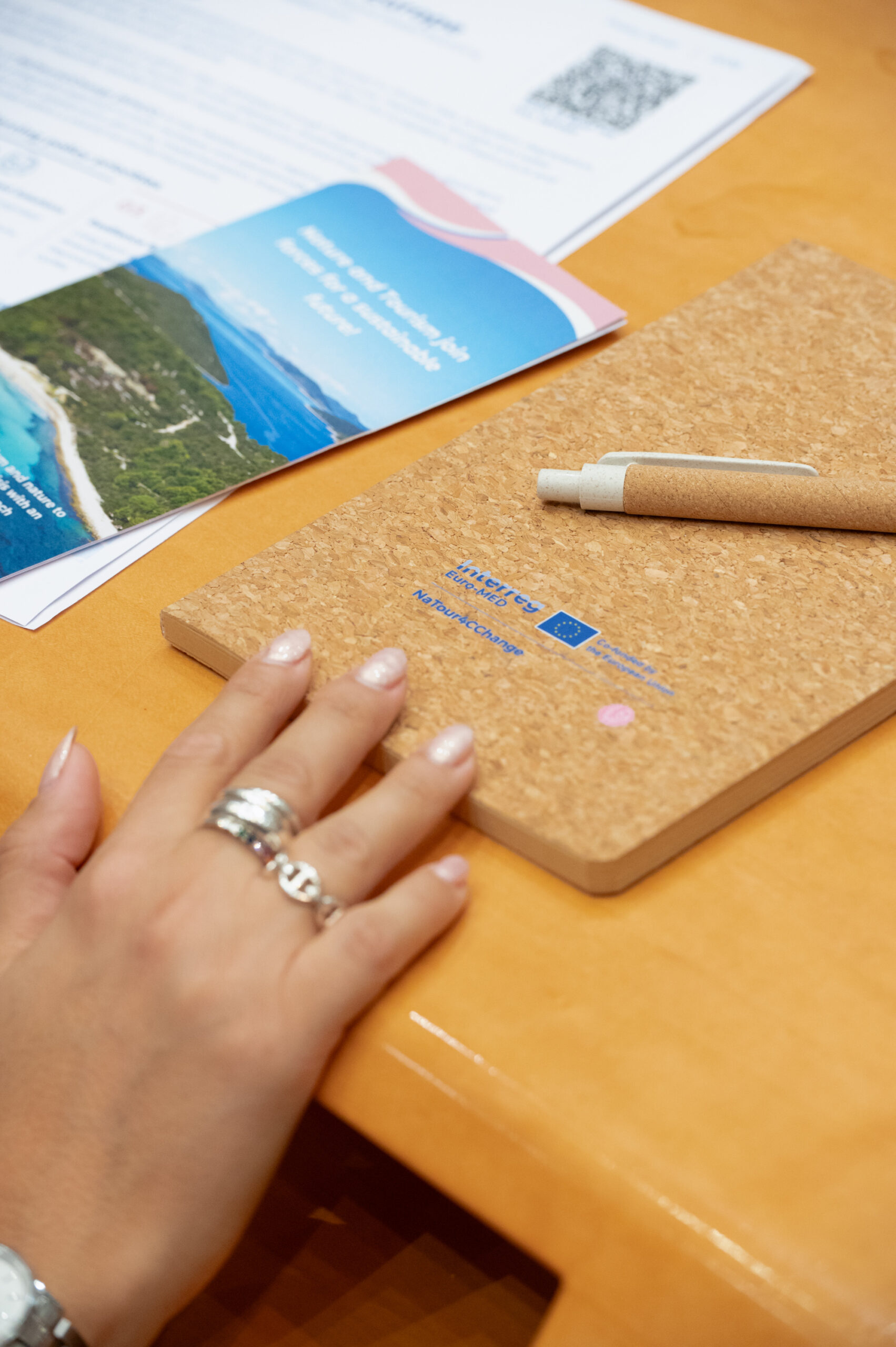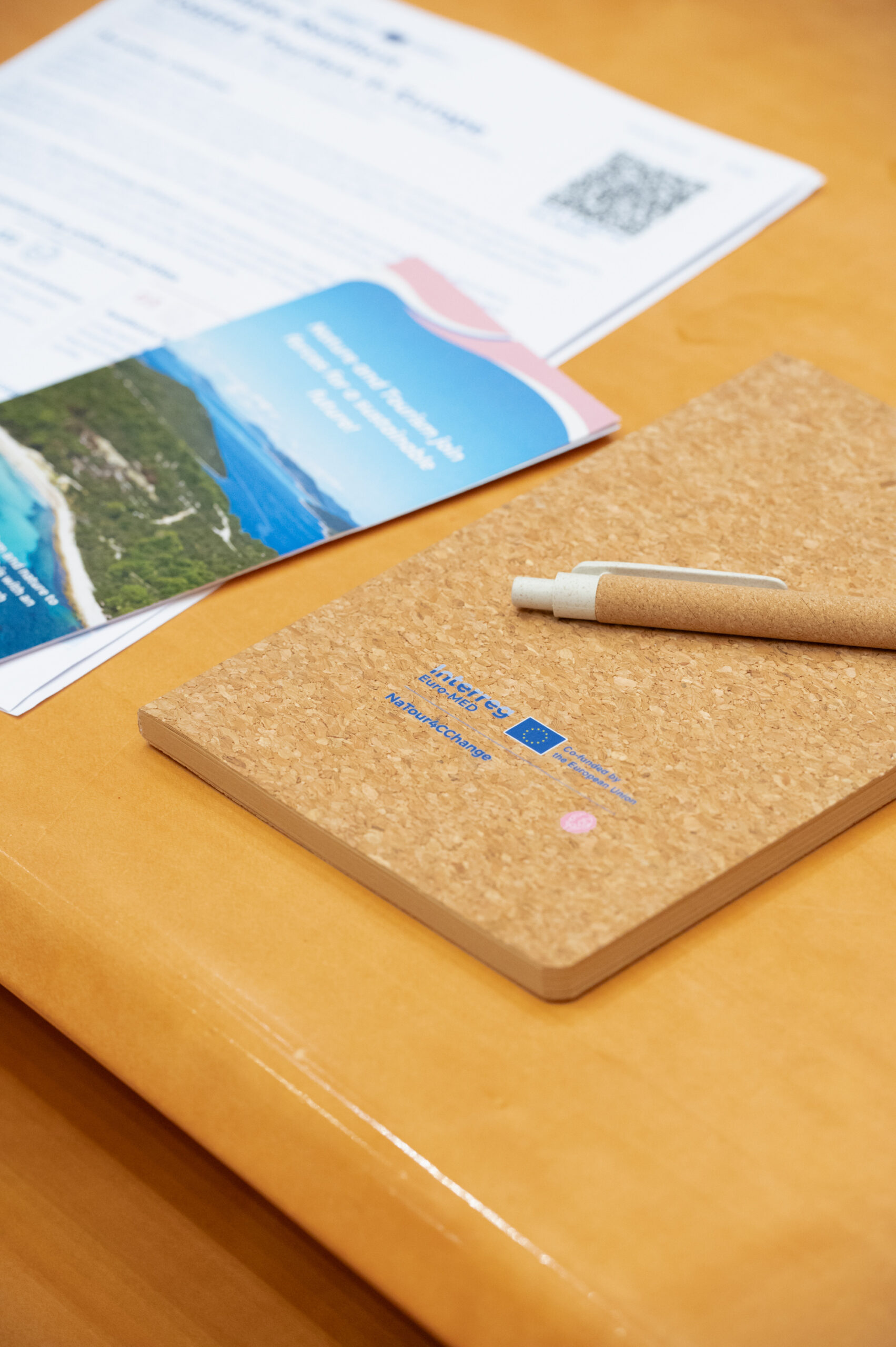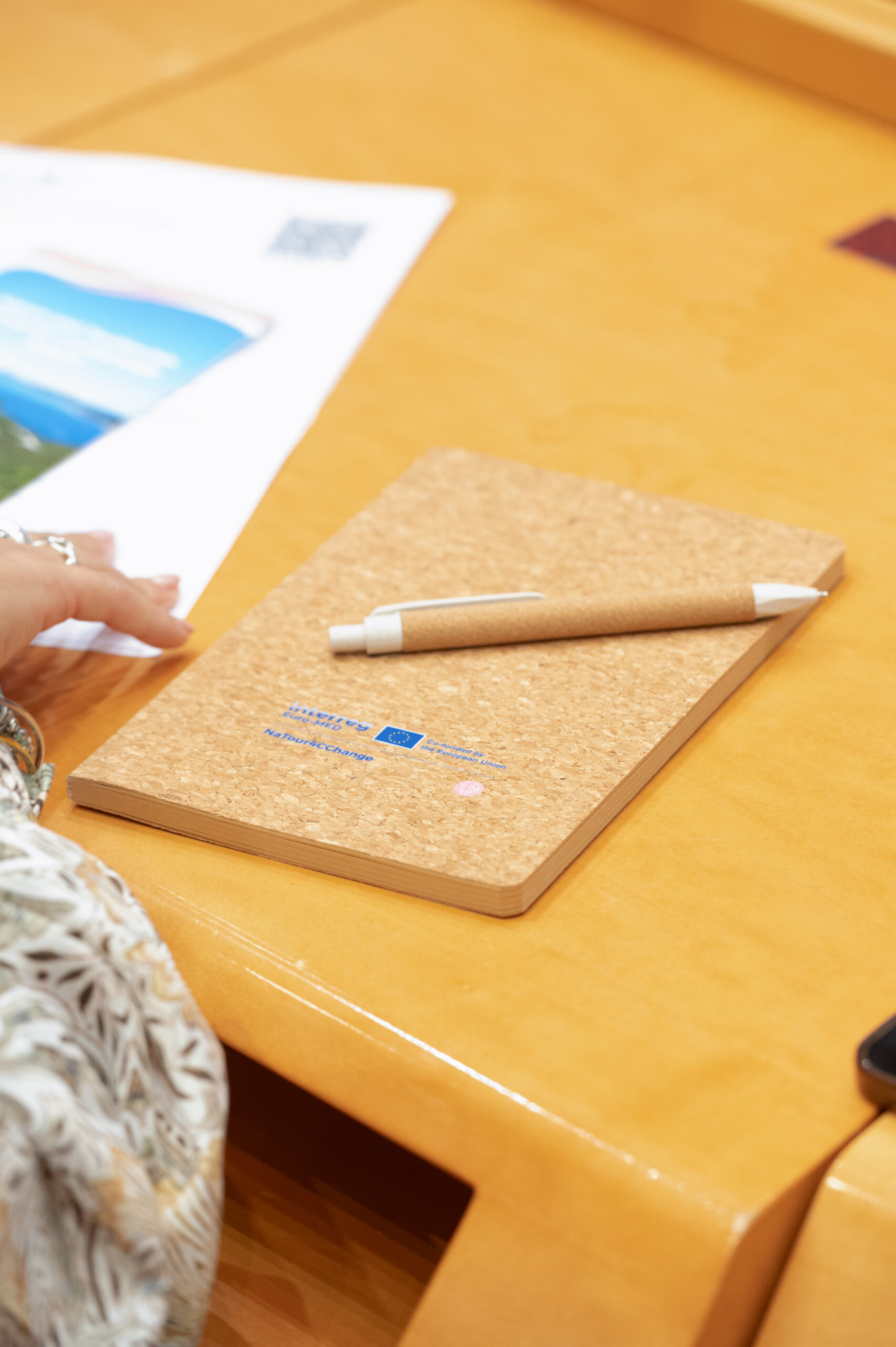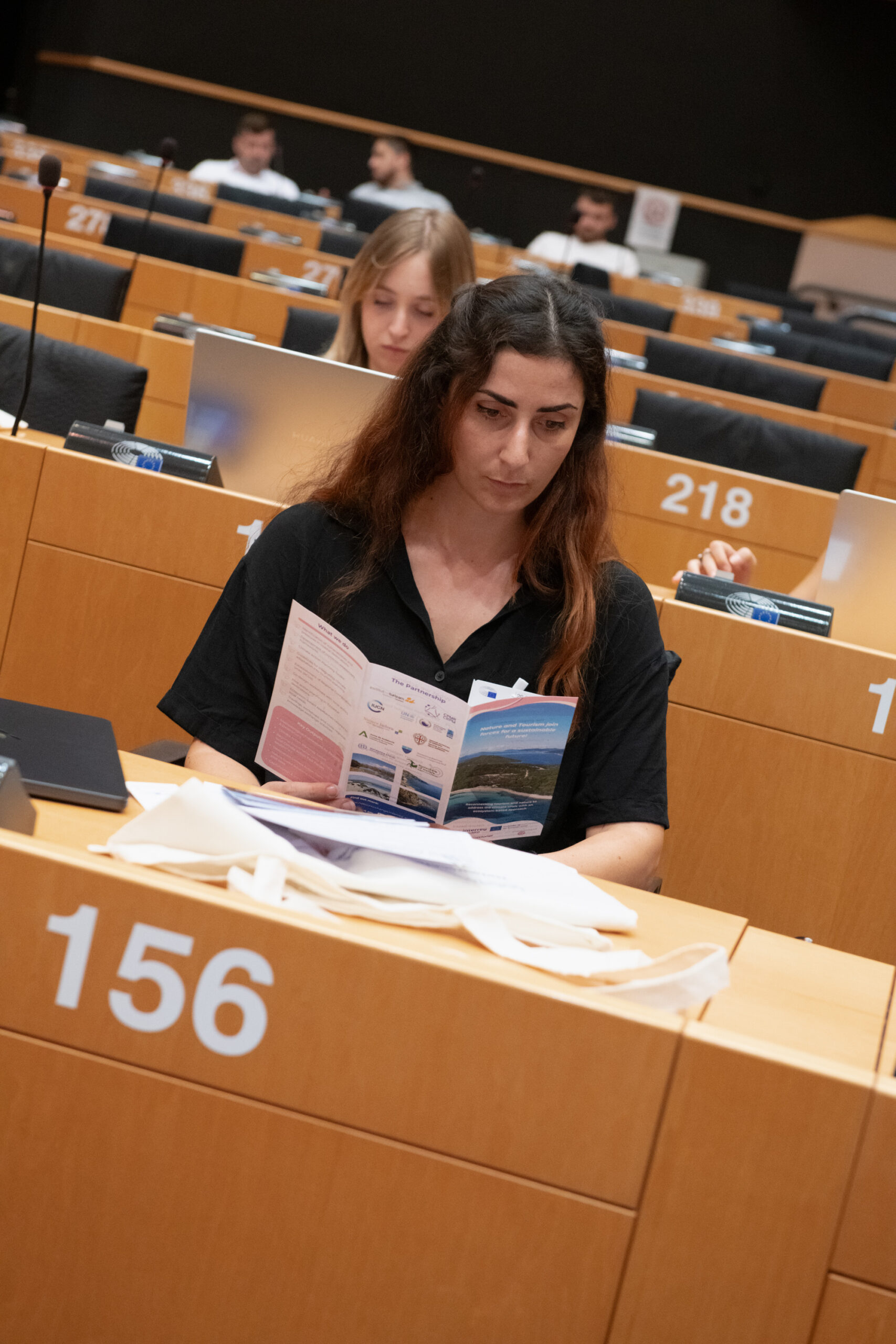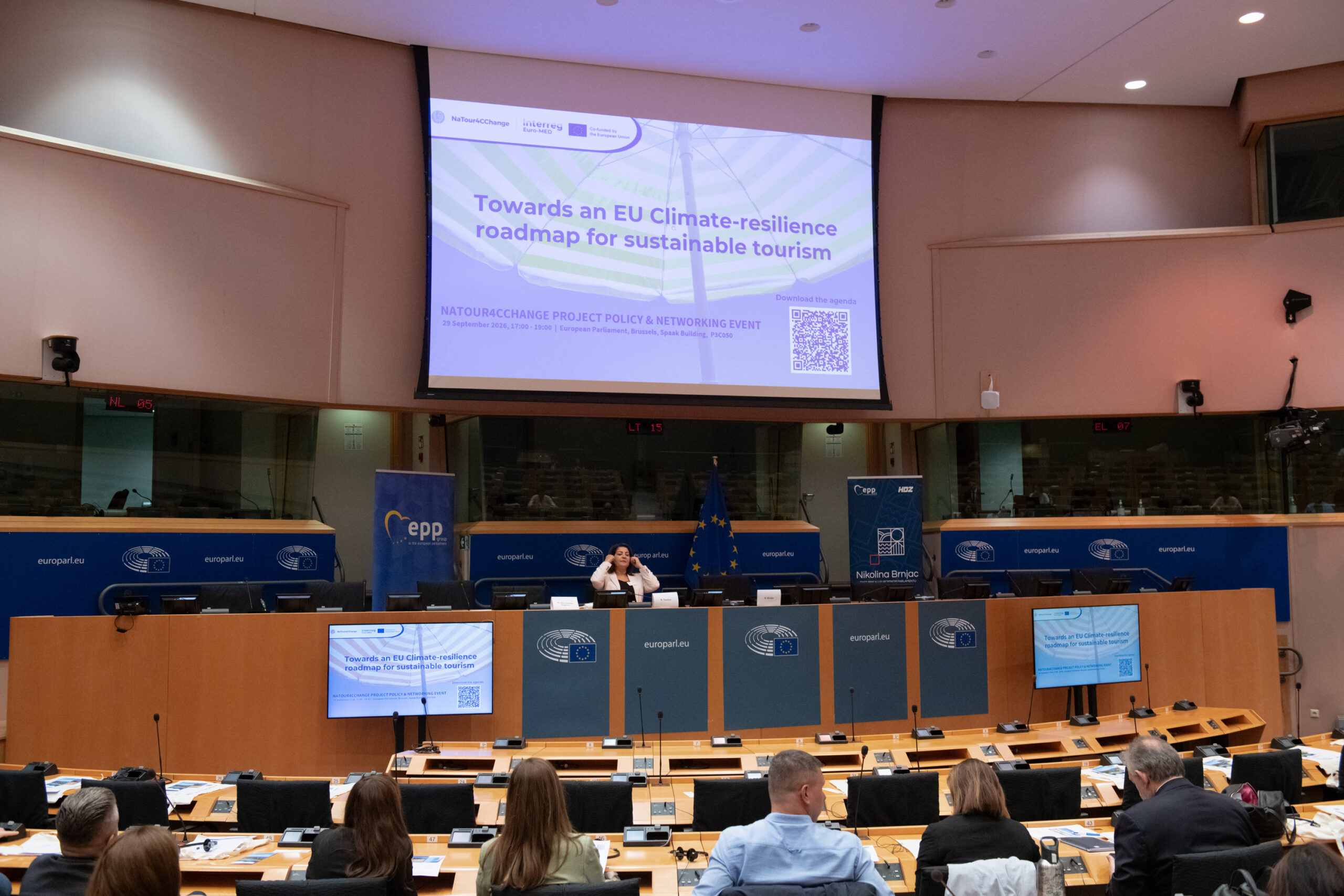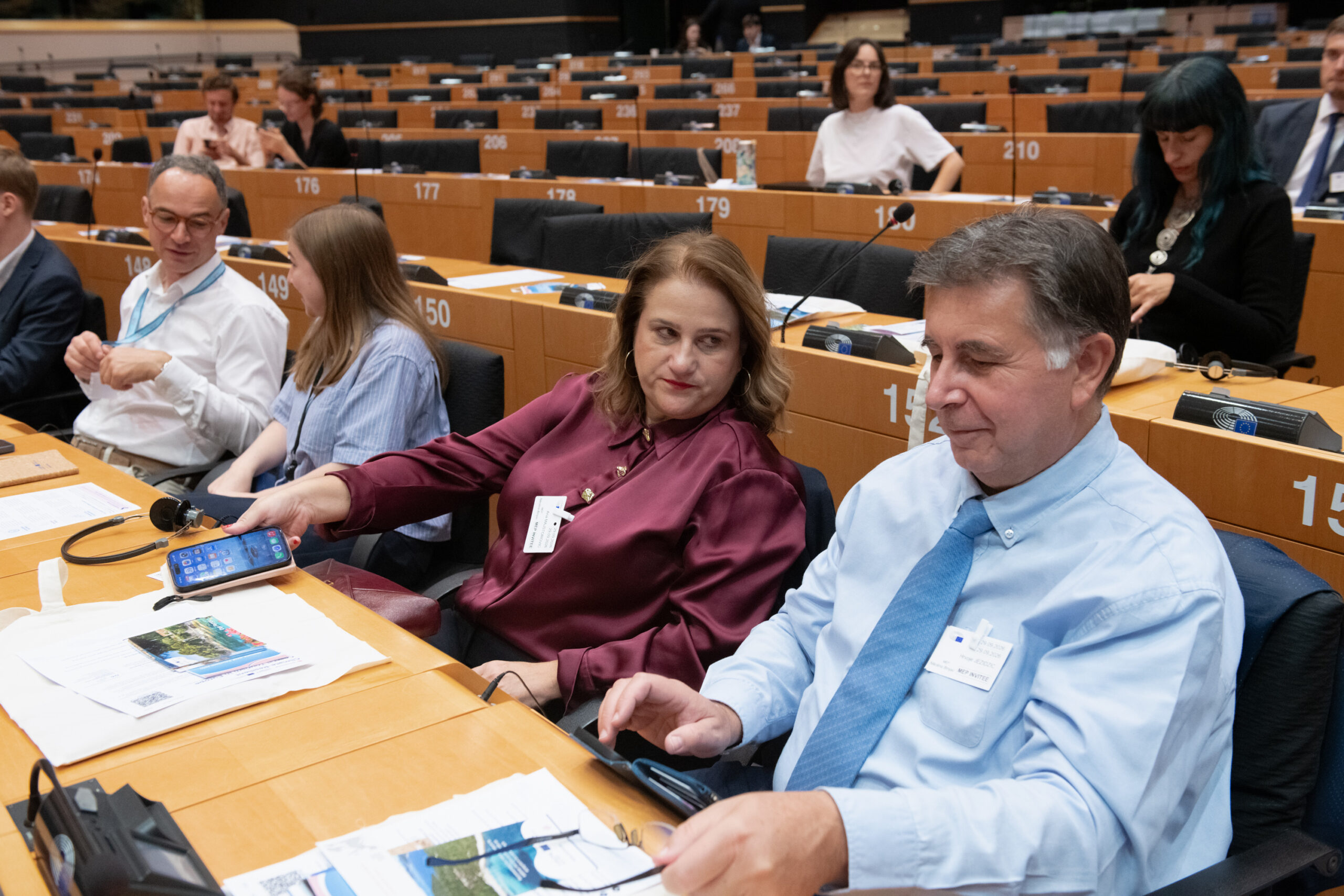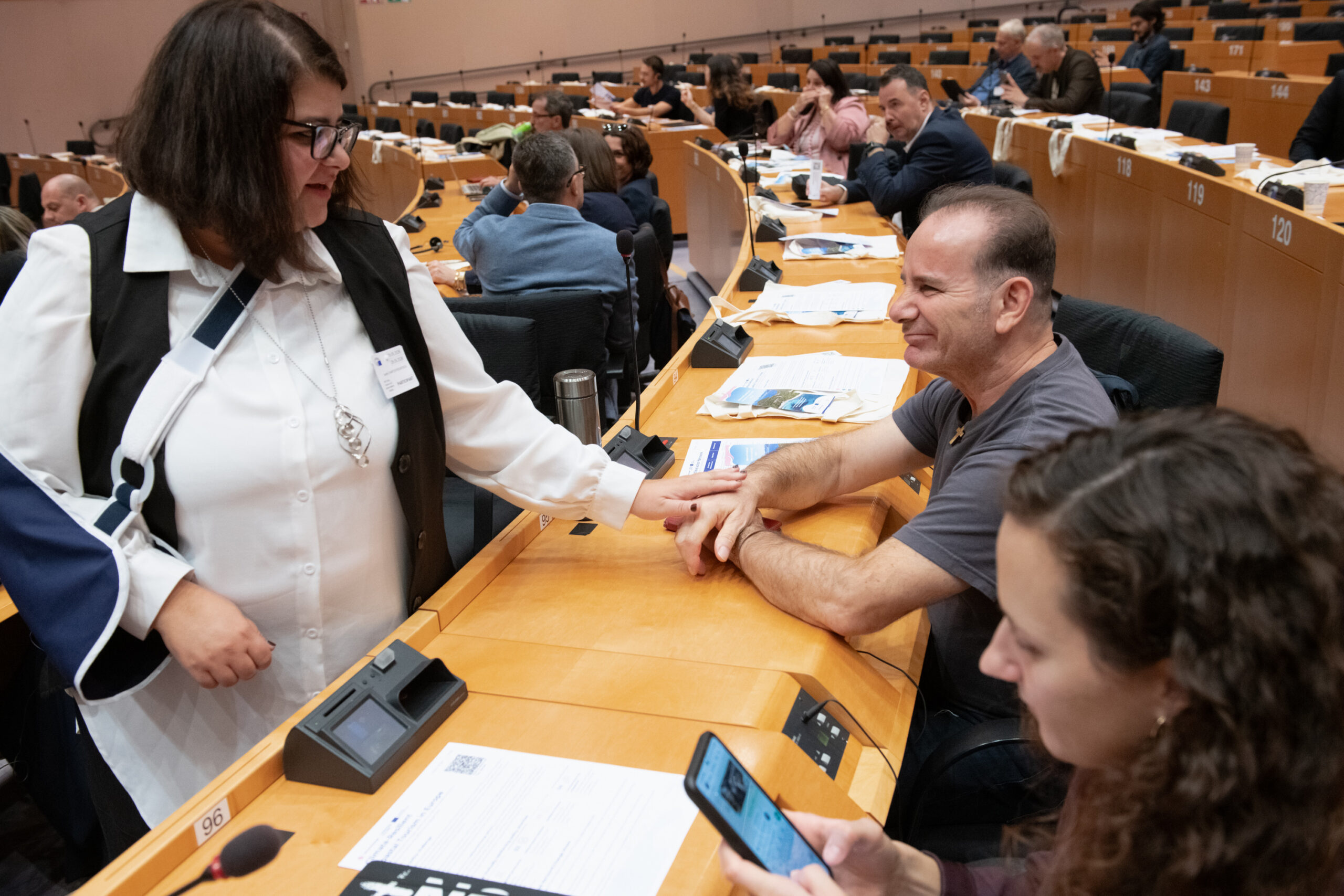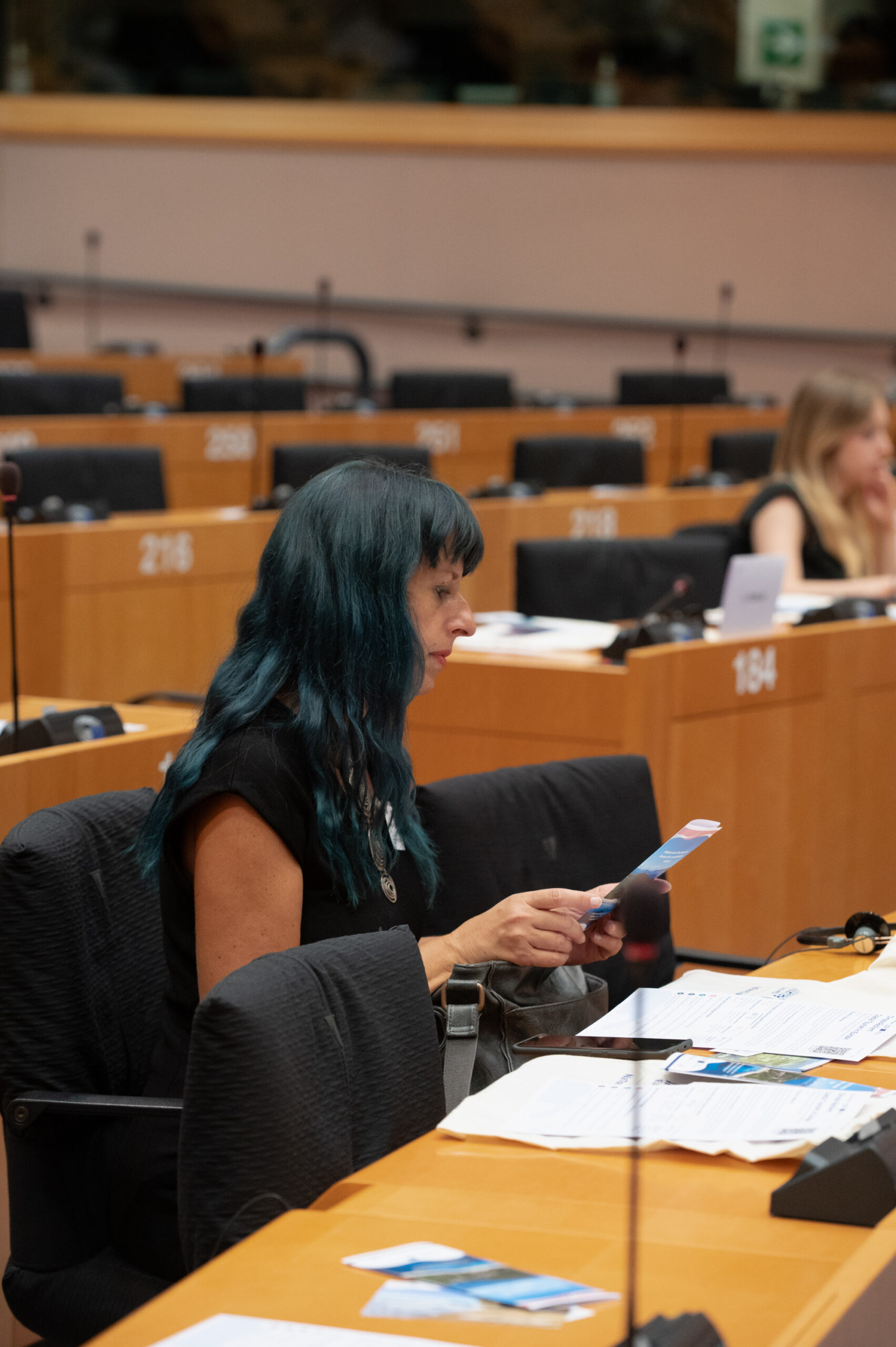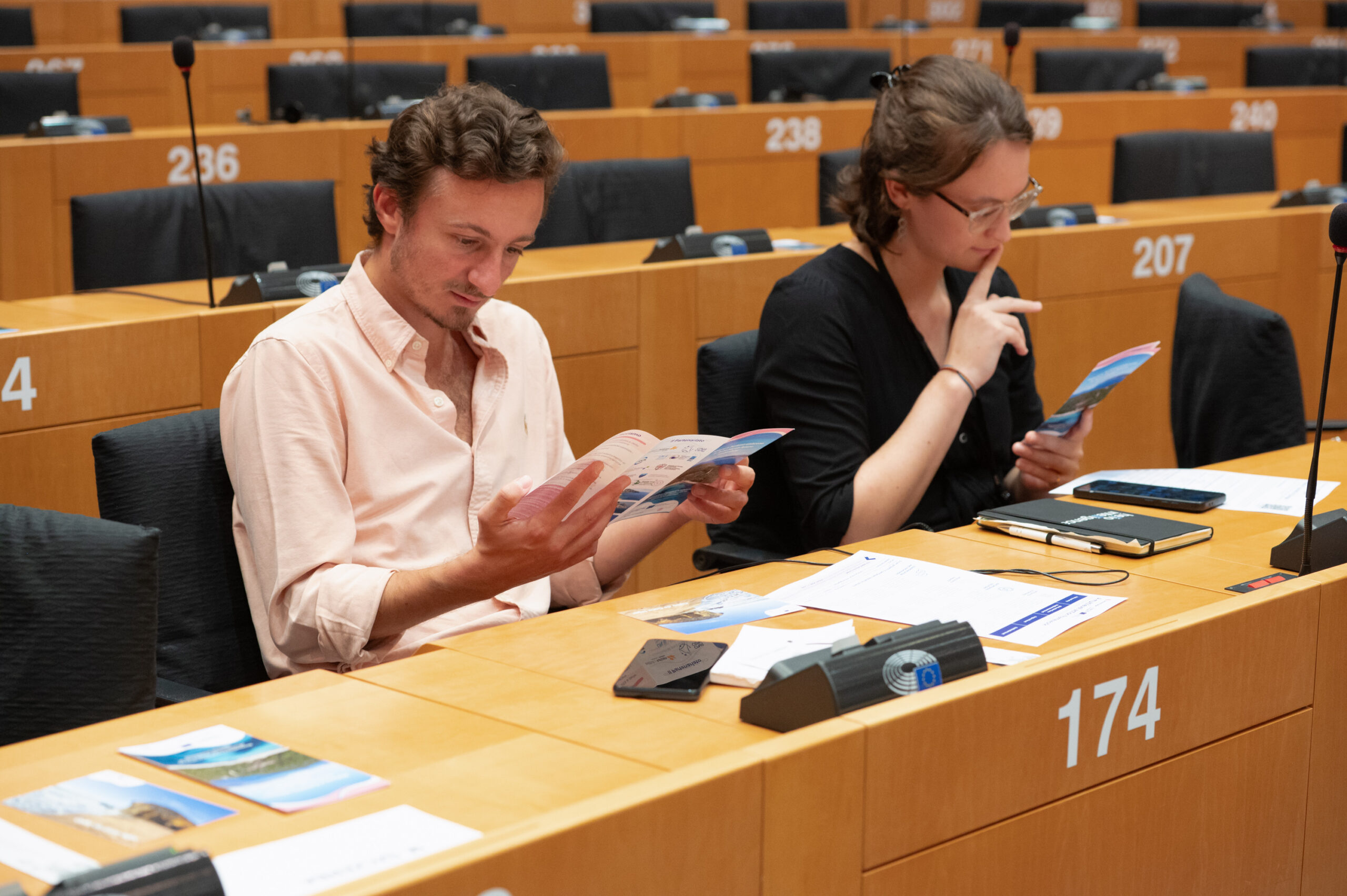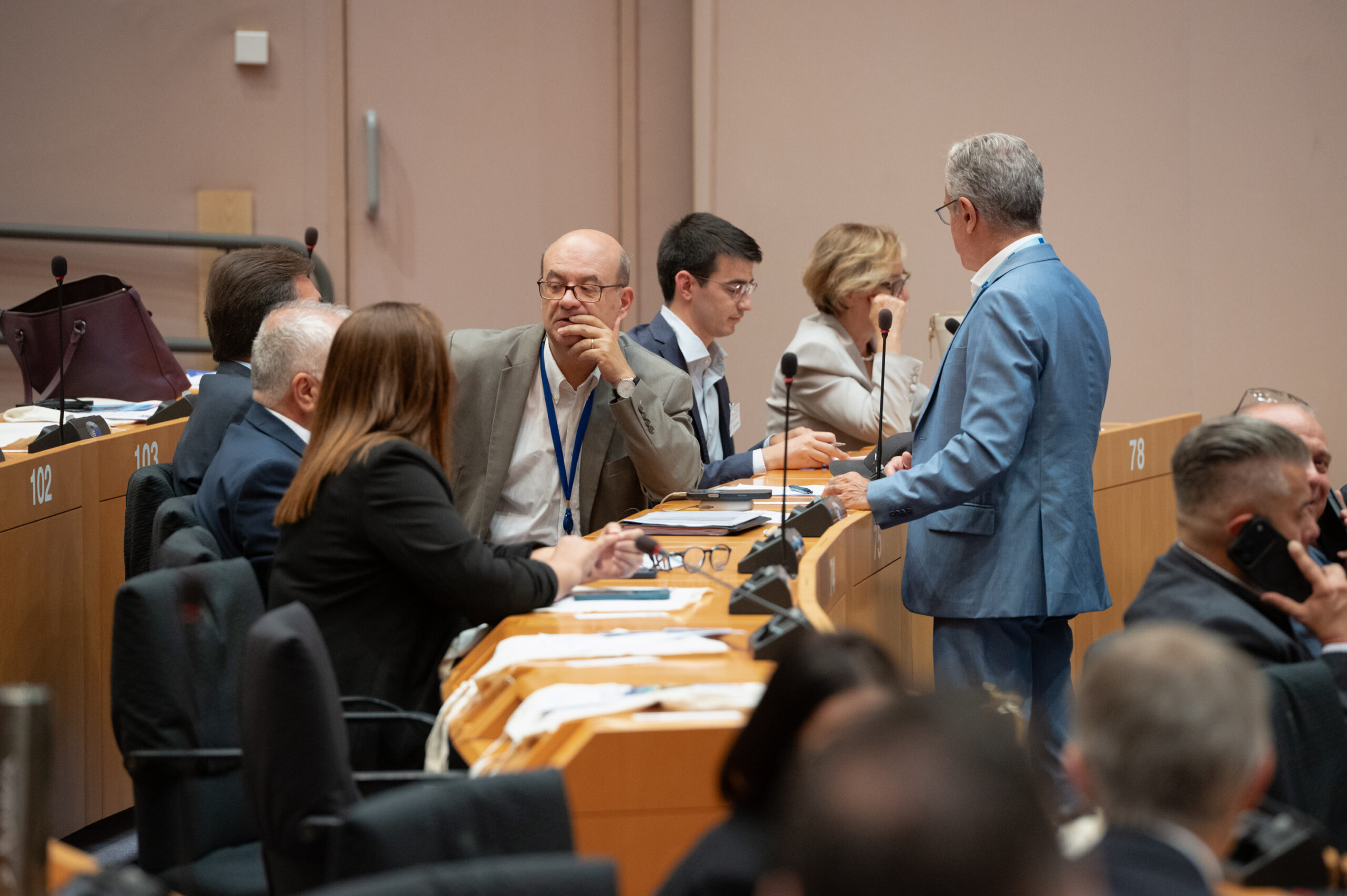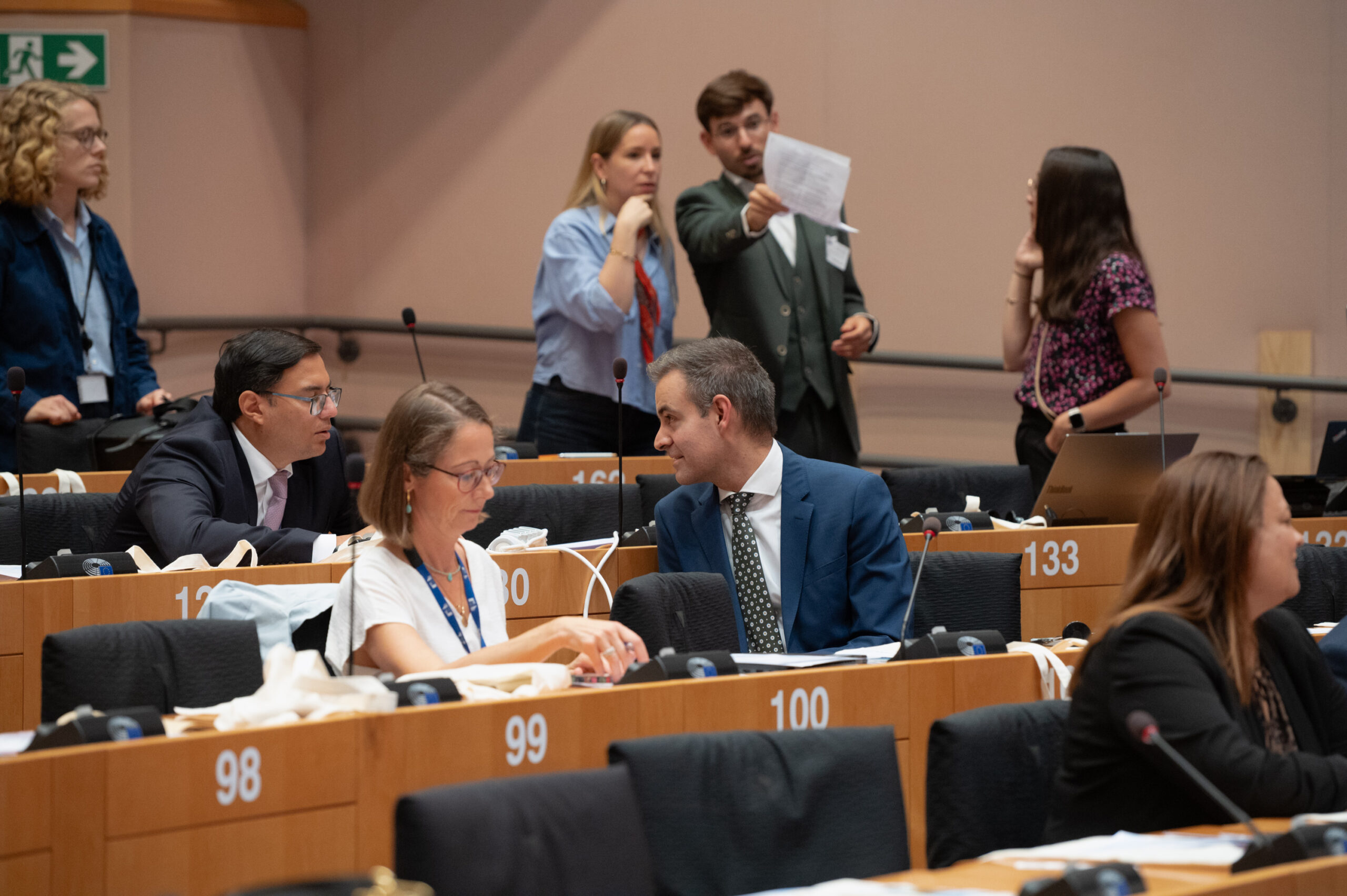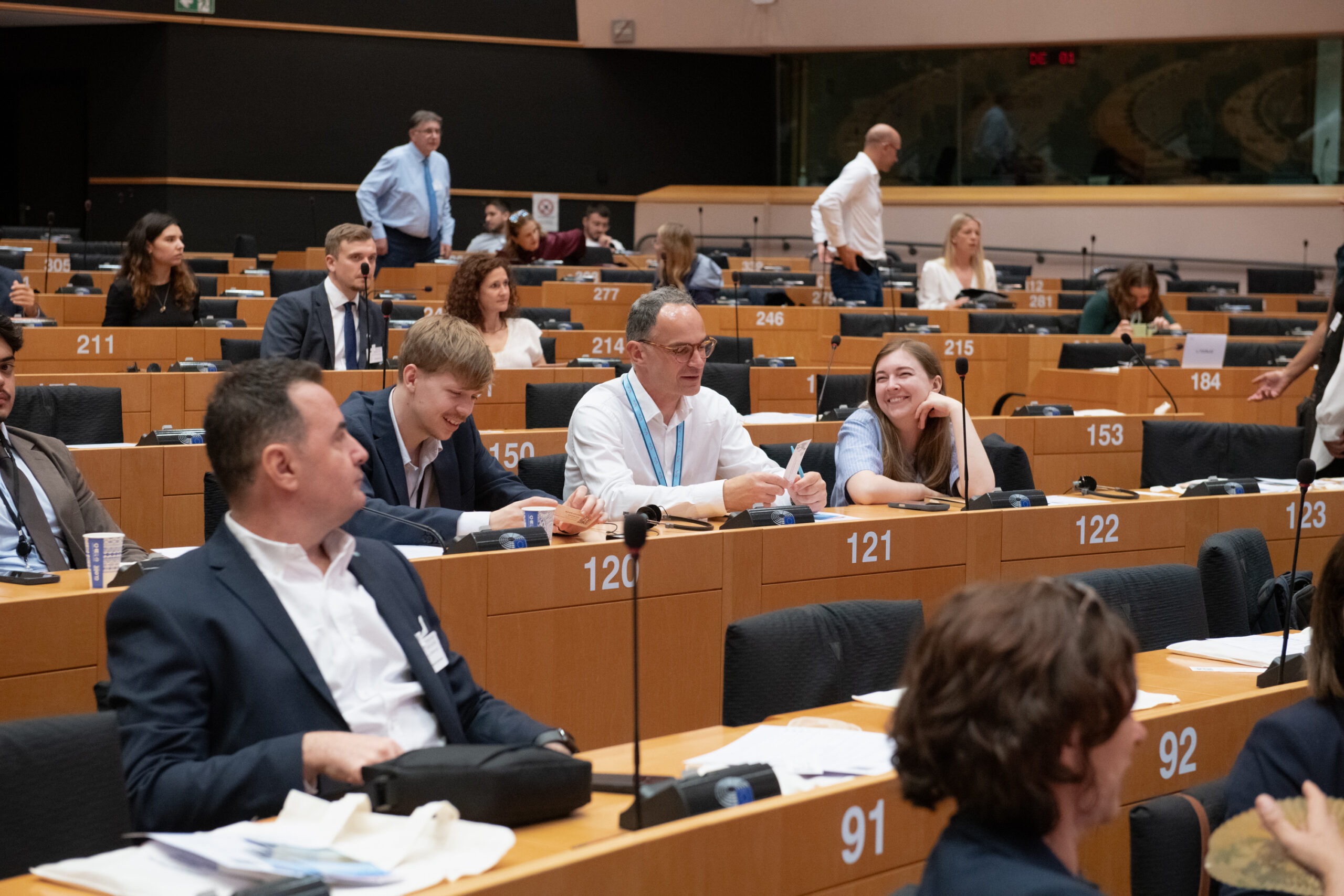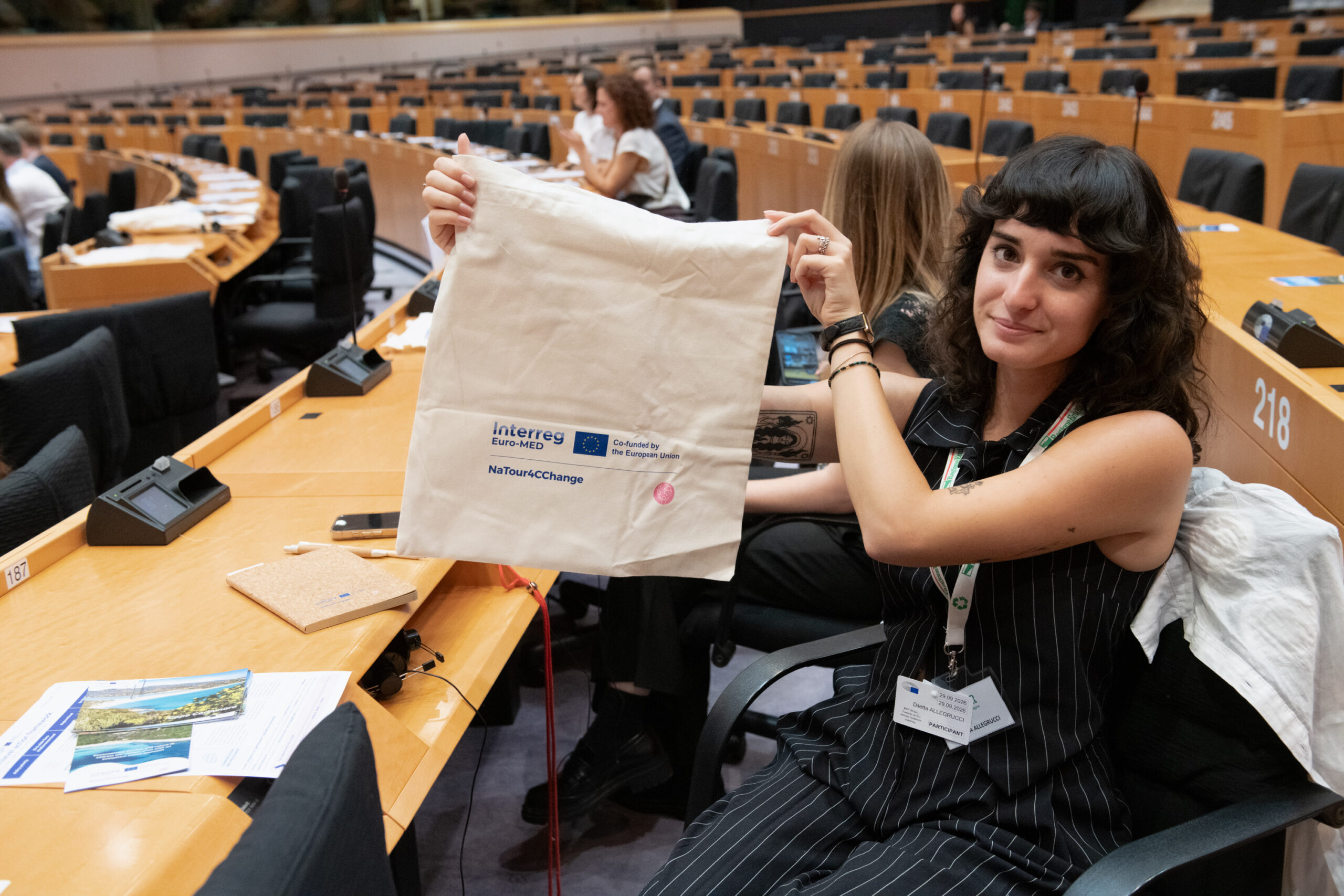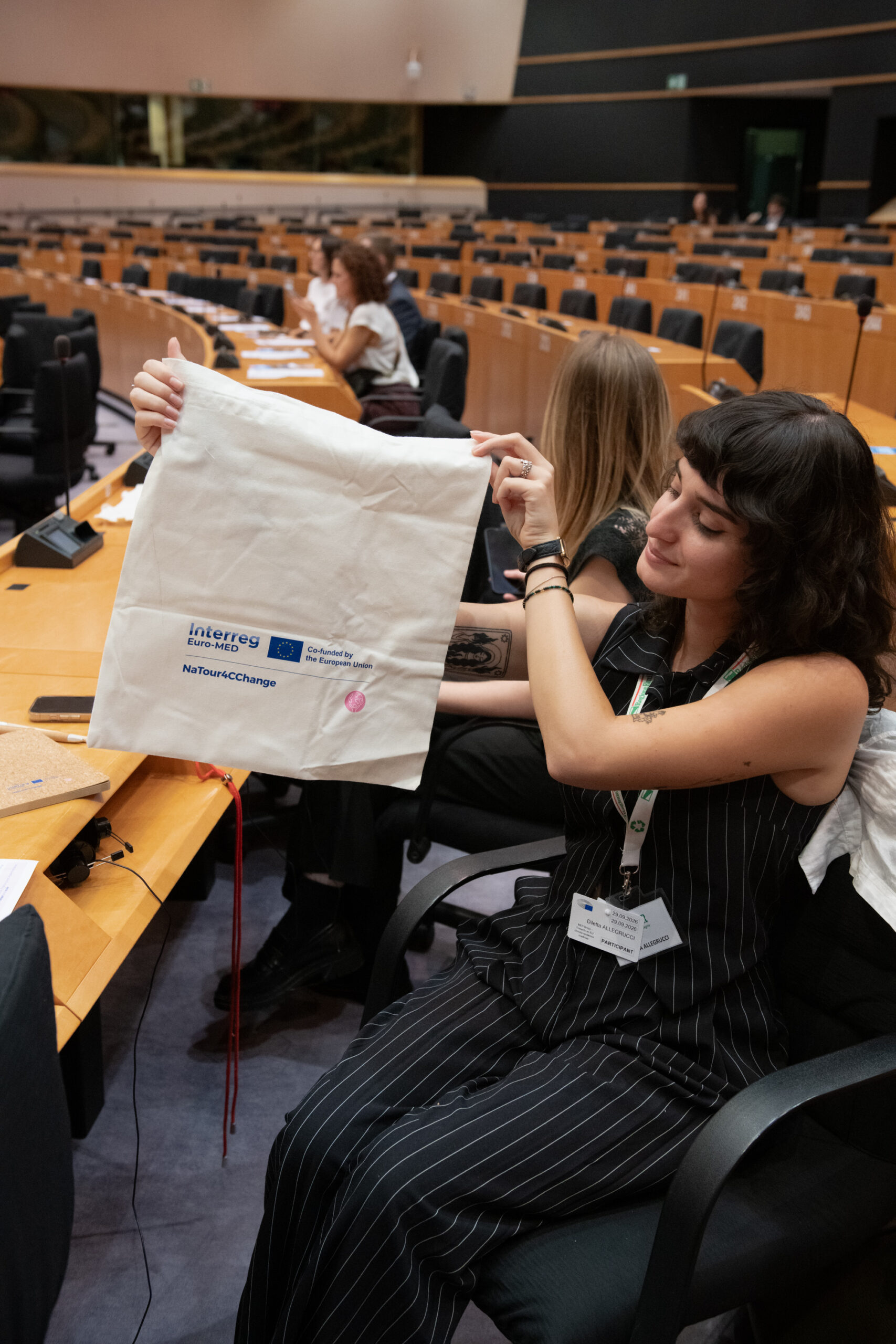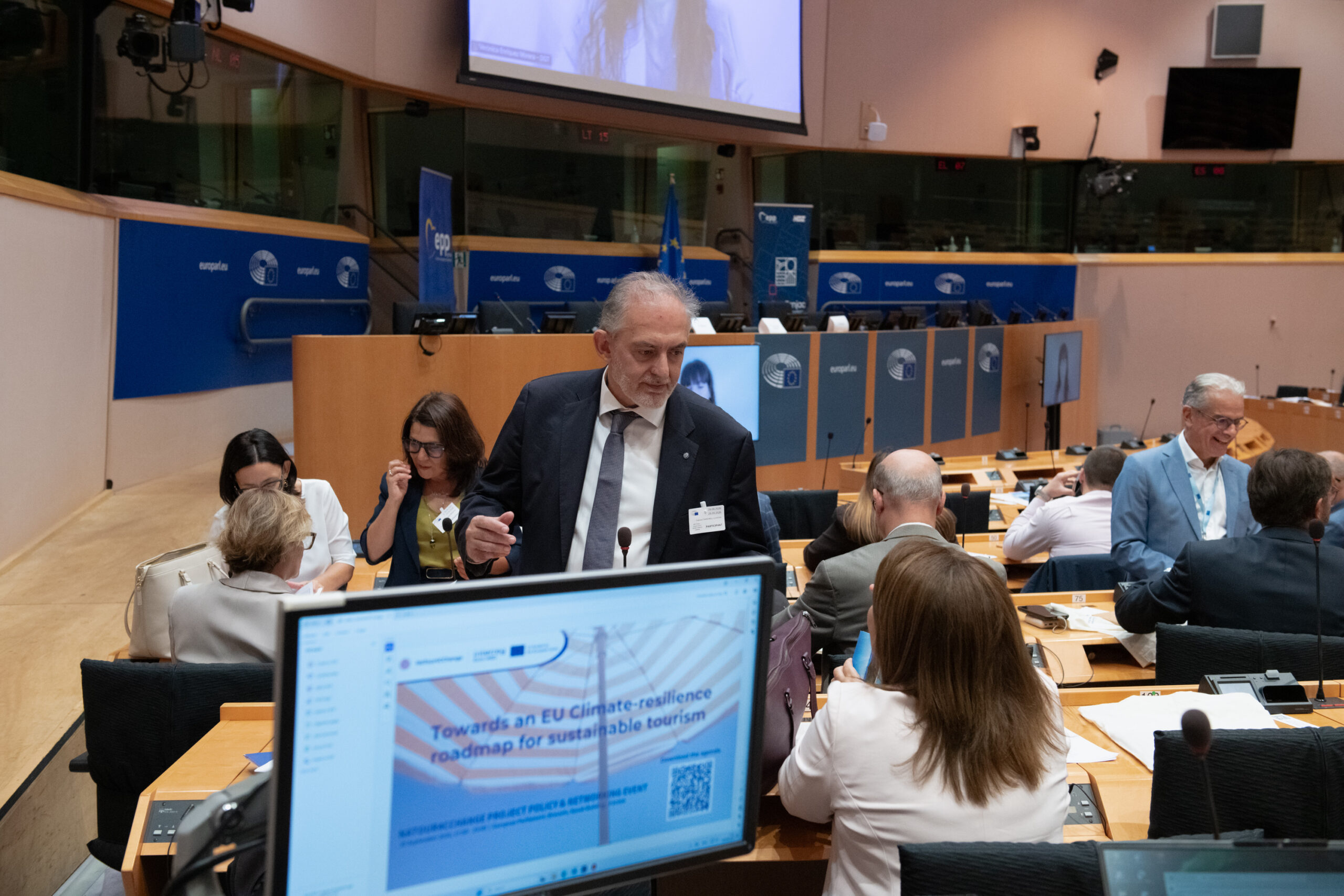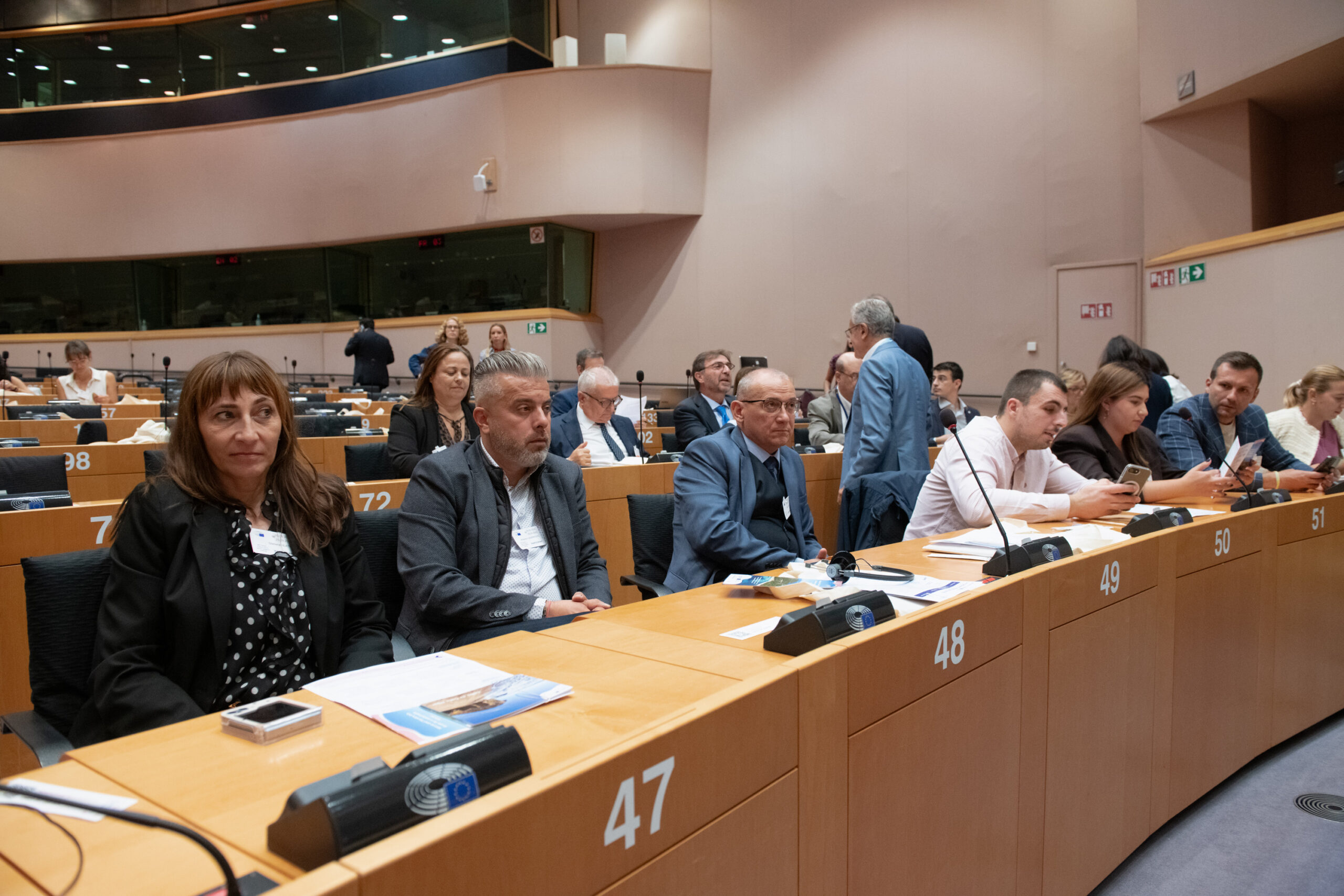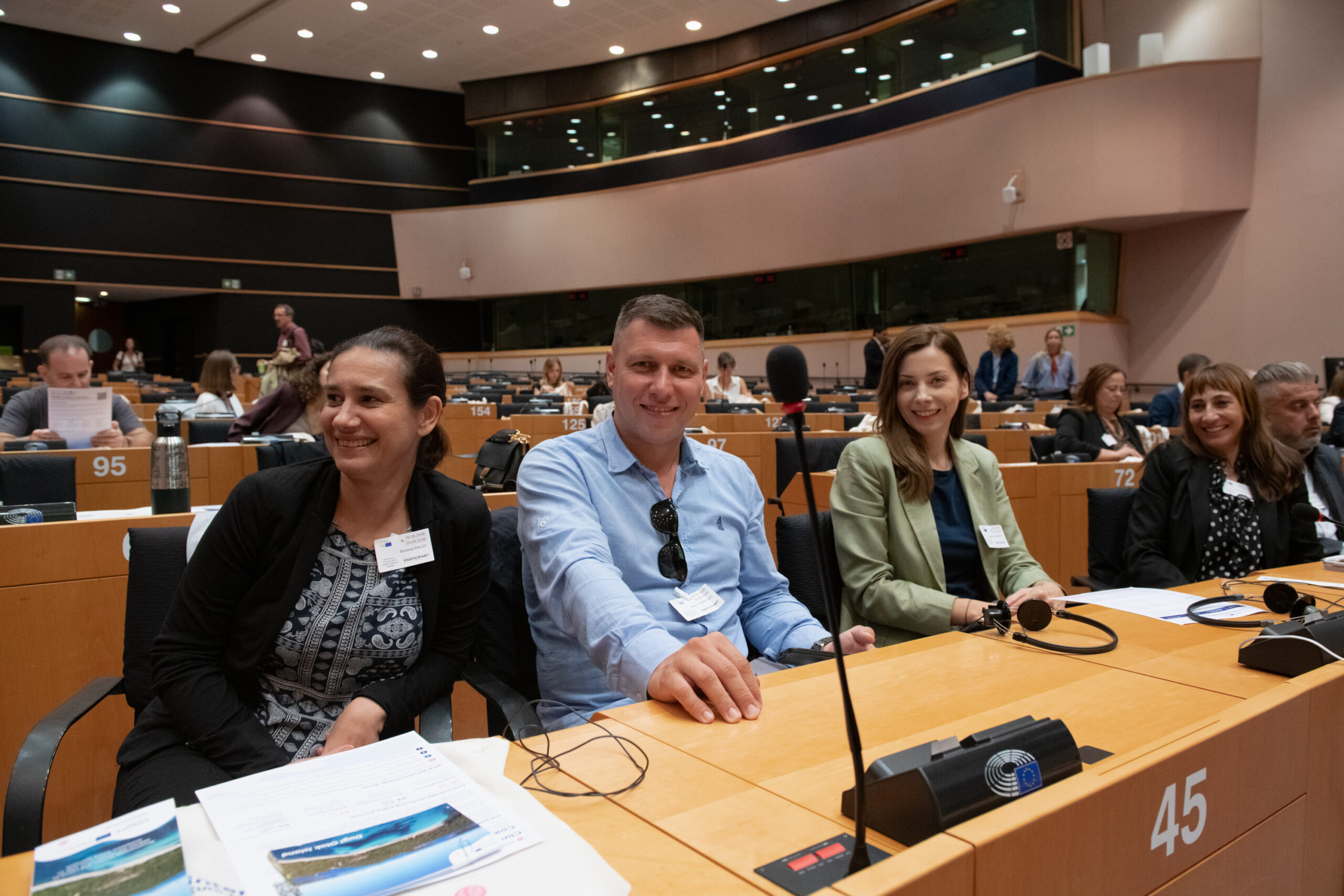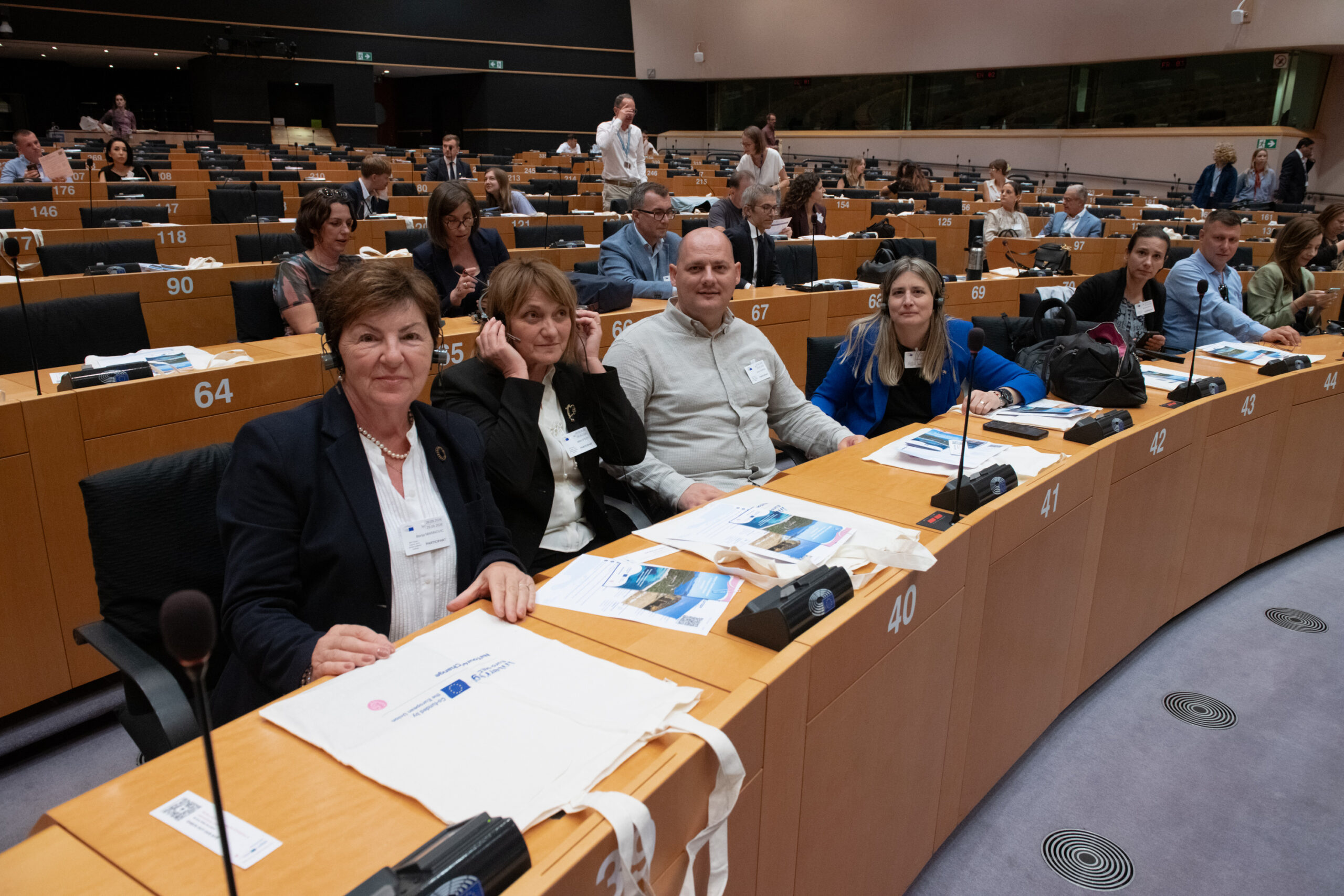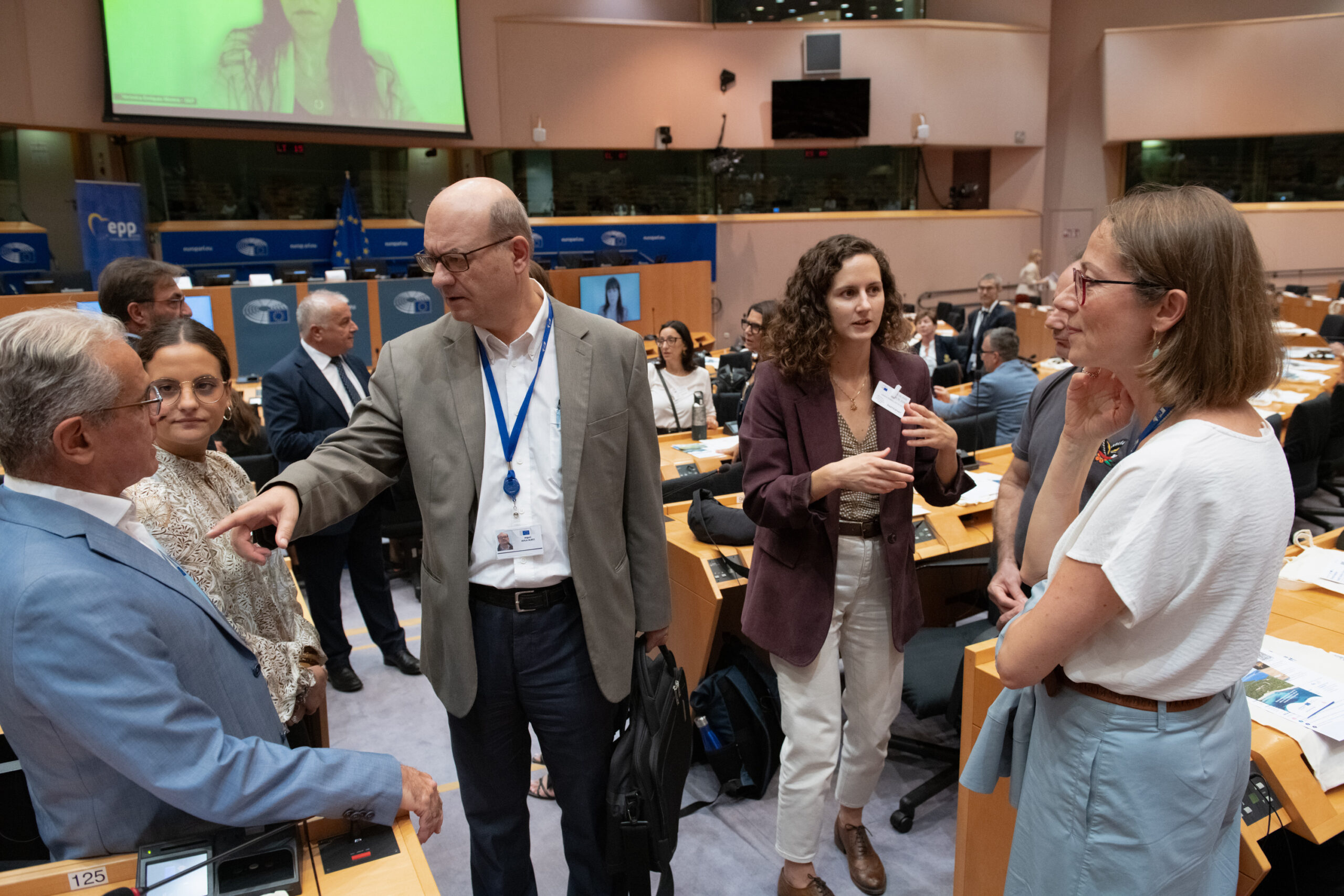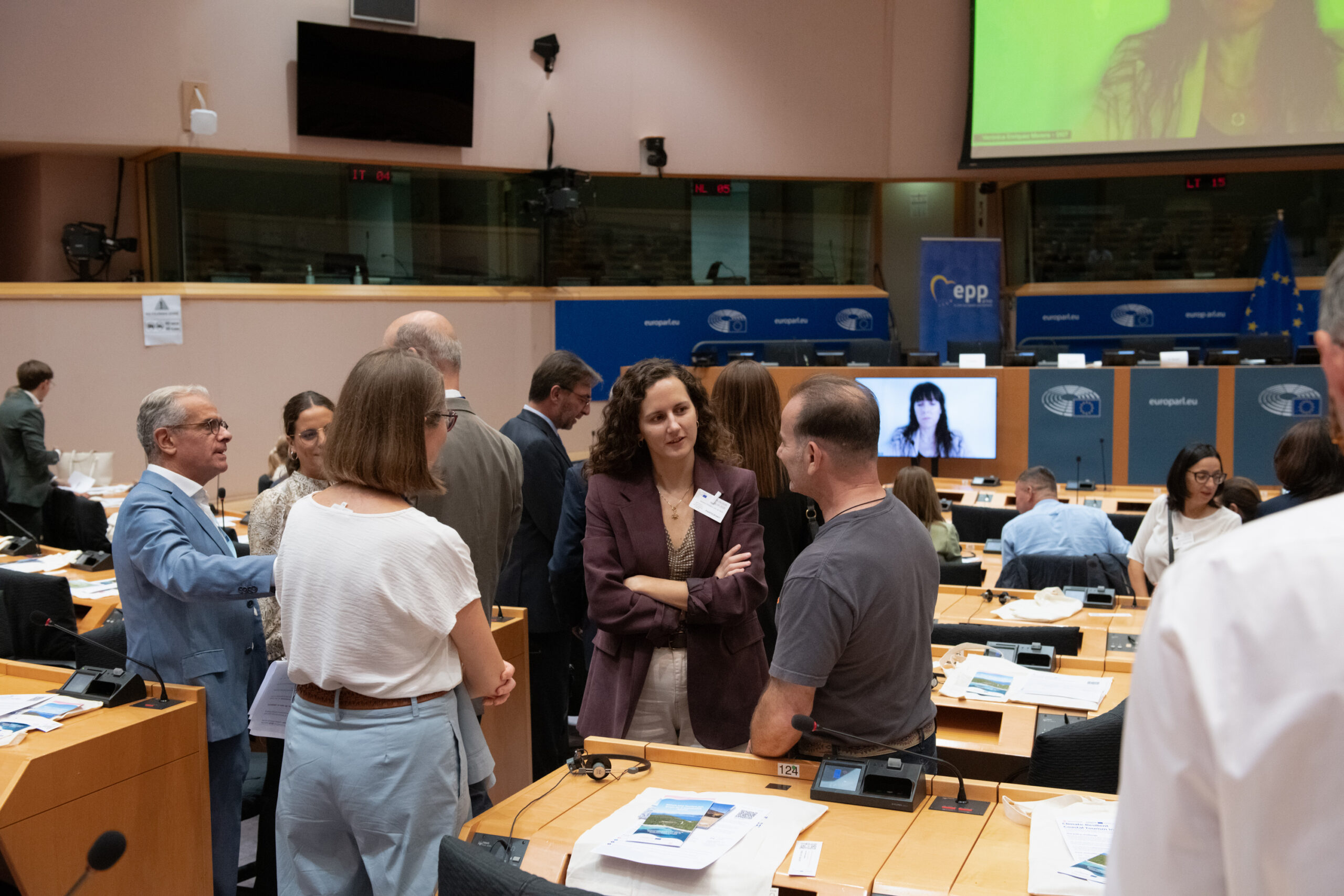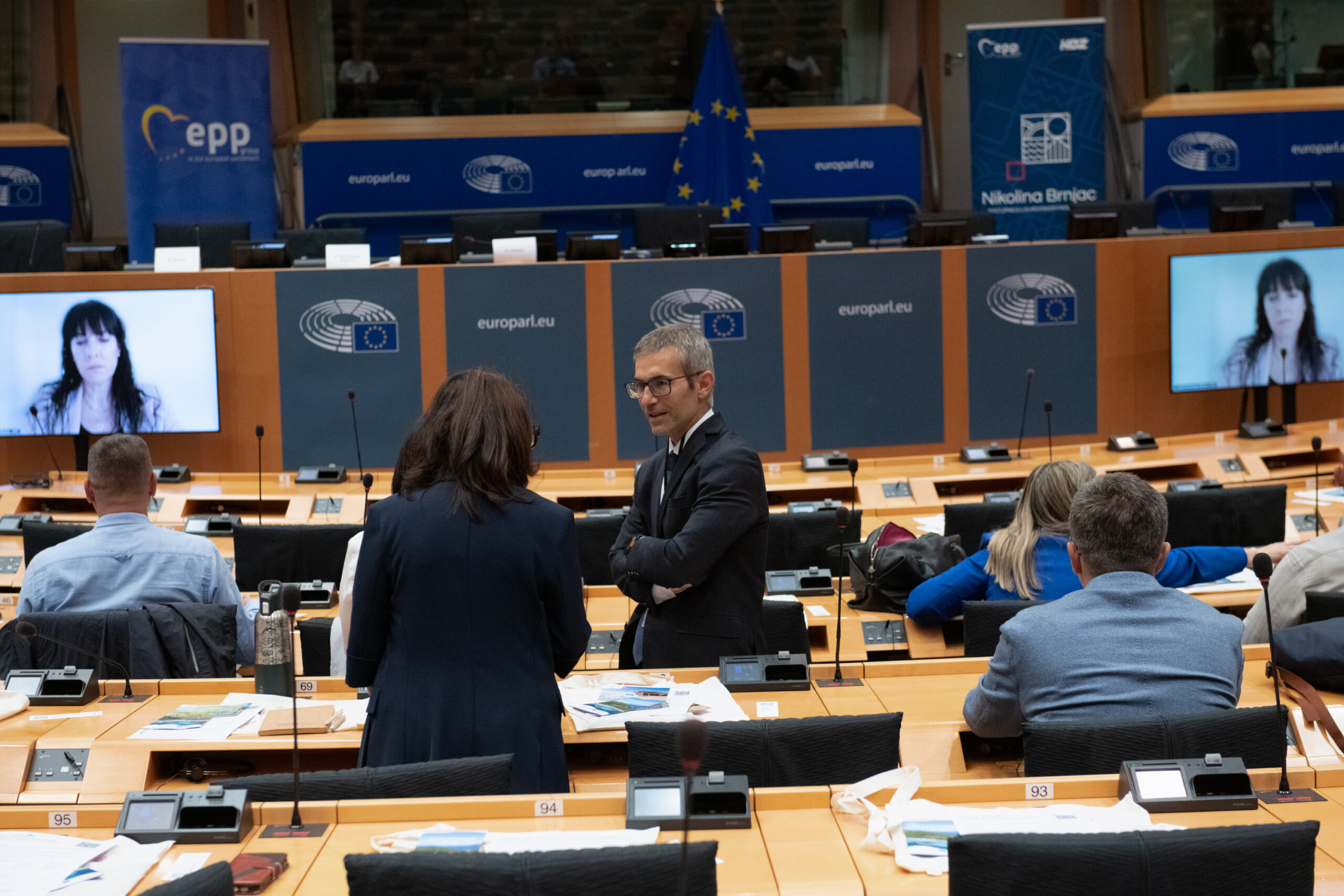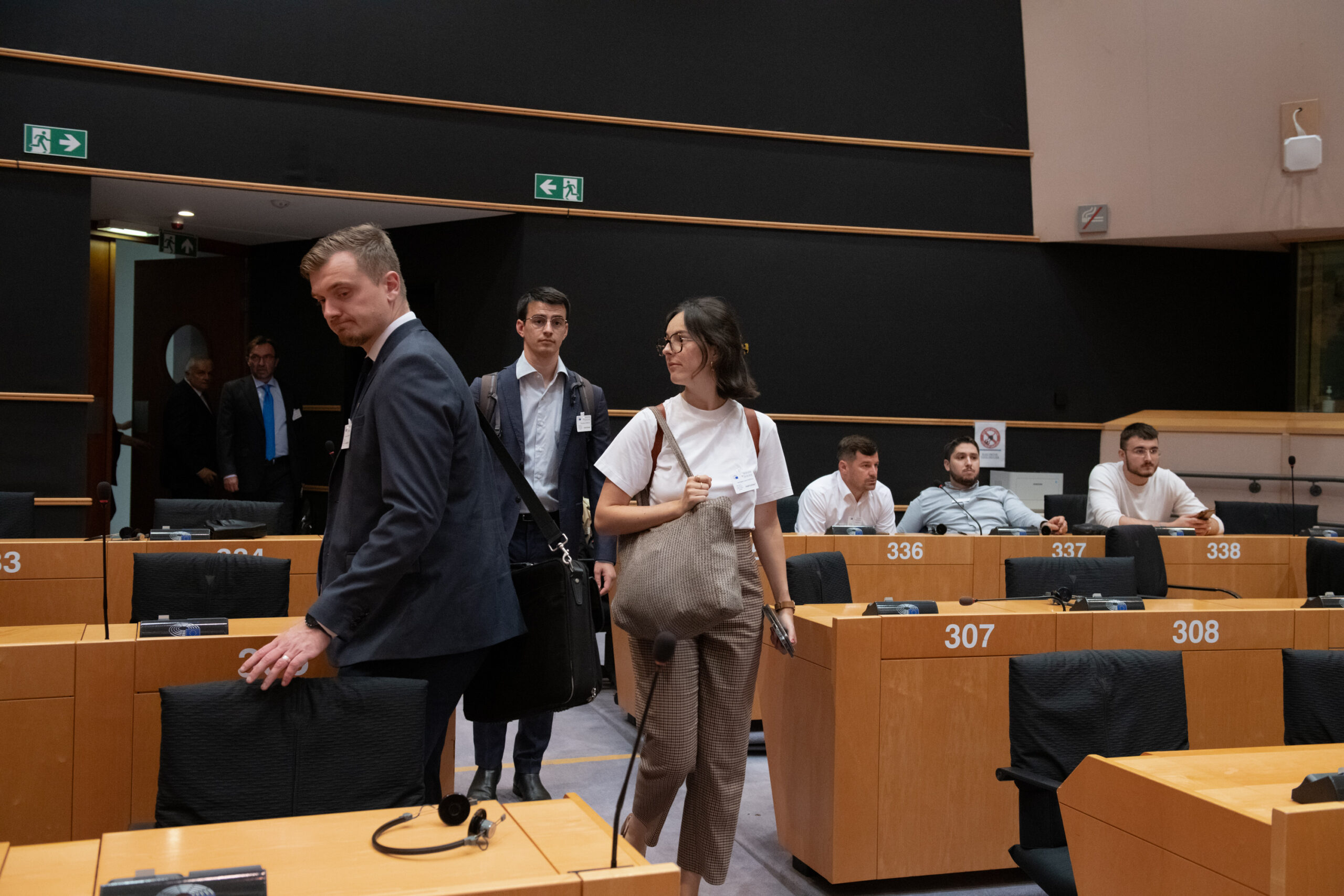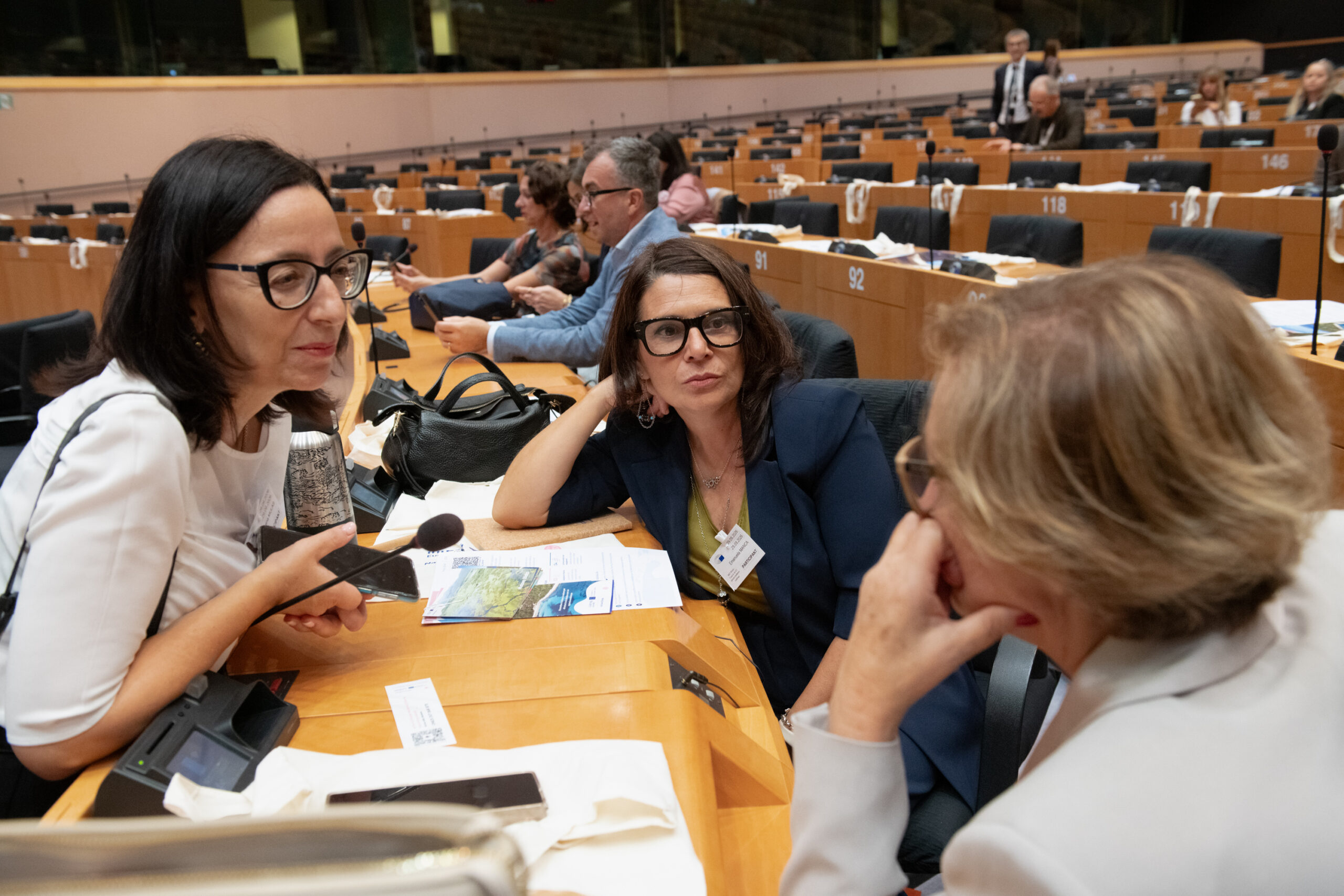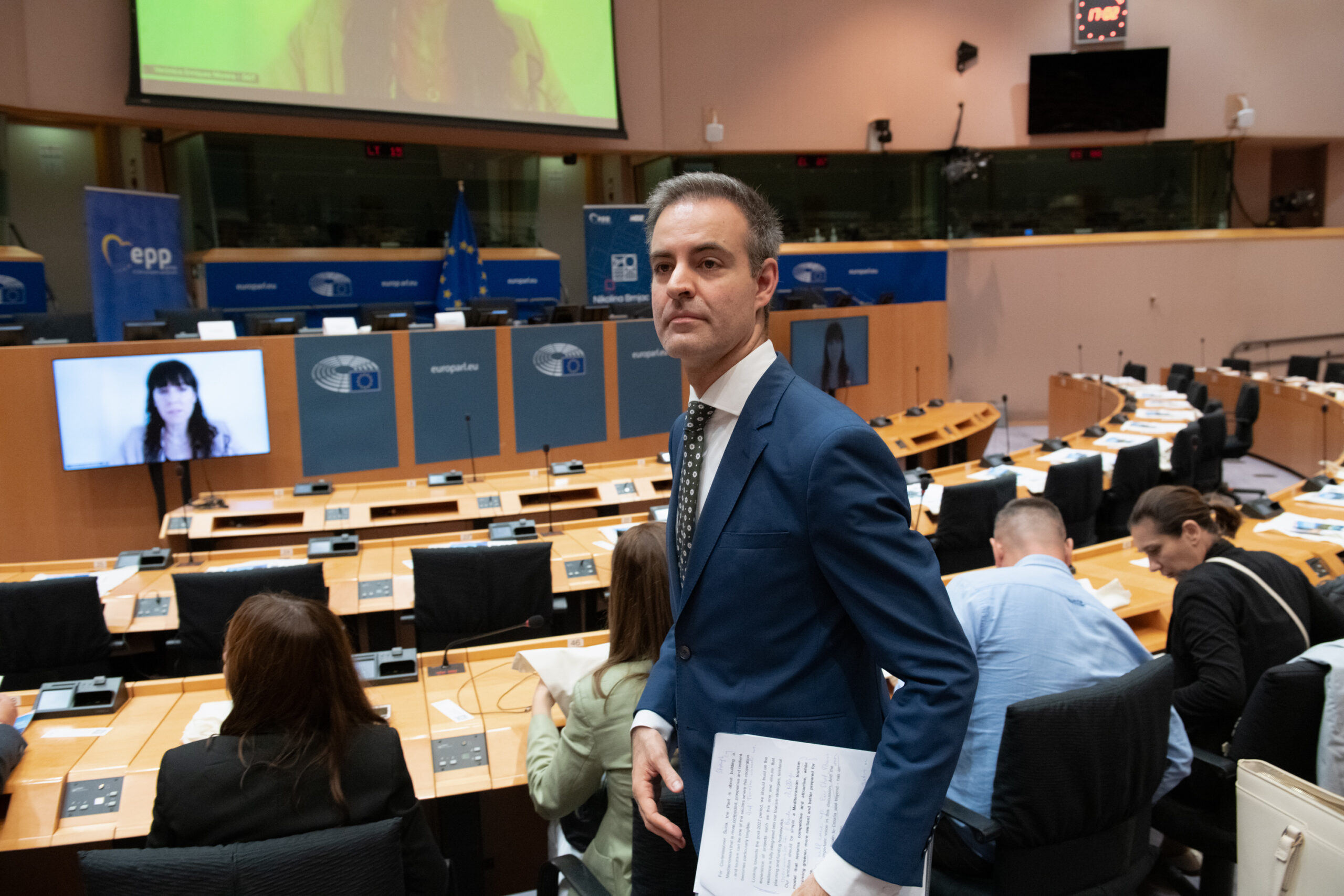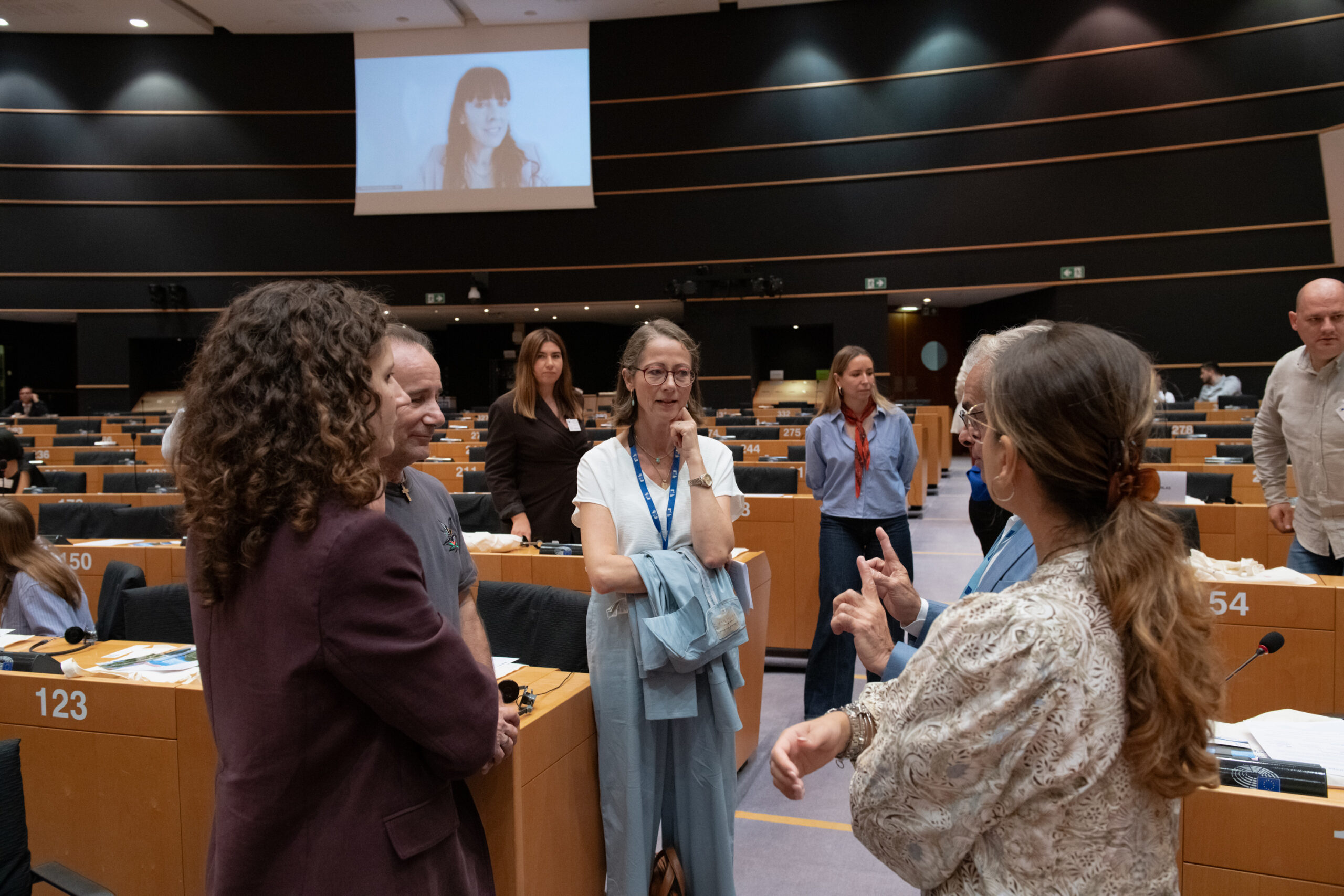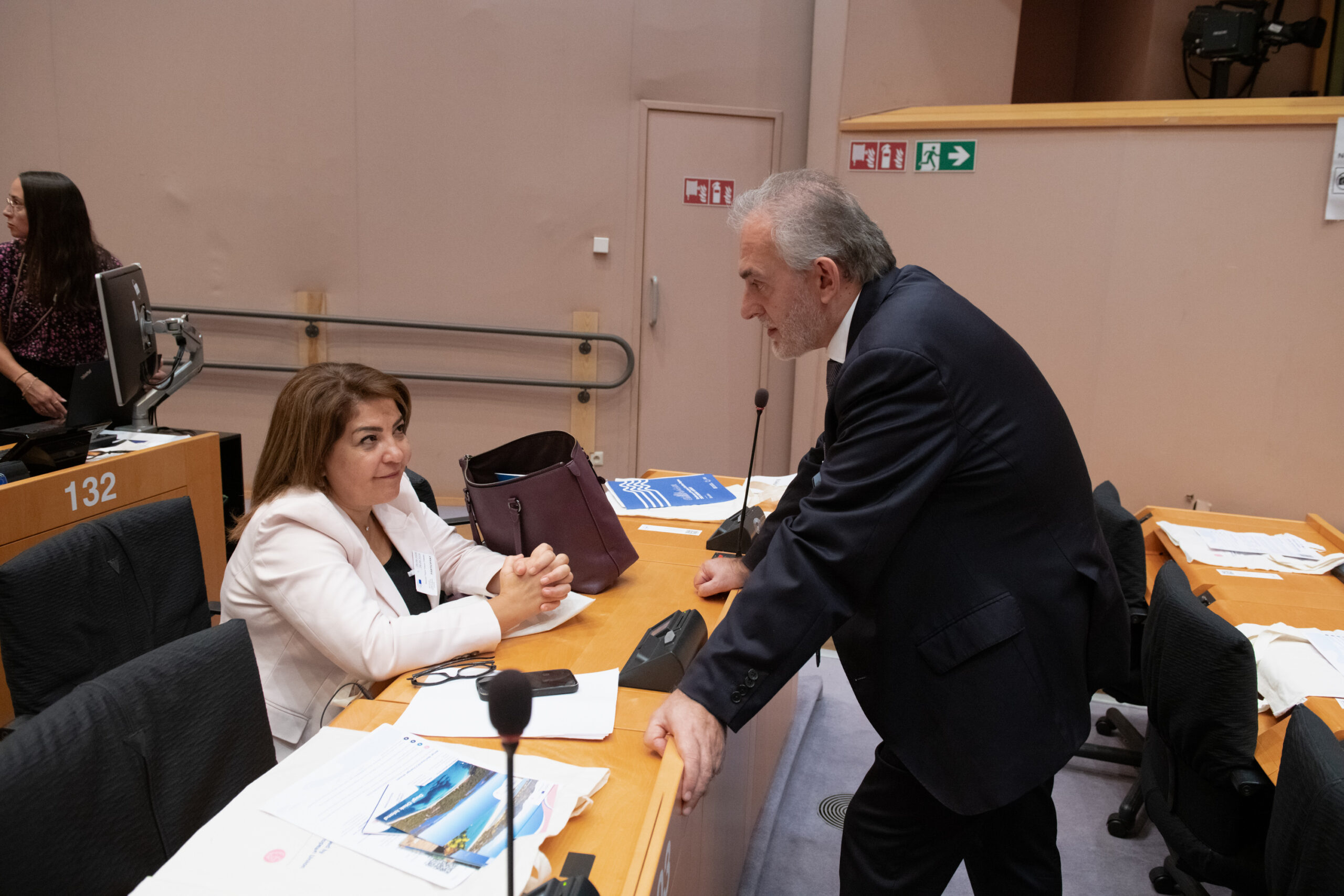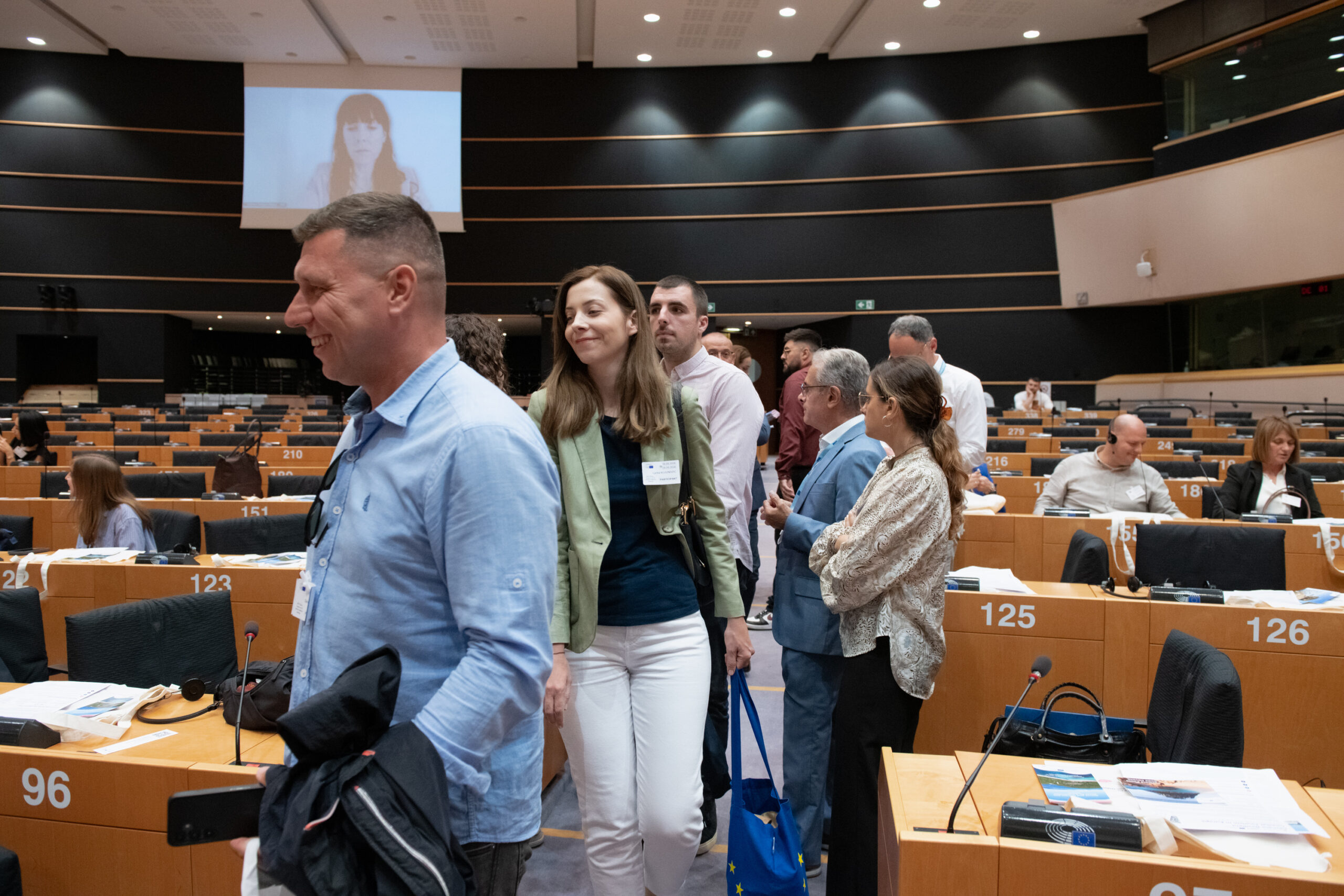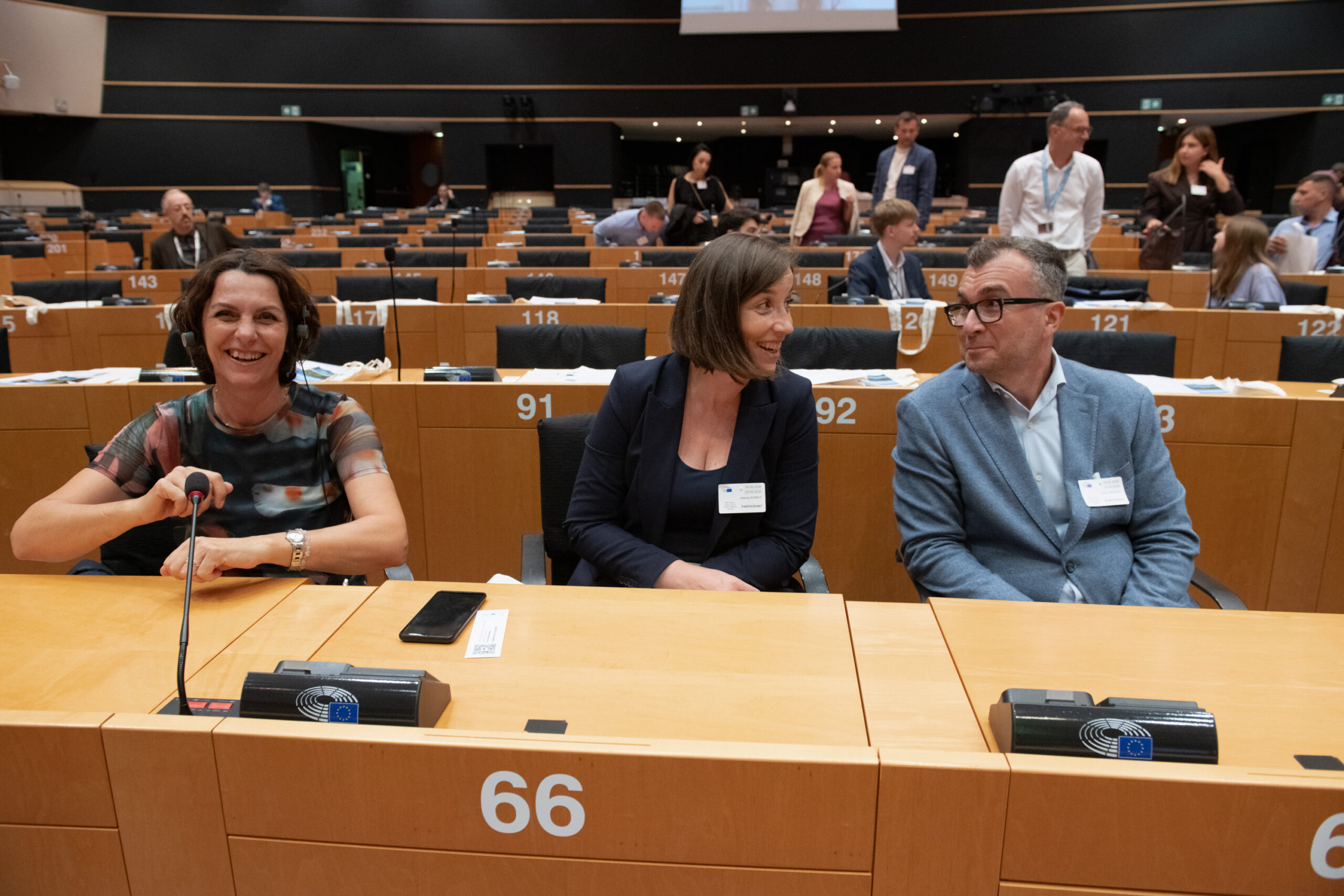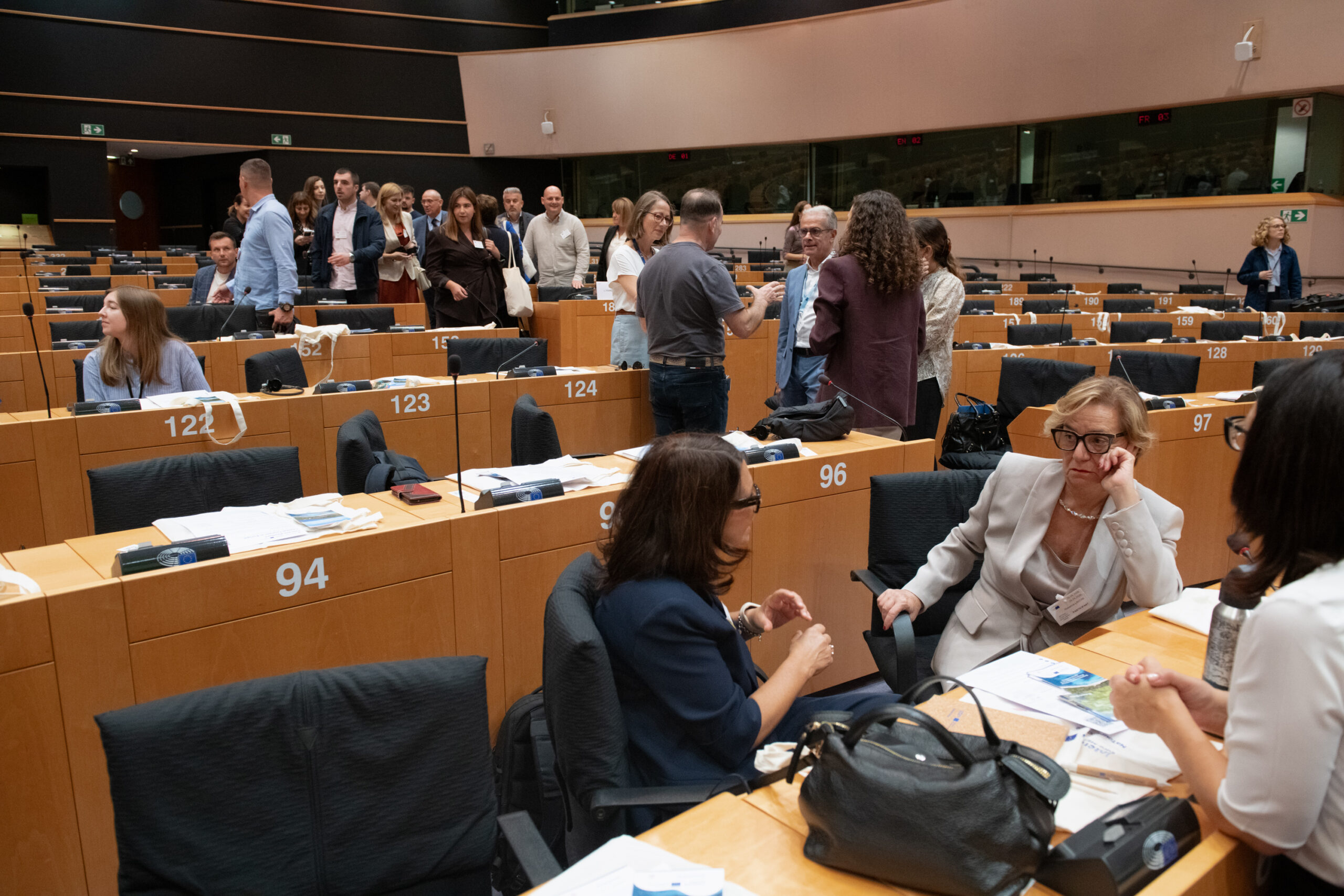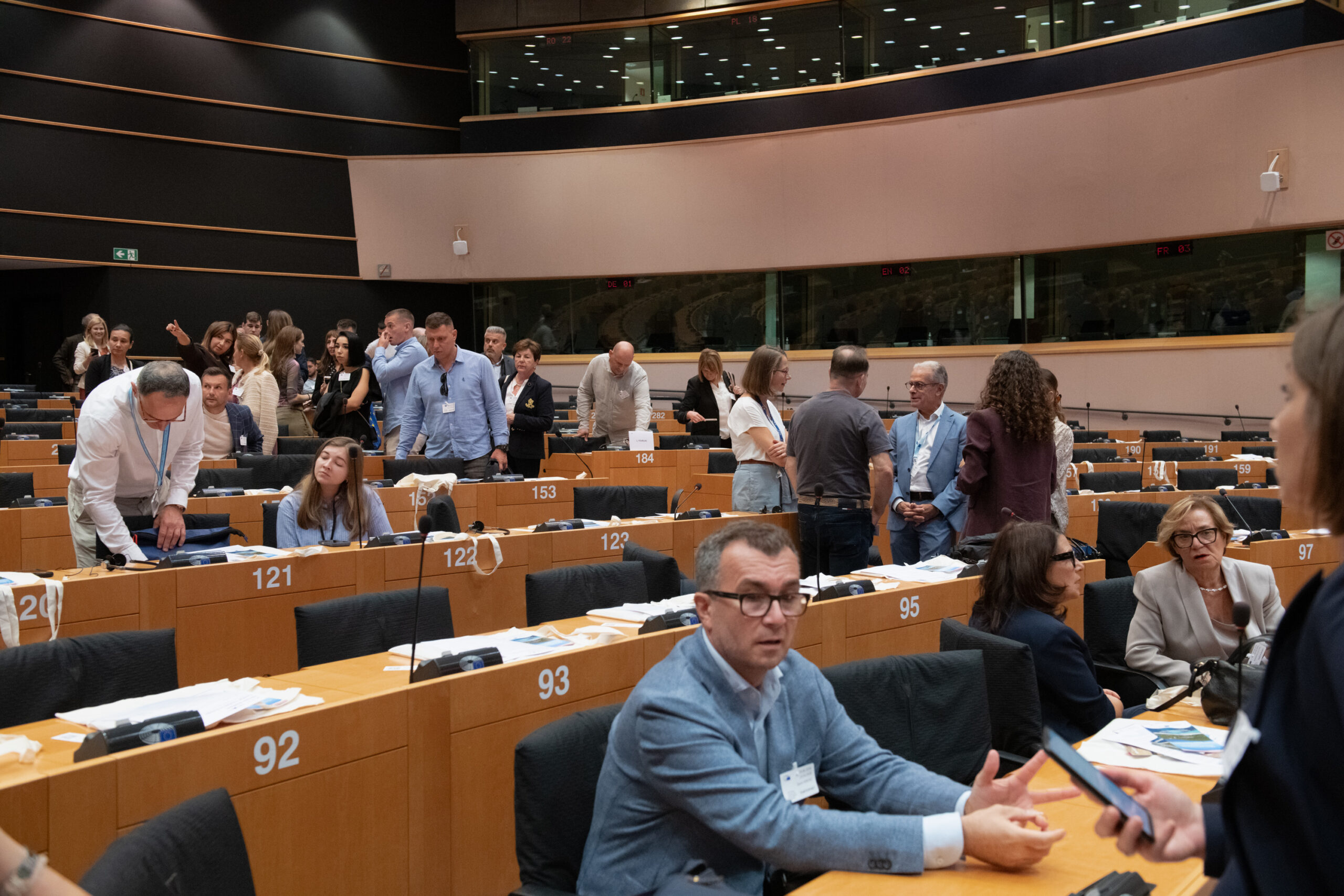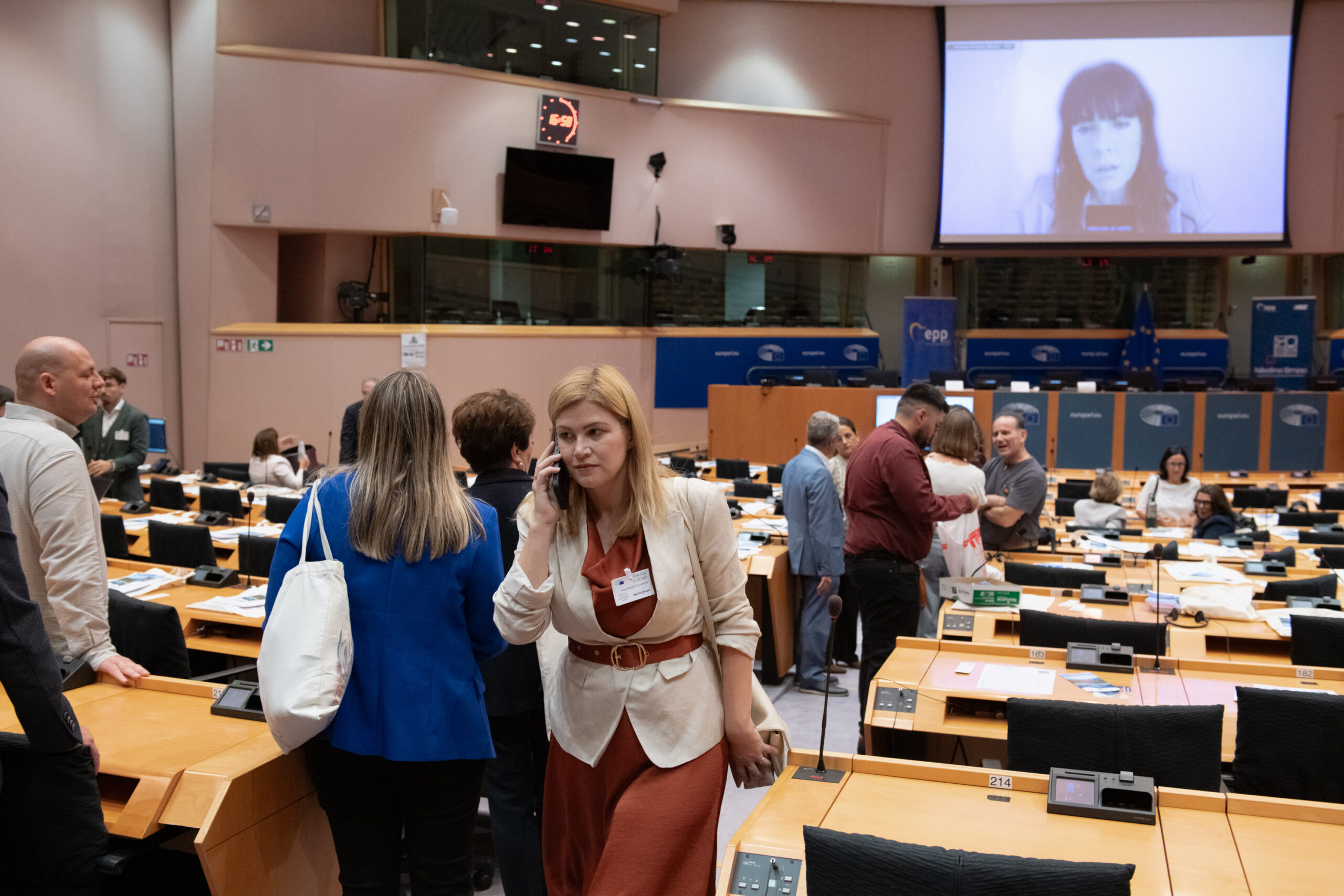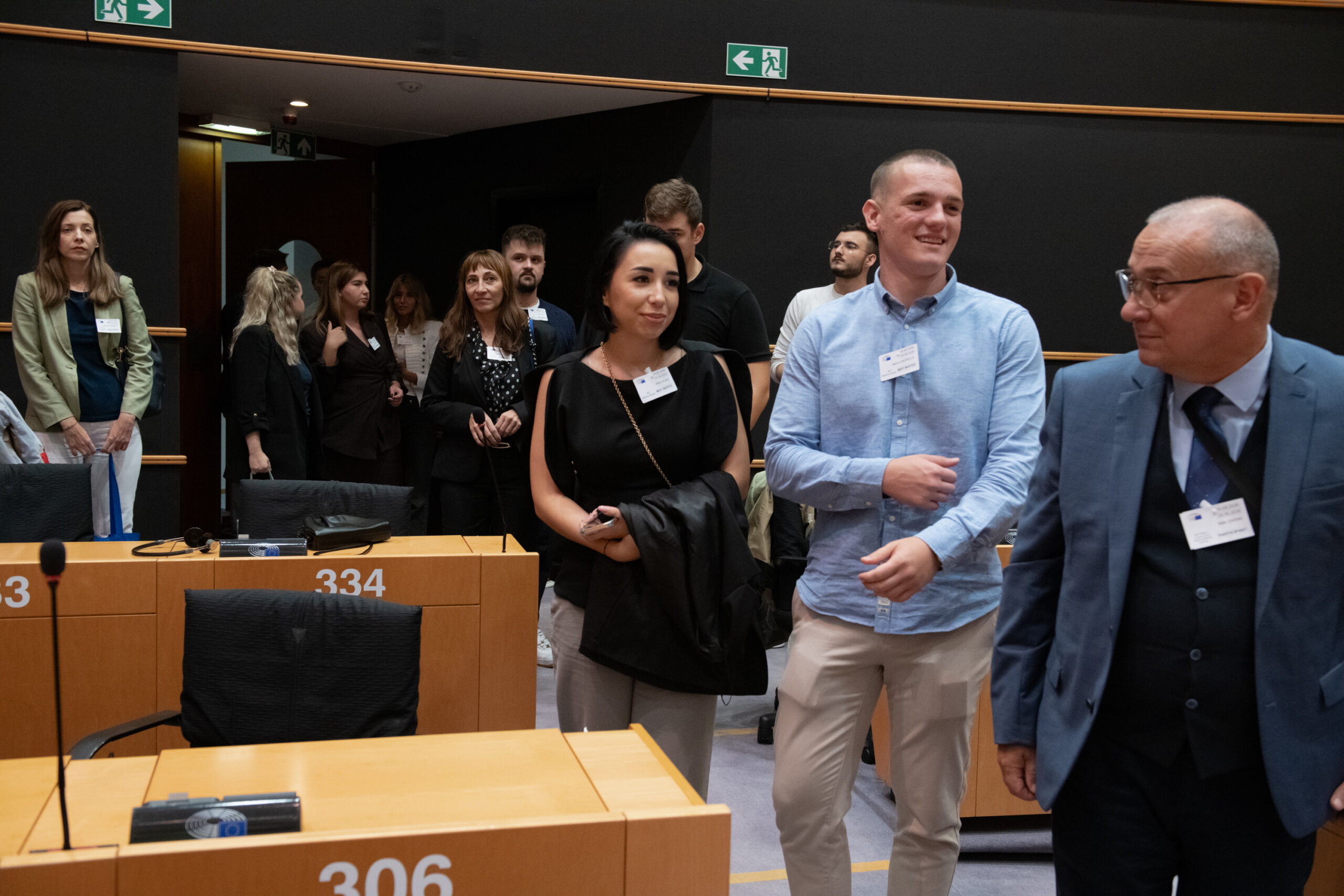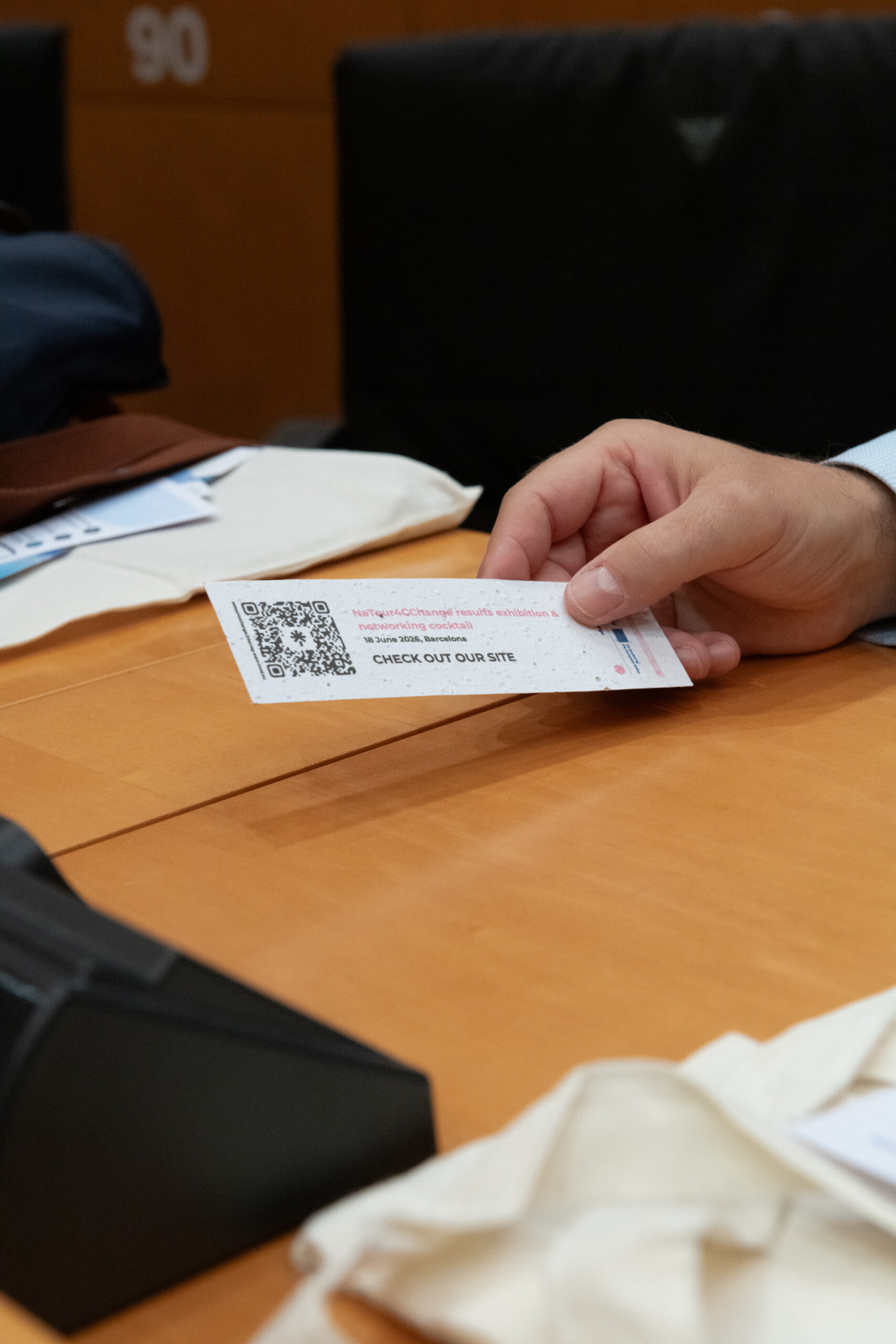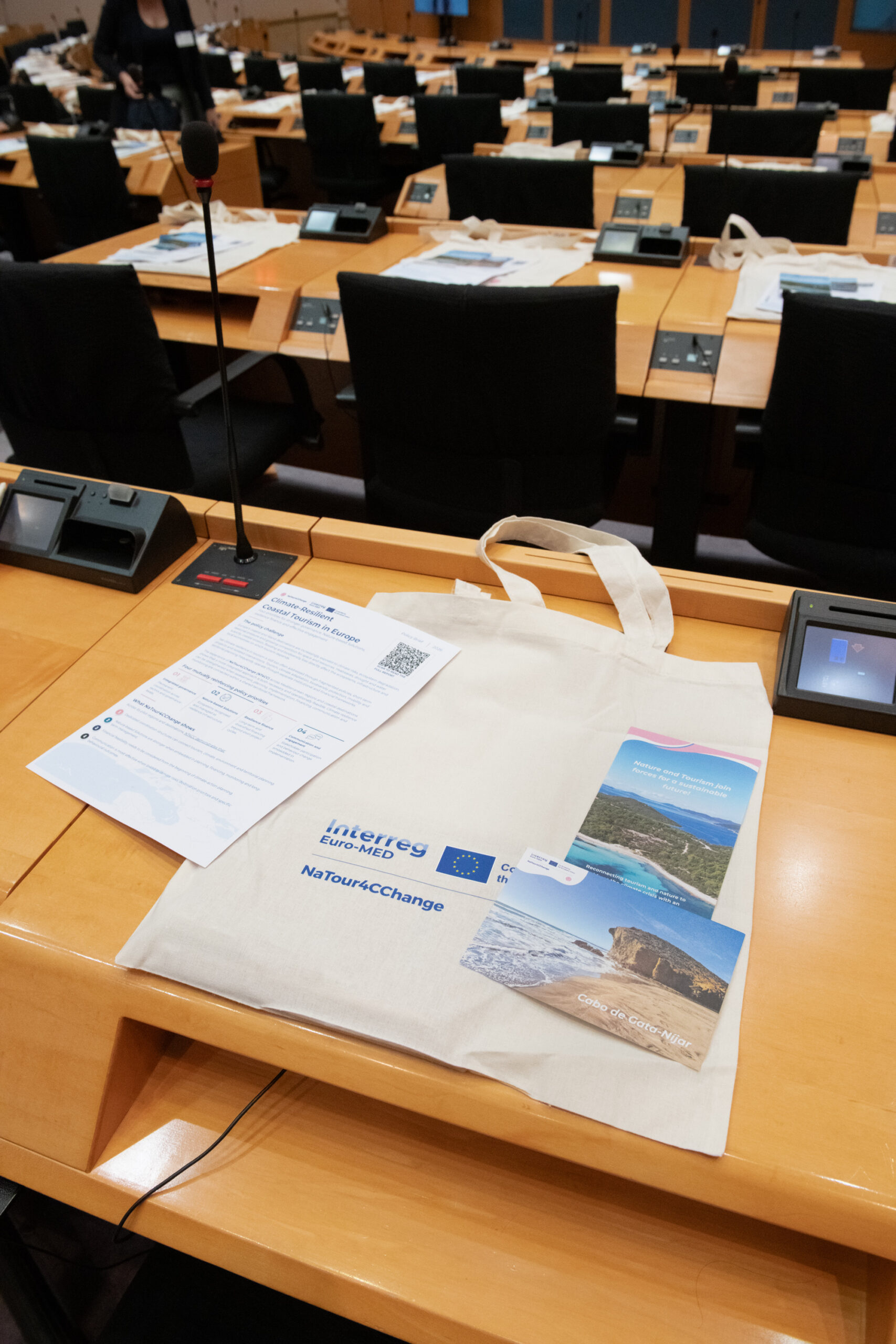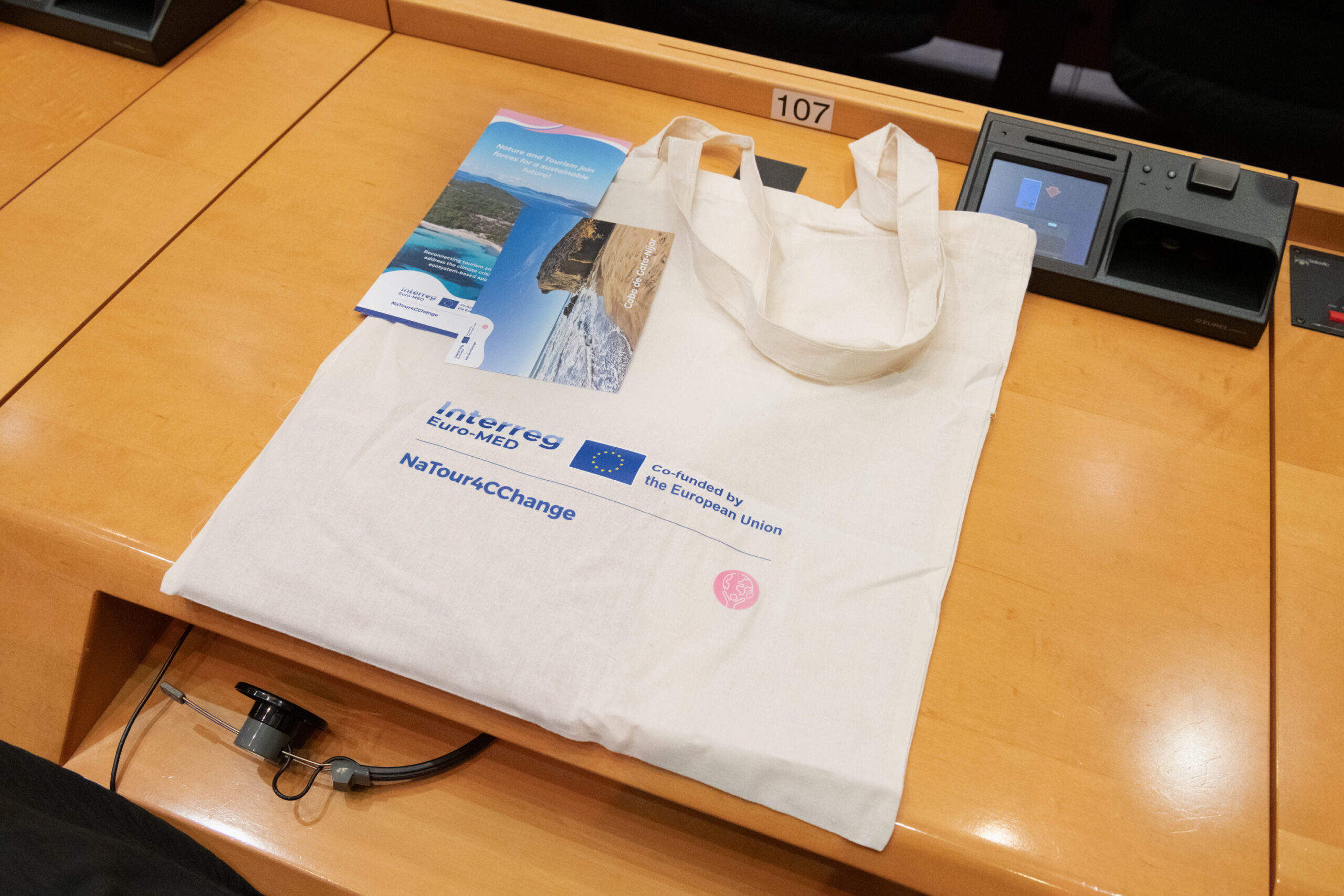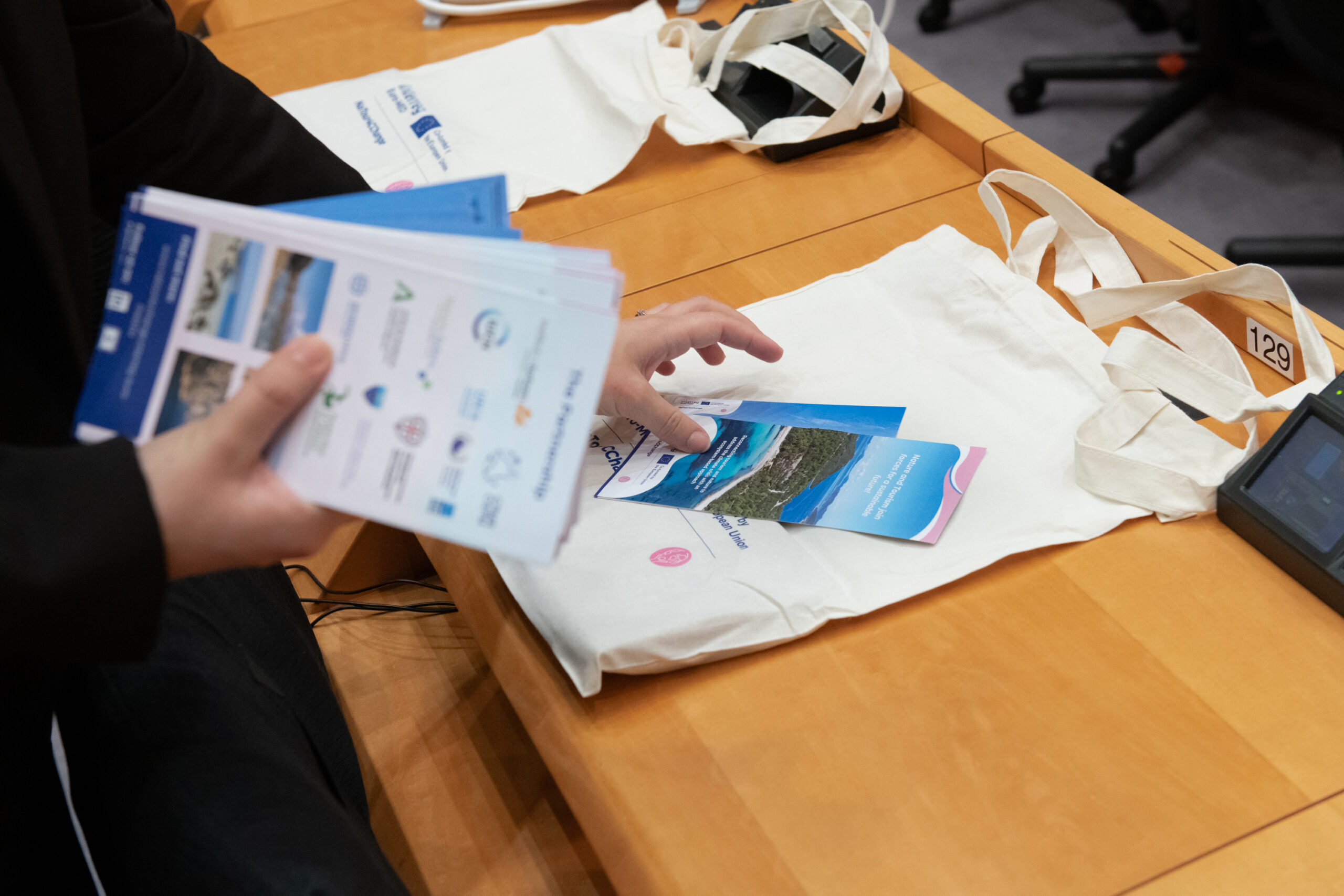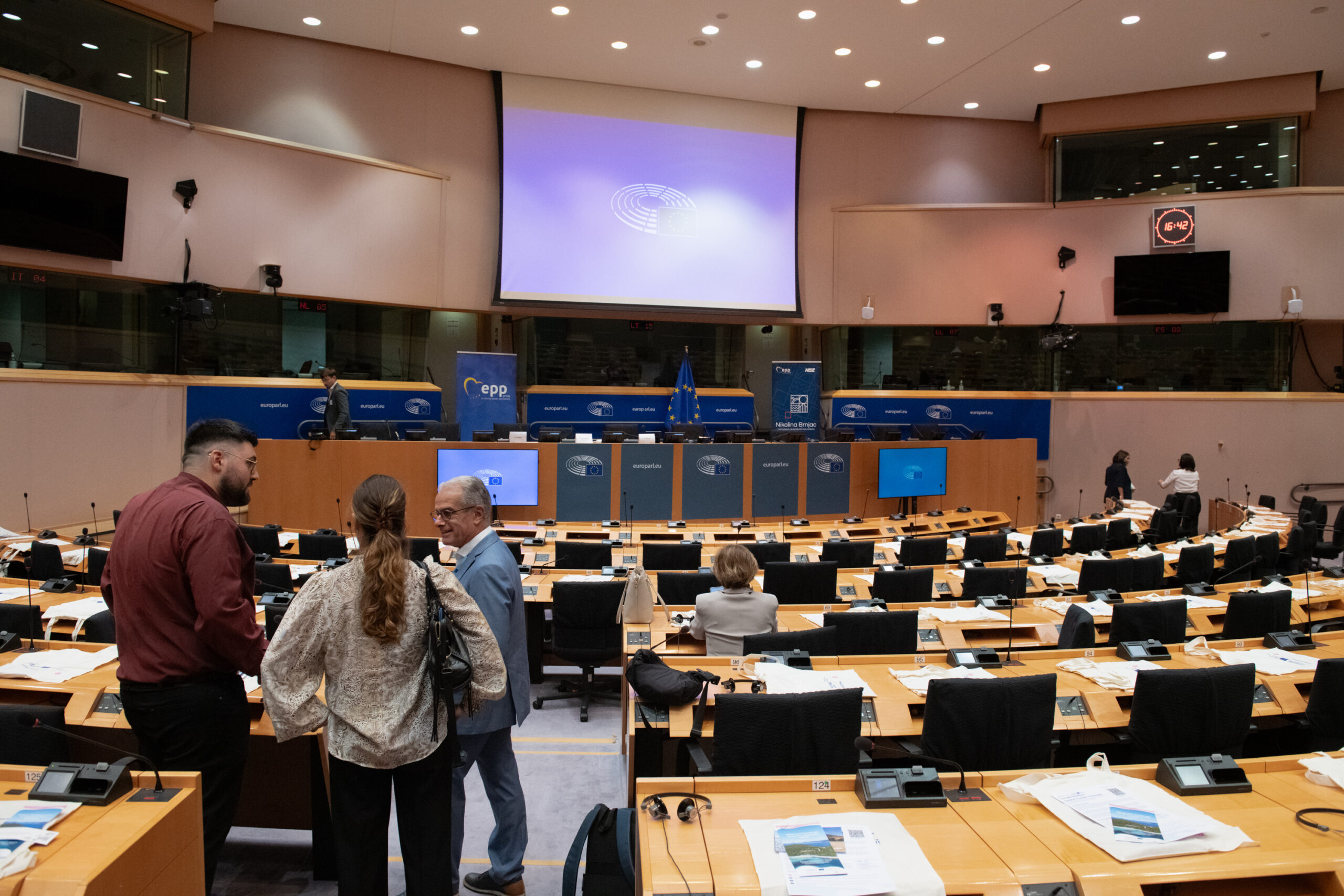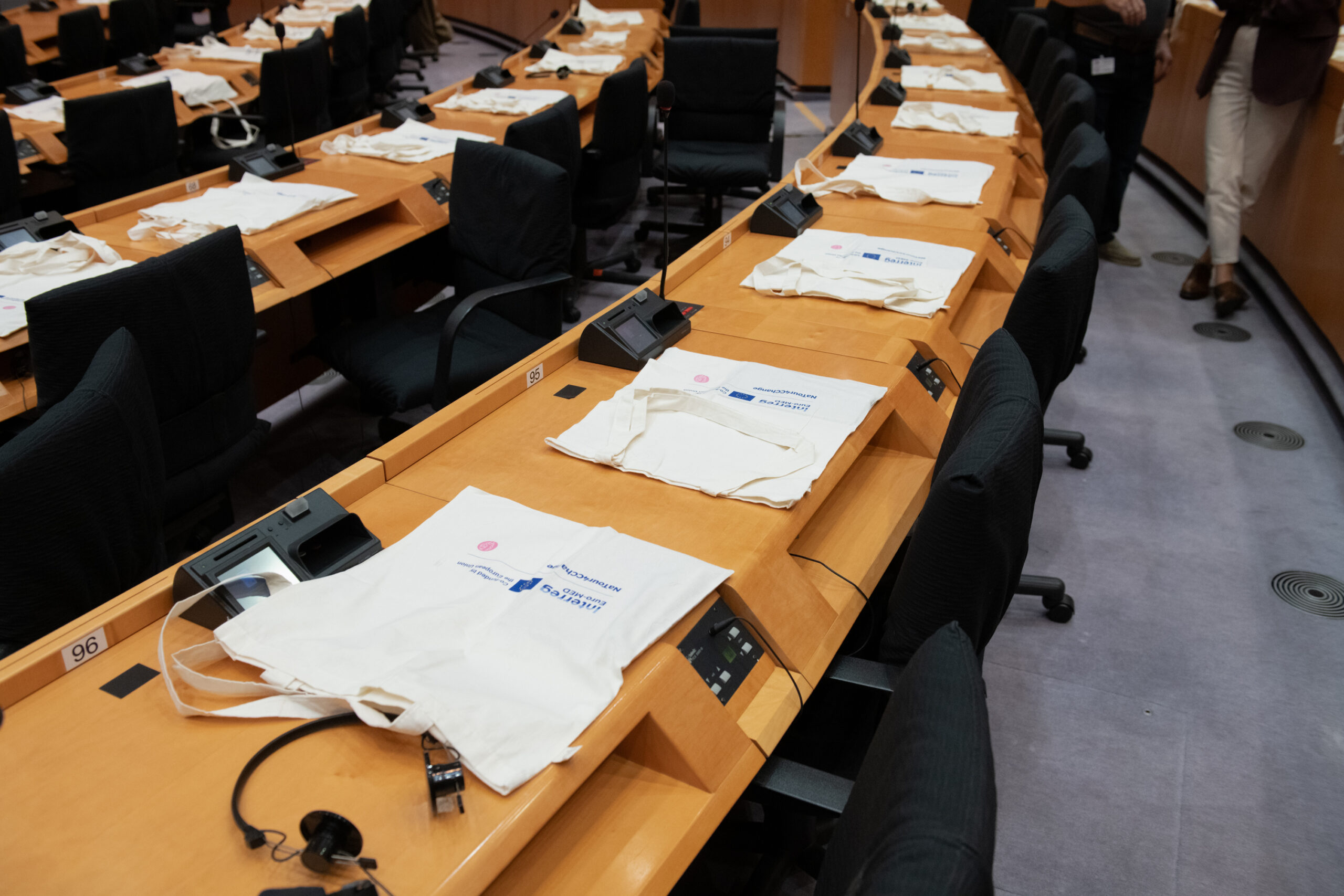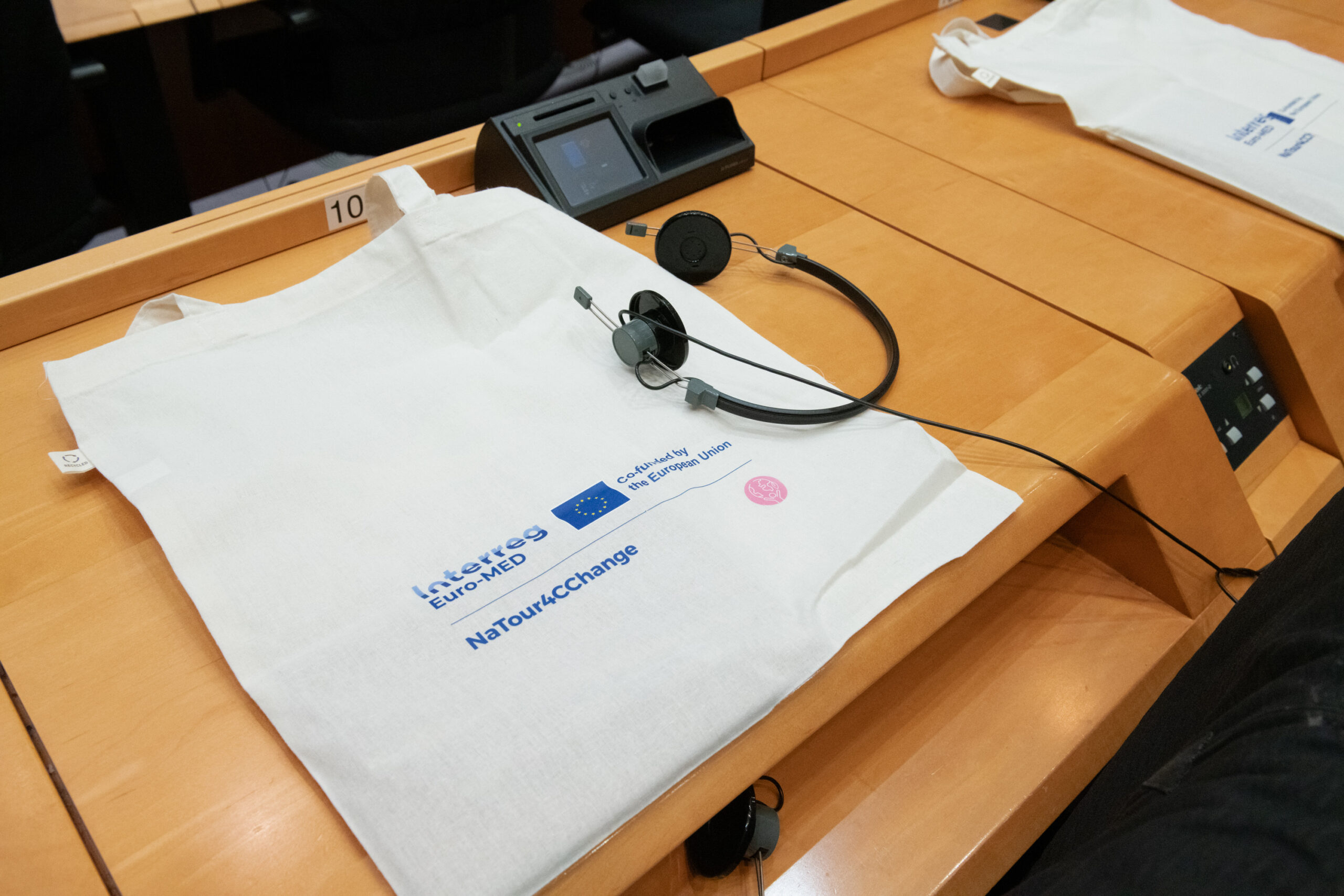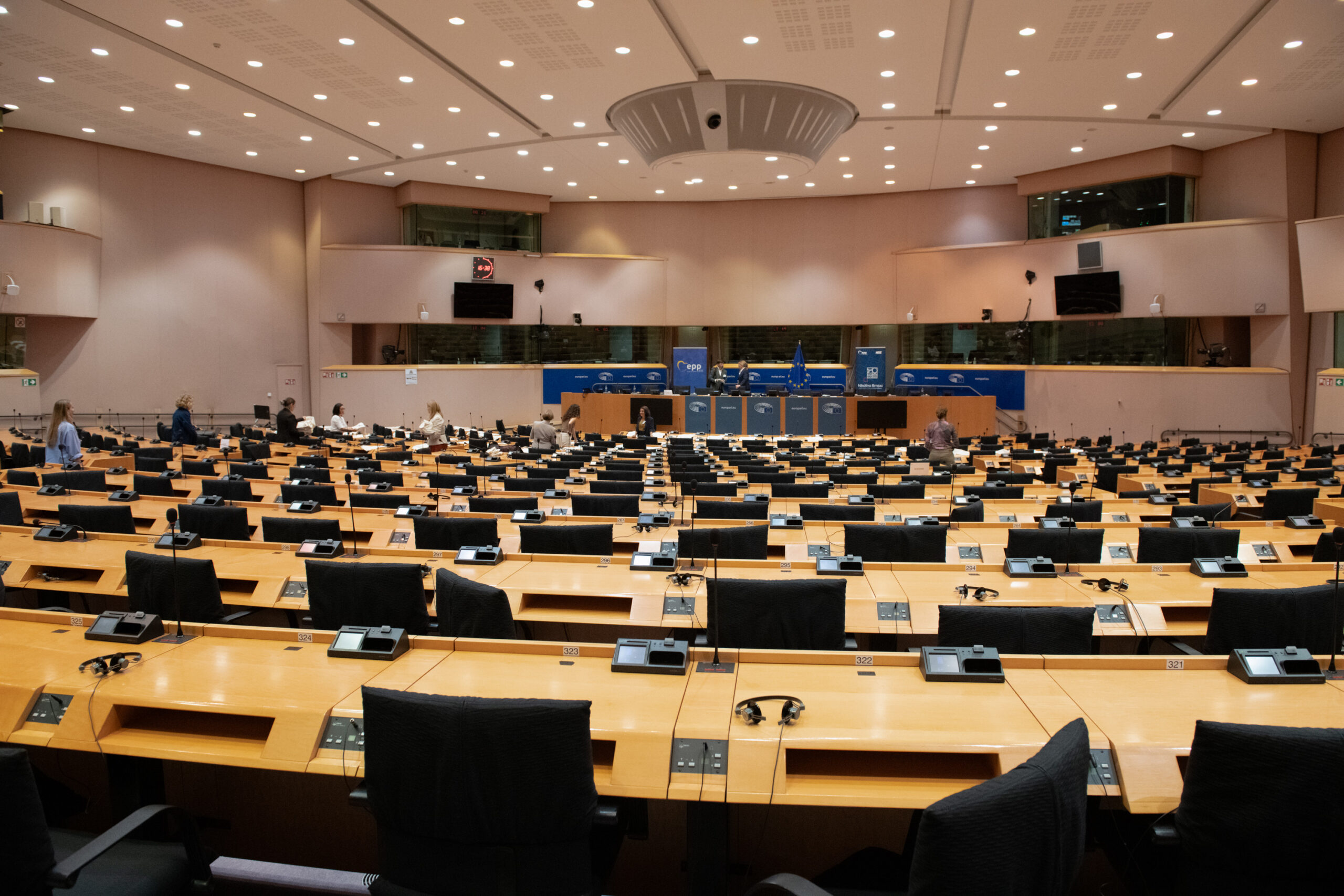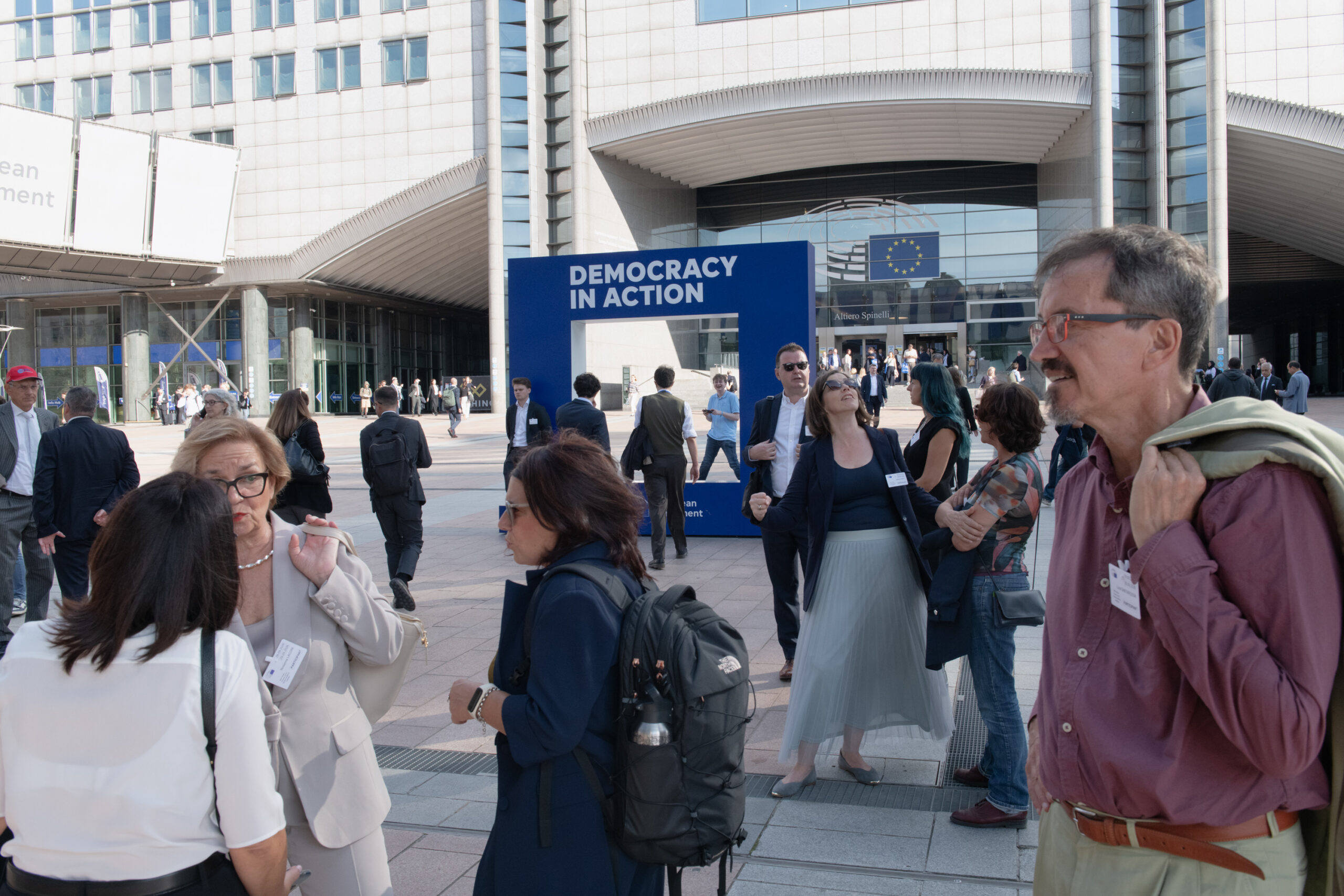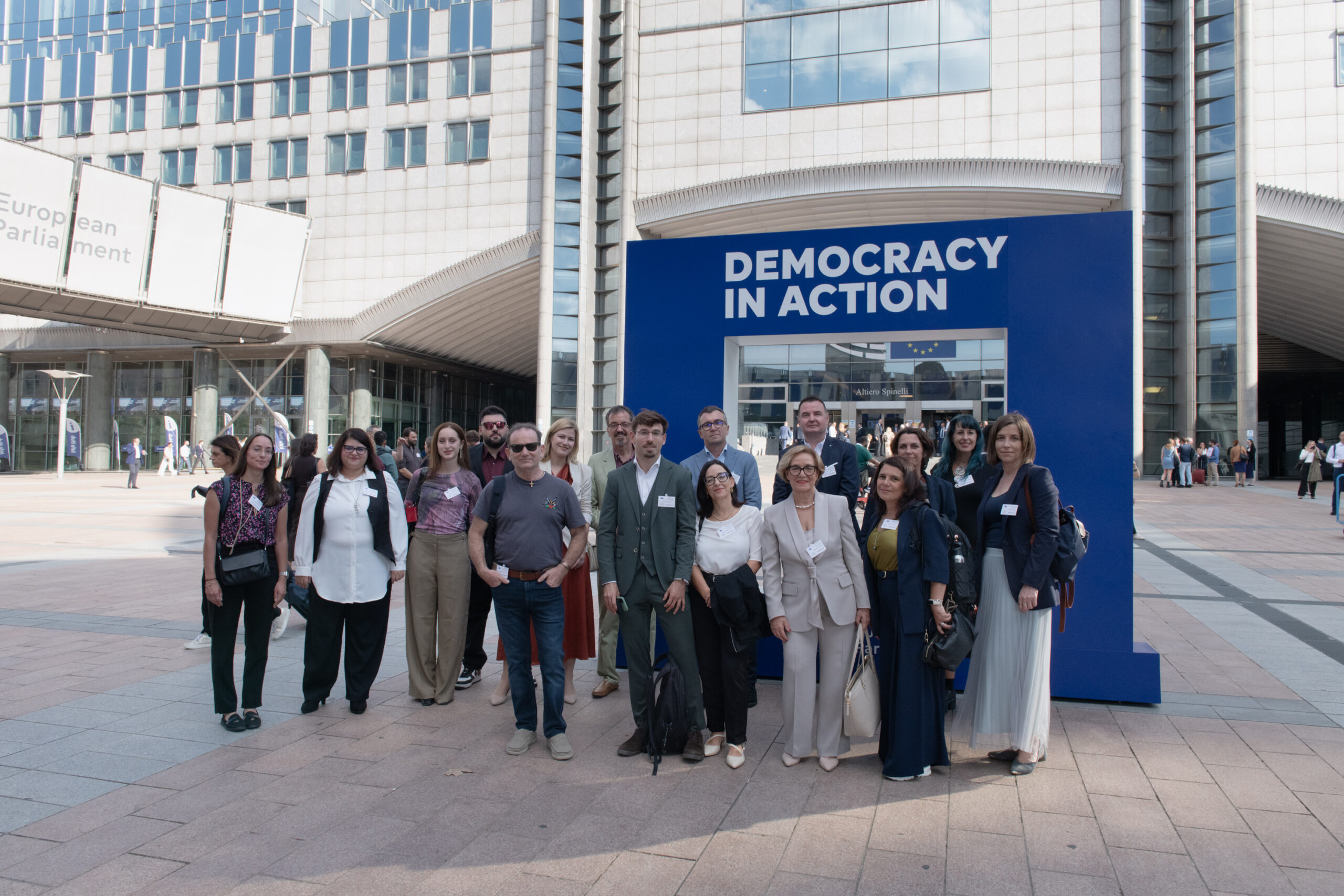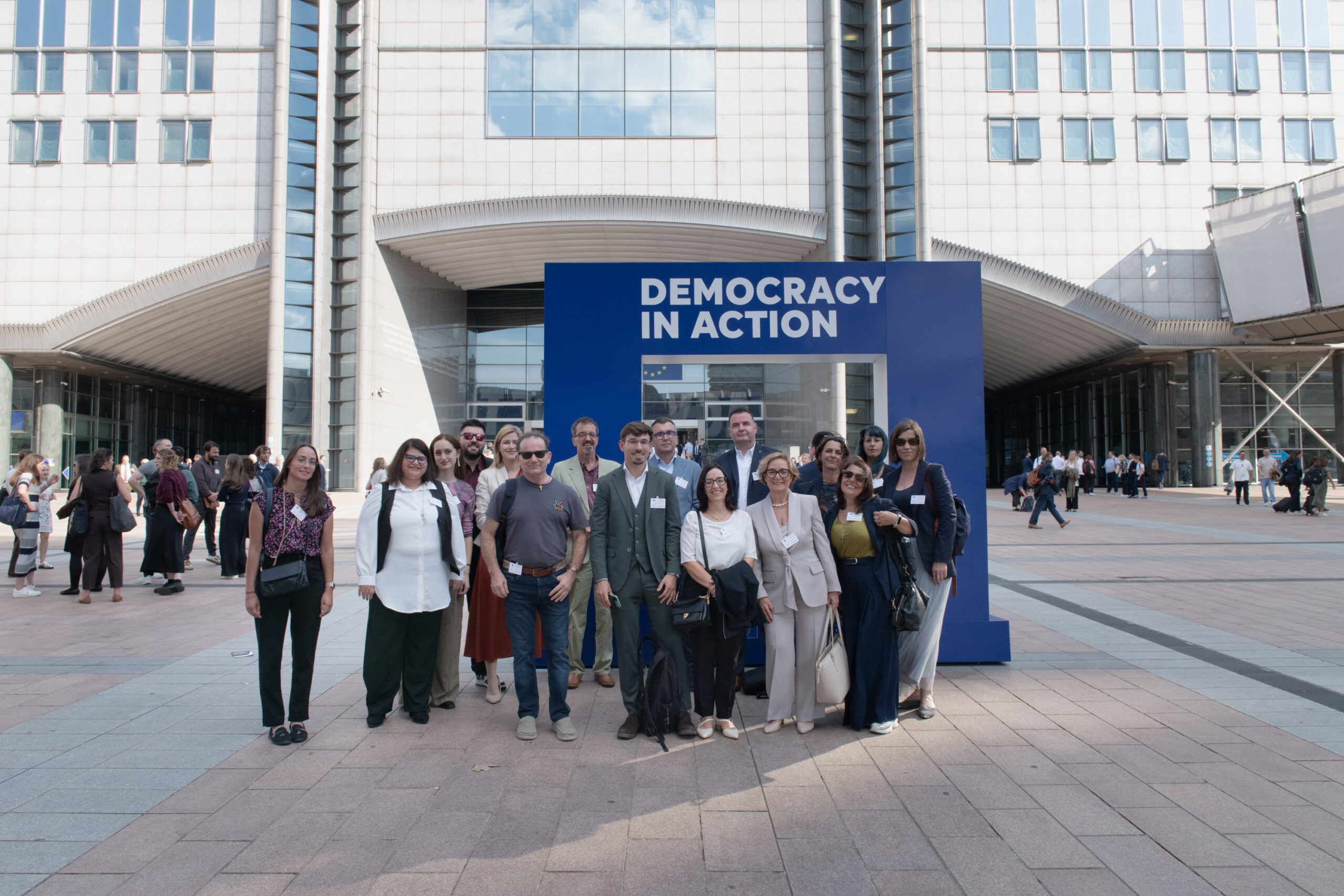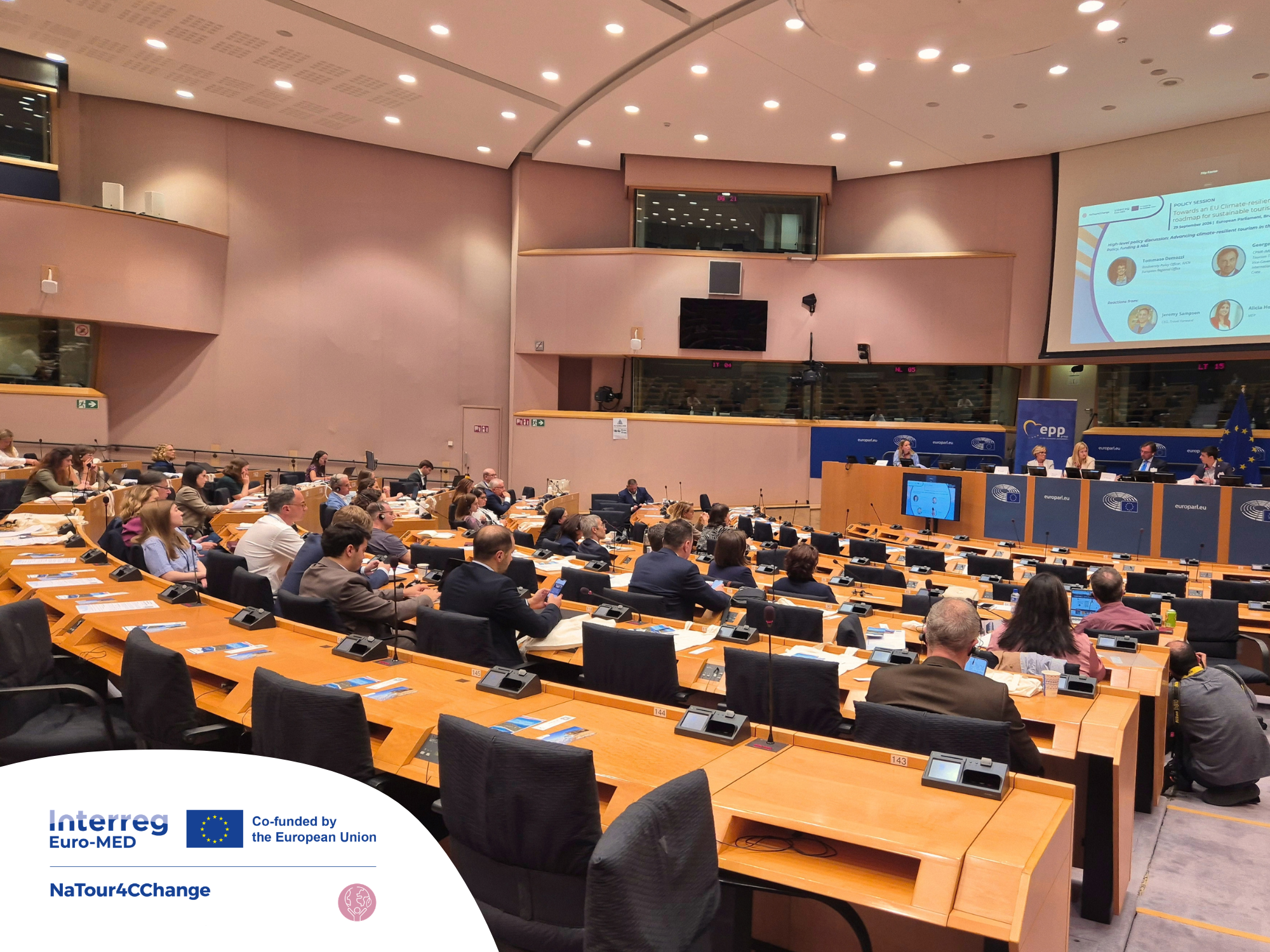
On 29
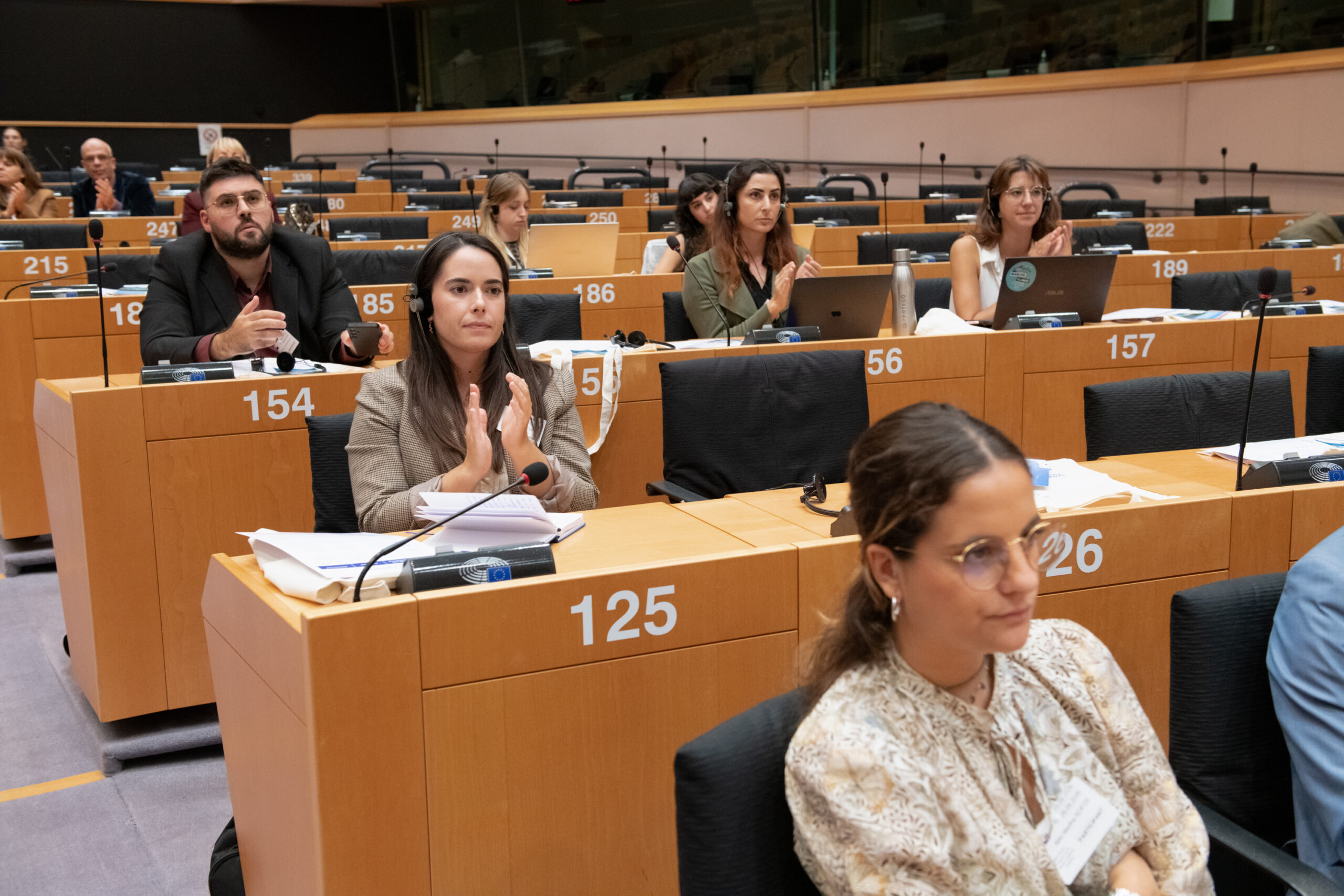
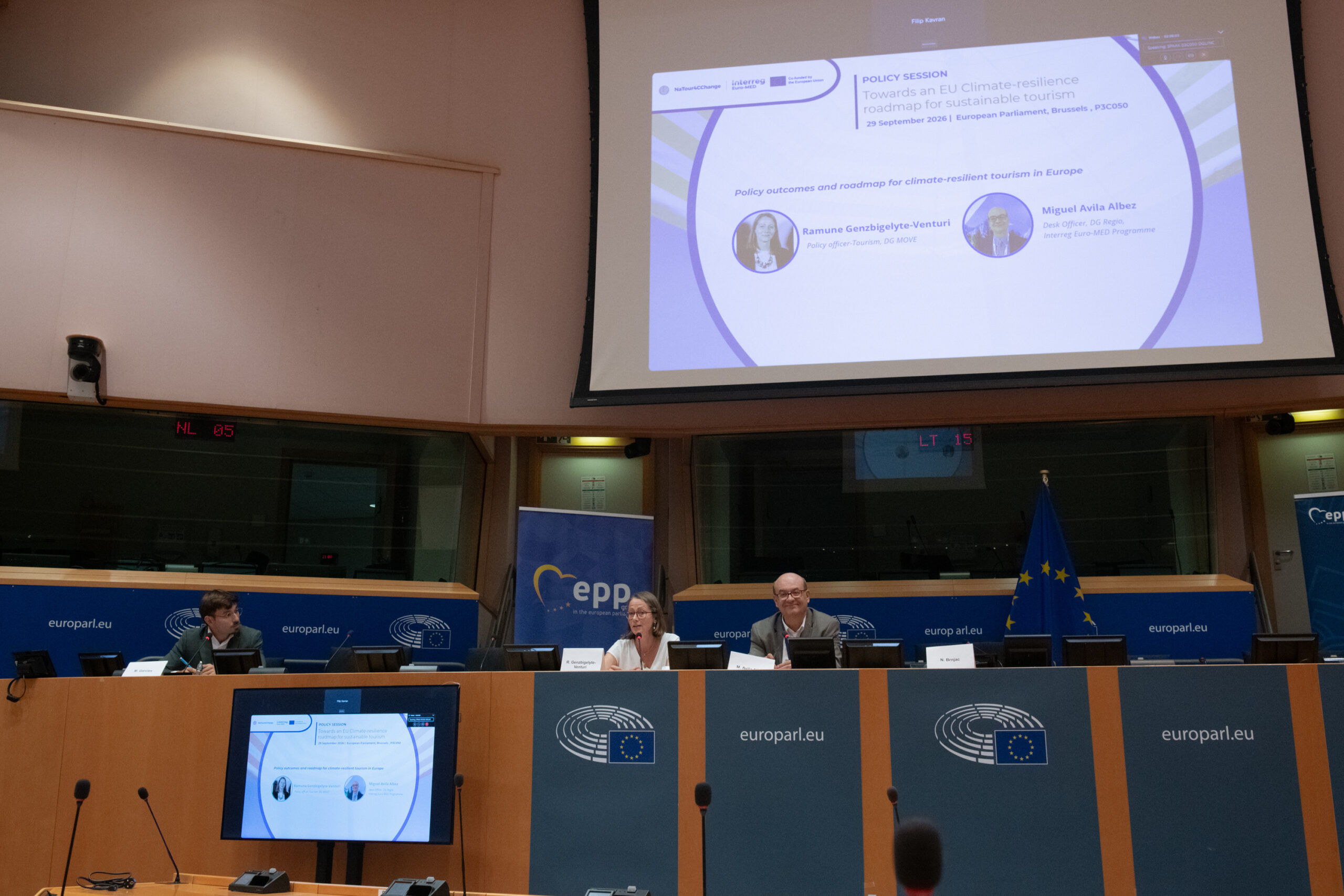
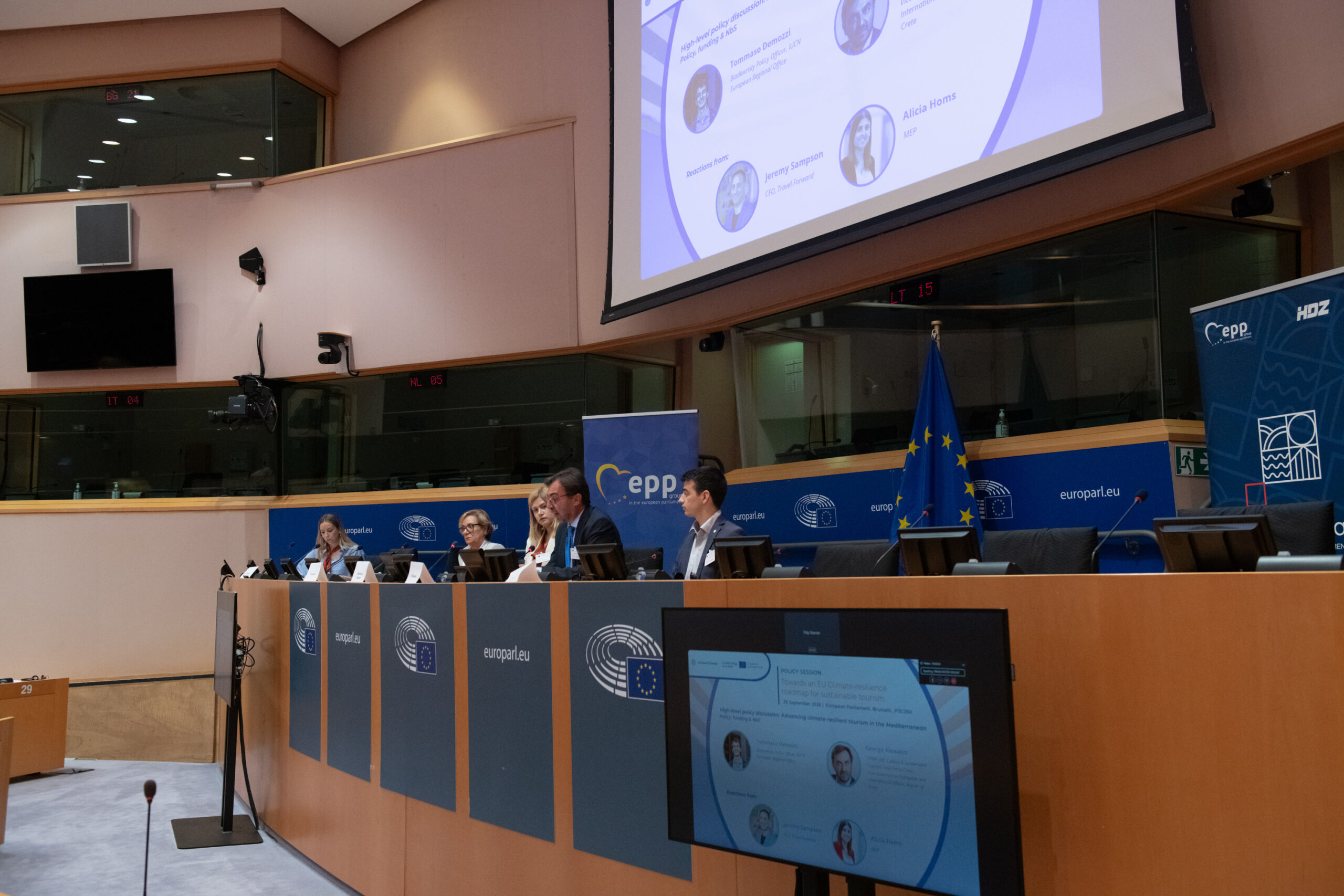
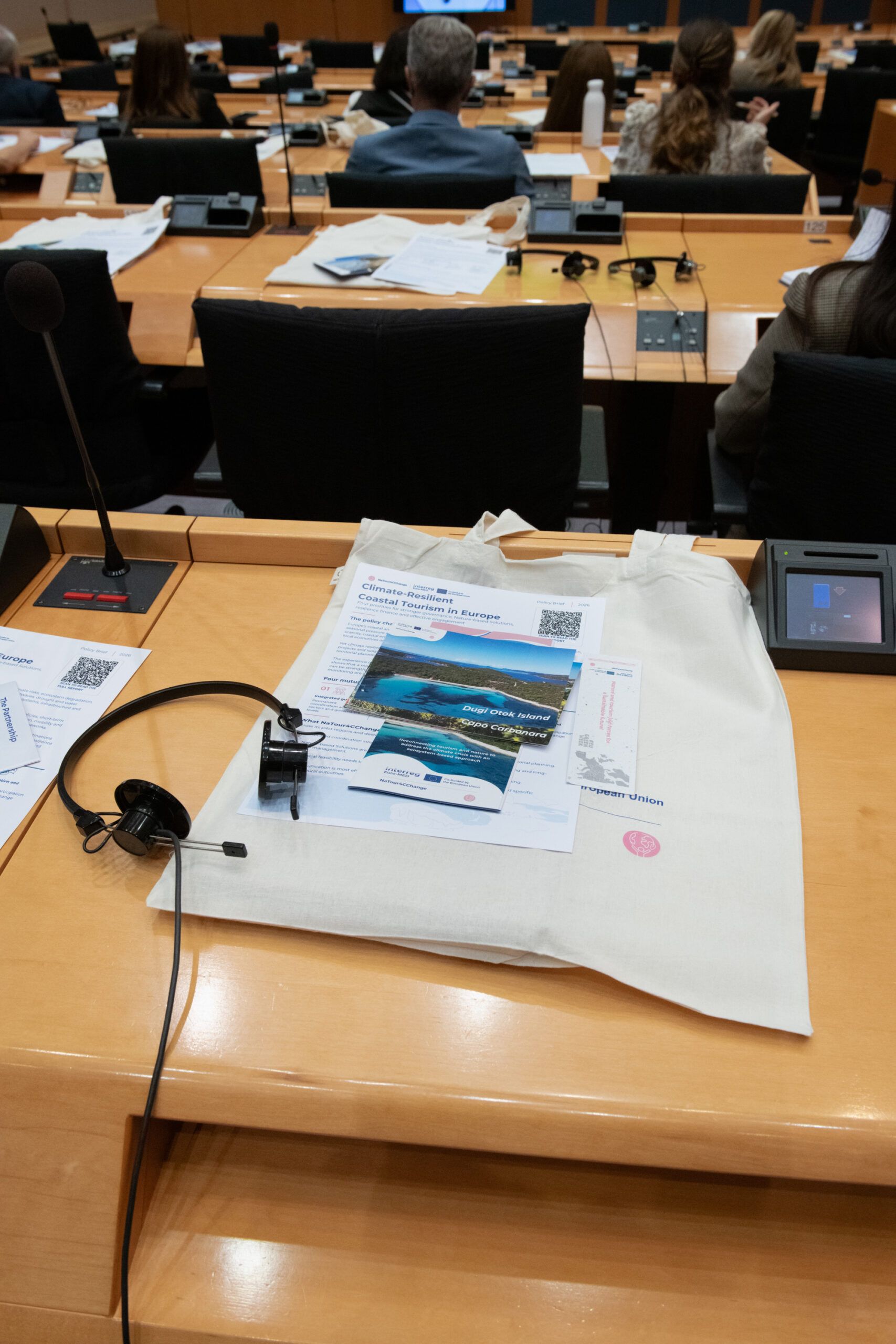
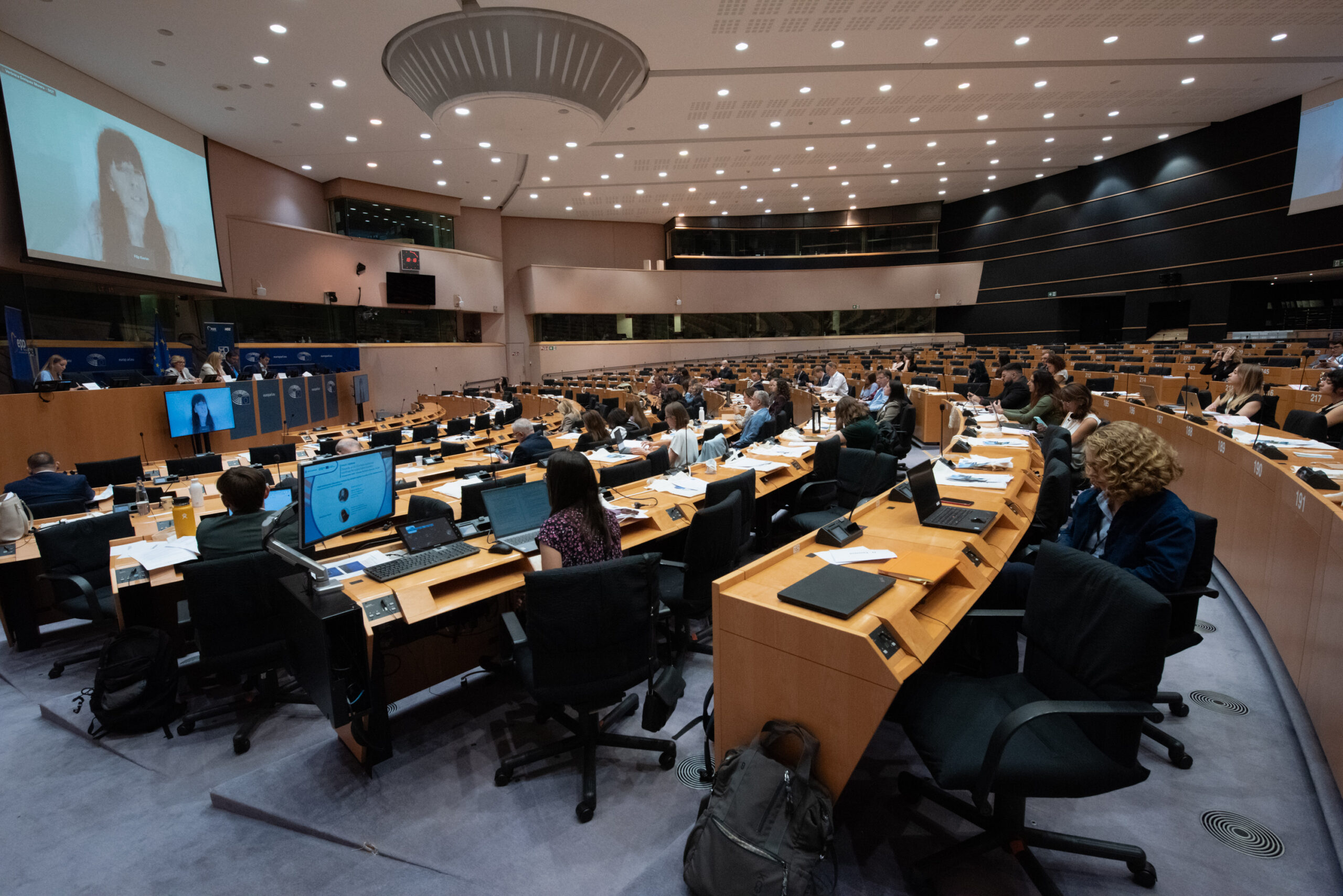
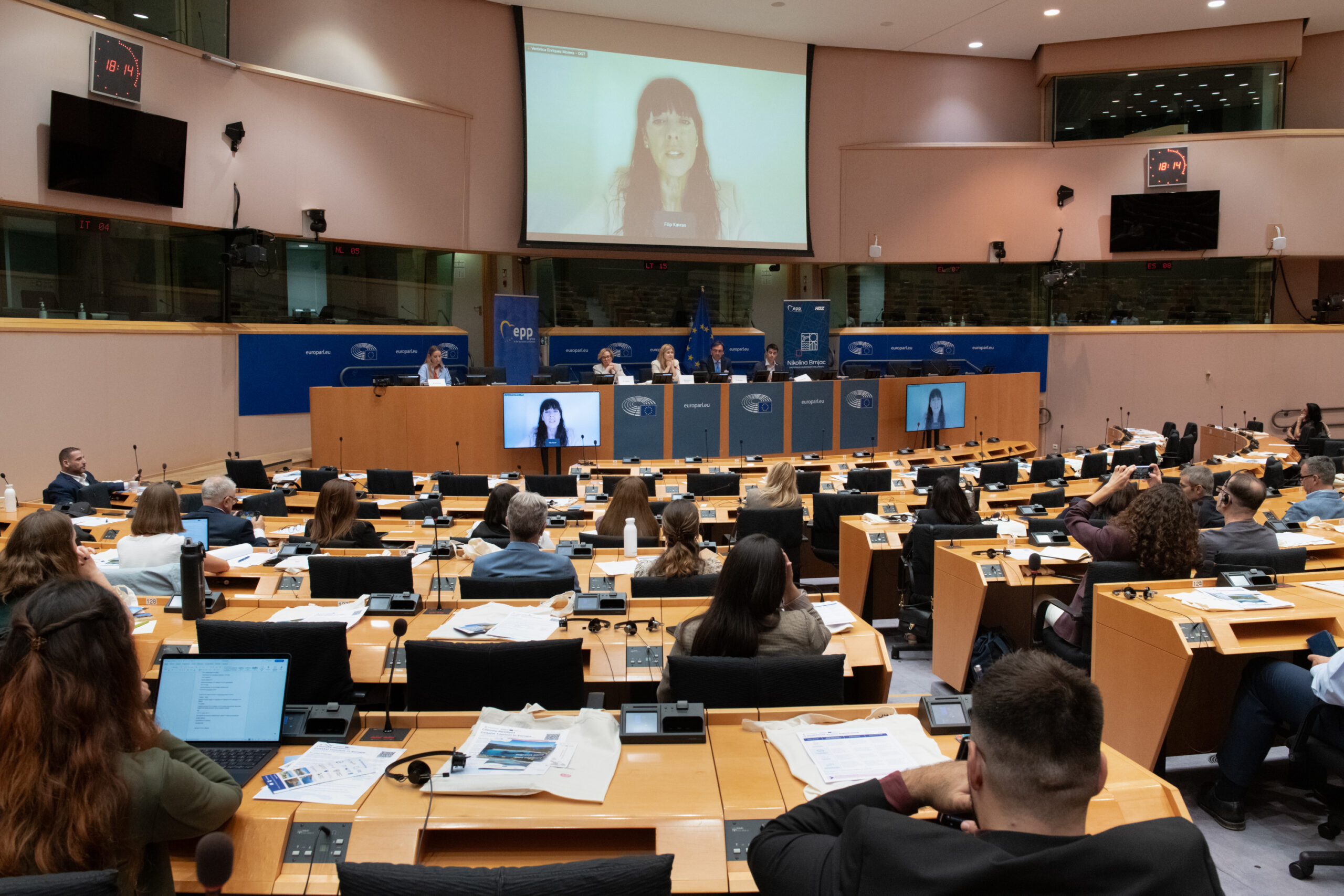
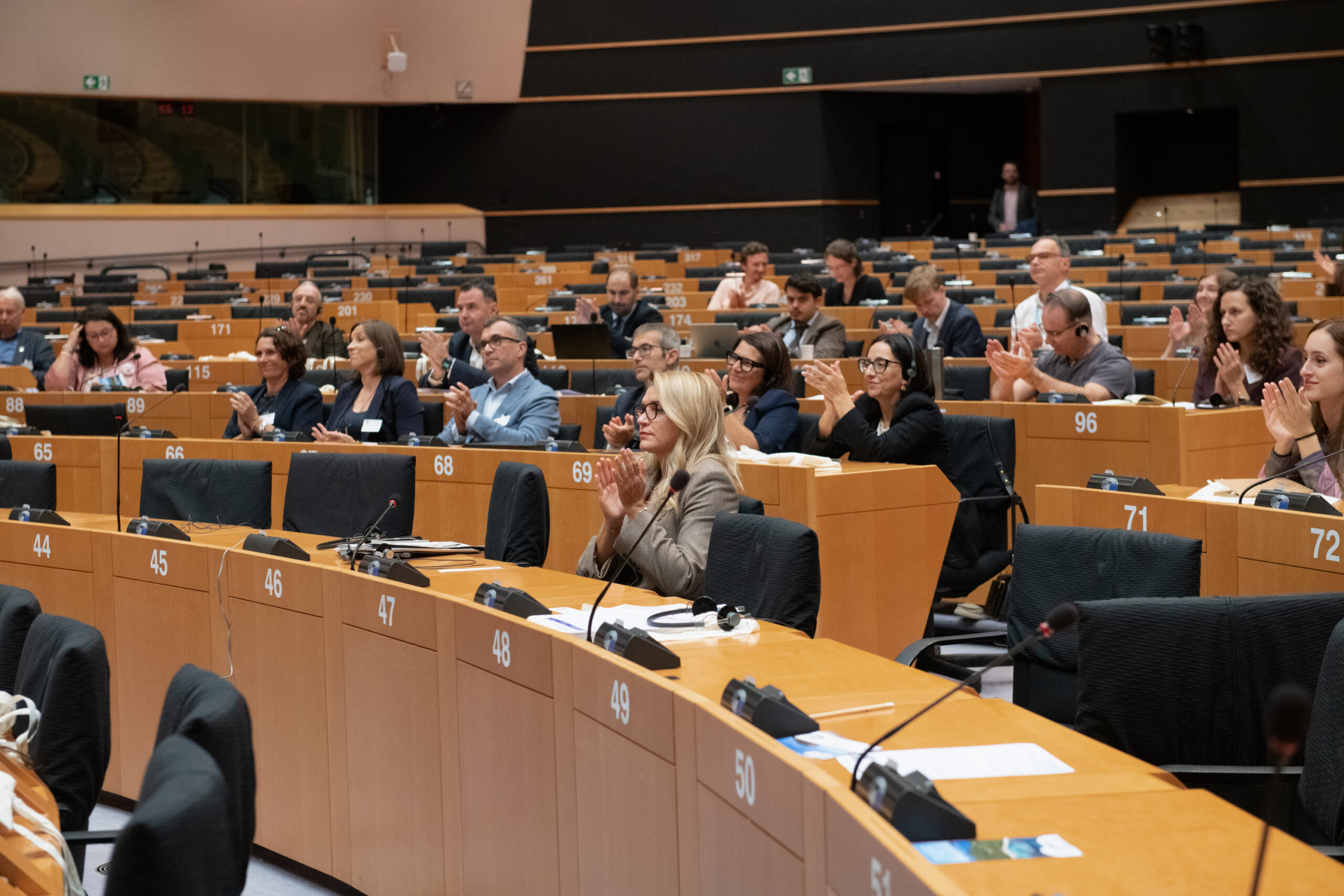
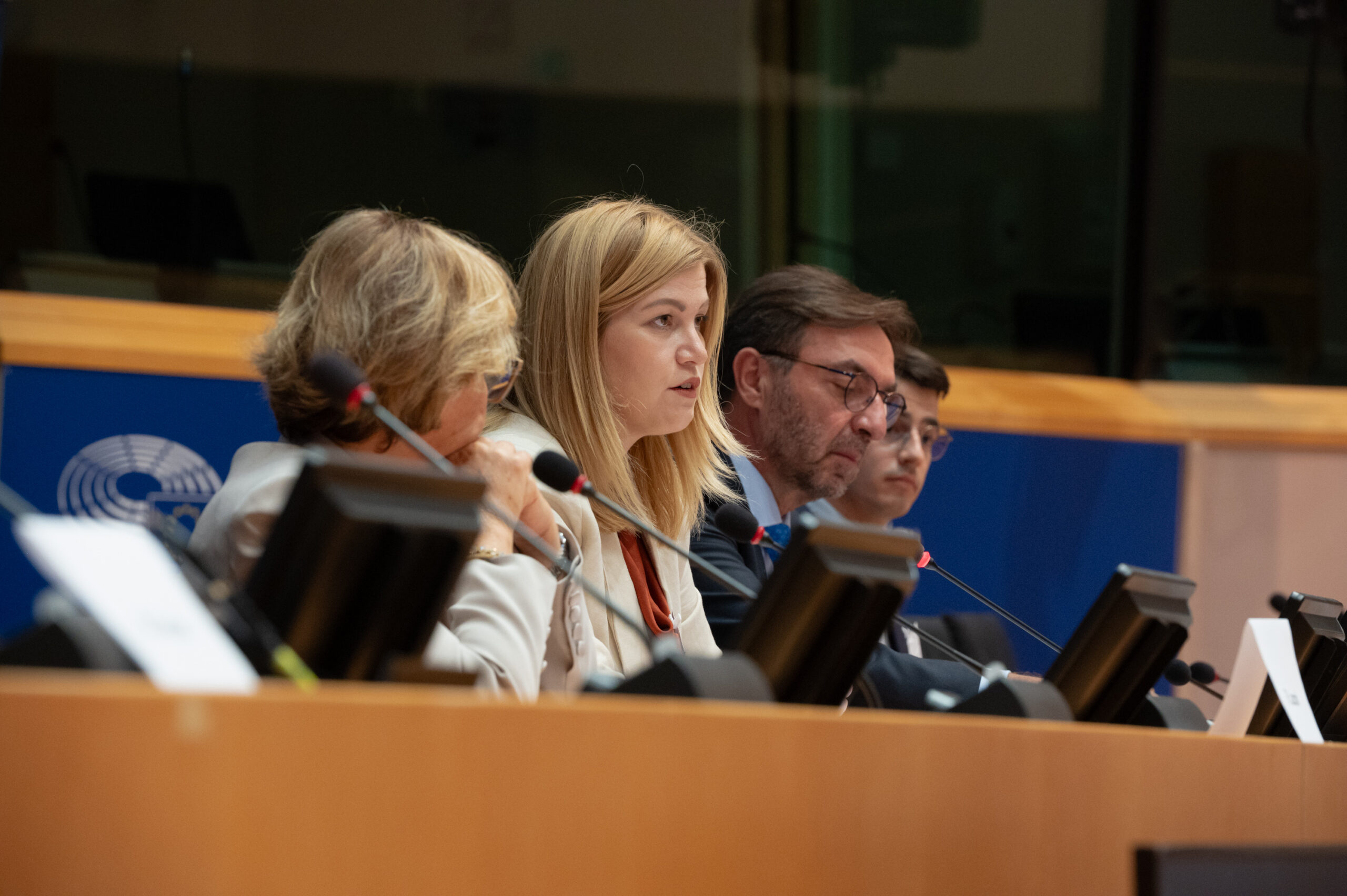
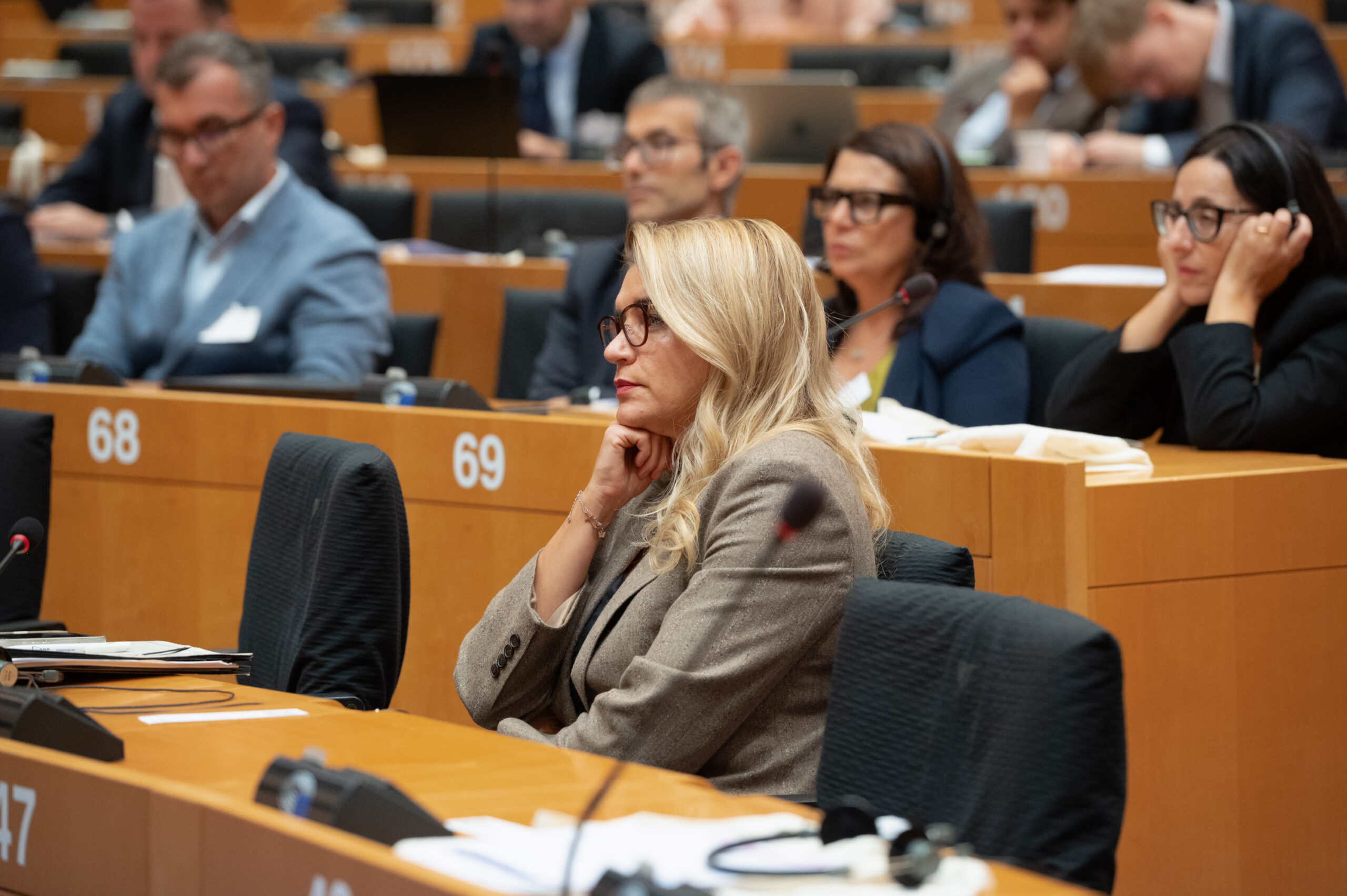
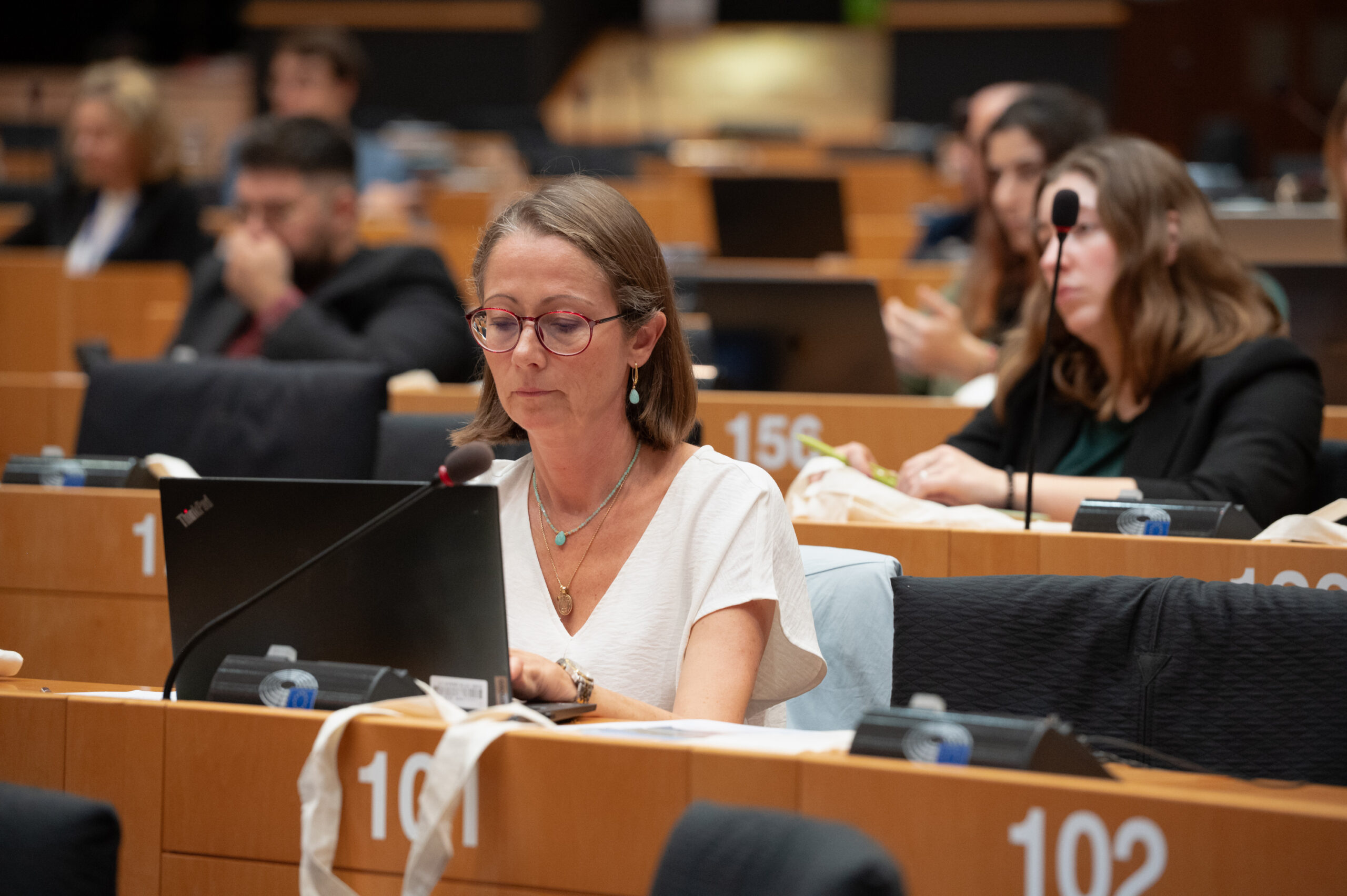
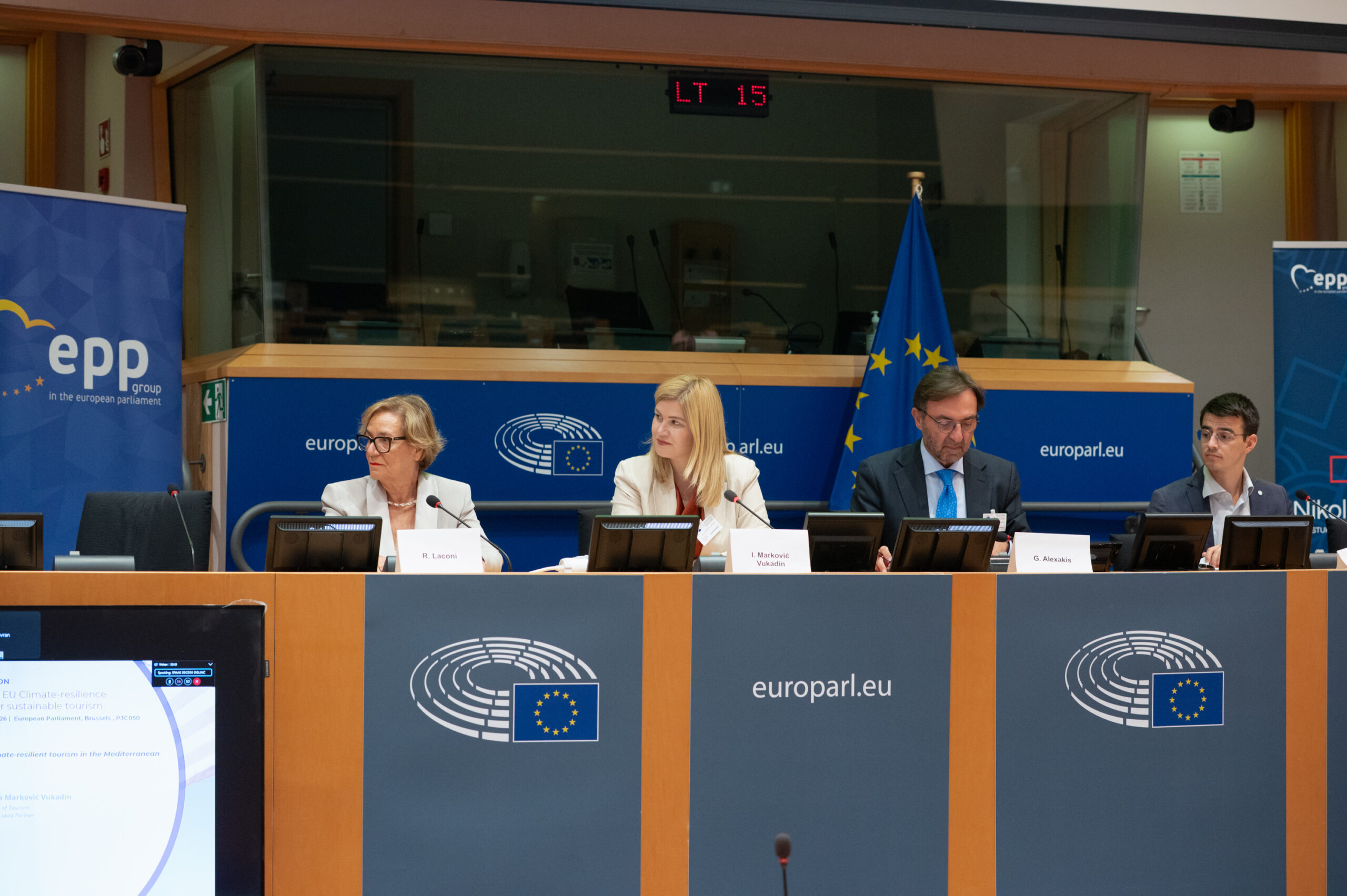
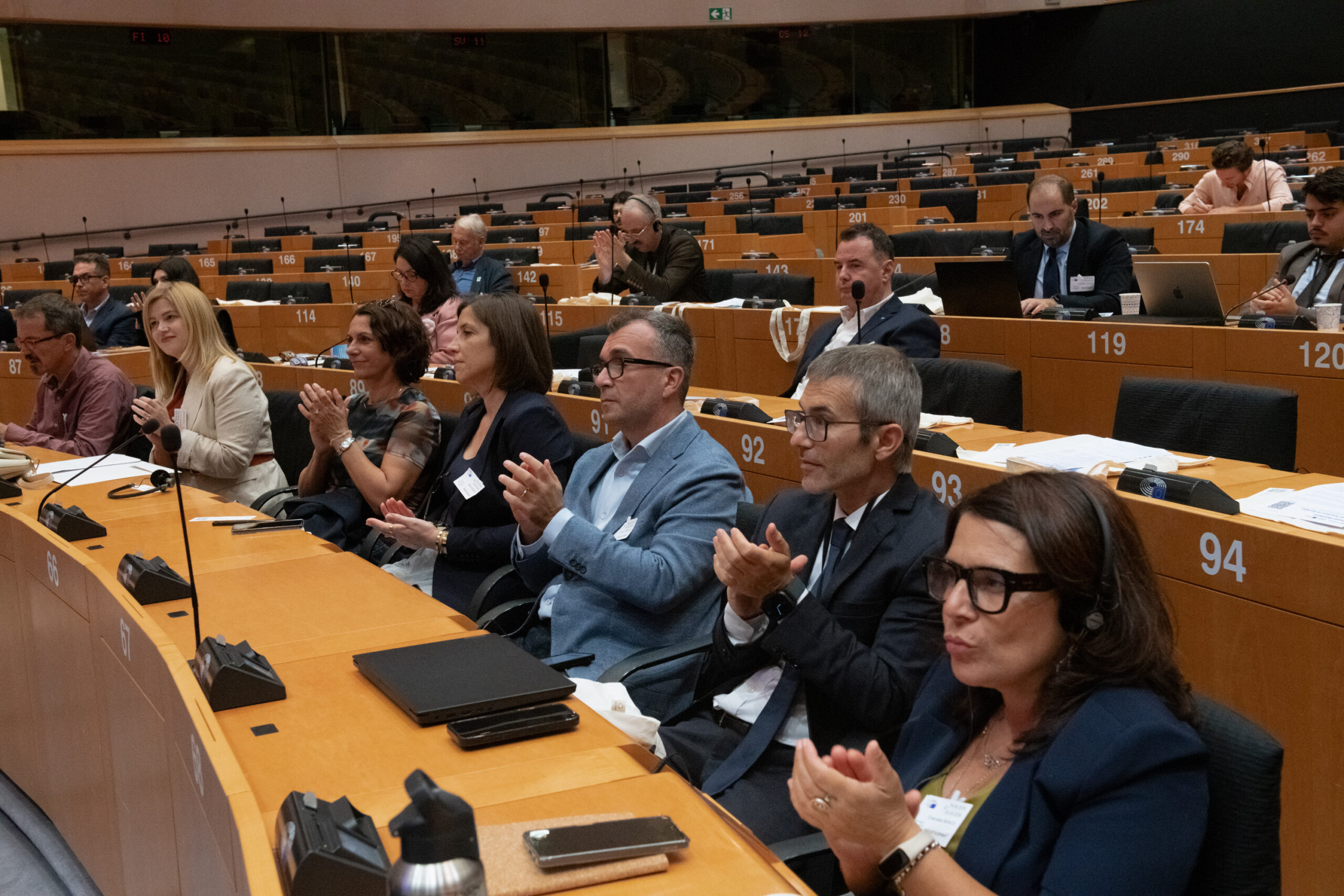
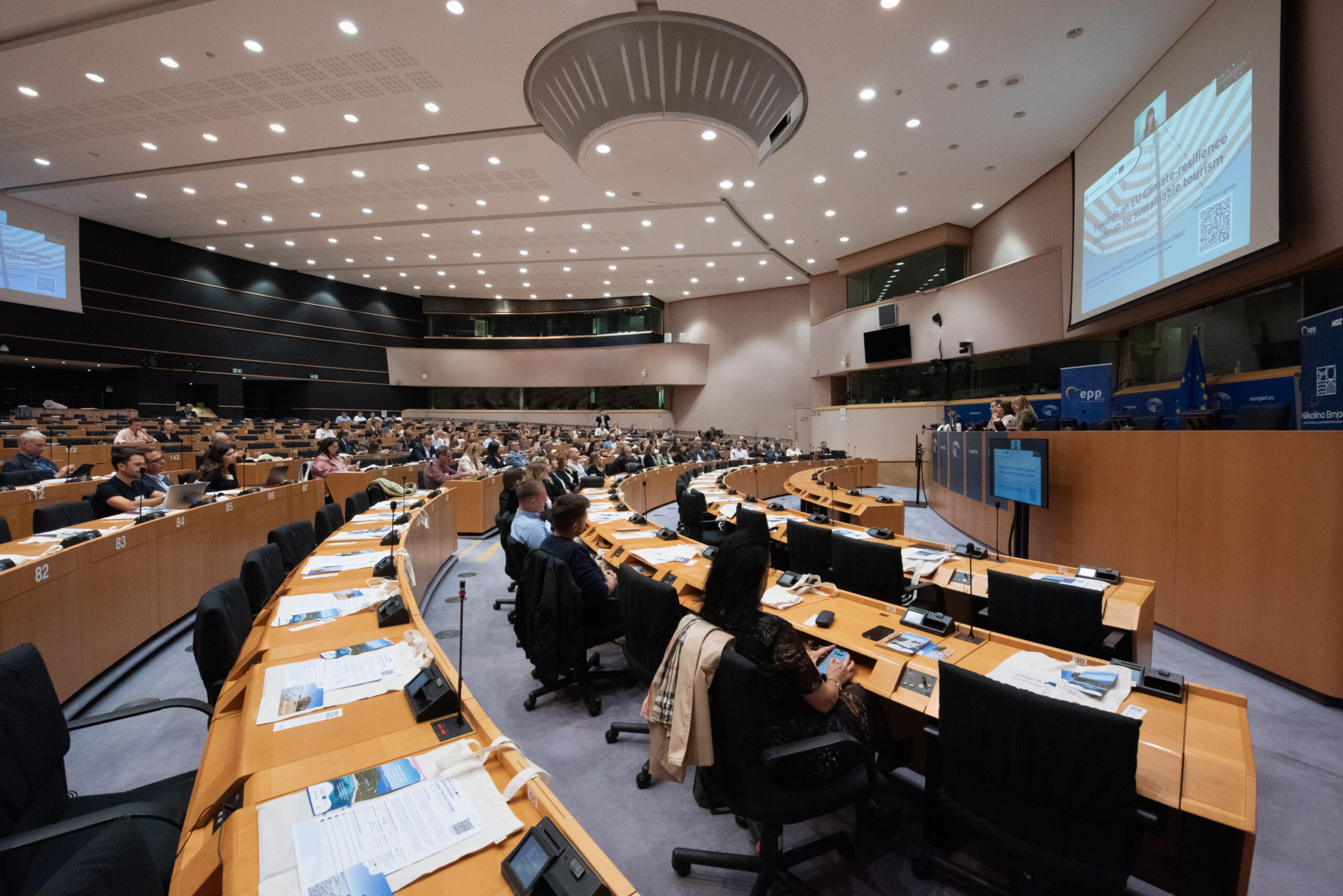
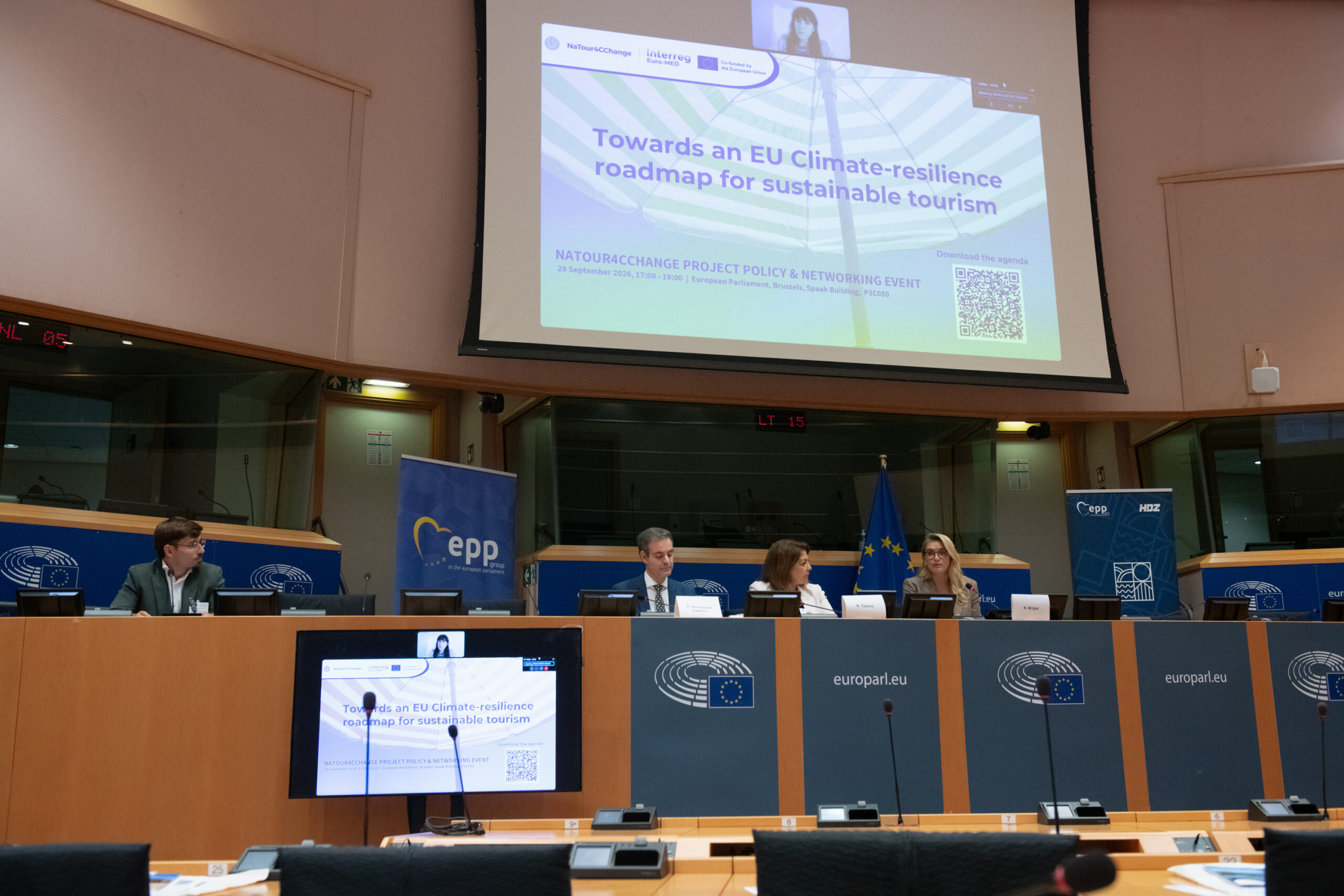
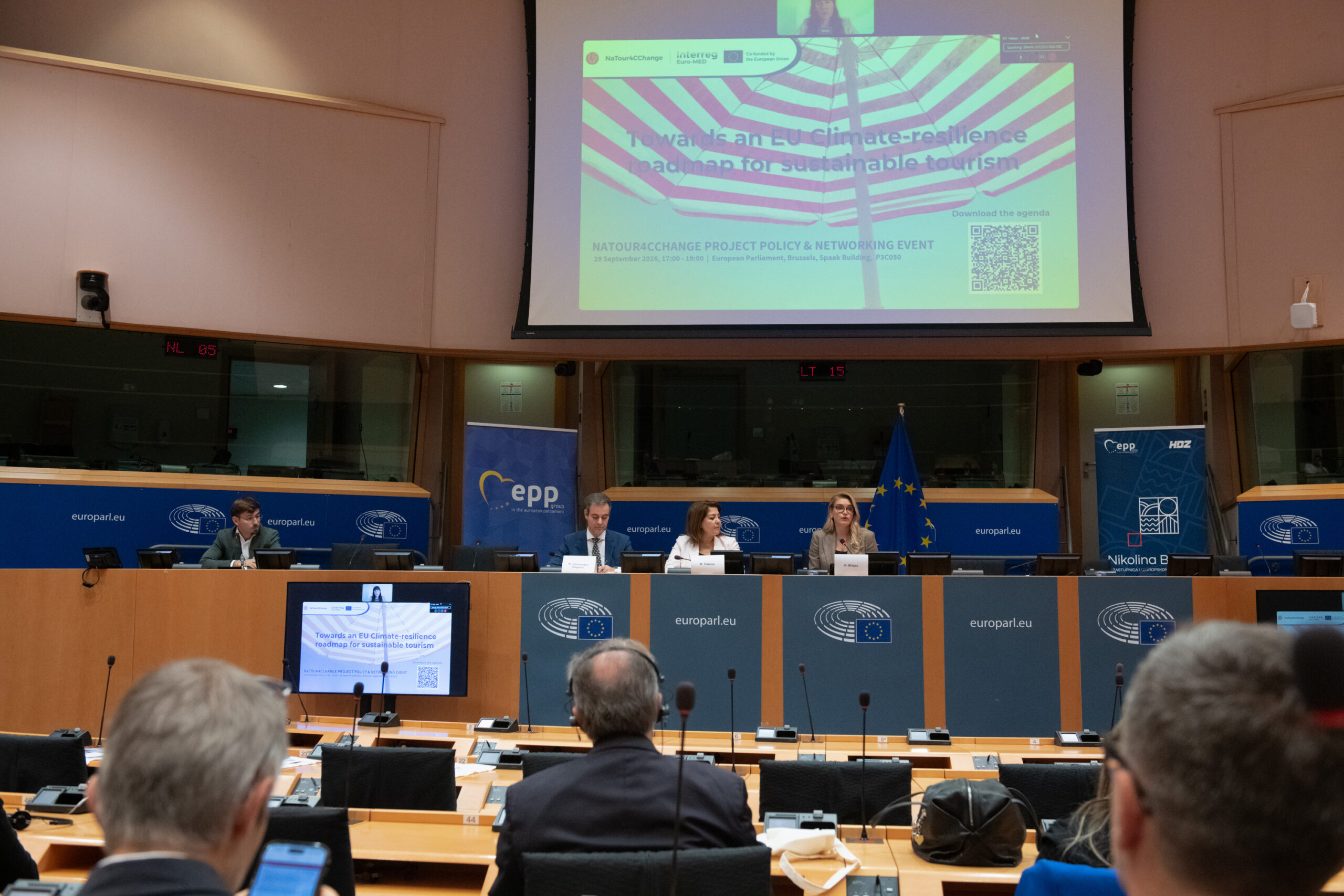
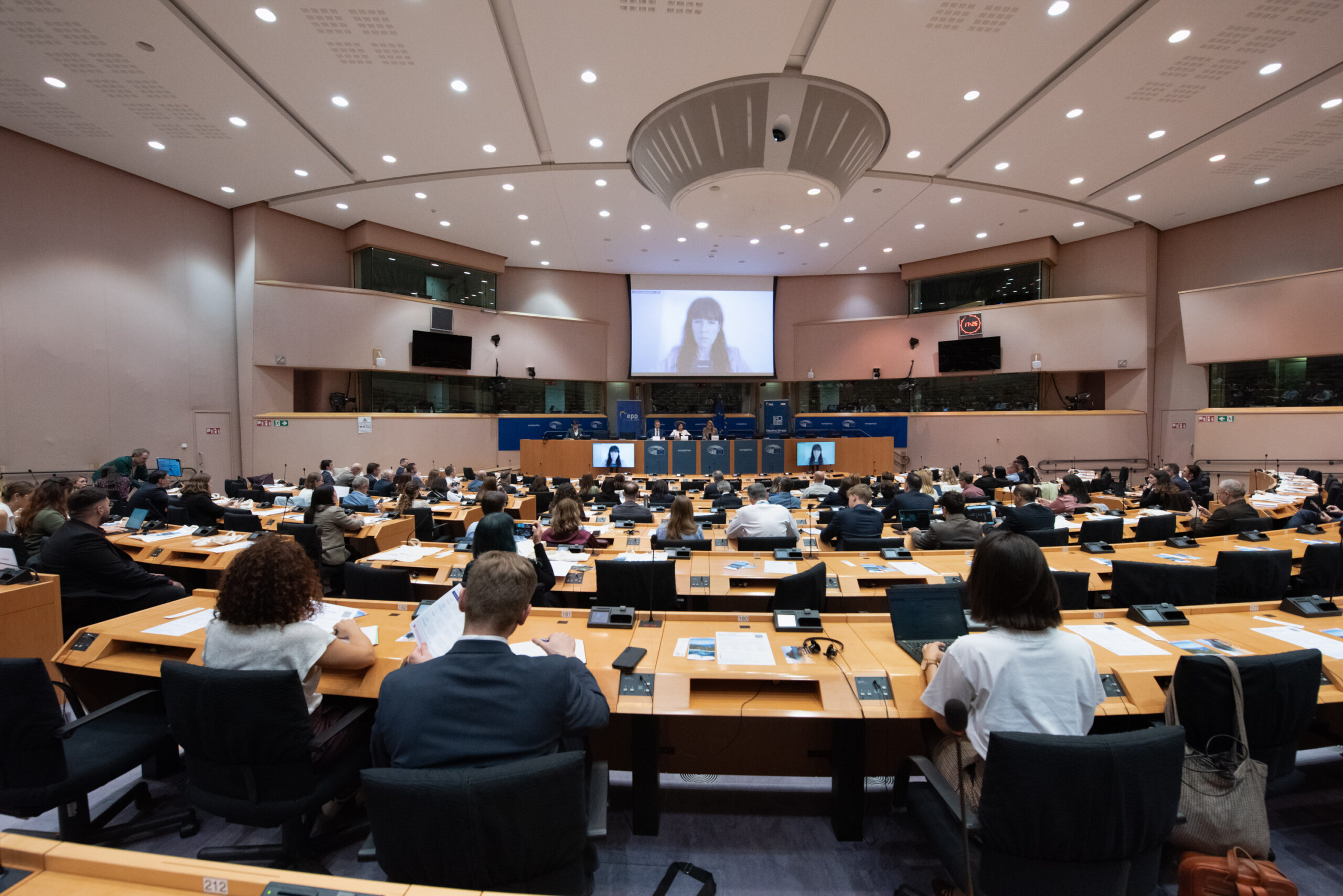
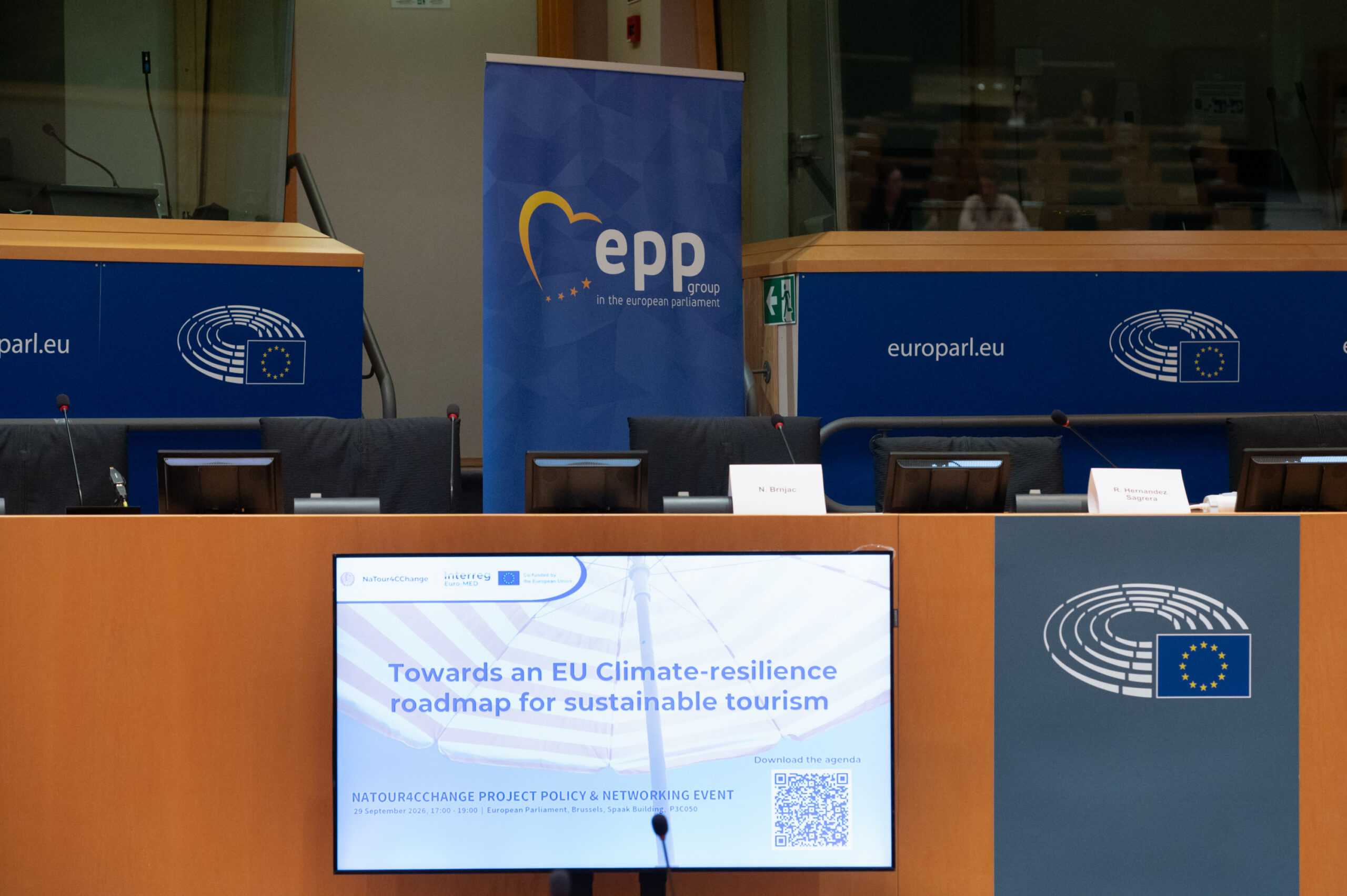
th September, NaTour4CChange was under the spotlight at the European Parliament in Brussels for its final policy and networking event, “
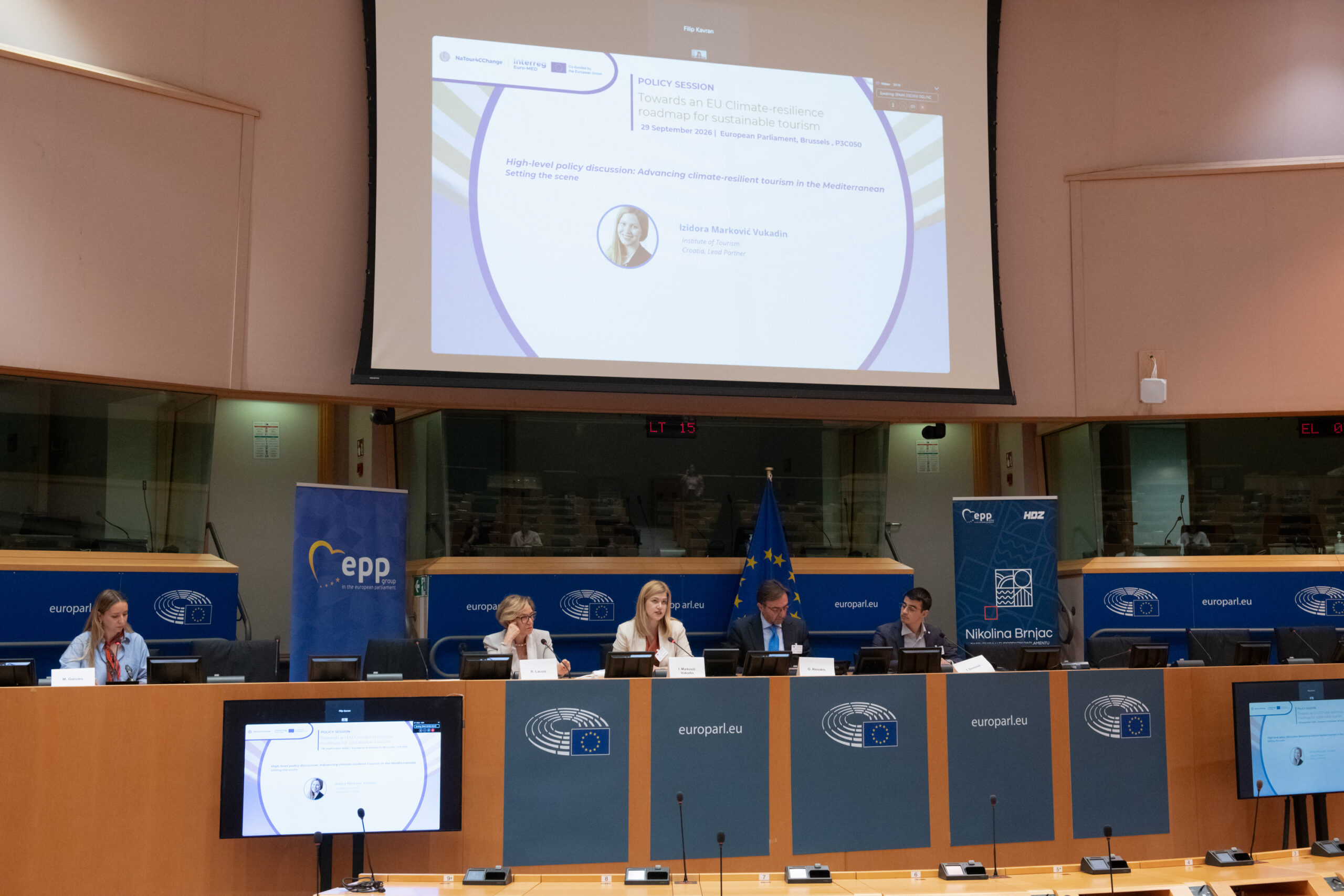
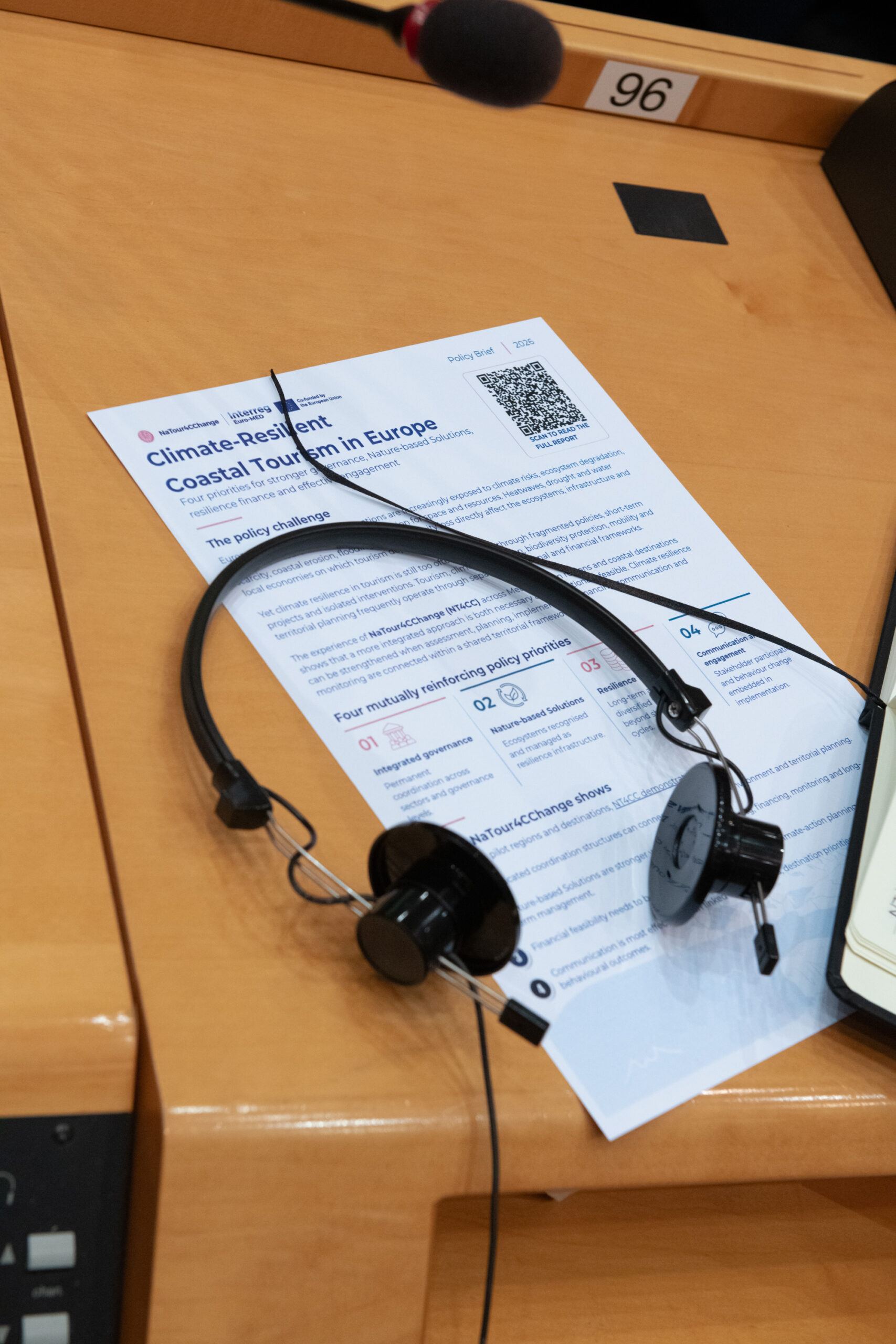
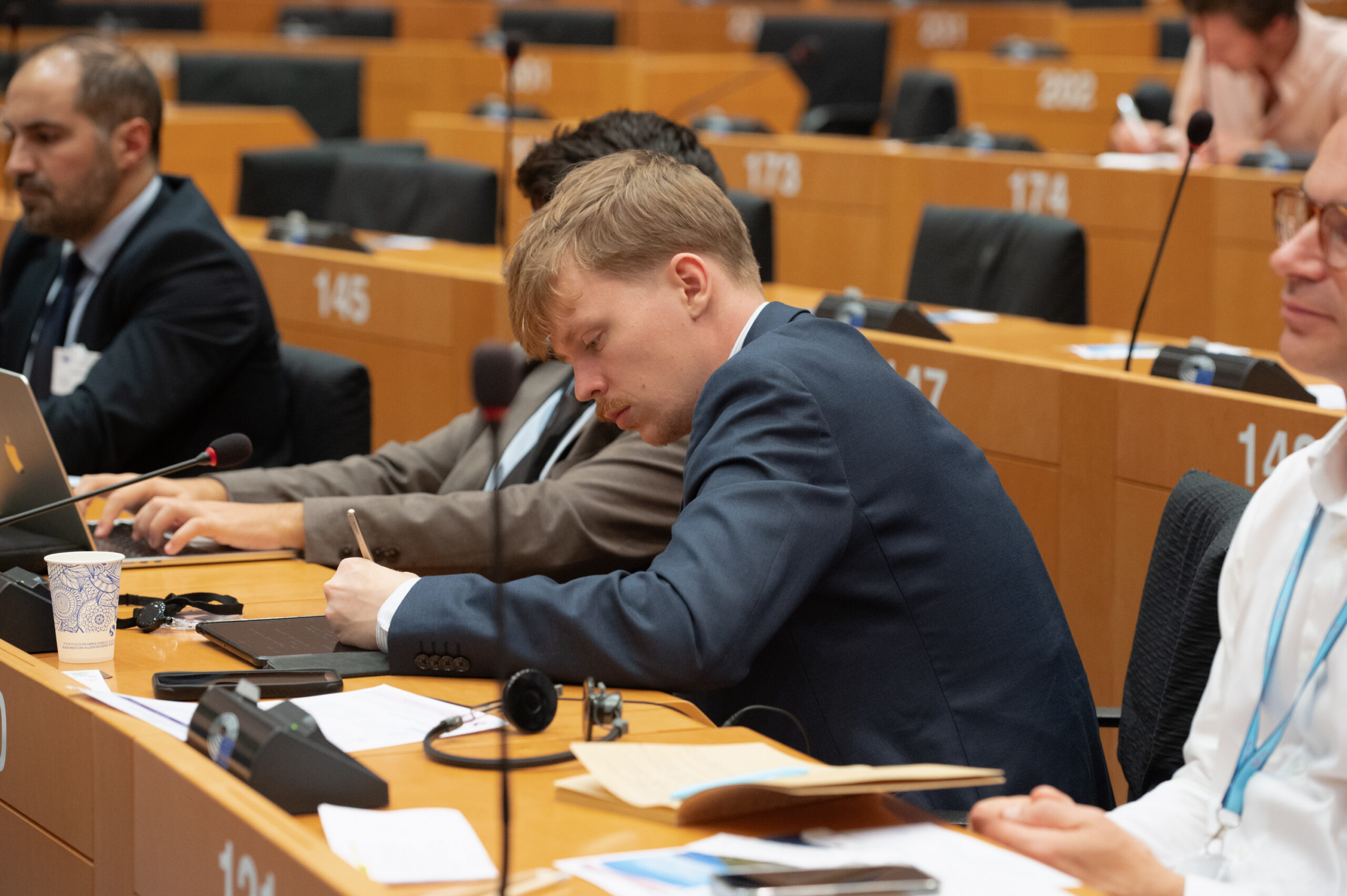
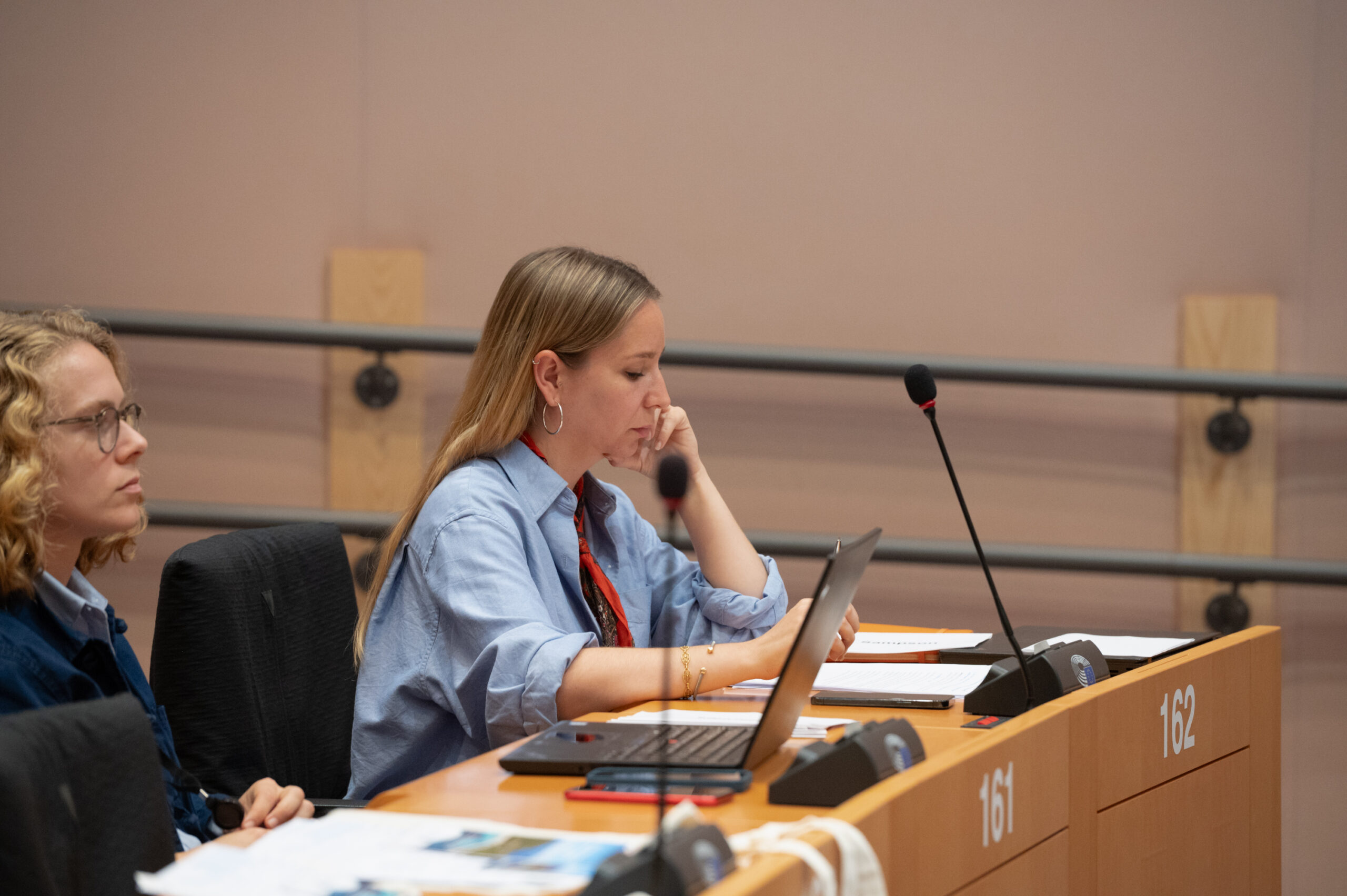
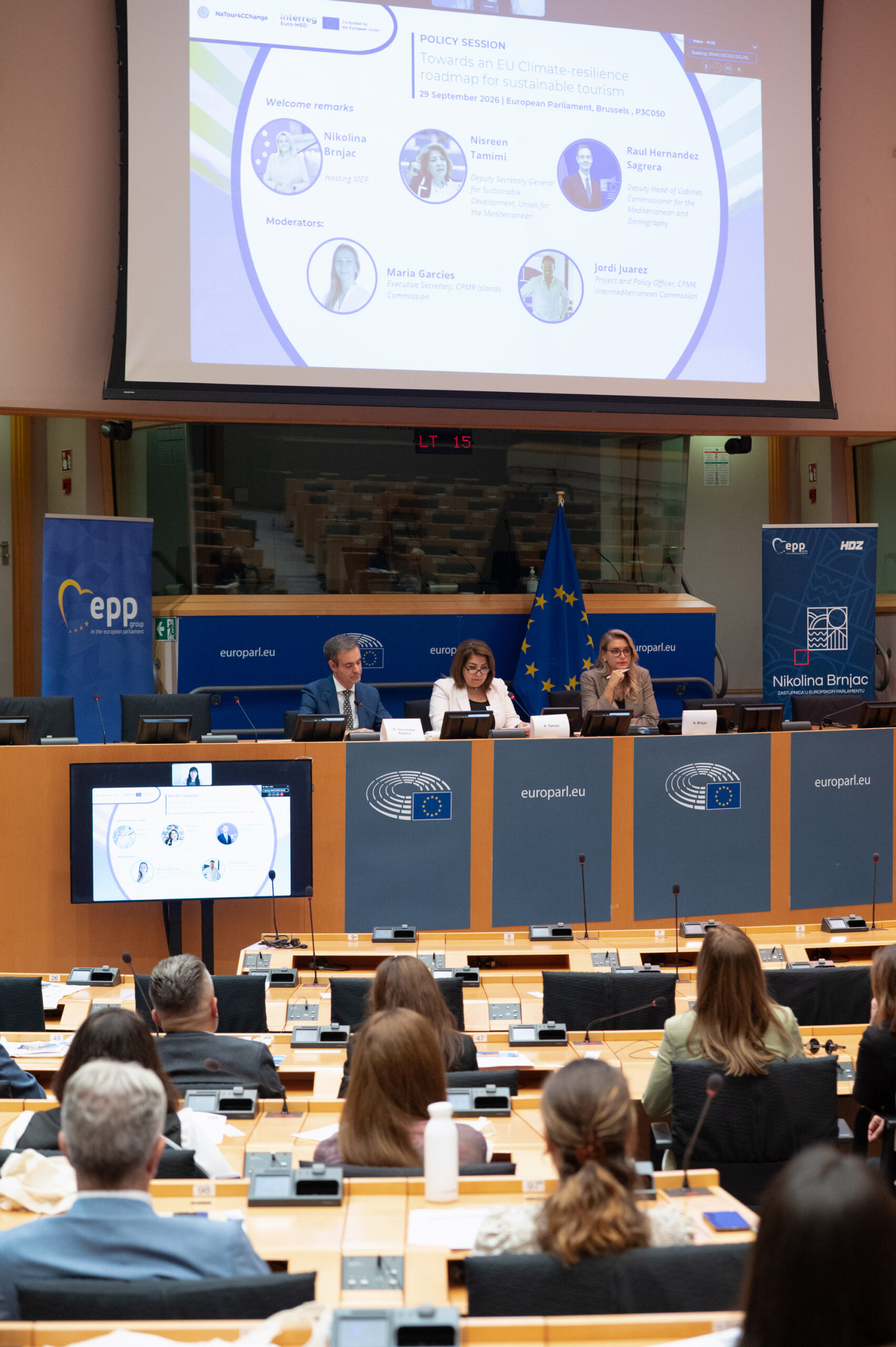
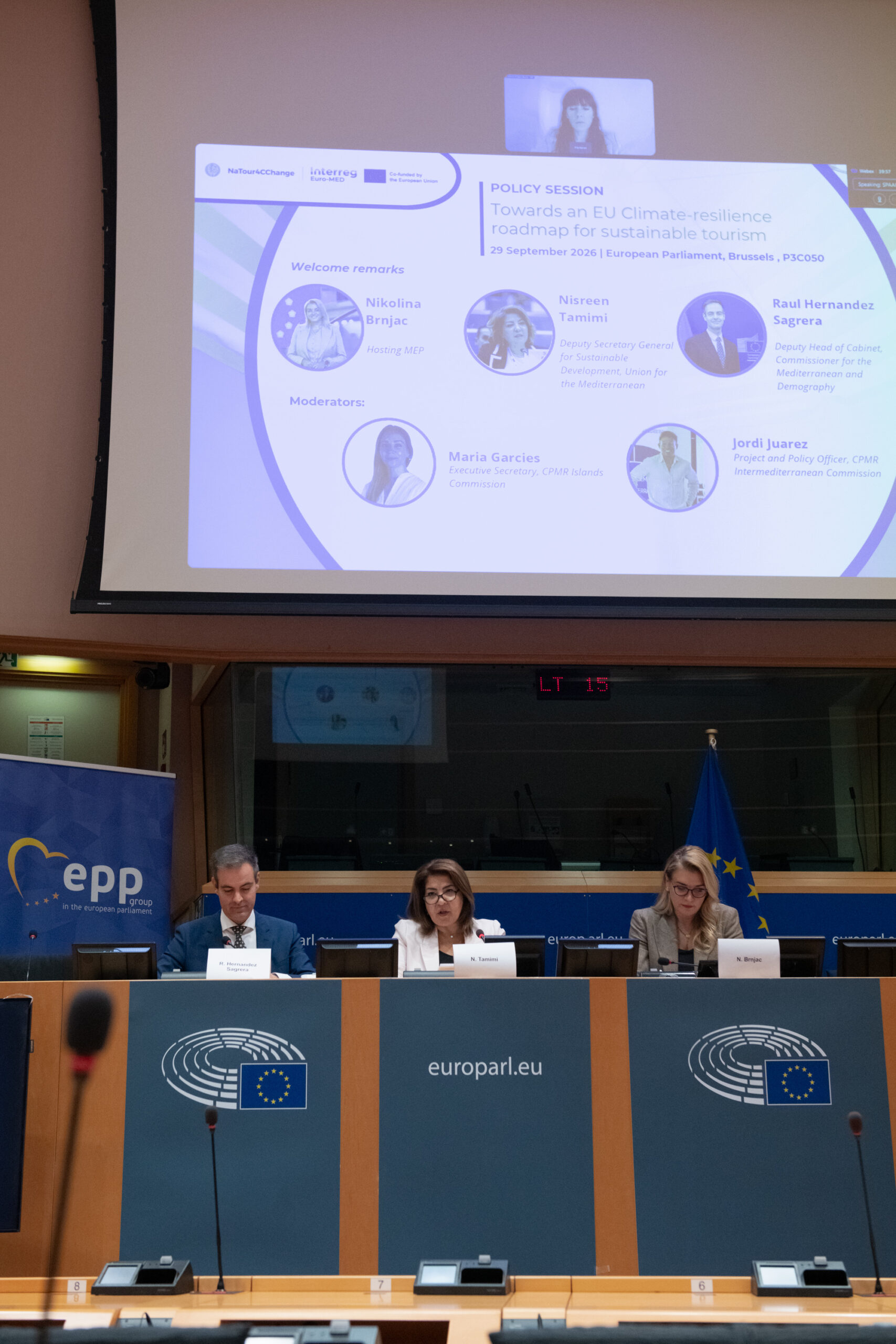
Towards an EU climate-resilience roadmap for sustainable tourism”. The ambition was to bring the results of the project directly to key decisionmakers and tourism stakeholders, sparking a crucial conversation about strengthening governance and Nature-based Solutions, in making sustainable tourism a viable, long-term reality for Mediterranean islands, coastal regions and destinations. Hosted by
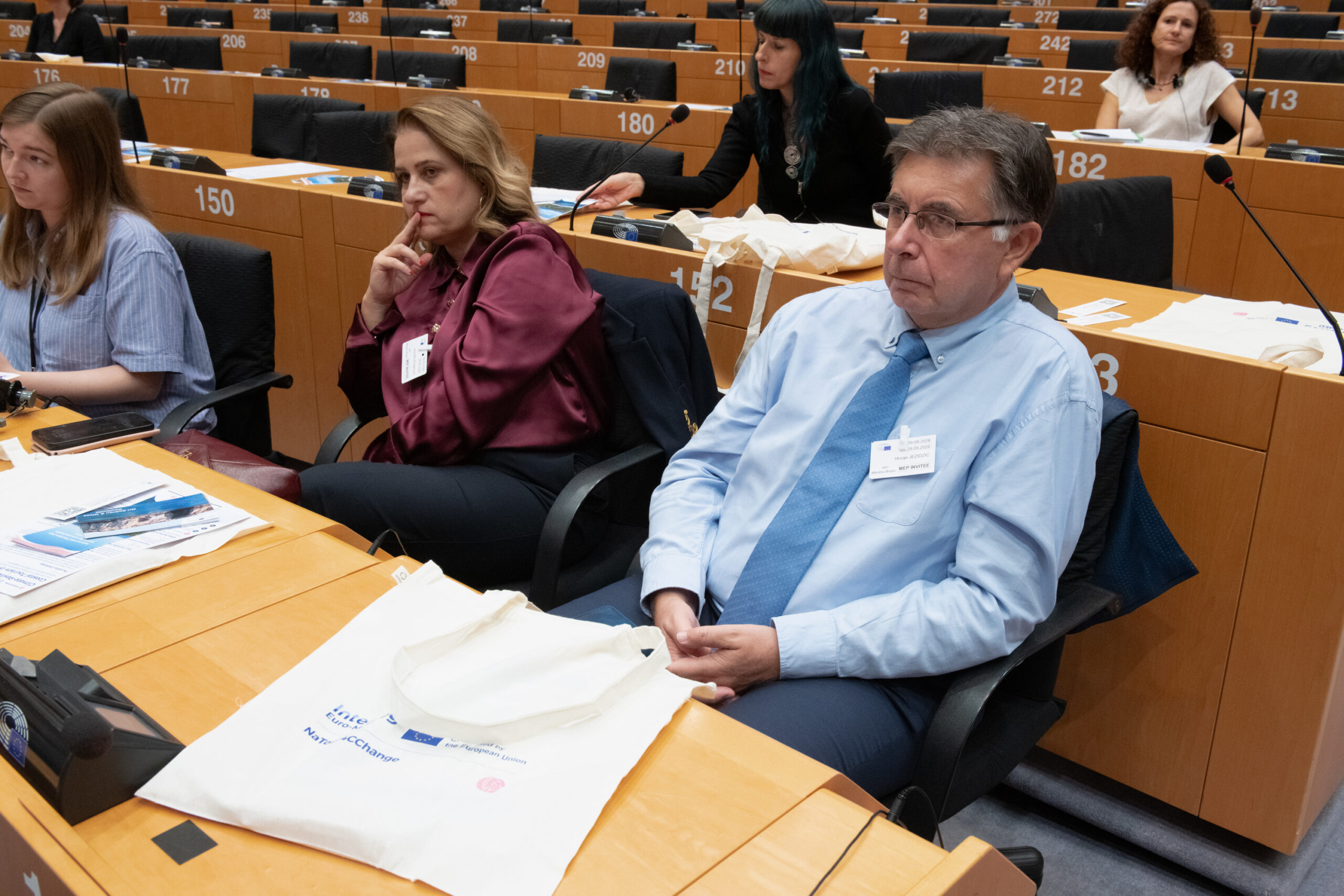
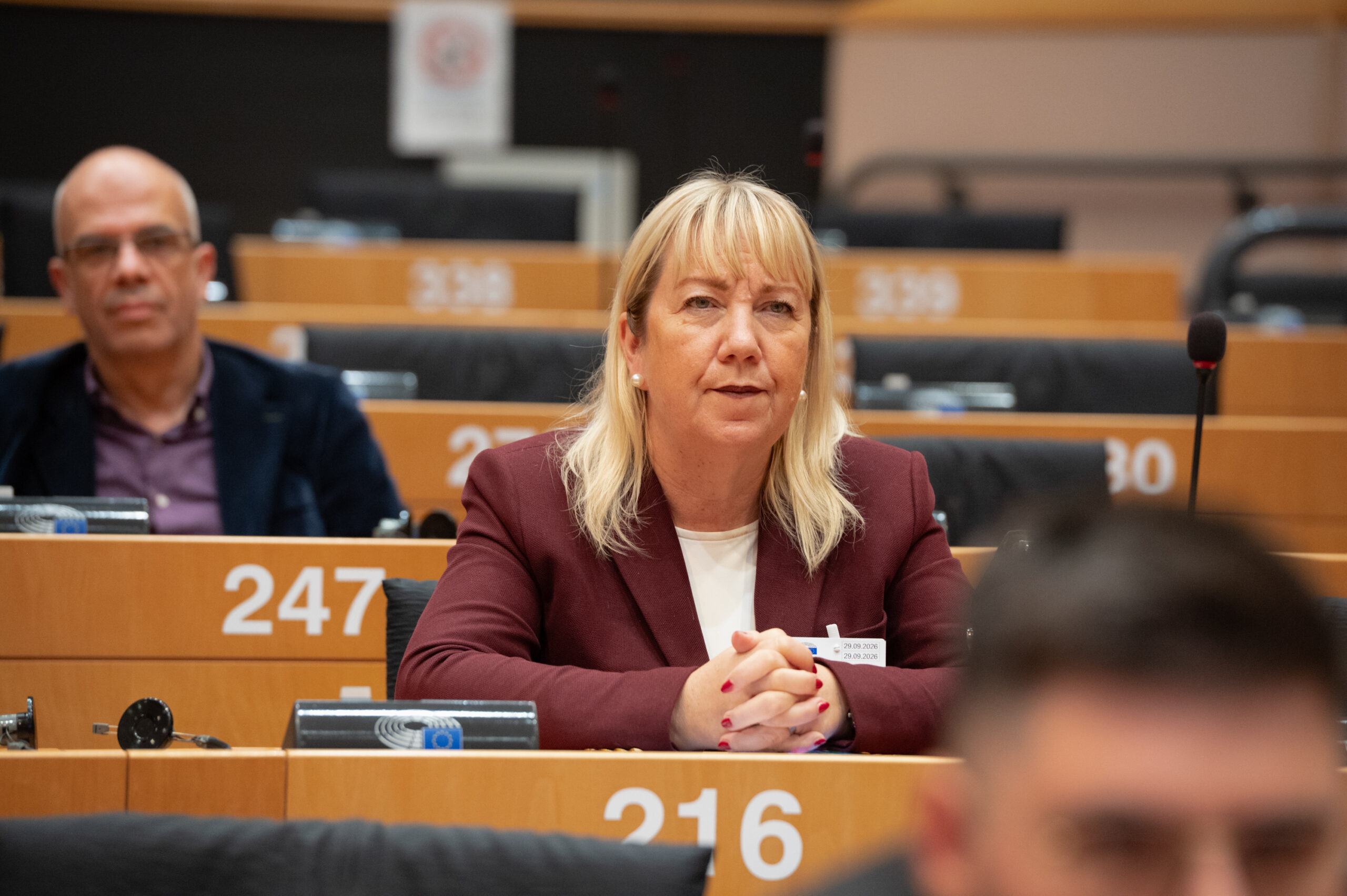
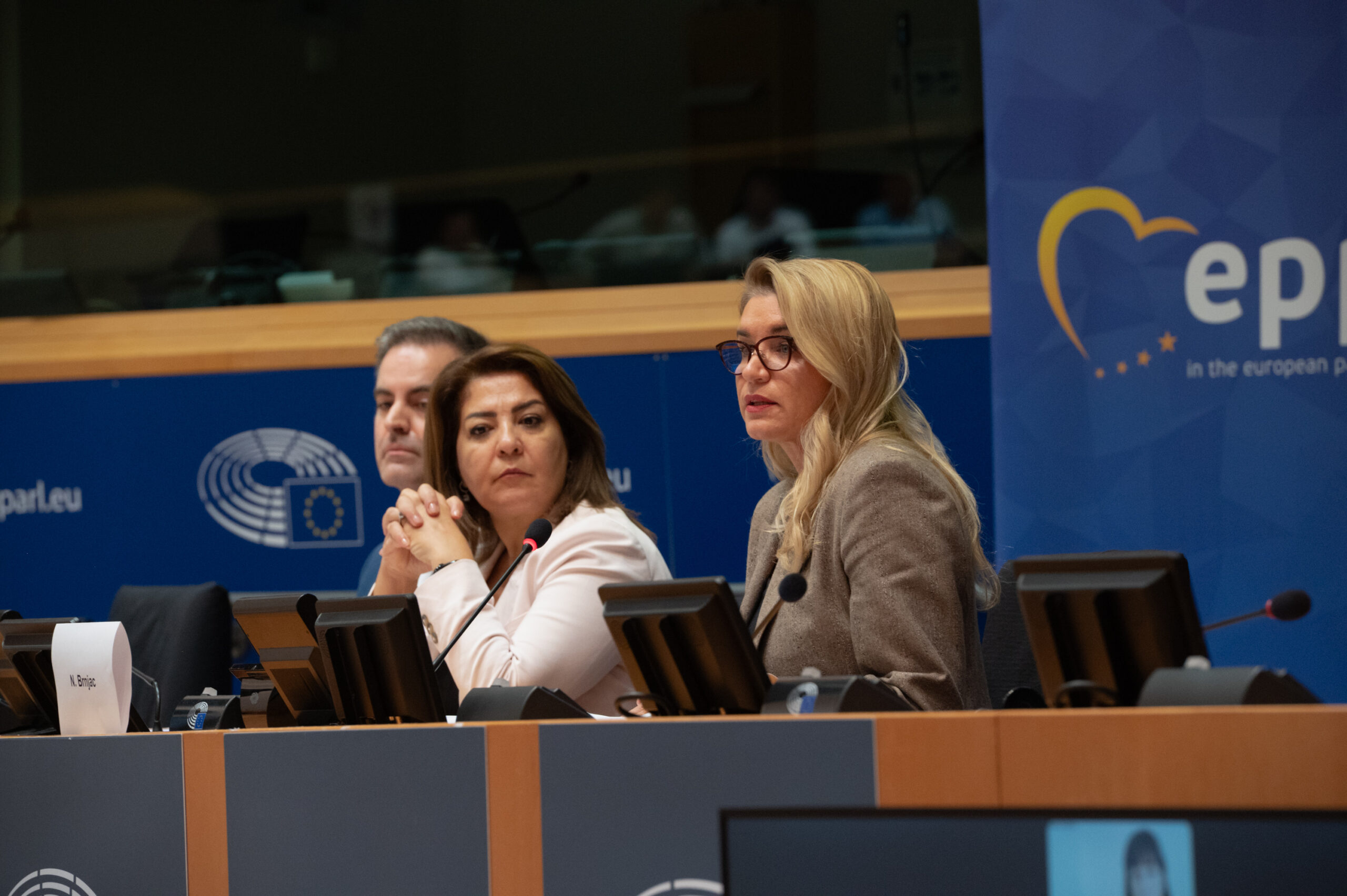
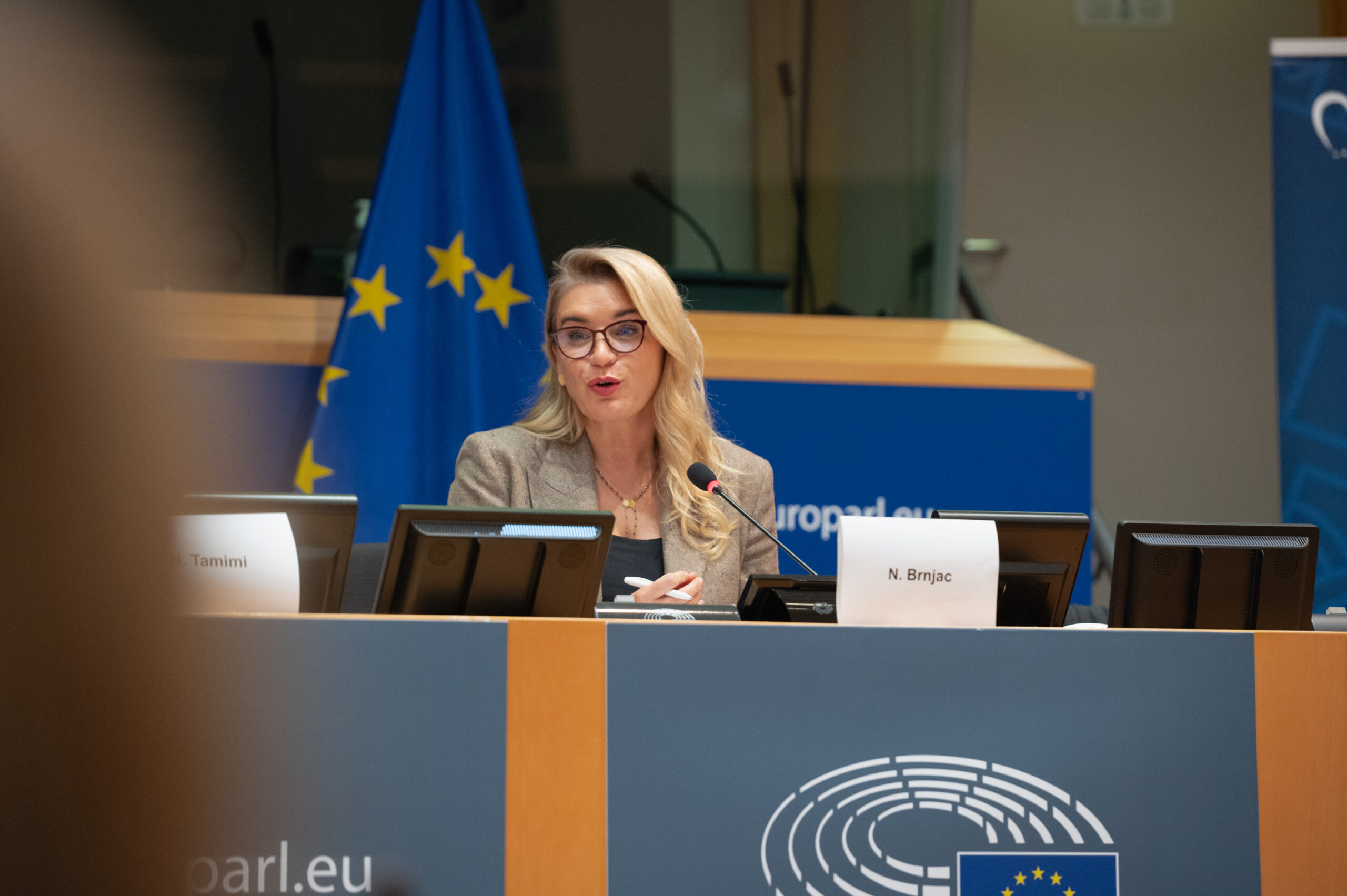
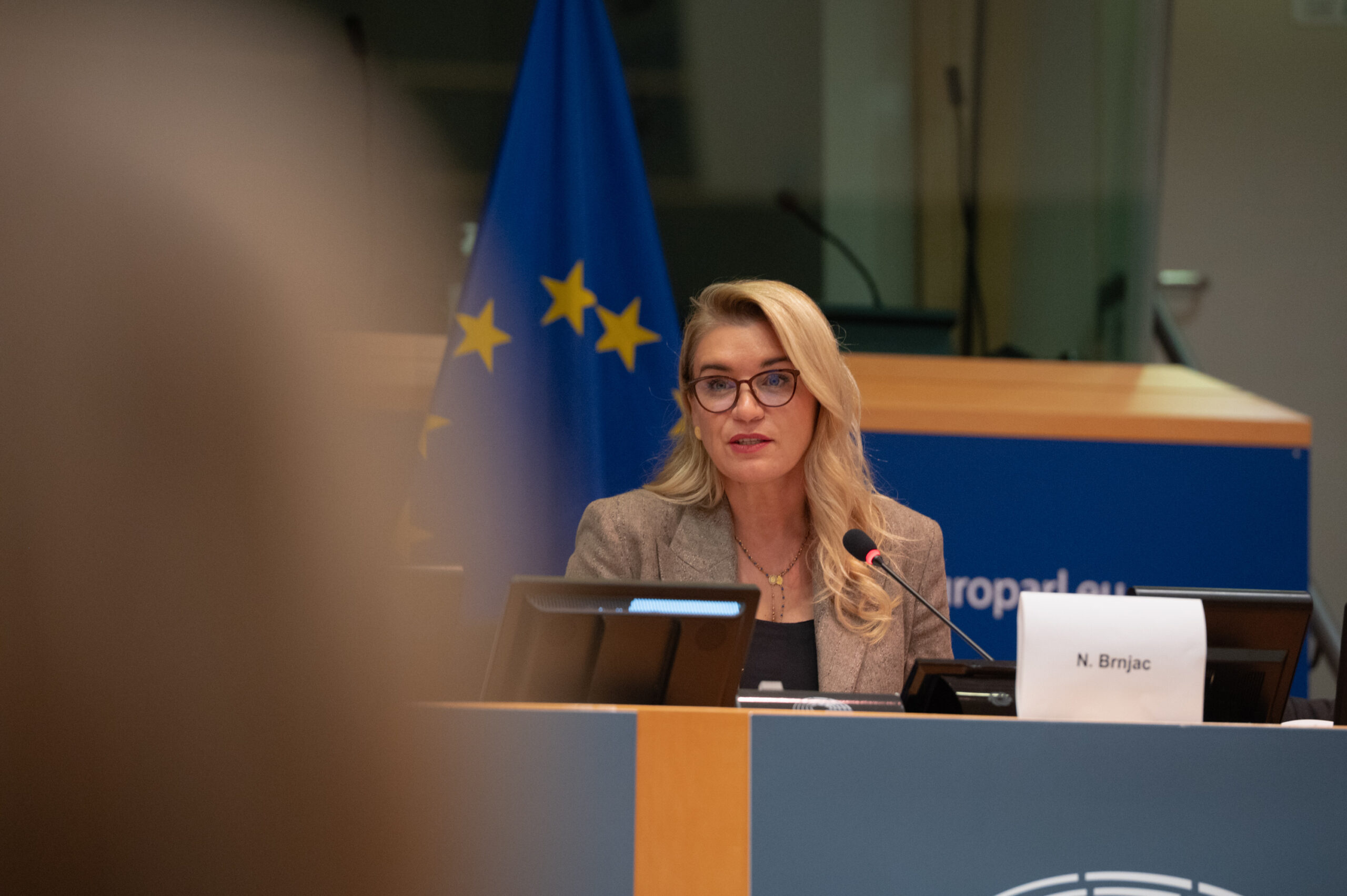
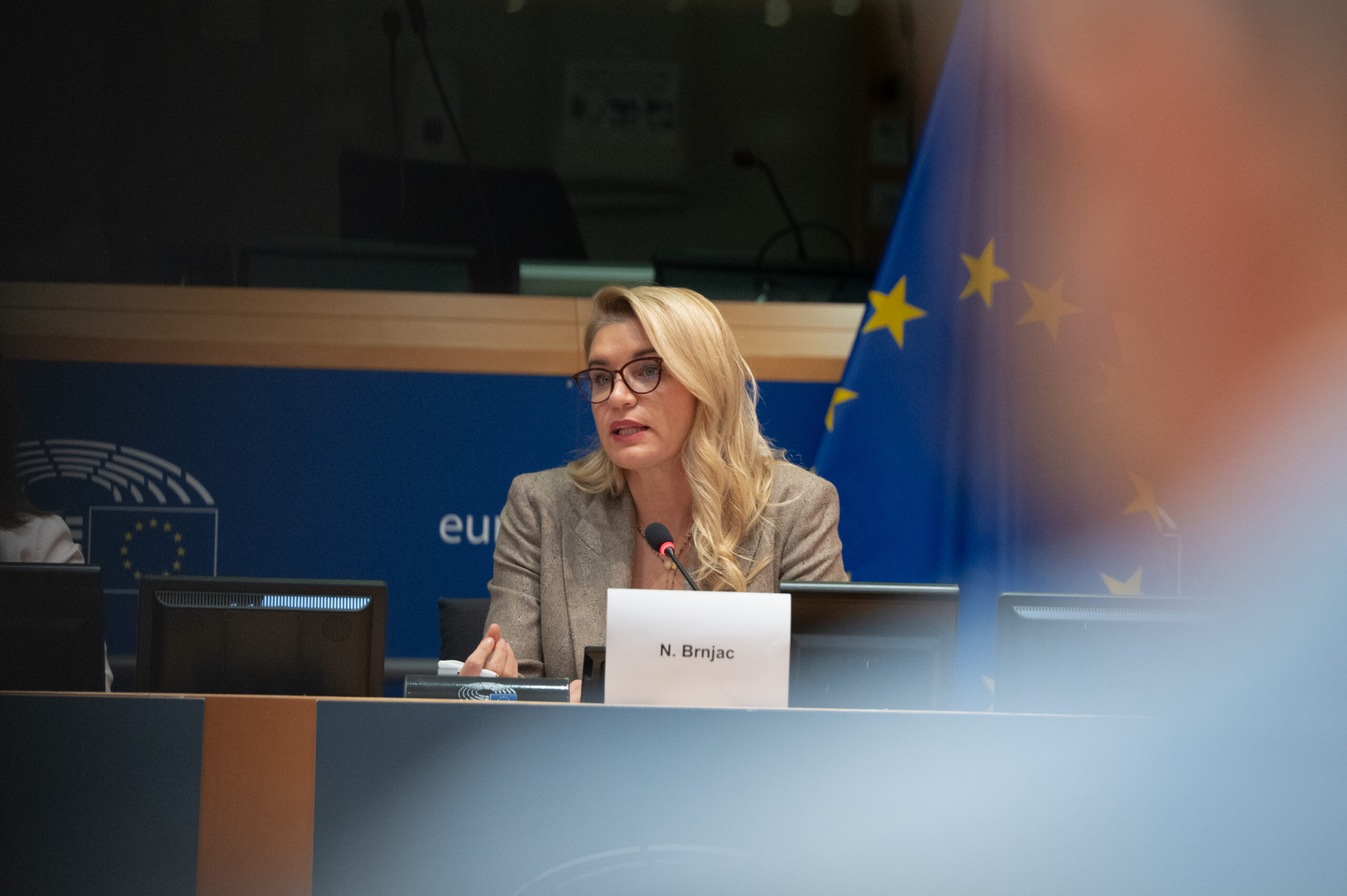
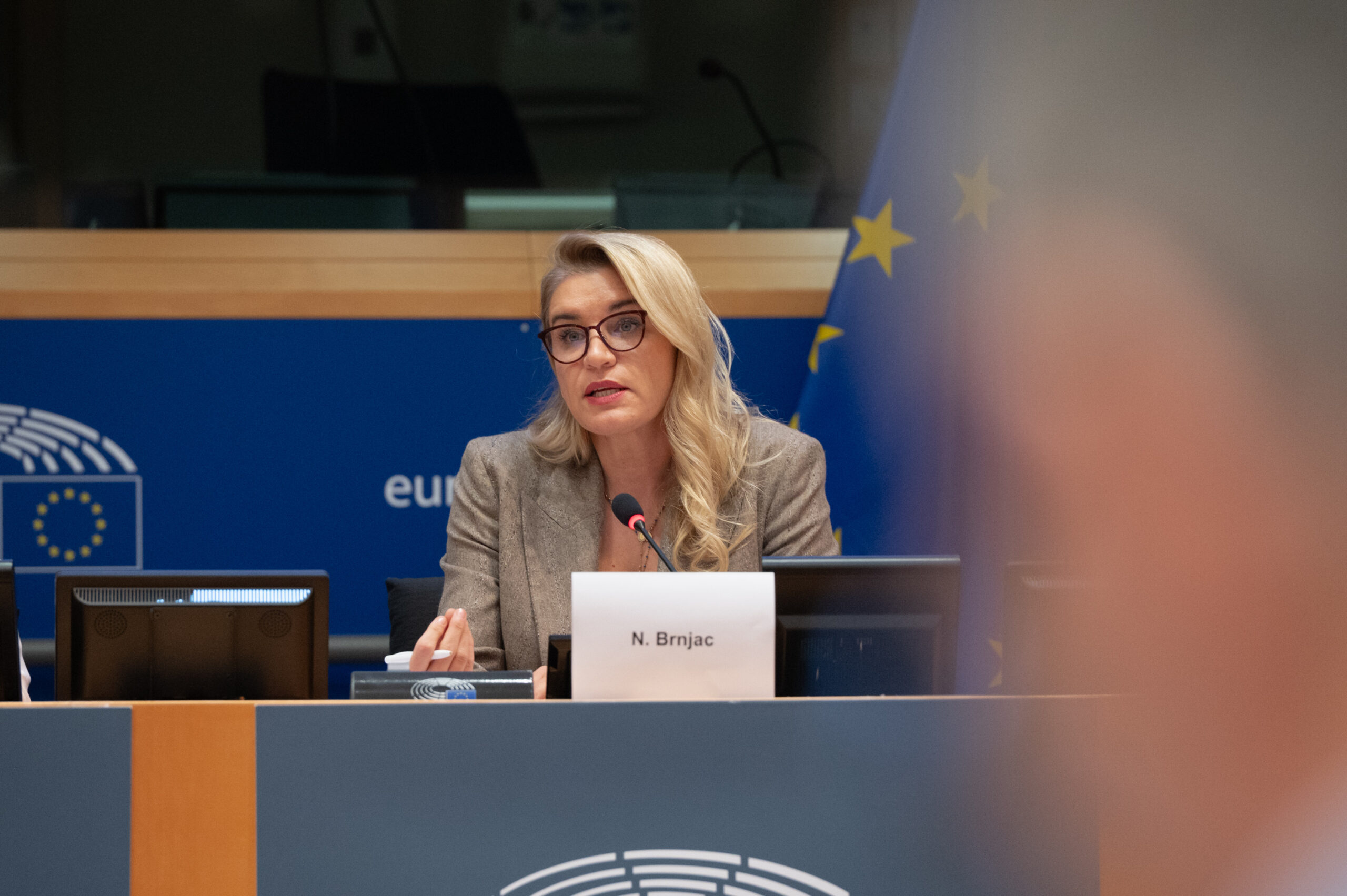
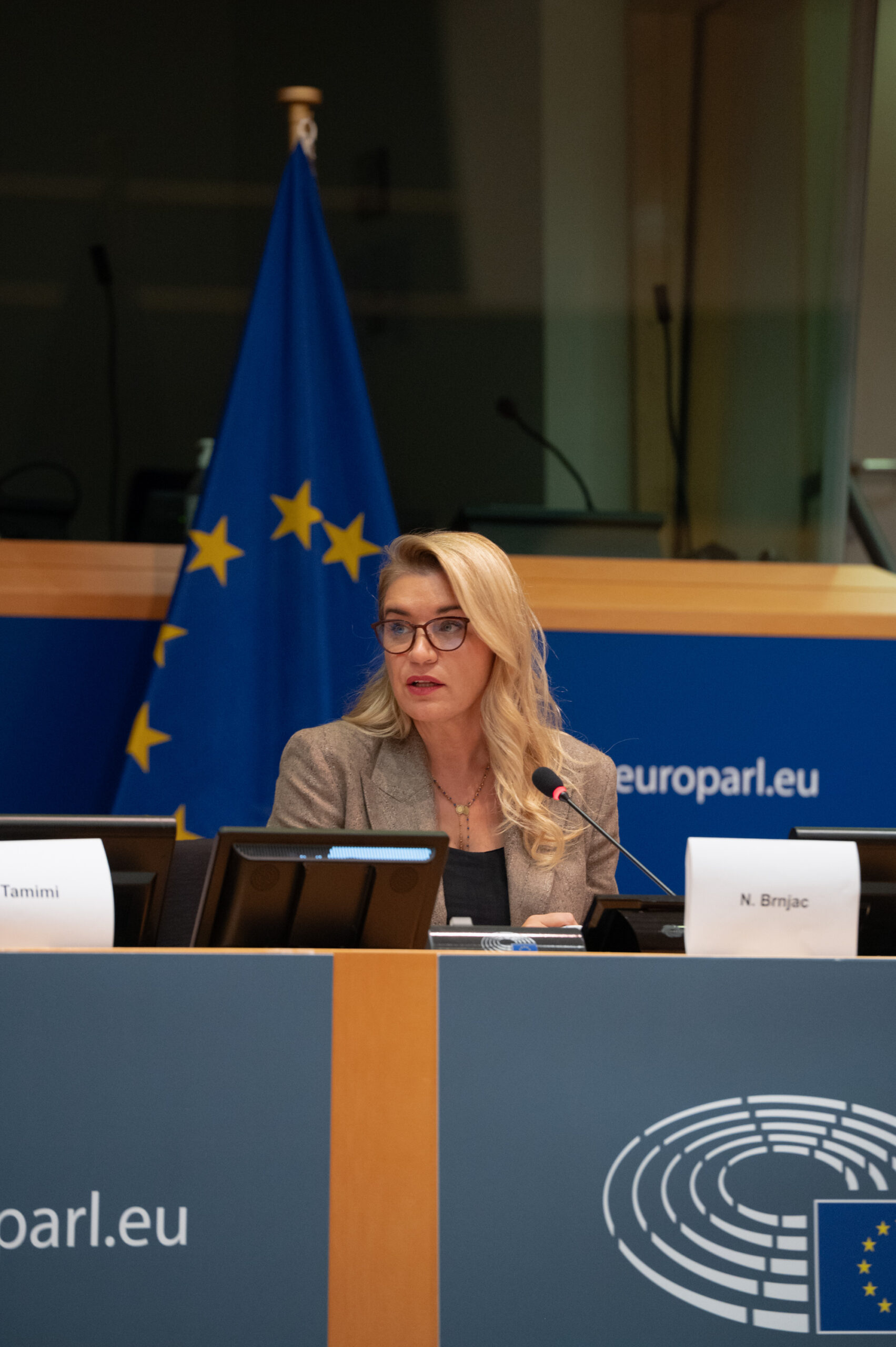
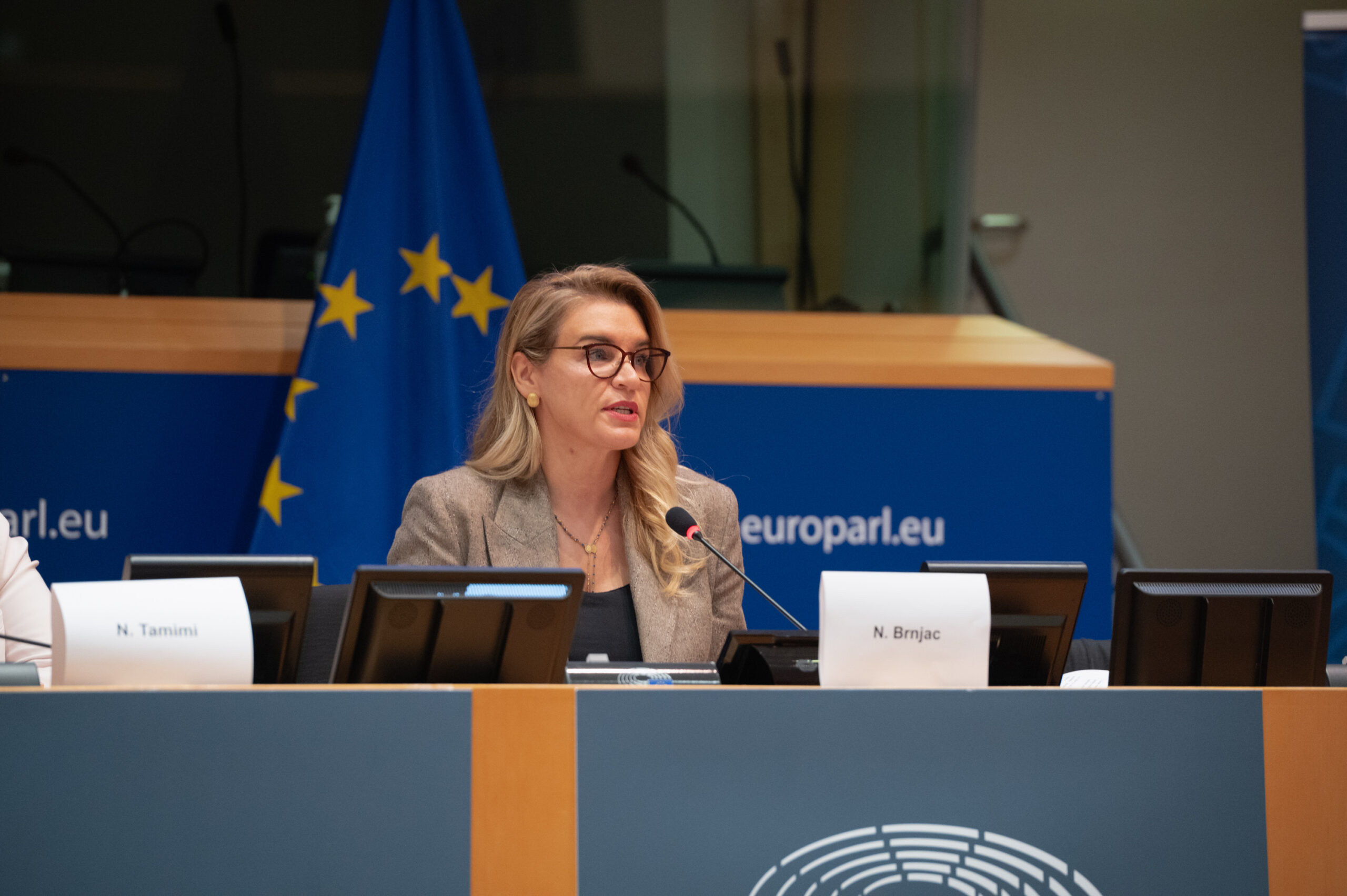
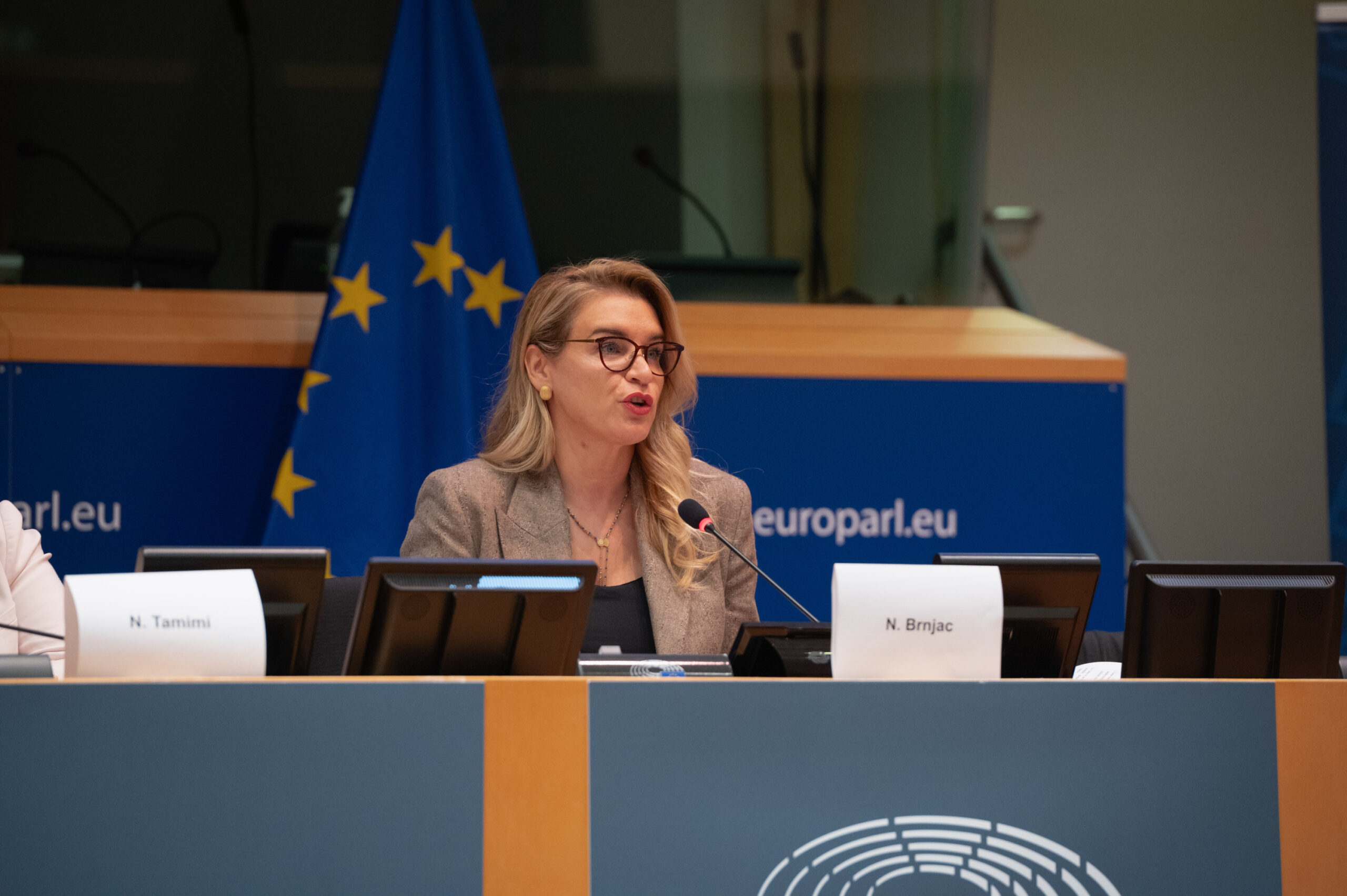
MEP Nikolina Brnjac, the event went beyond sharing project lessons with a broad audience. It pushed the conversation further by combining the project practical experience with the technical expertise of tourist specialists and the valuable insights of policymakers; a vital step forward as we await the upcoming EU Sustainable Tourism Strategy.
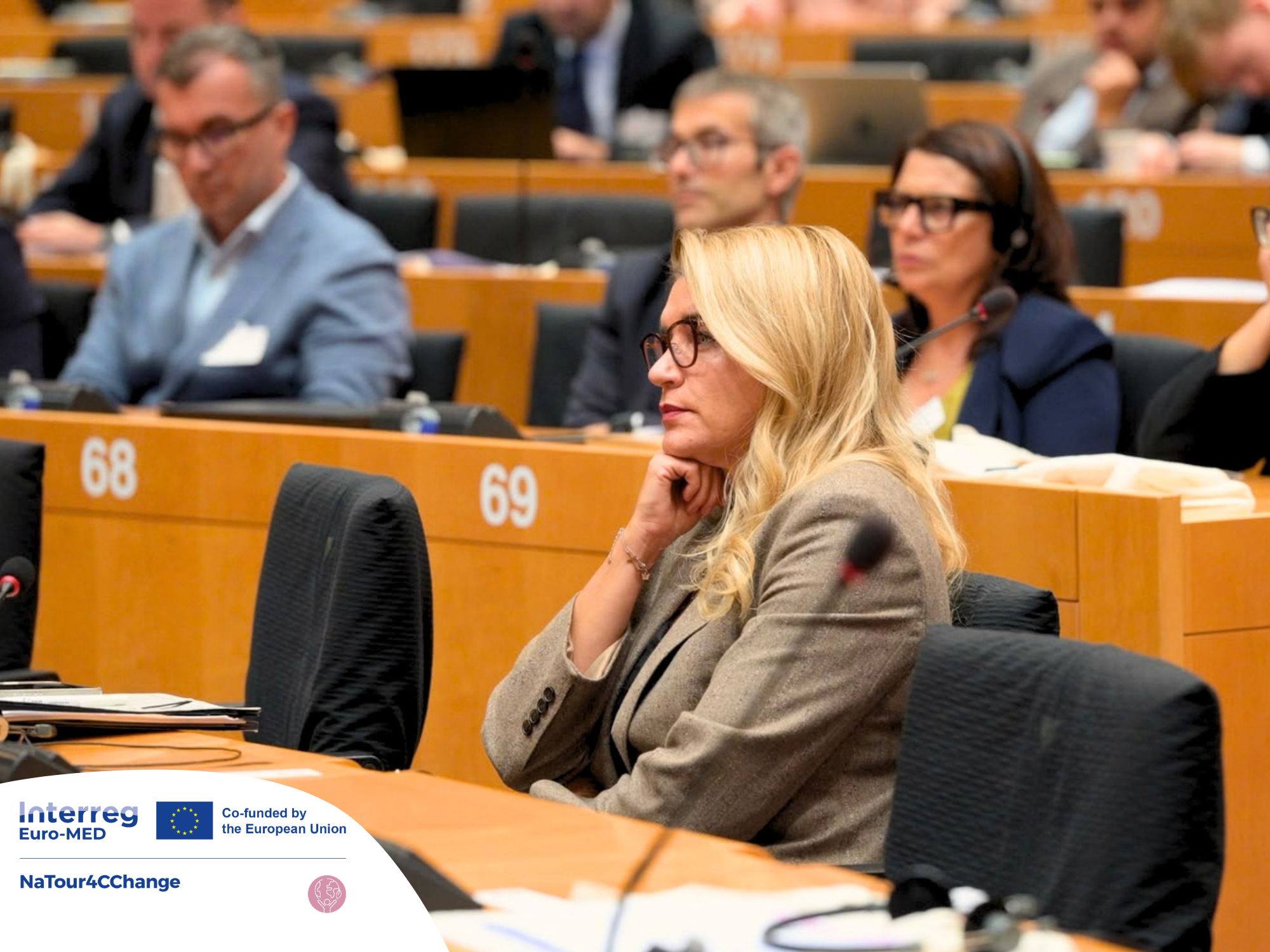
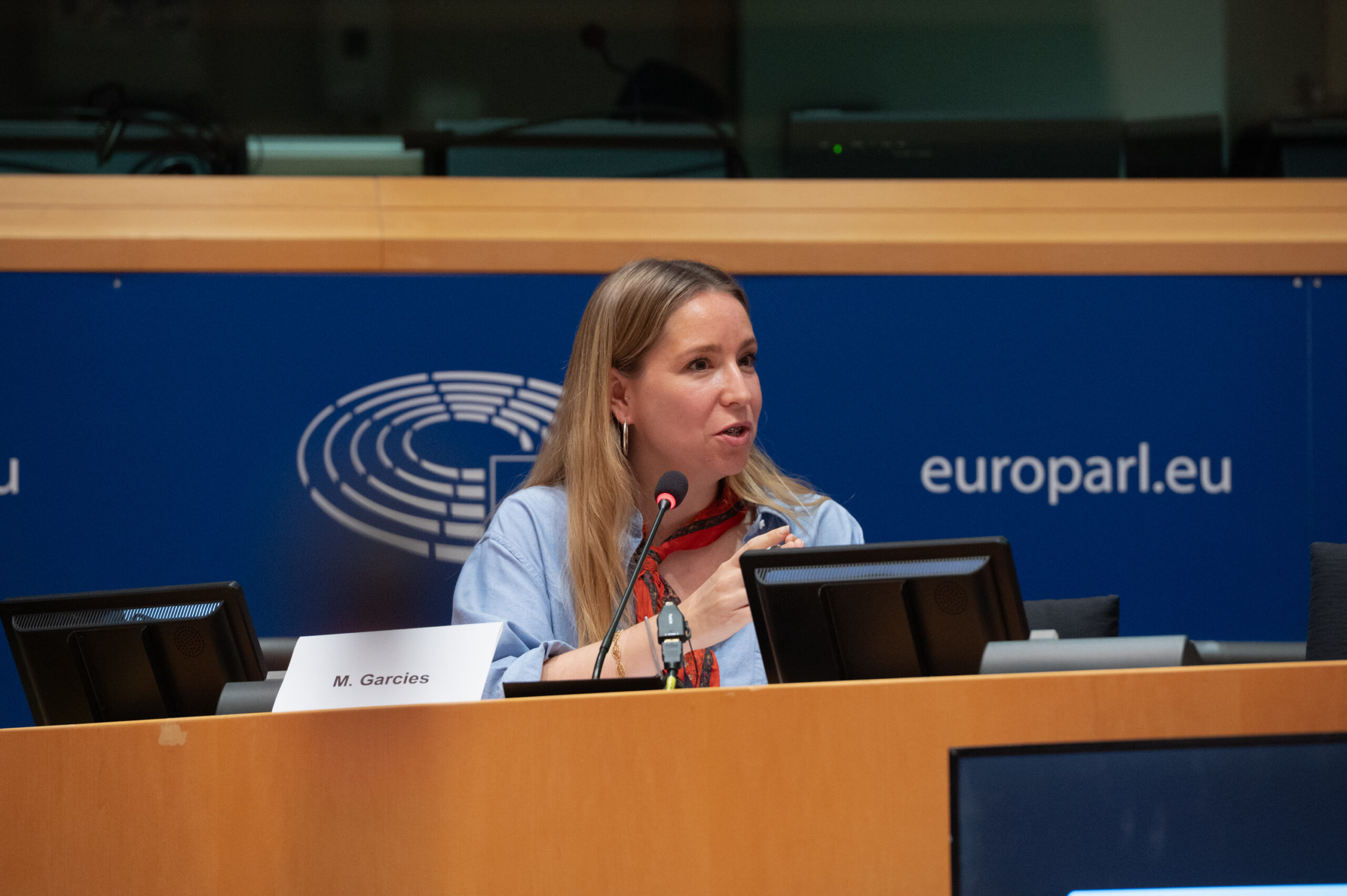
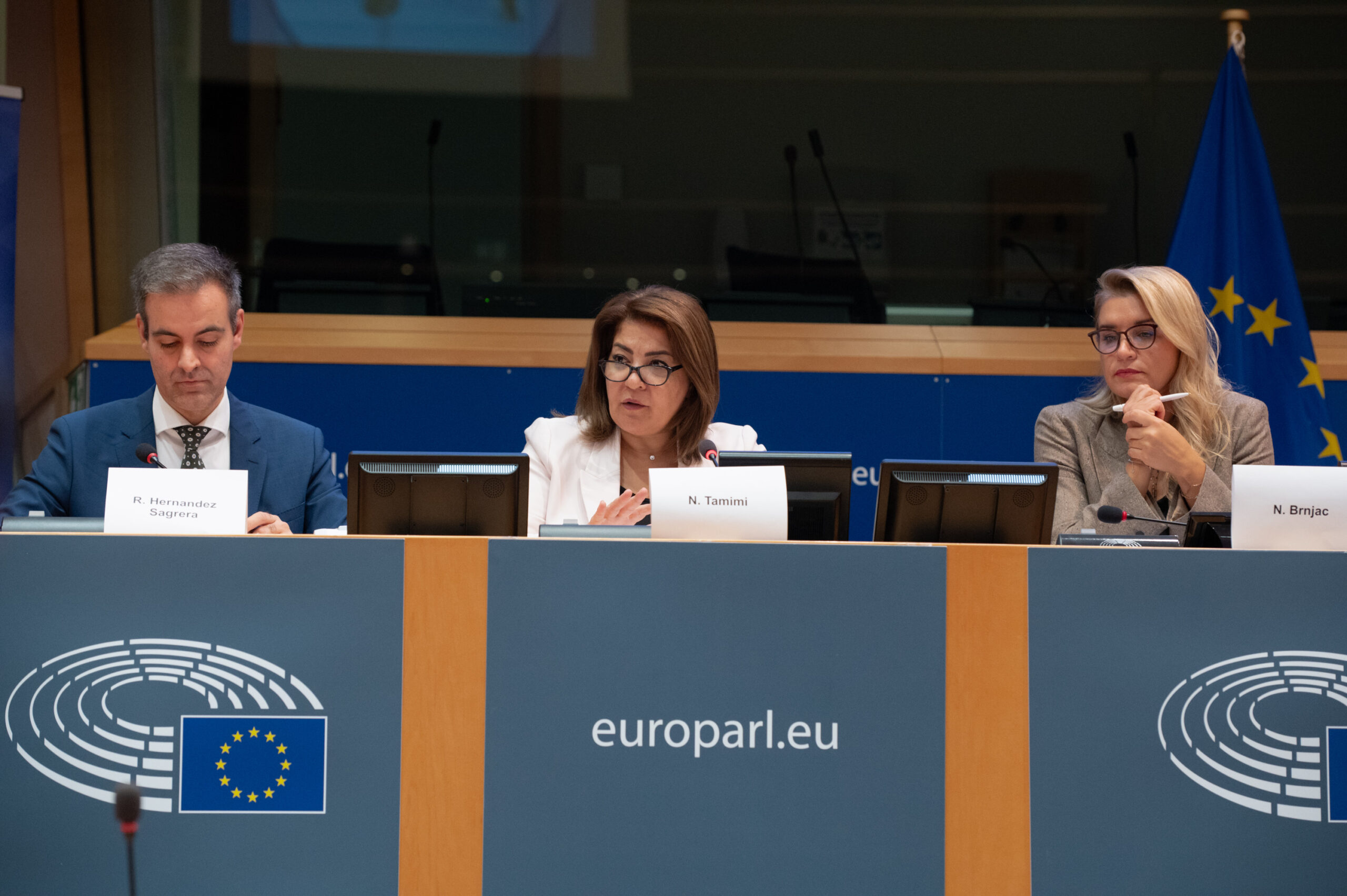
The introductory speech of MEP
Nikolina Brnjac stressed the importance of integrating regional and local realities into the European policy frameworks, while the Deputy Head of Cabinet of the Commissioner for the Mediterranean and Demography,
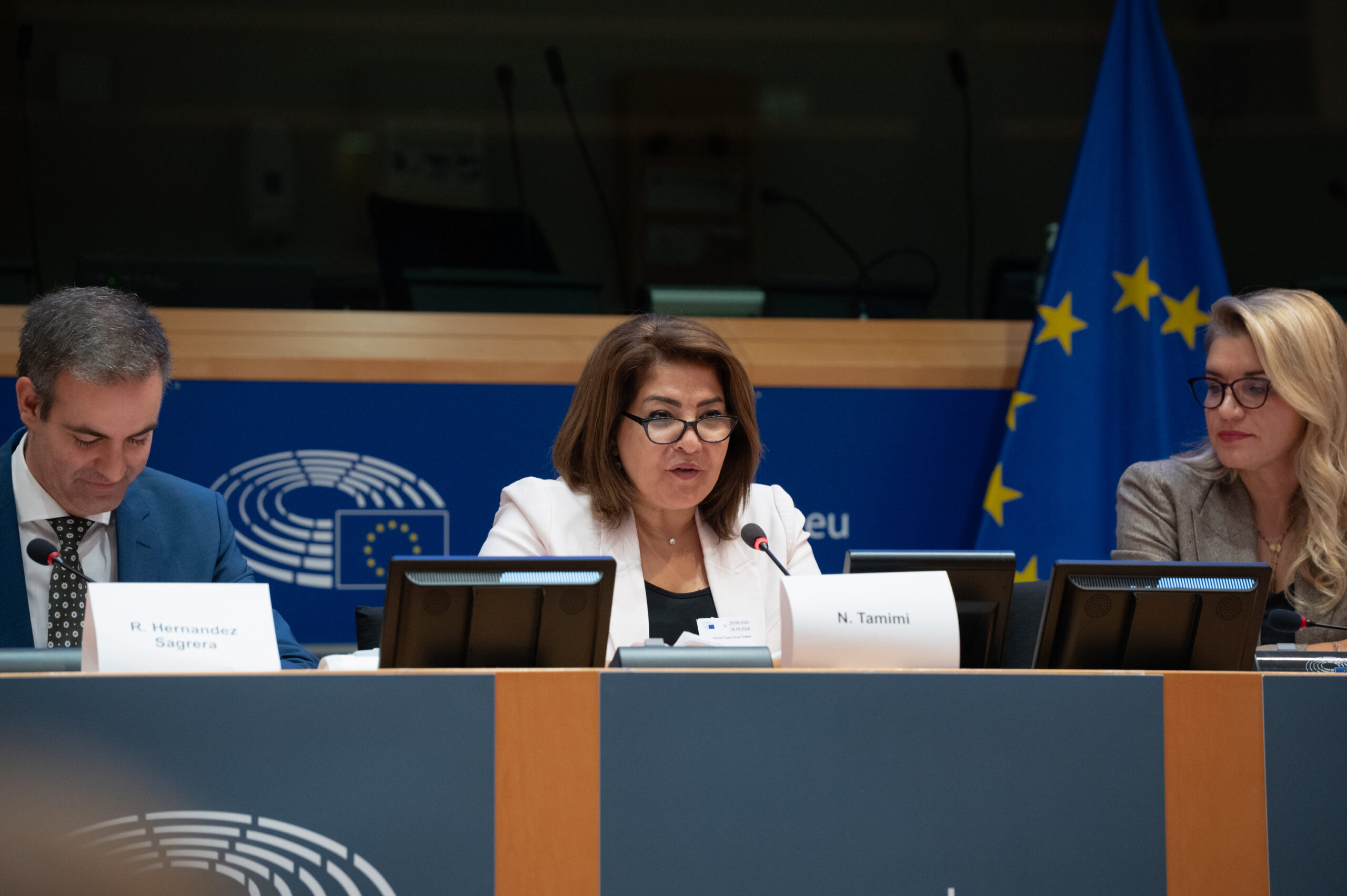
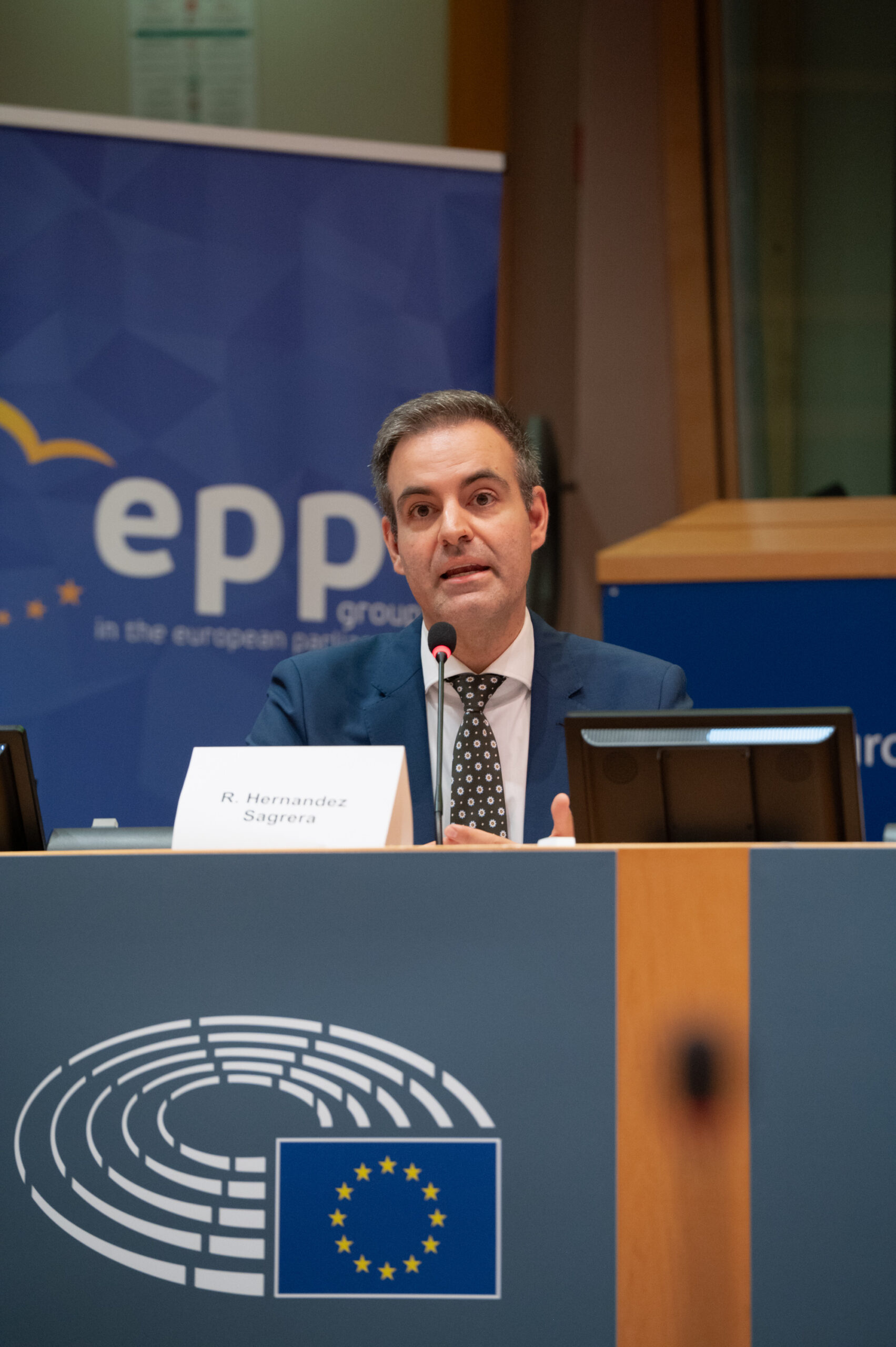
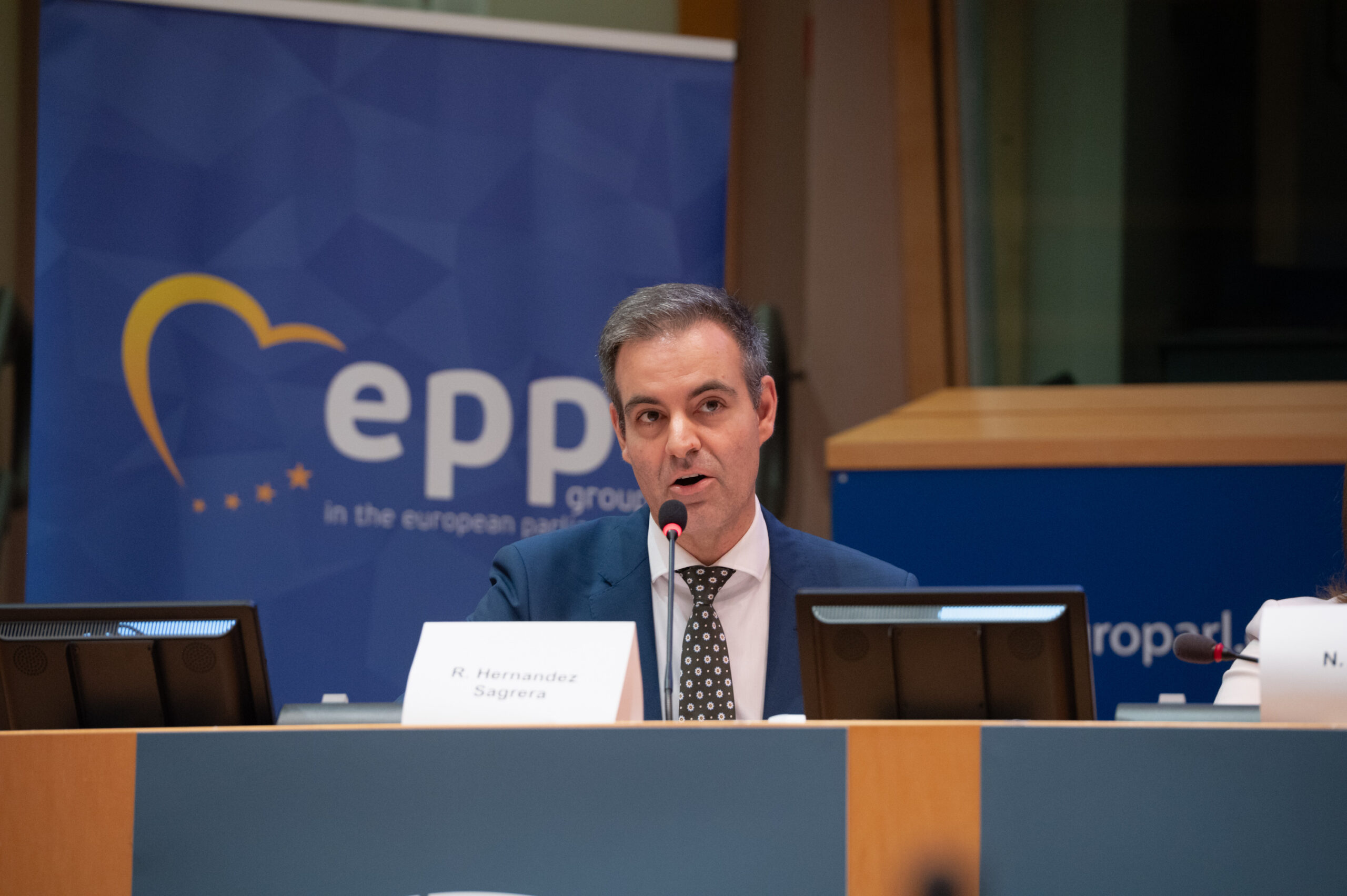
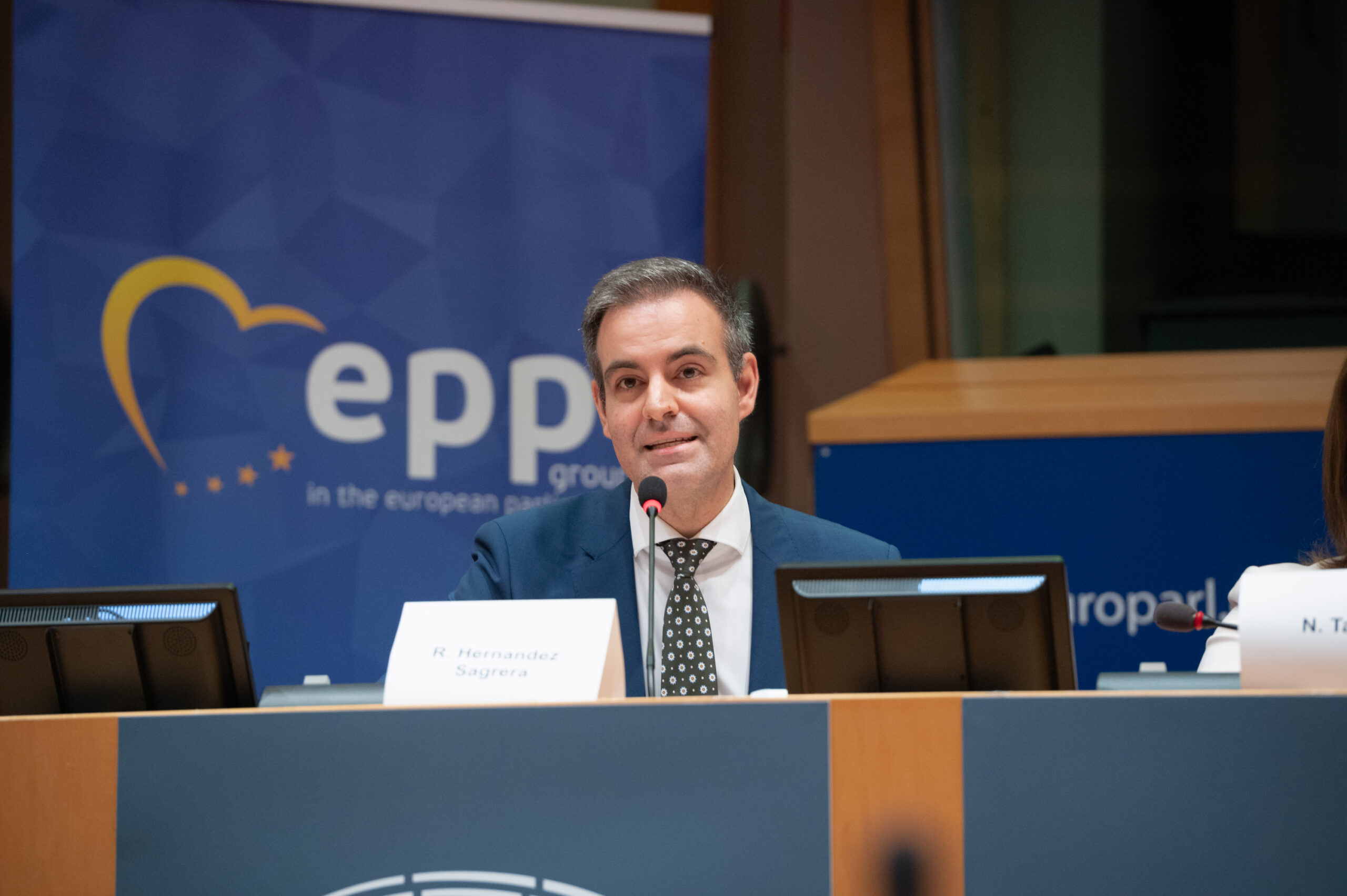
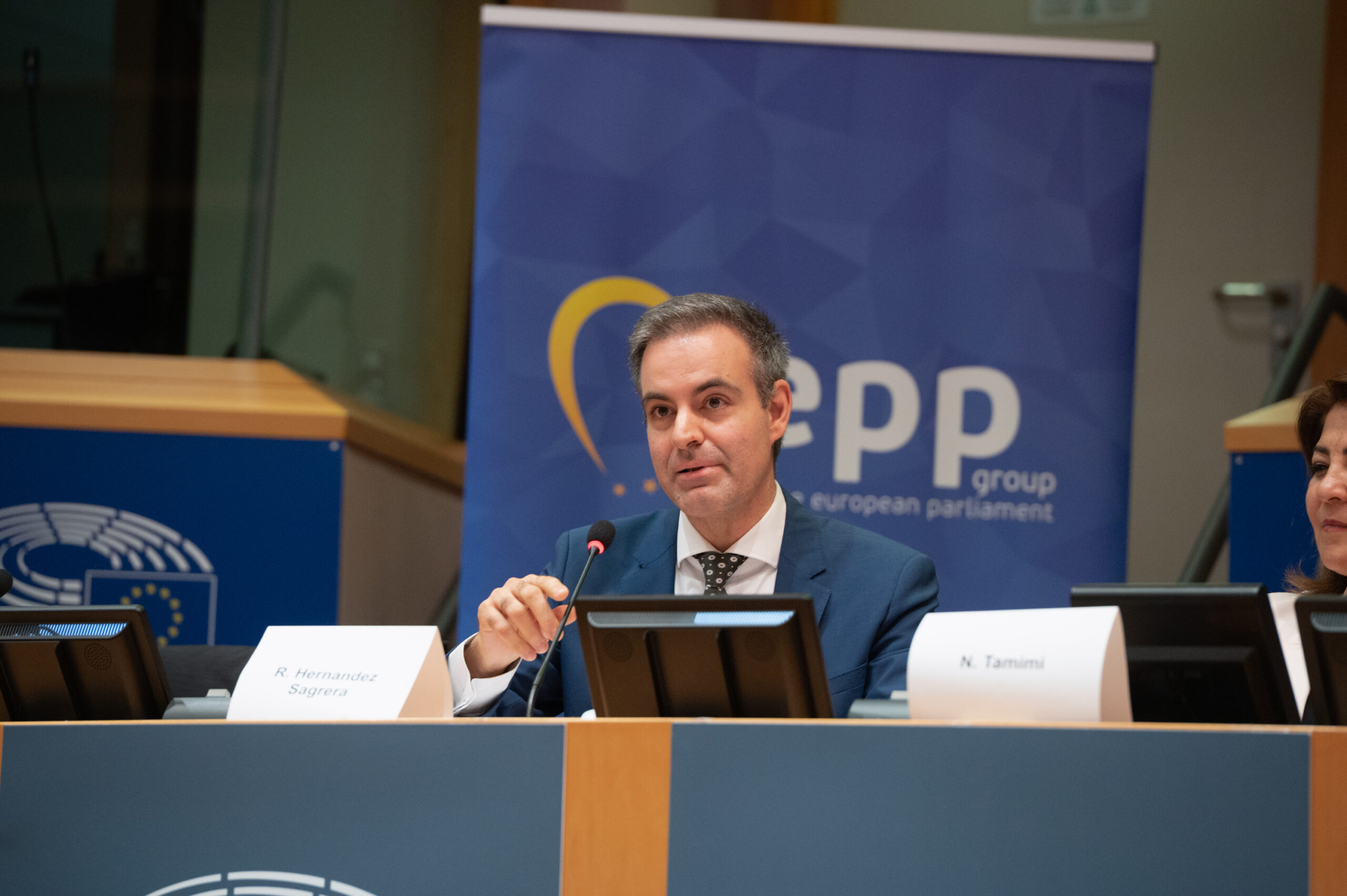
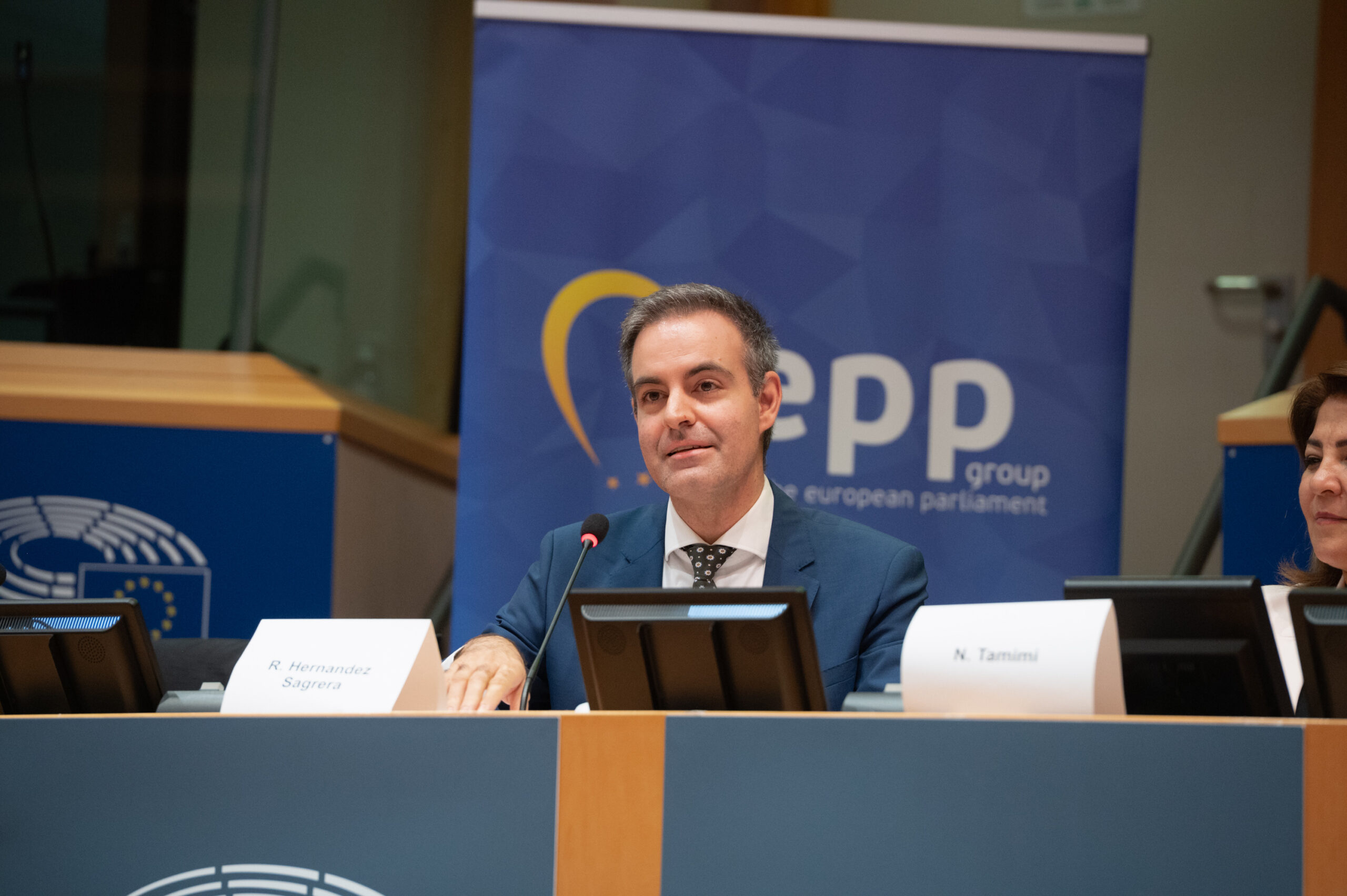
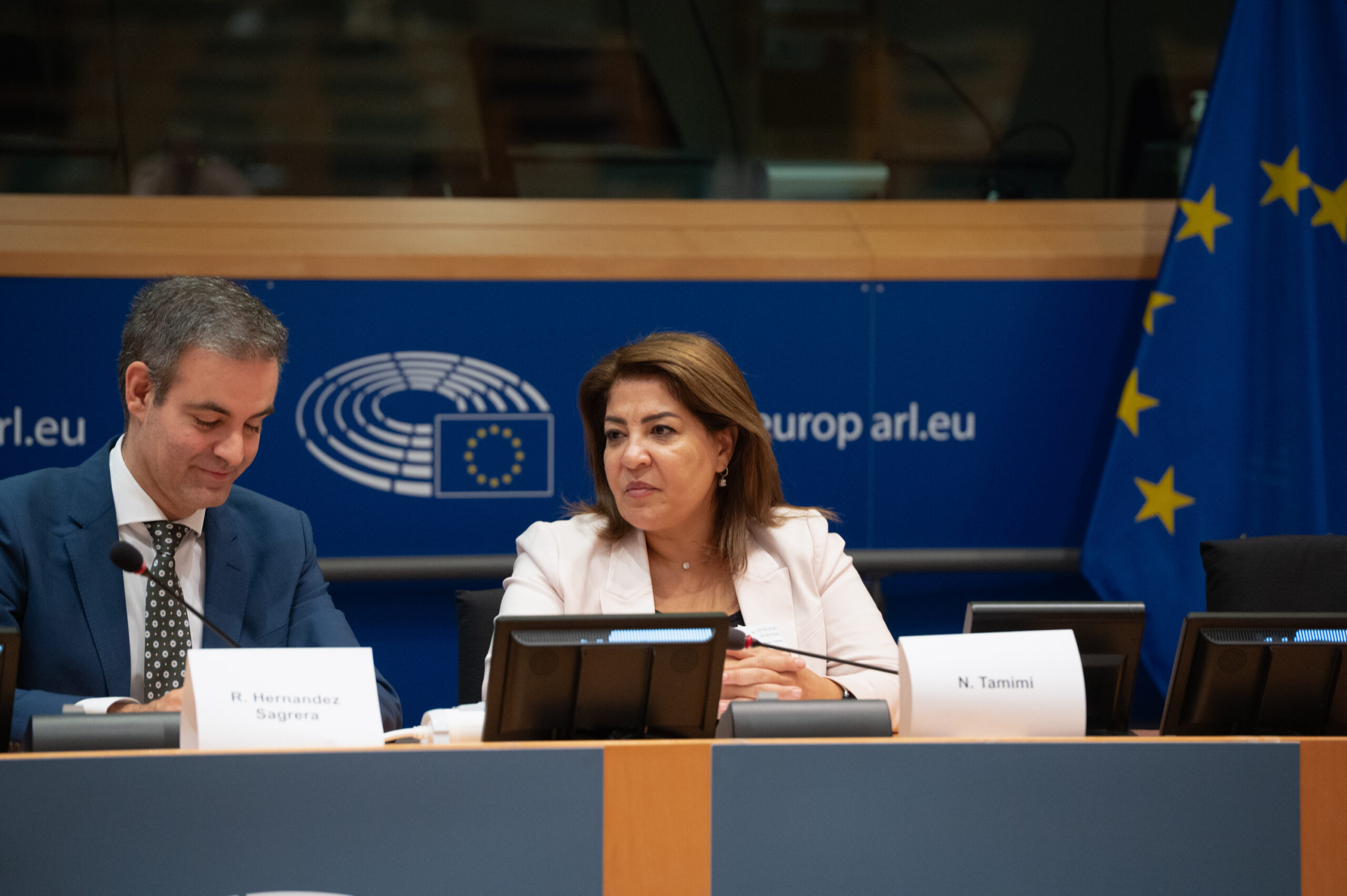
Raül Hernández i Sagrera, referencing the Pact for the Mediterranean, highlighted tourism’s valuable role for the Mediterranean.
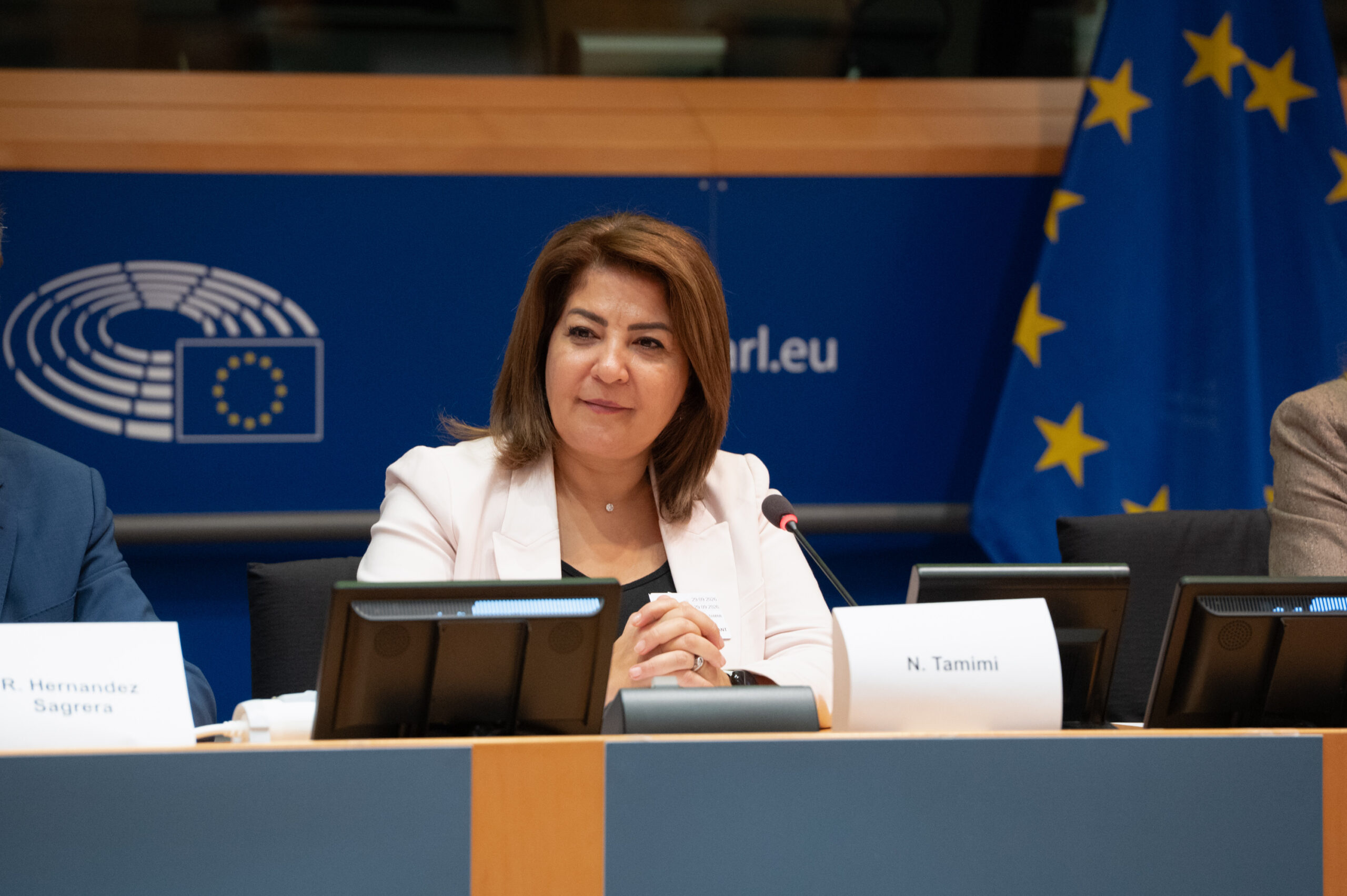
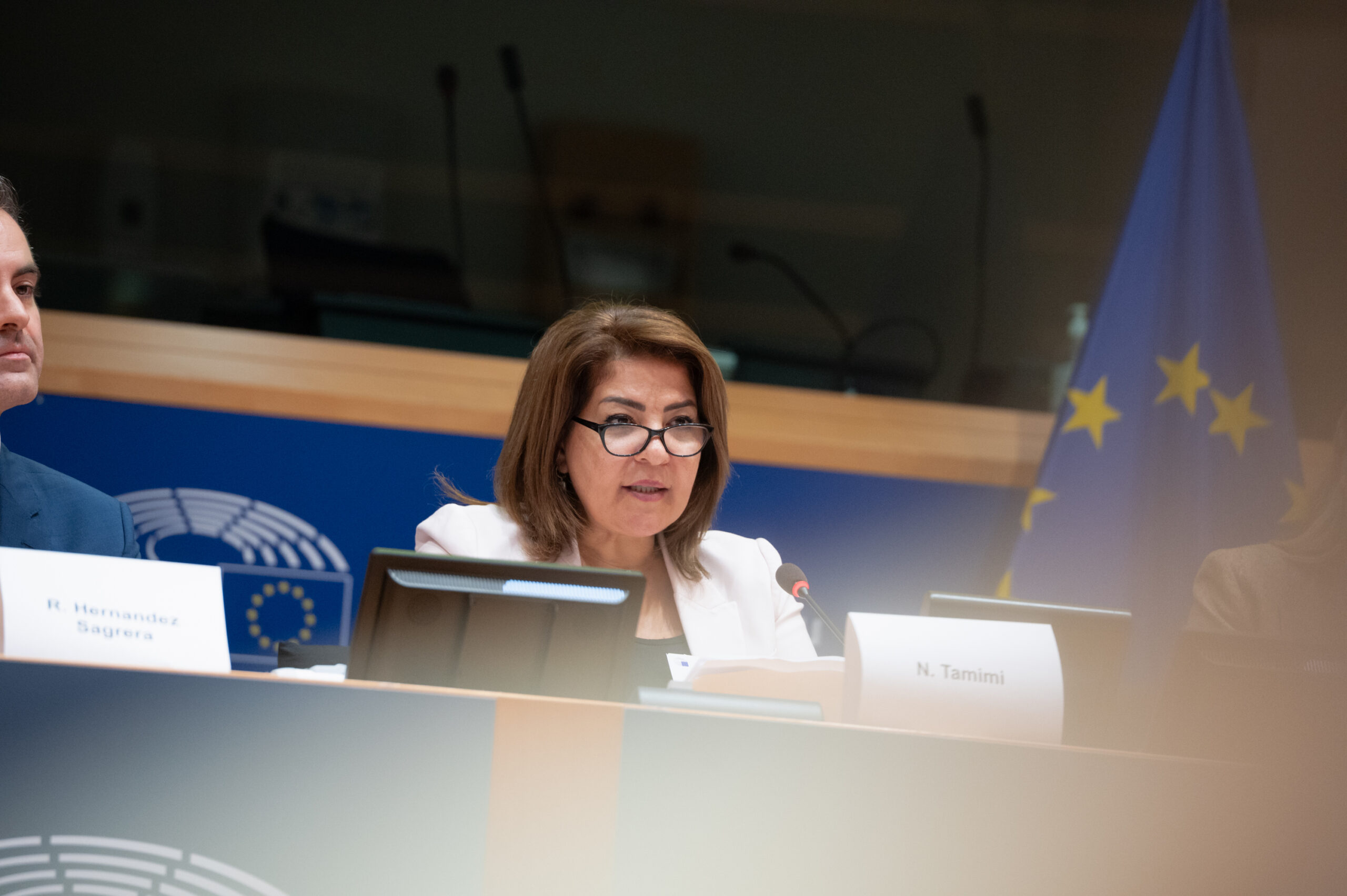
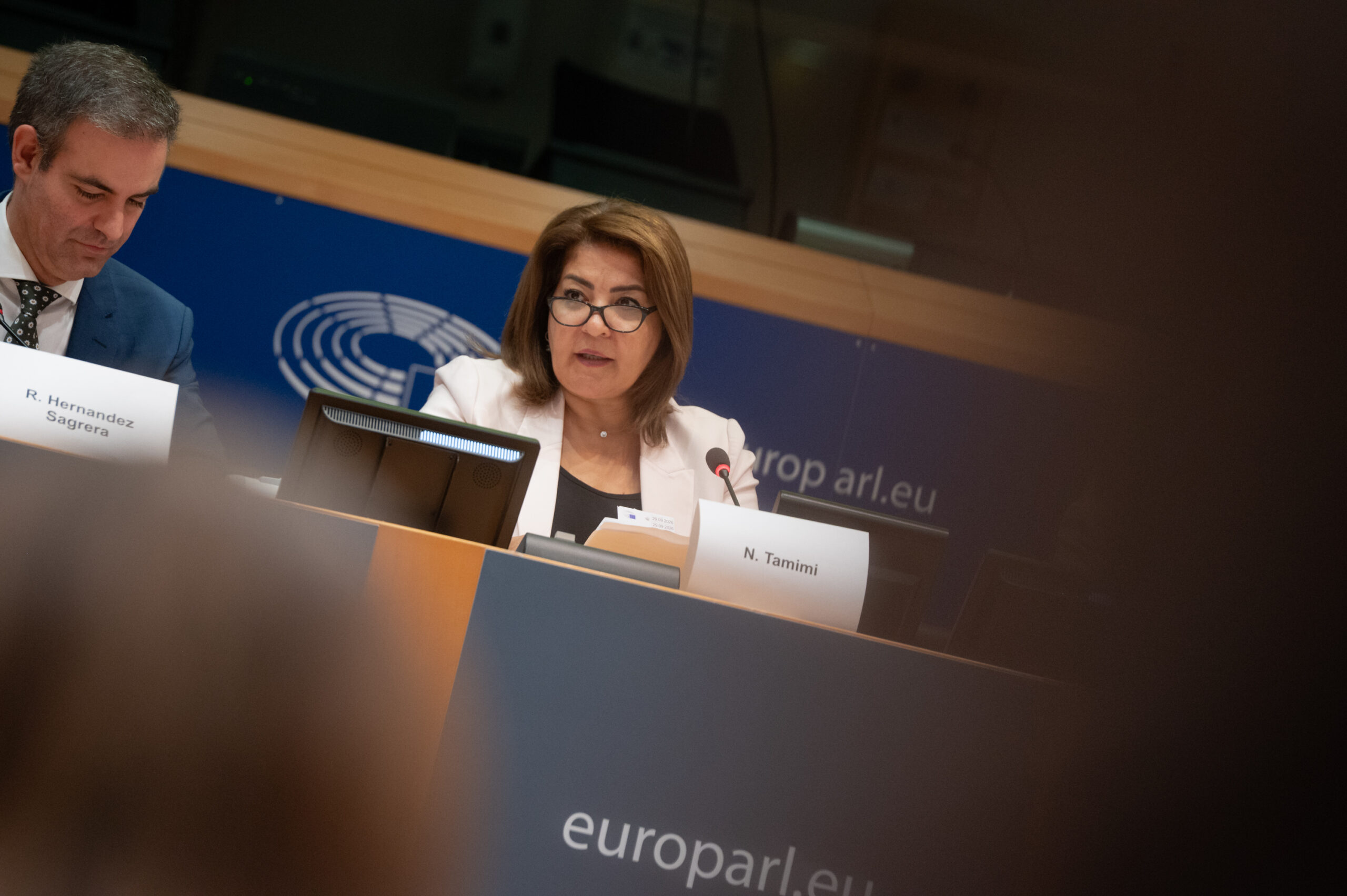
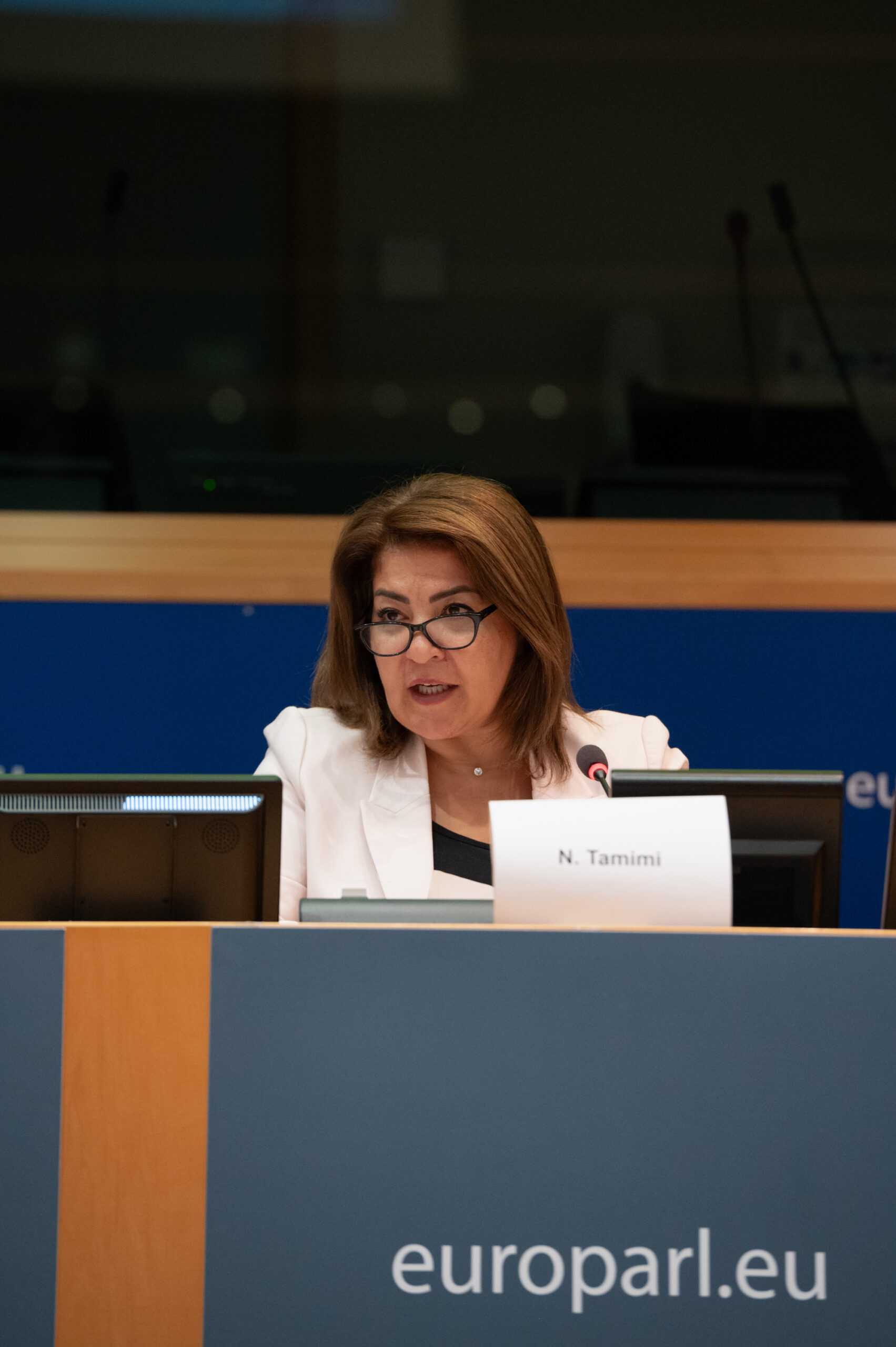
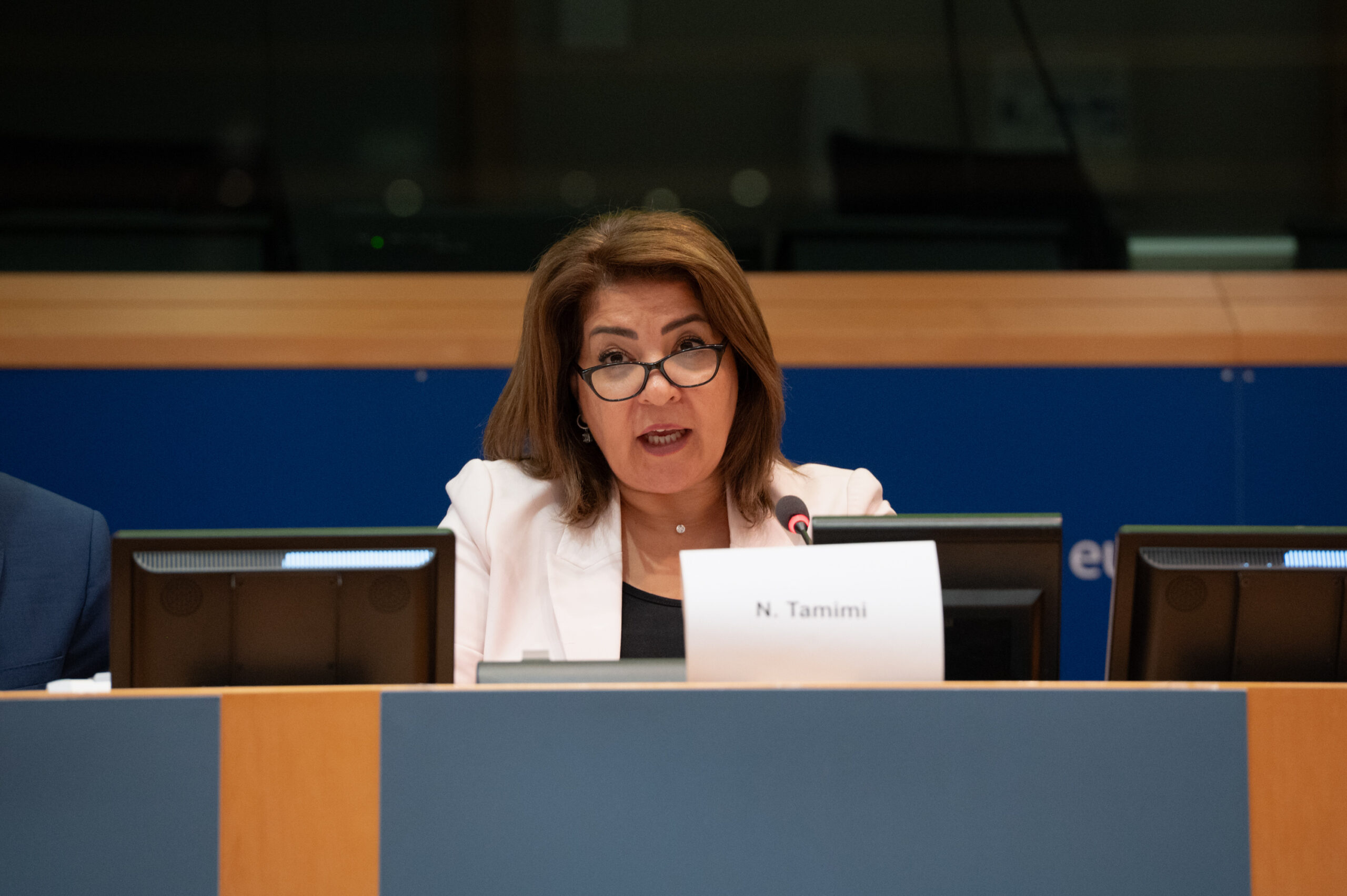
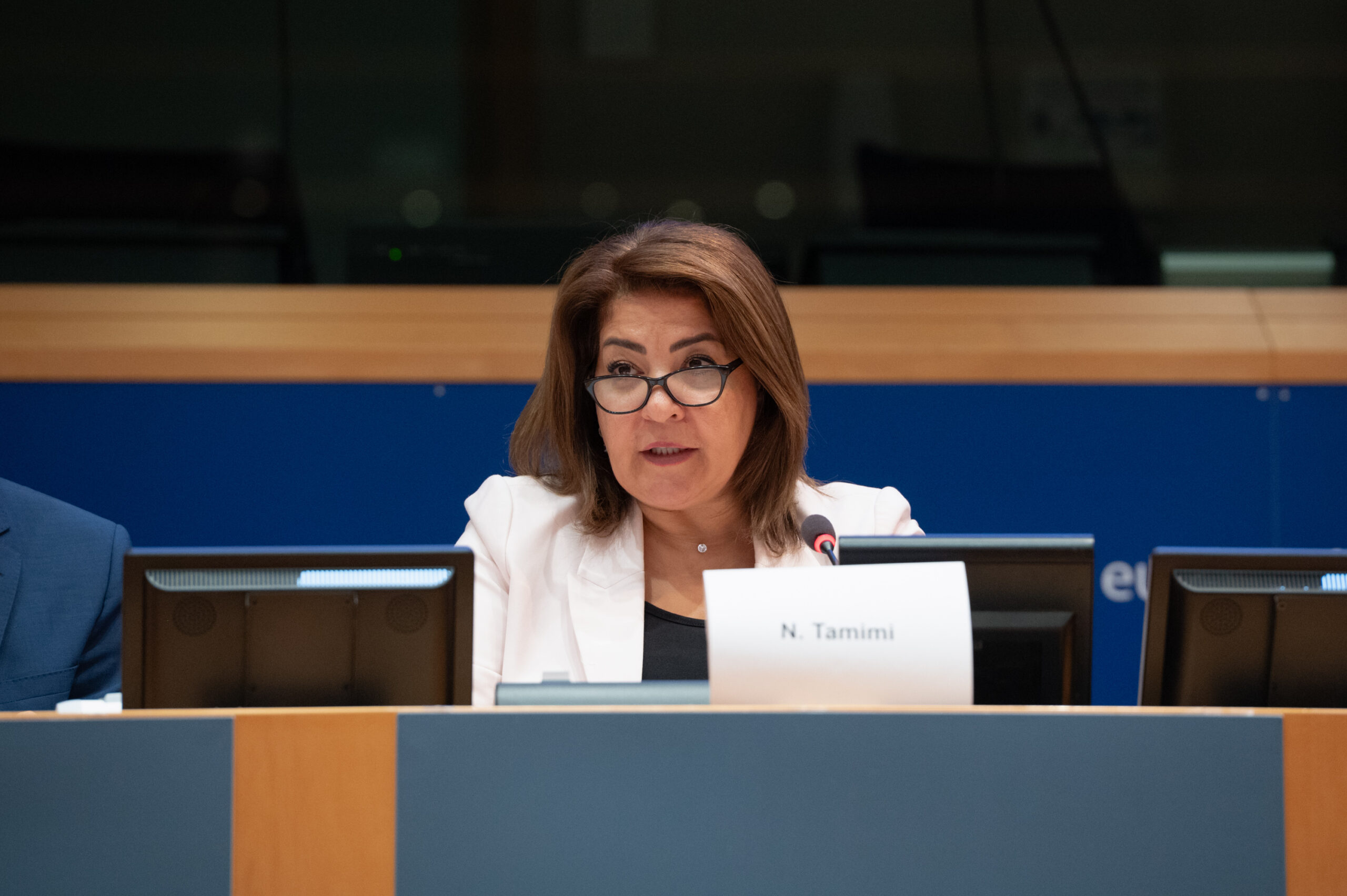
Nisreen Tamimi, Deputy Secretary General for Sustainable Development at the Union for the Mediterranean, closed the session with the reassurance that the region has the experience and the initiatives to build on, the priority now is strengthening cooperation to achieve real scale.
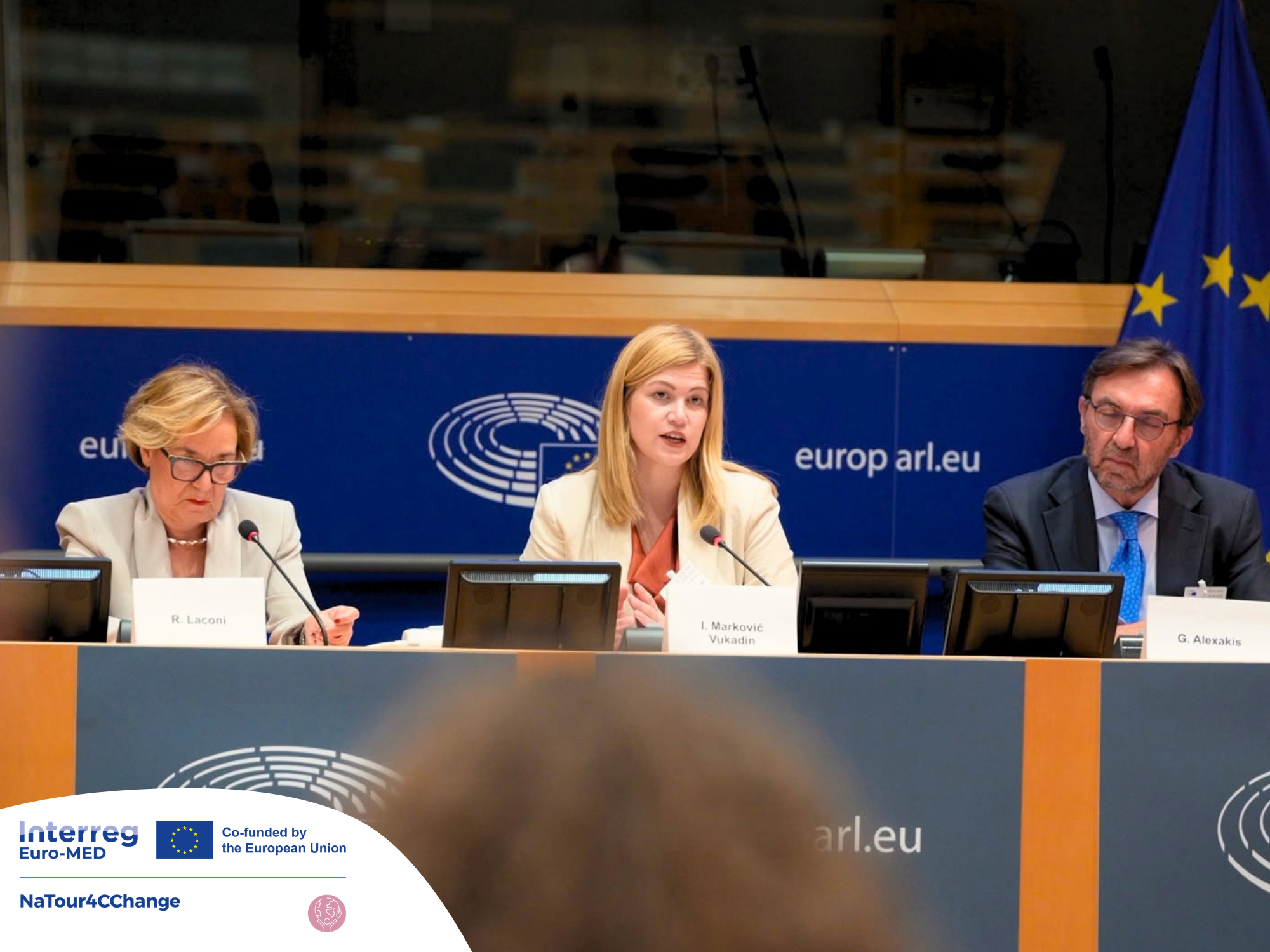
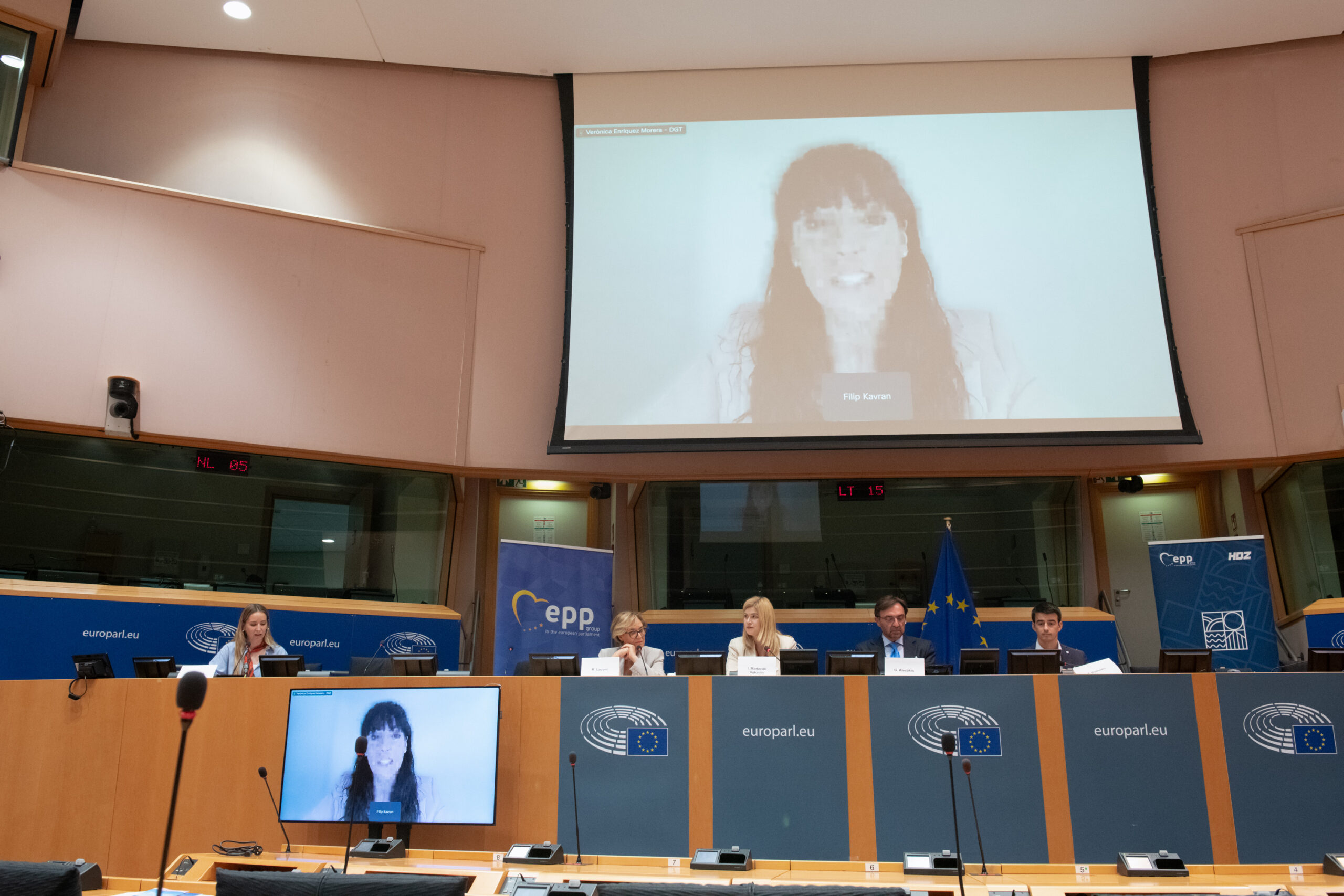
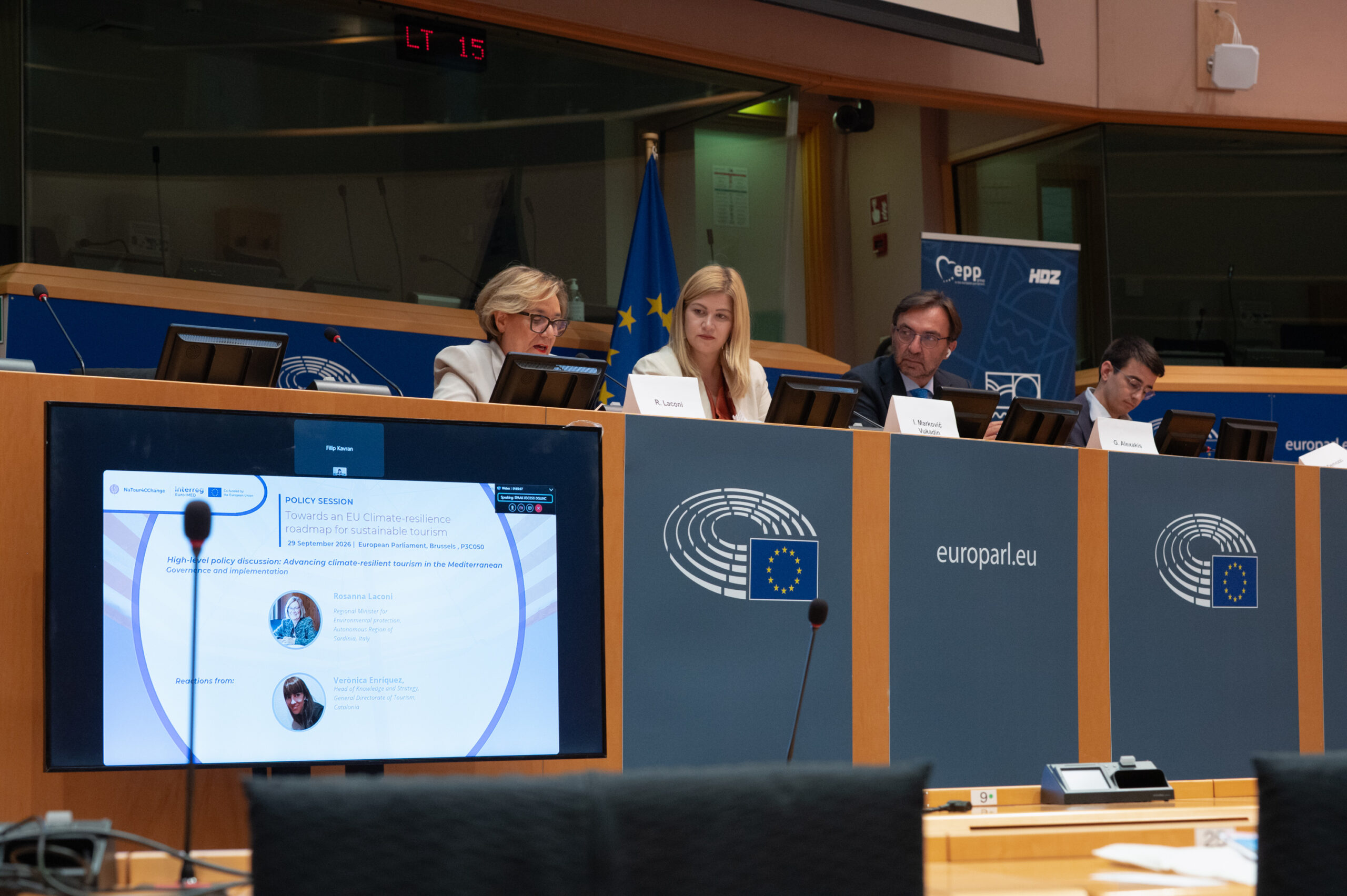
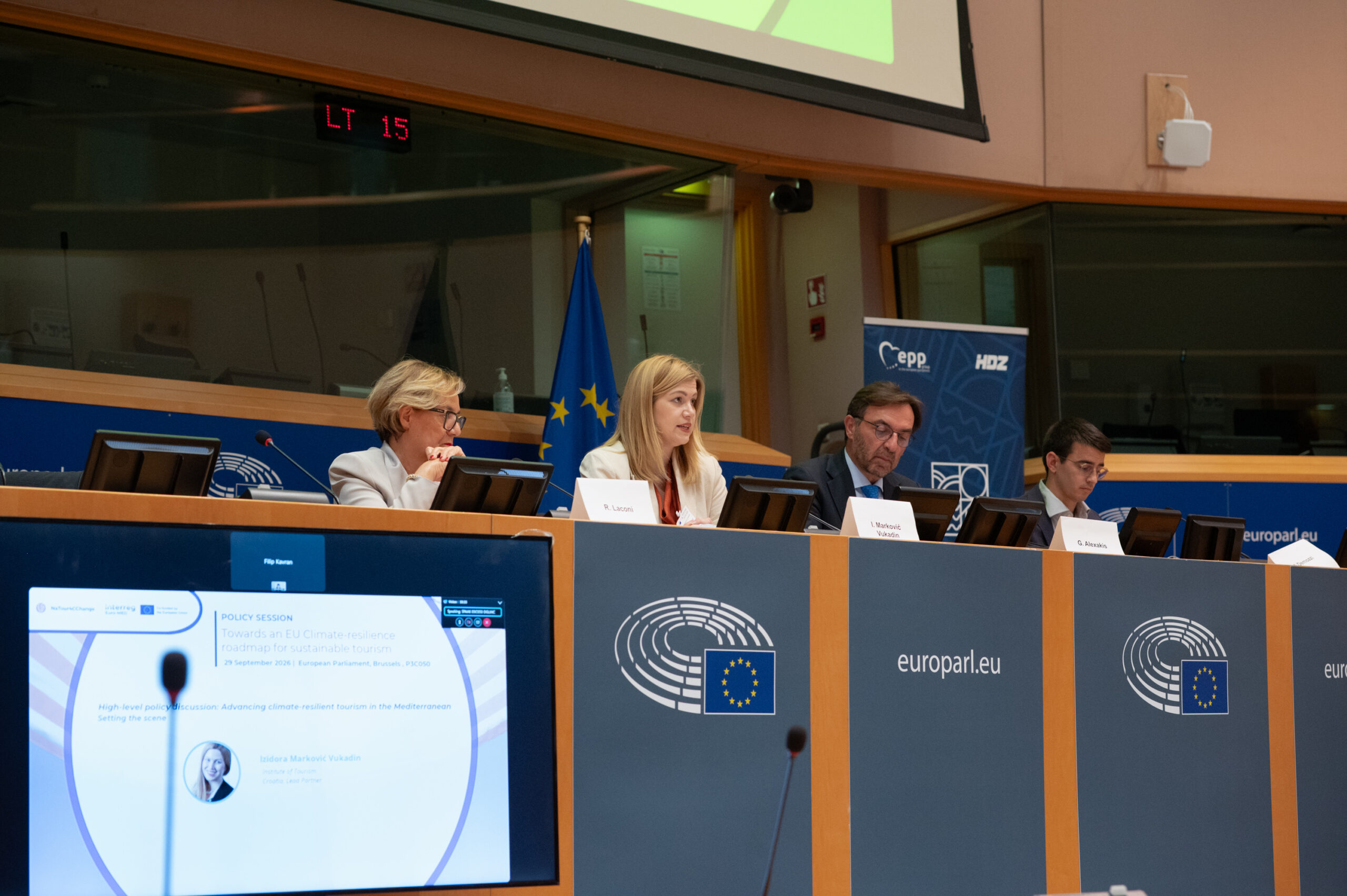
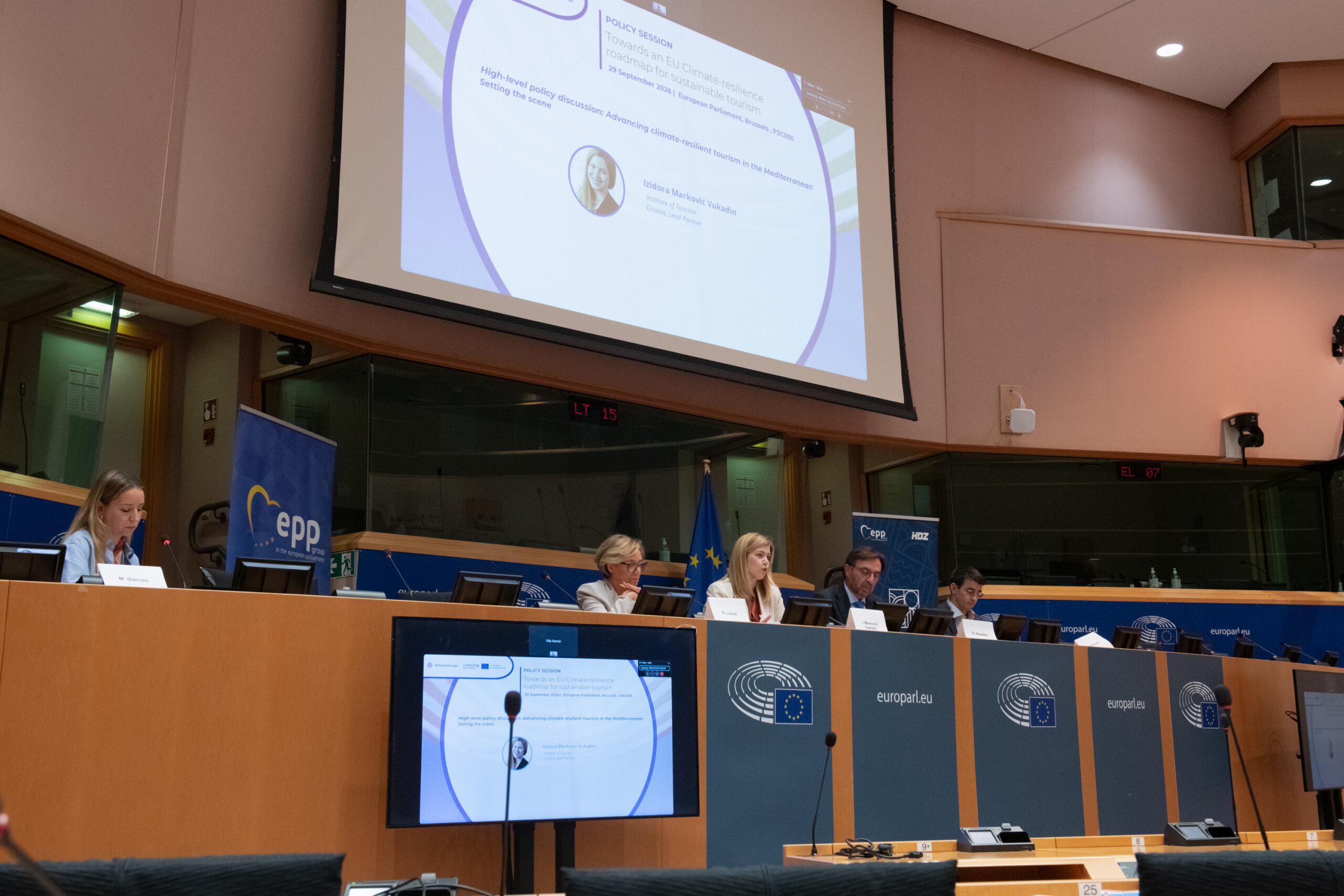
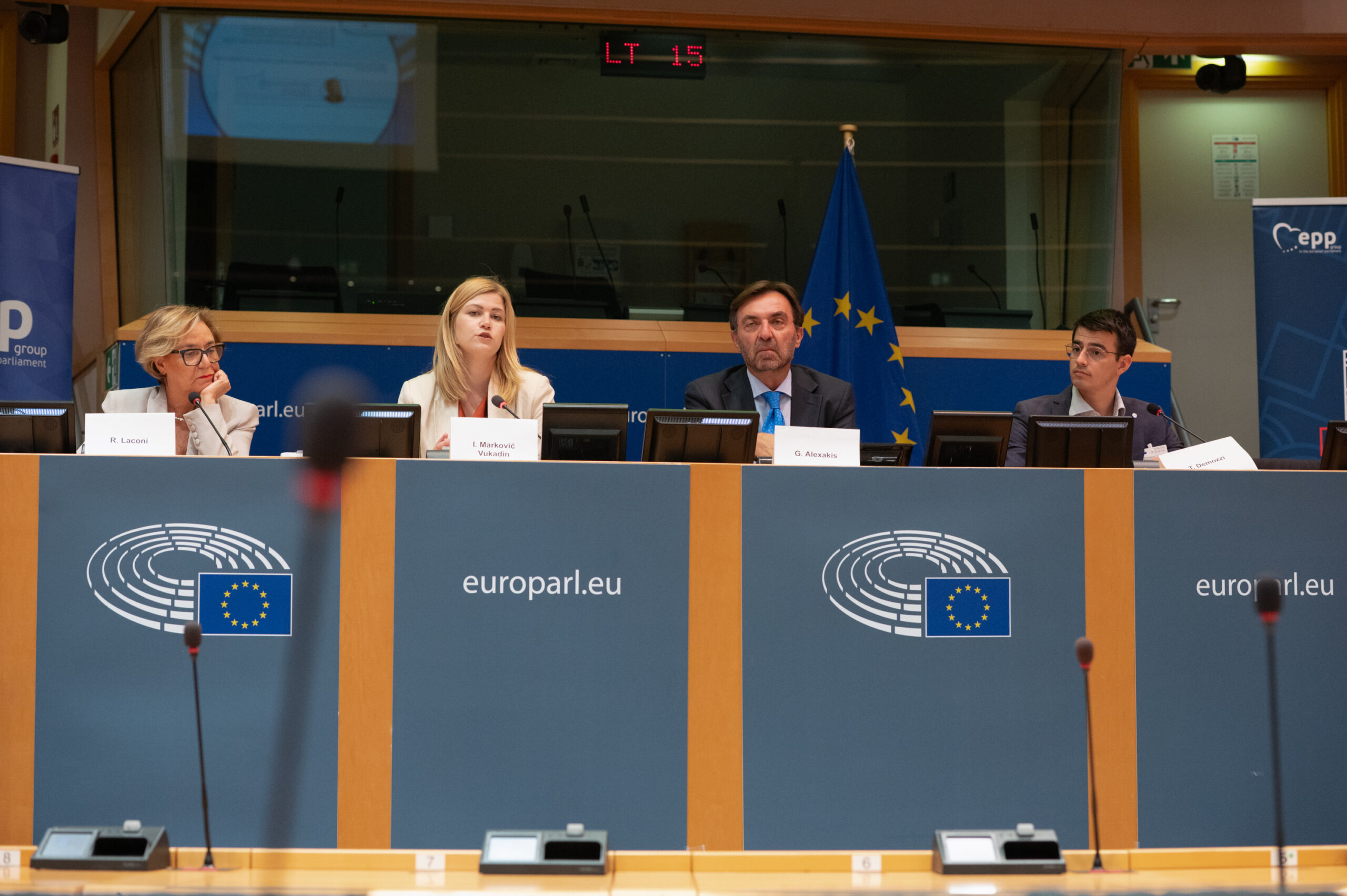
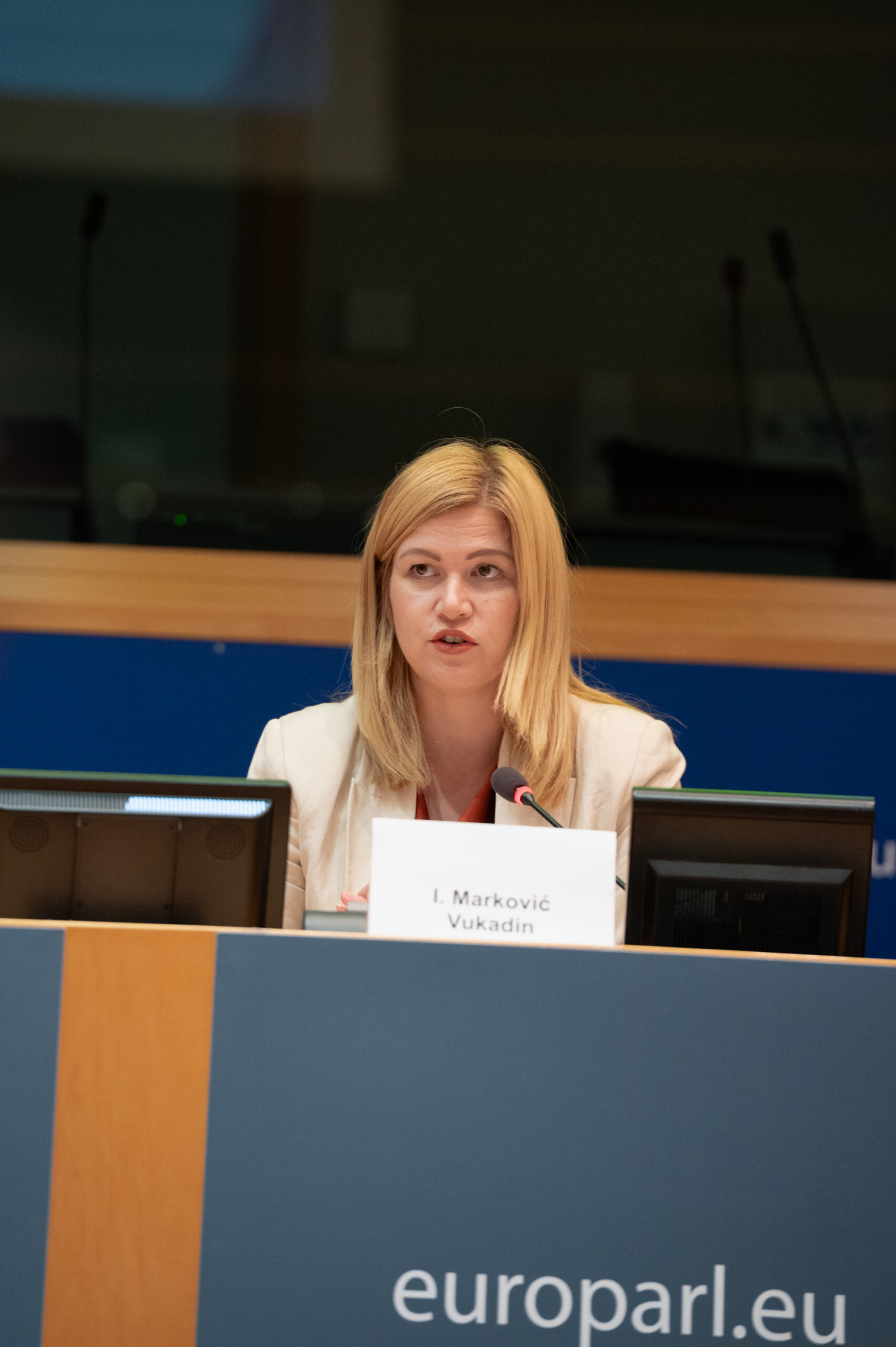
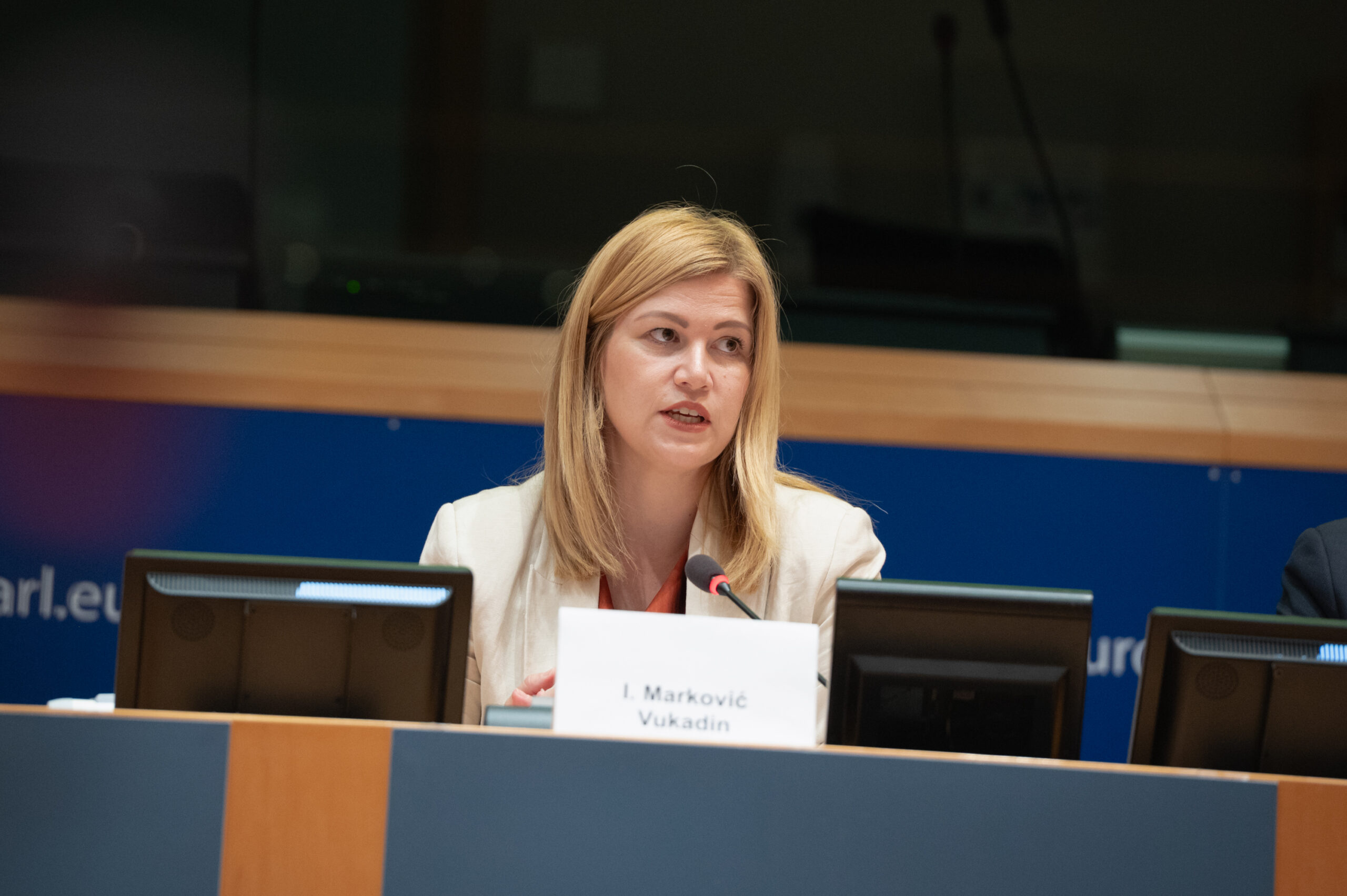
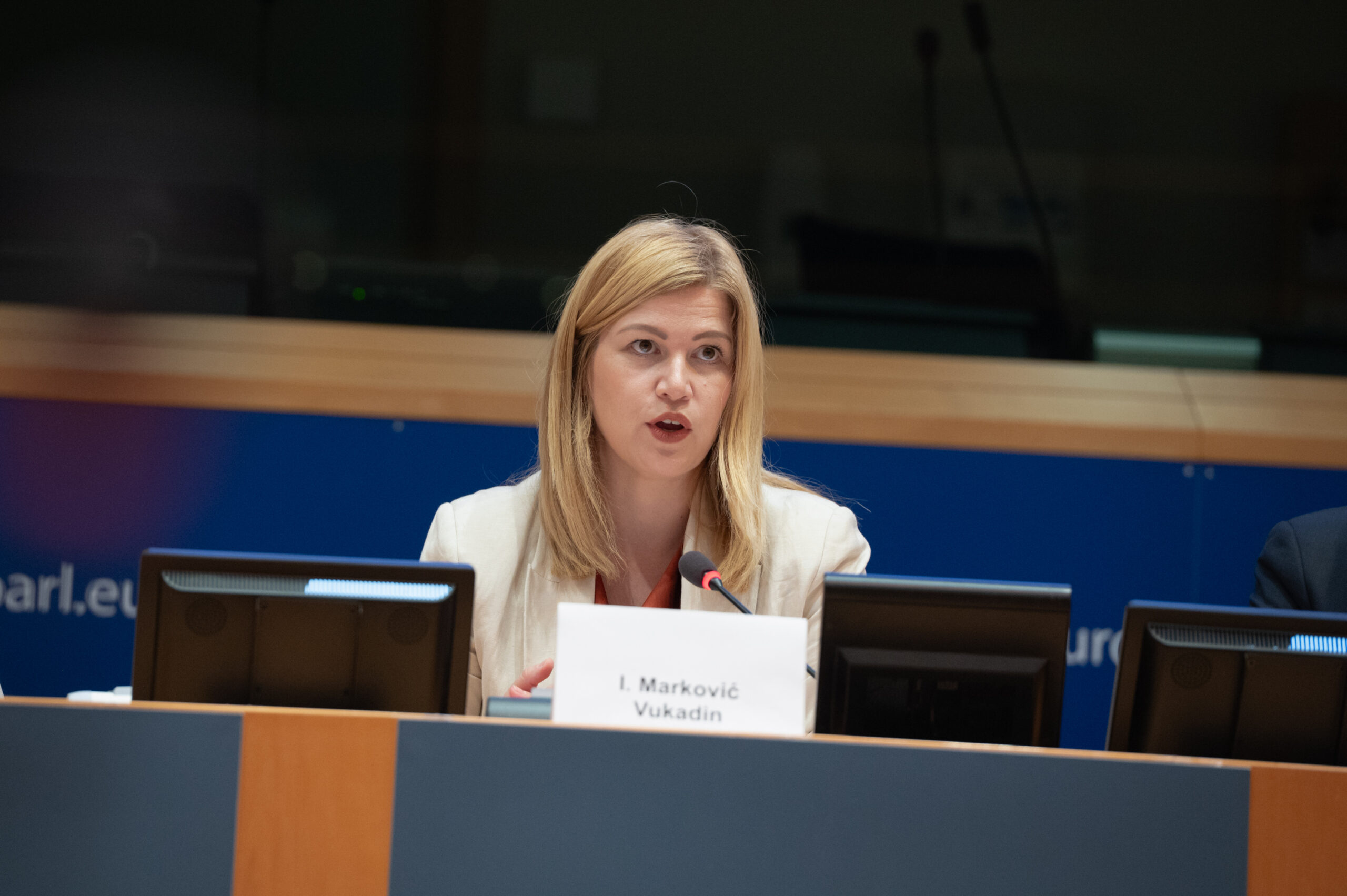
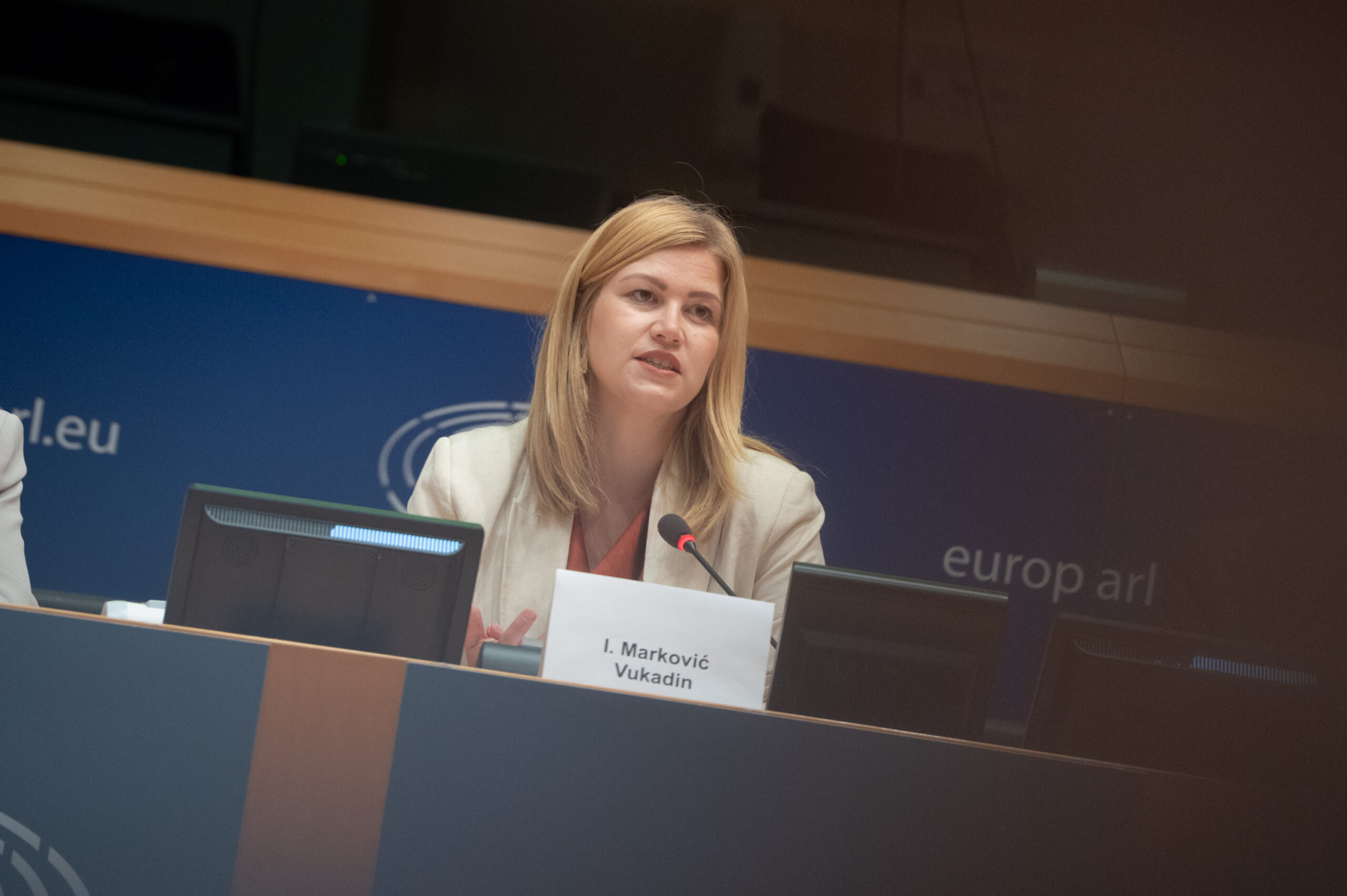
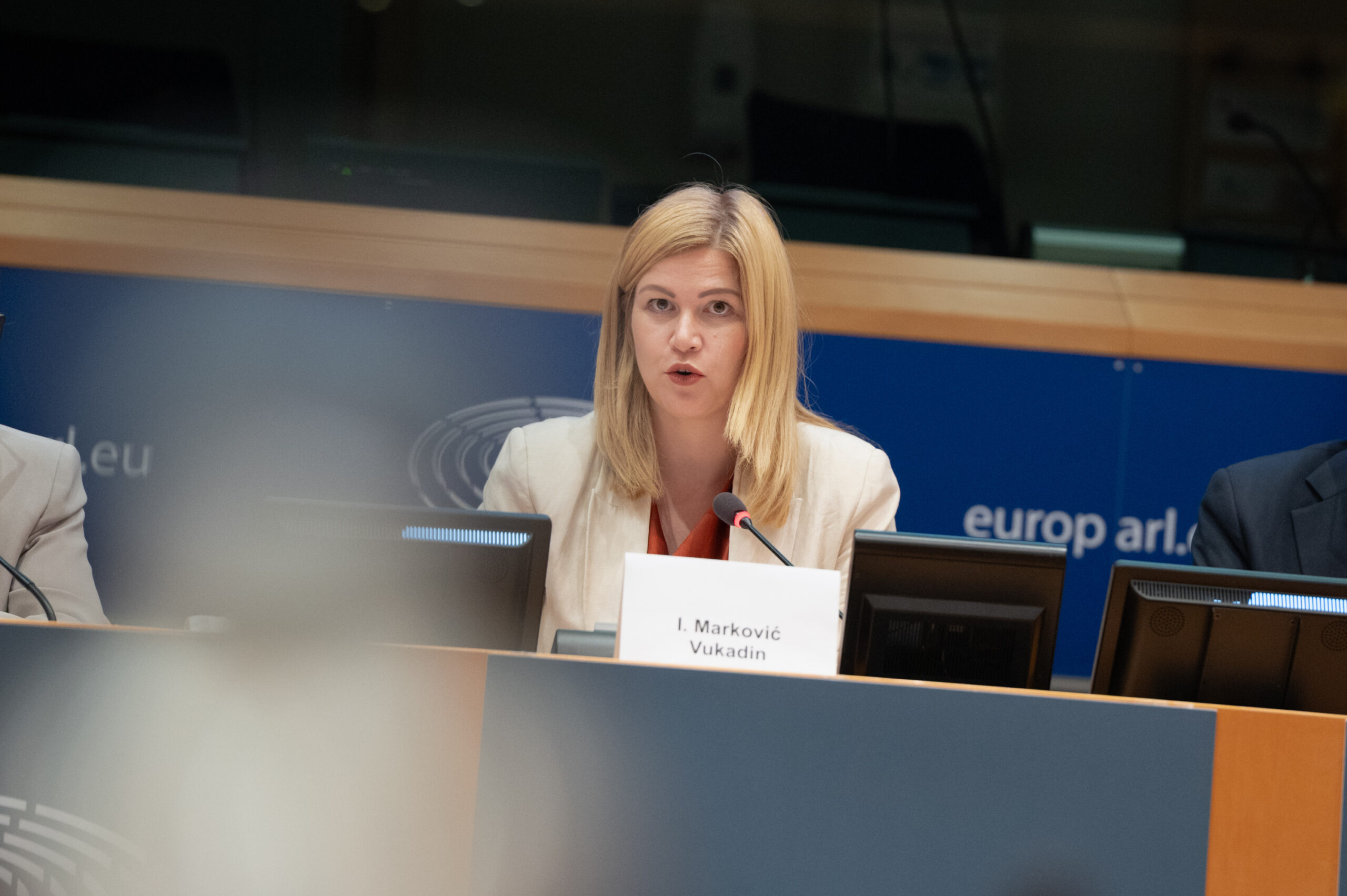
The first panelists, Project Lead
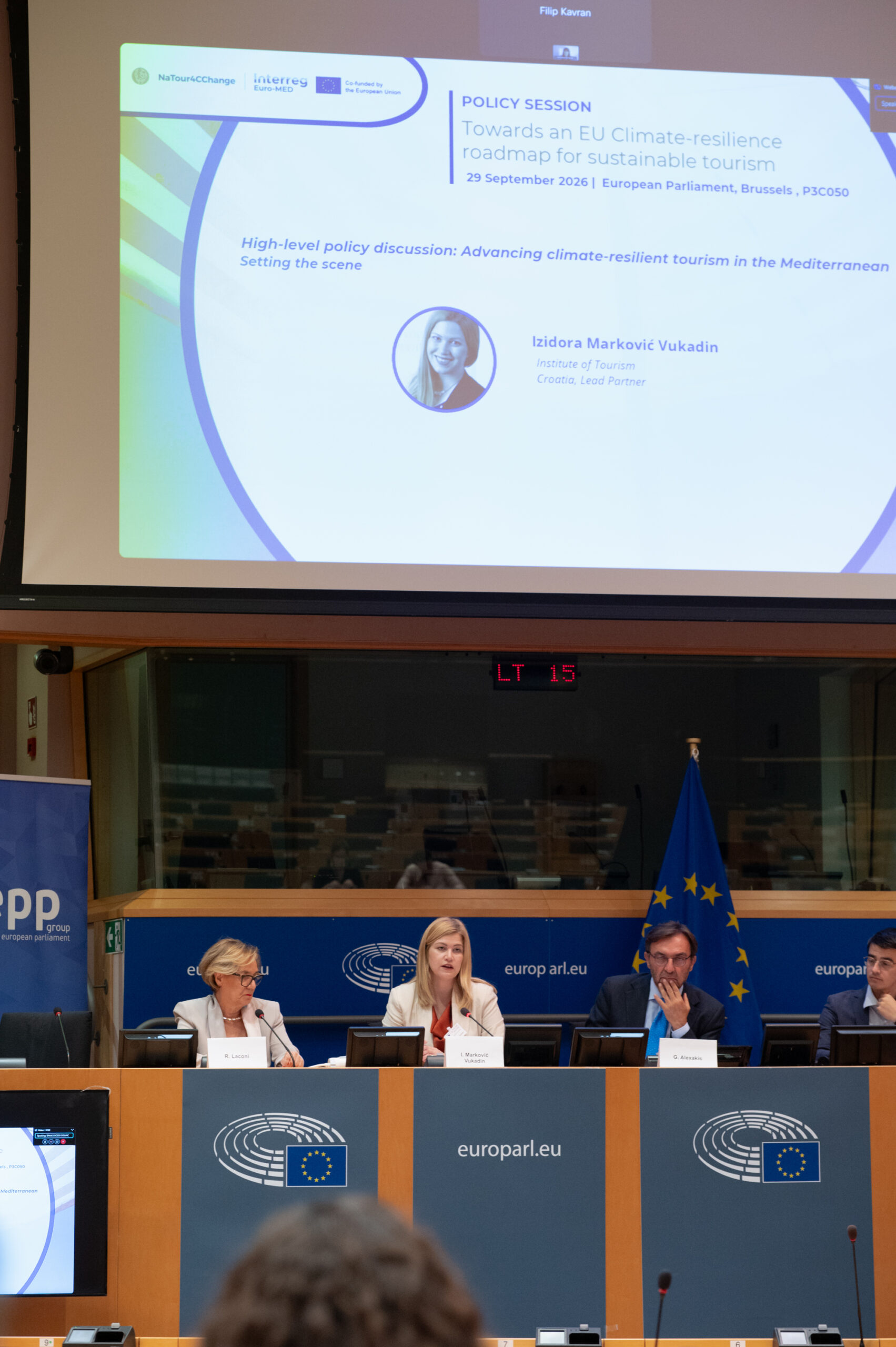
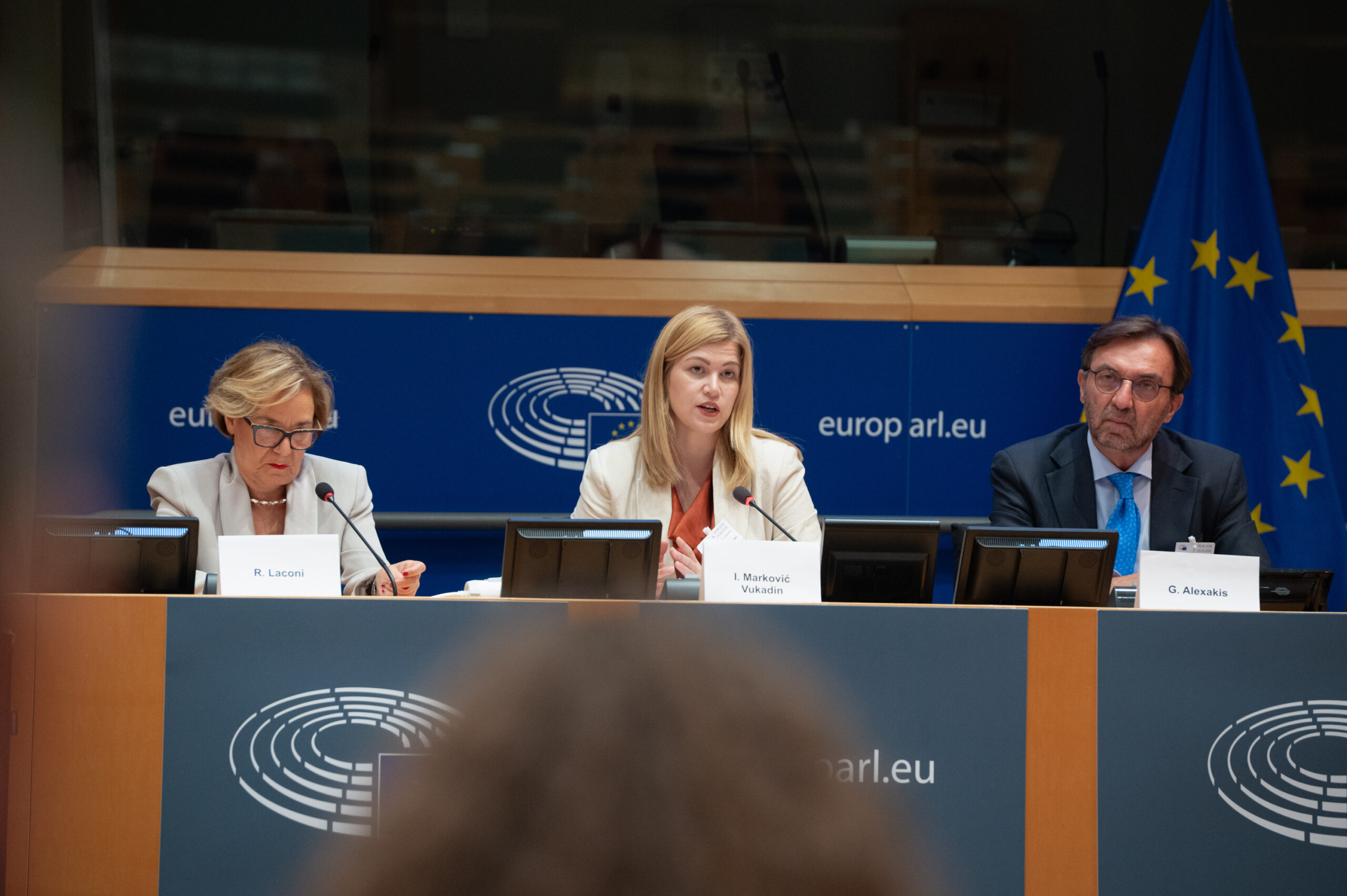
Izidora Marković Vukadin, from the Institute for Tourism,
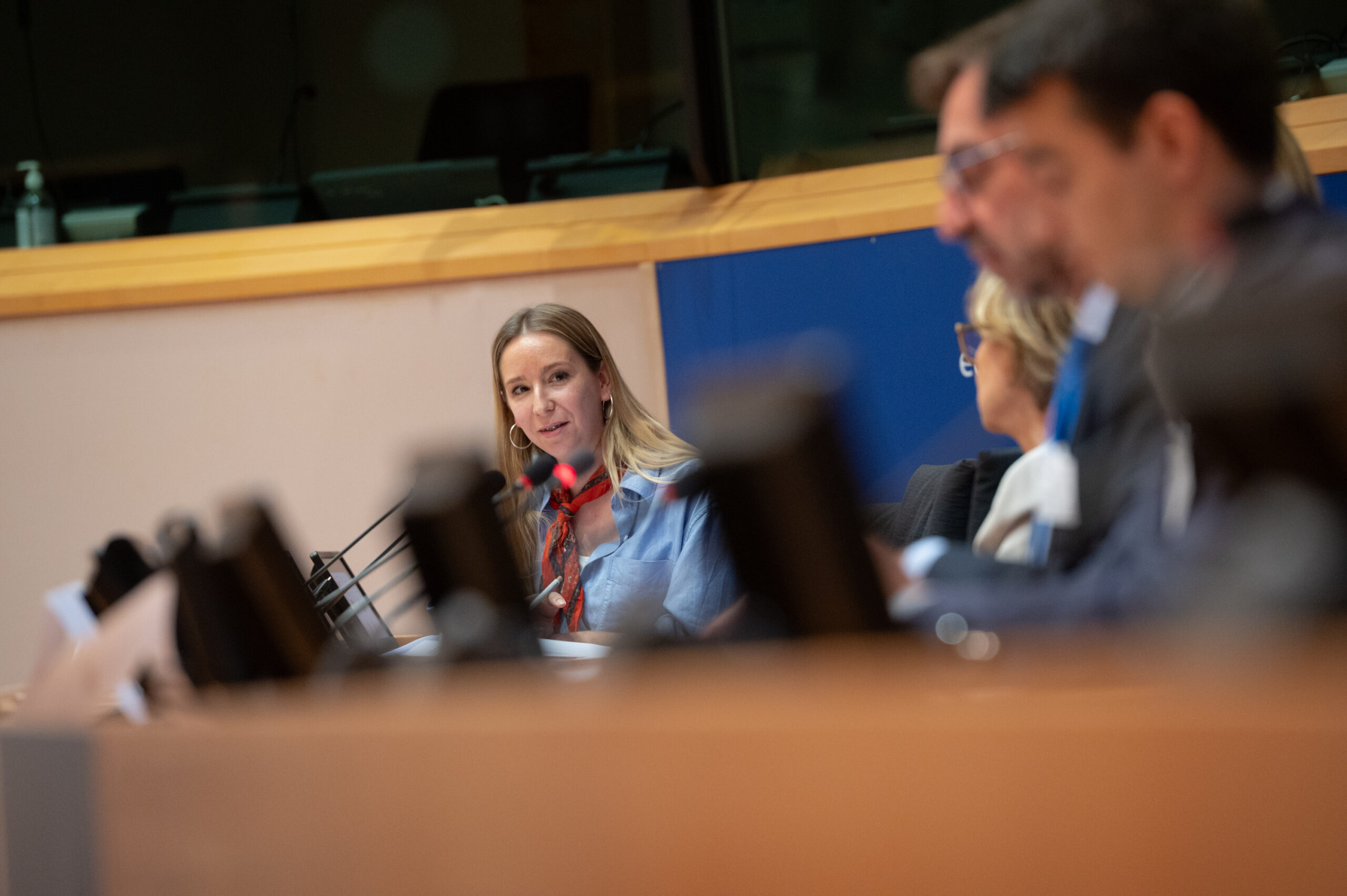
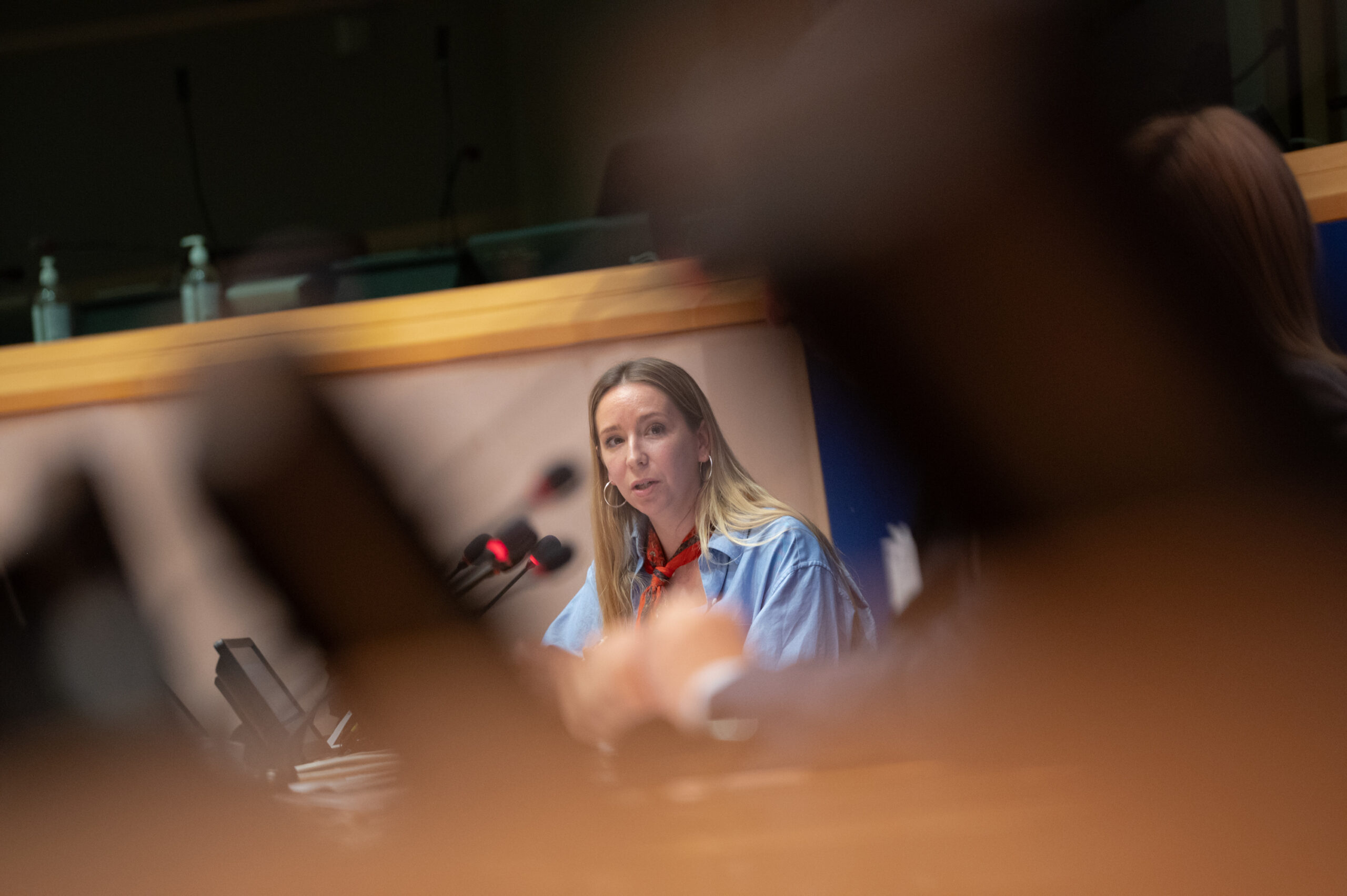
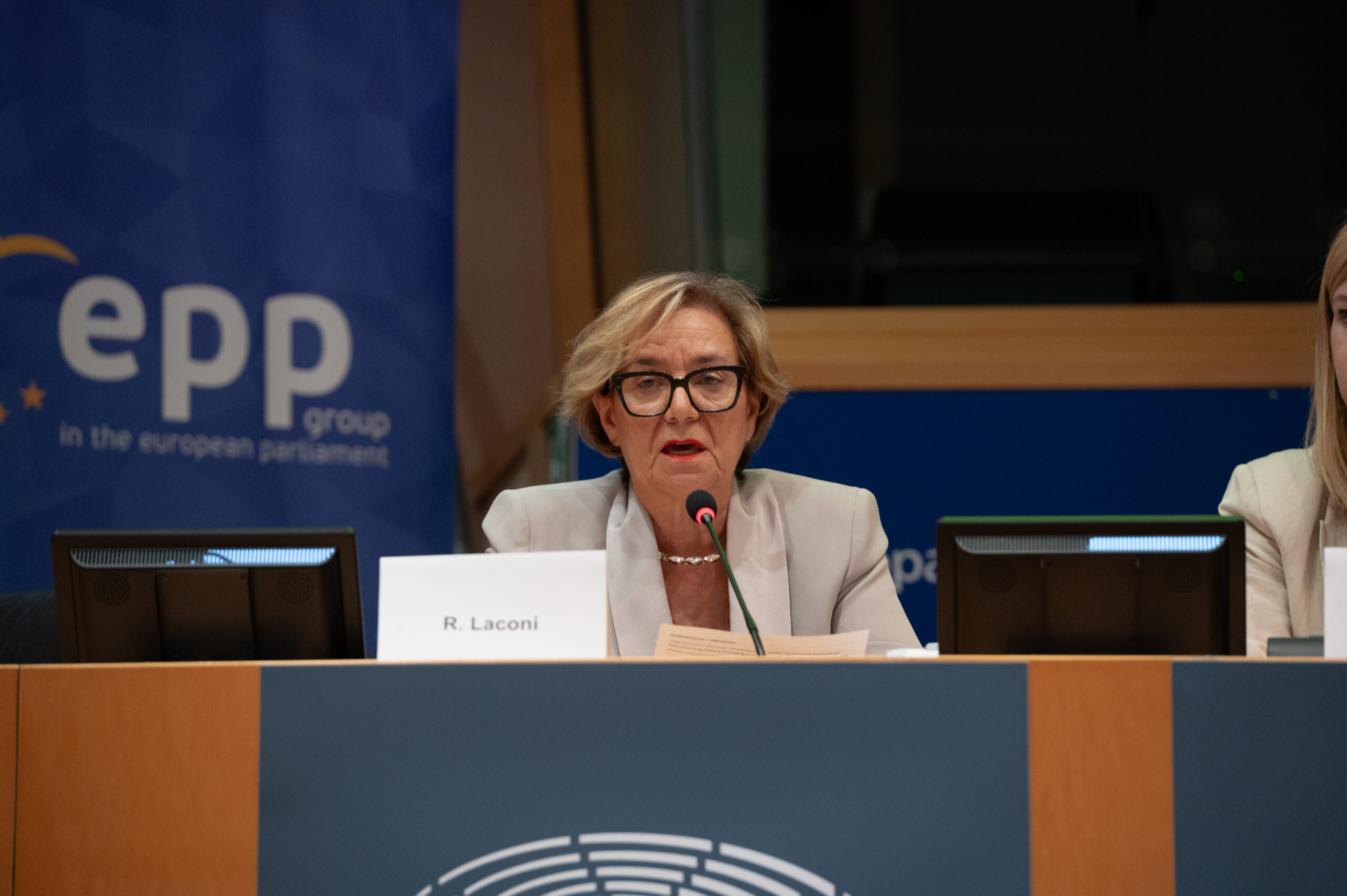
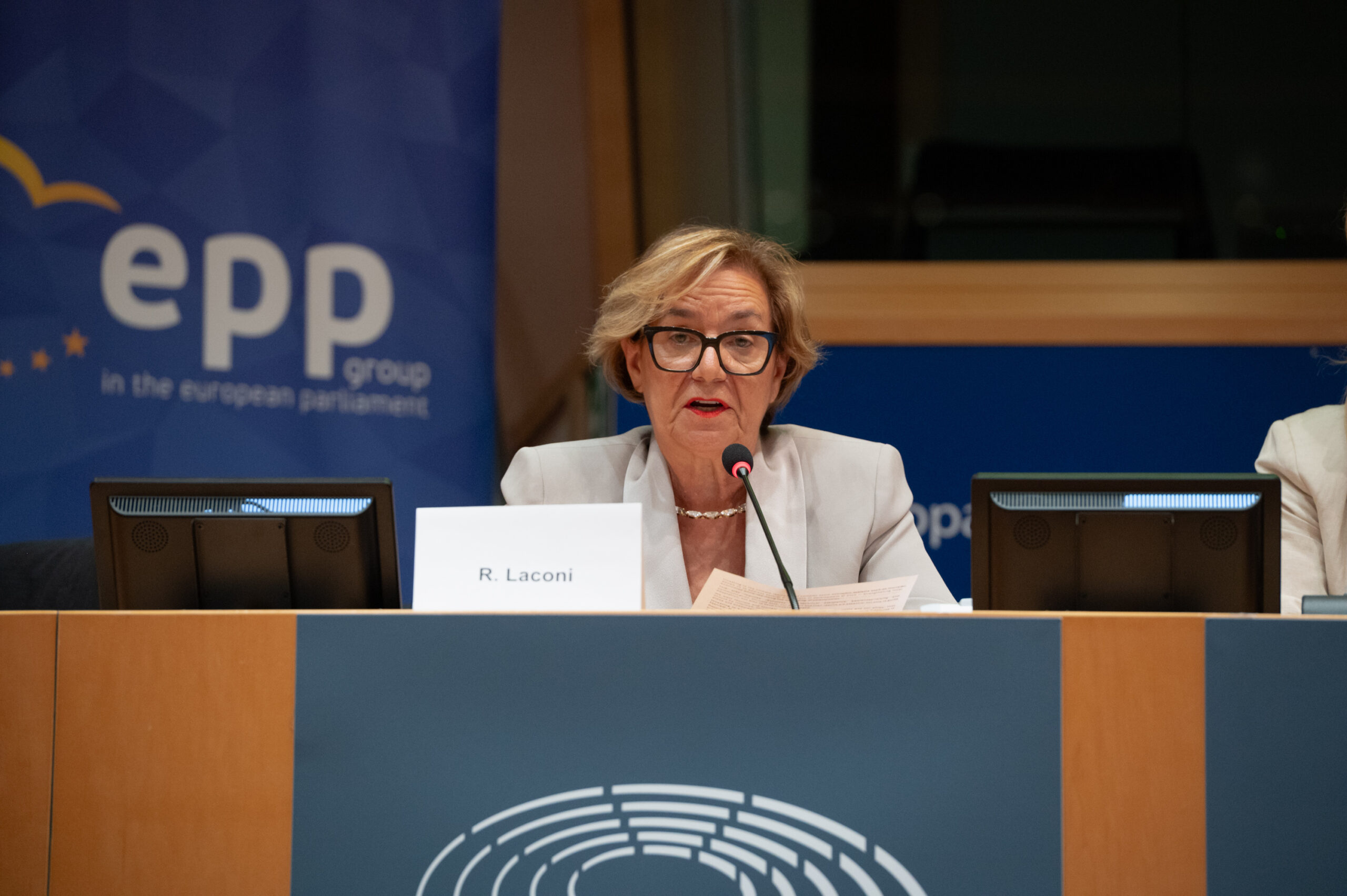
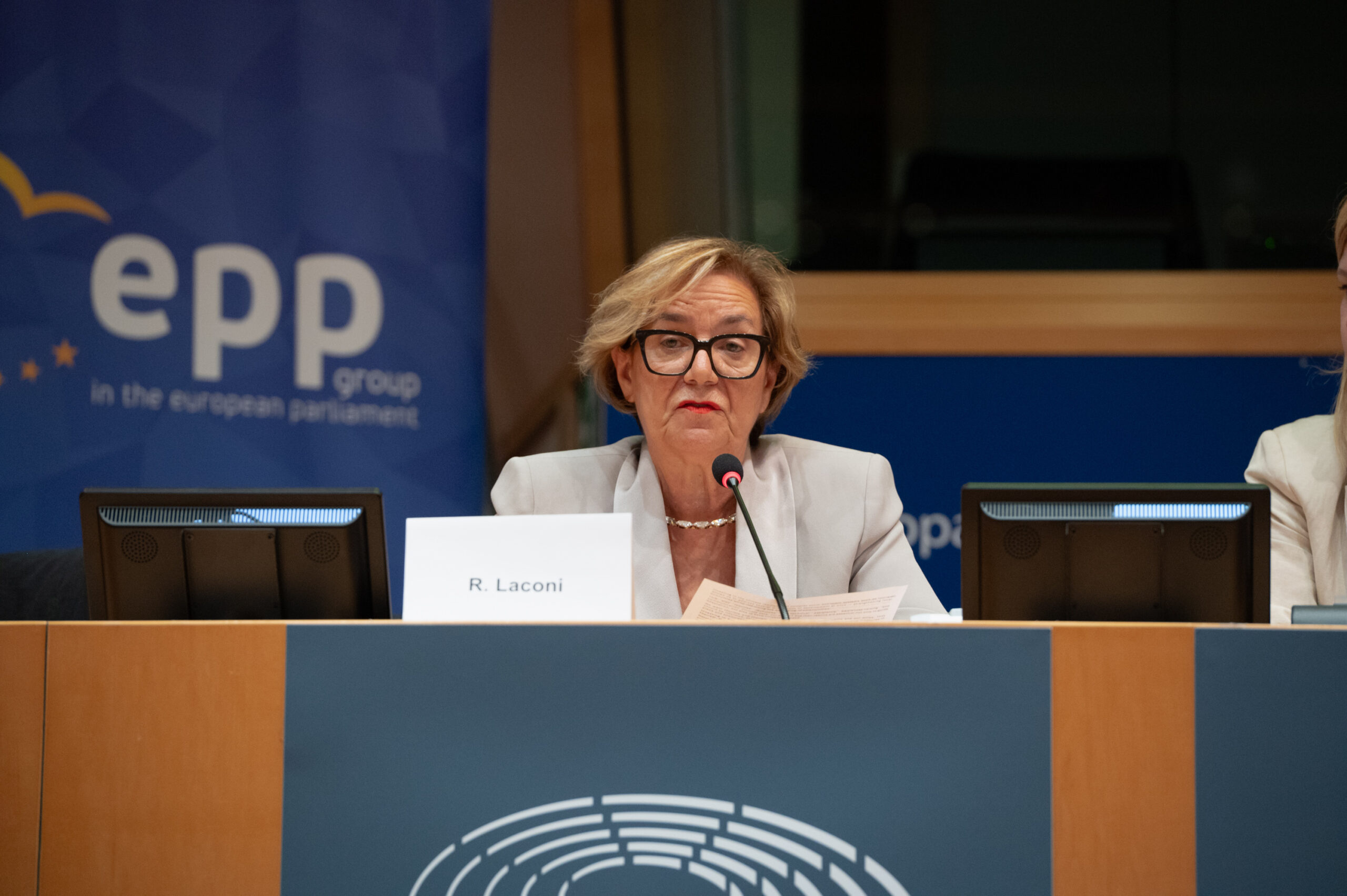
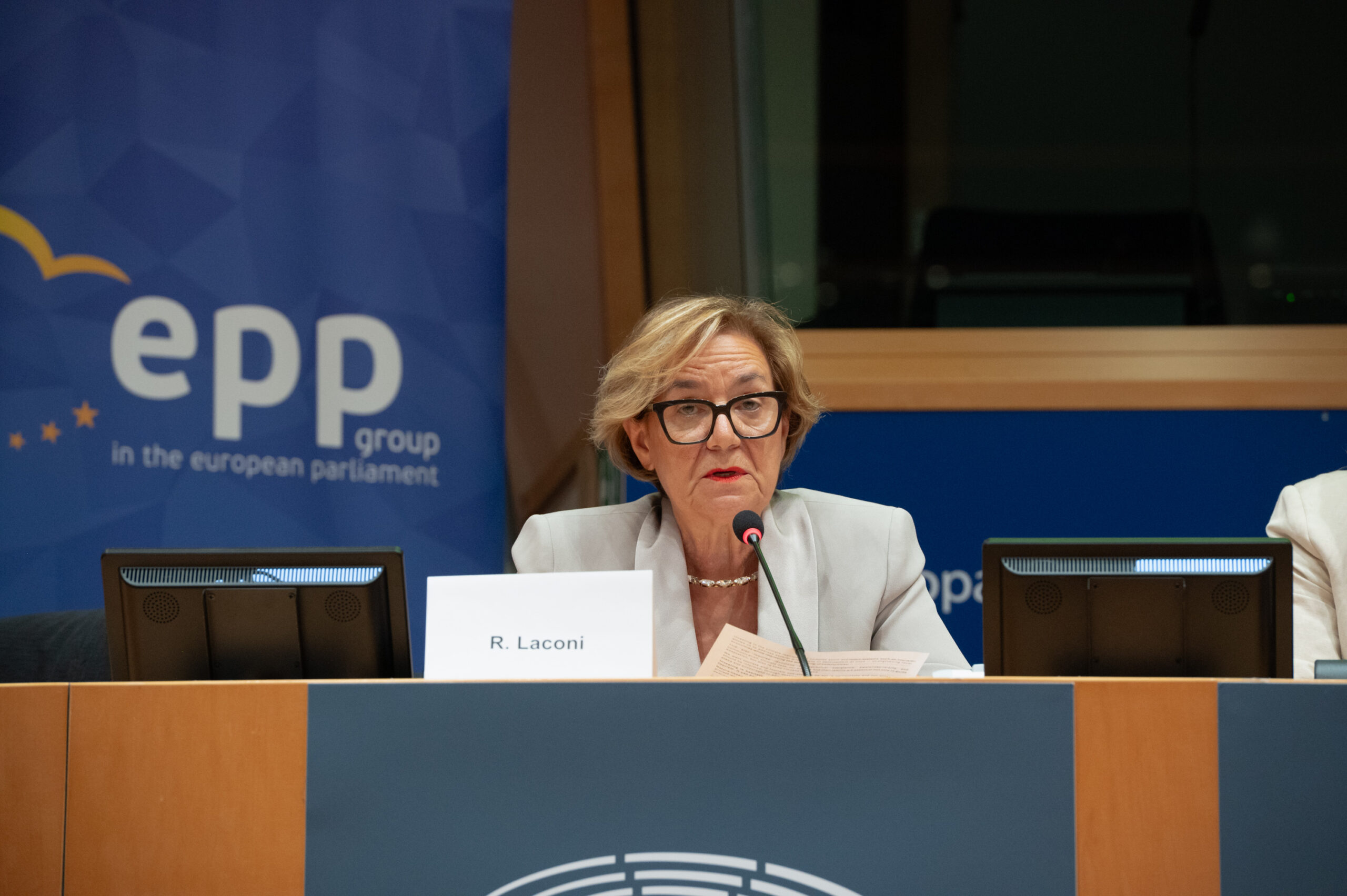
Rosanna Laconi, Regional Minister for Environmental Protection of the Autonomous Region of Sardinia,
Verònica Enríquez Morera, from the General Directorate of Tourism of the Government of Catalonia,
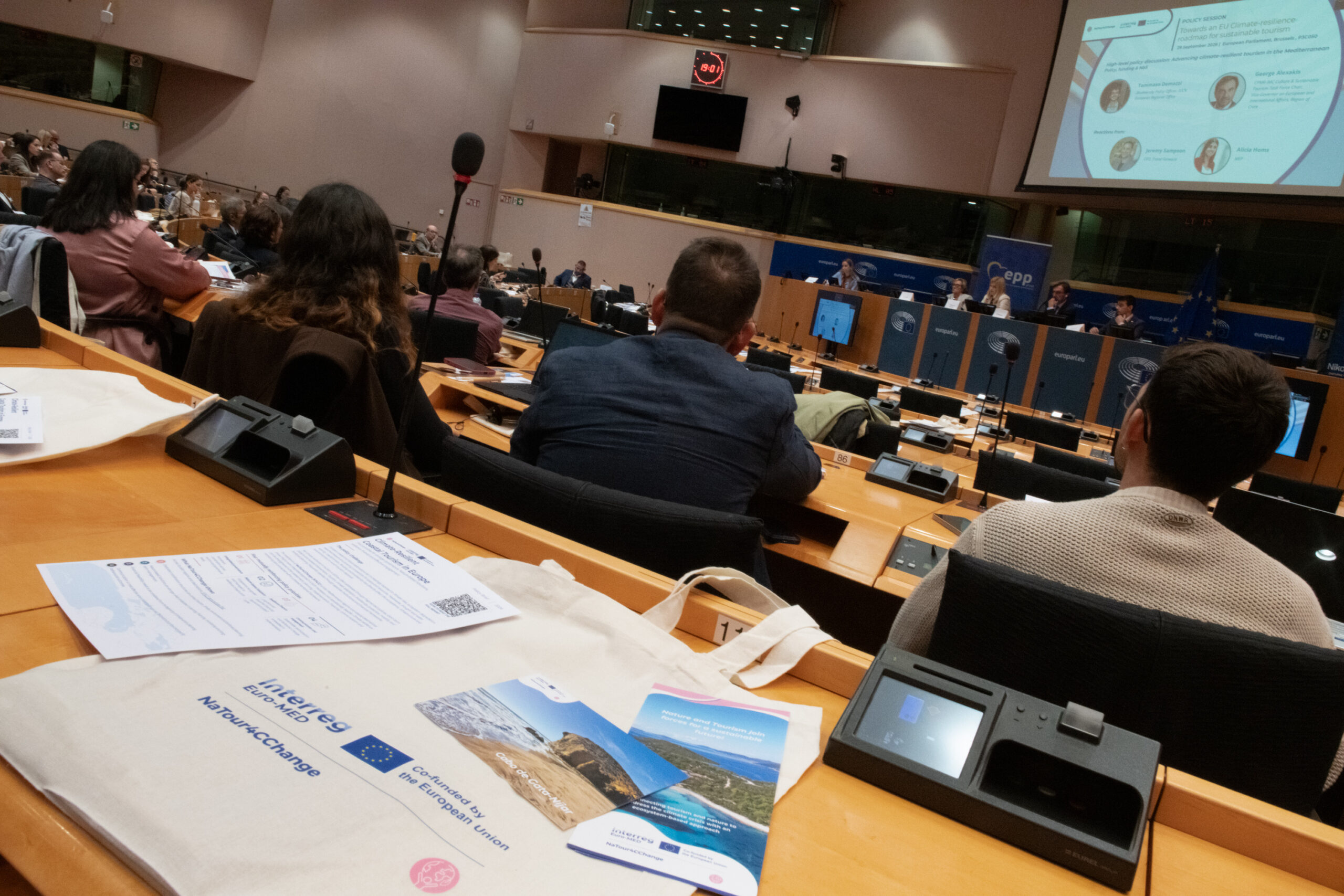
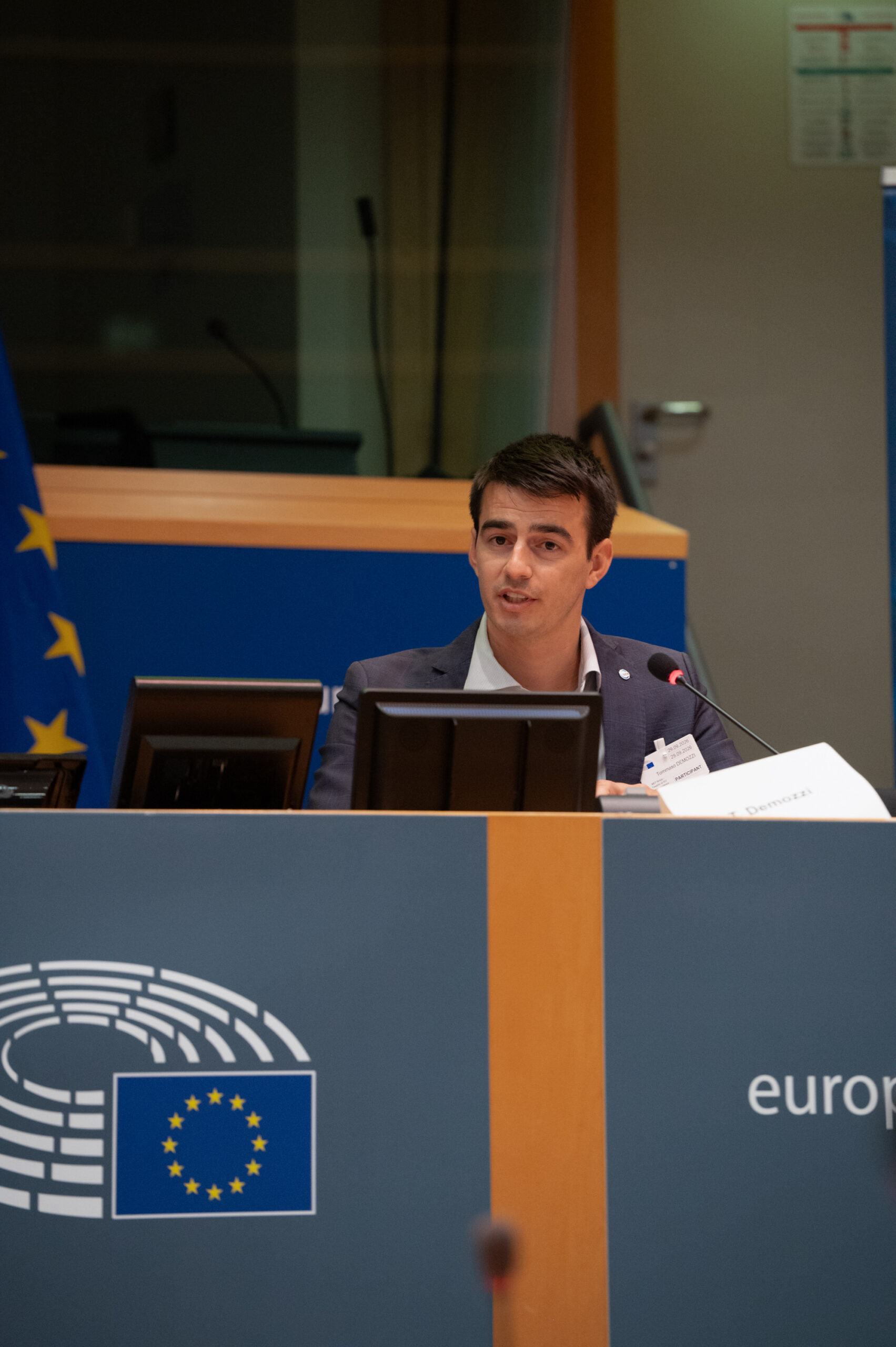
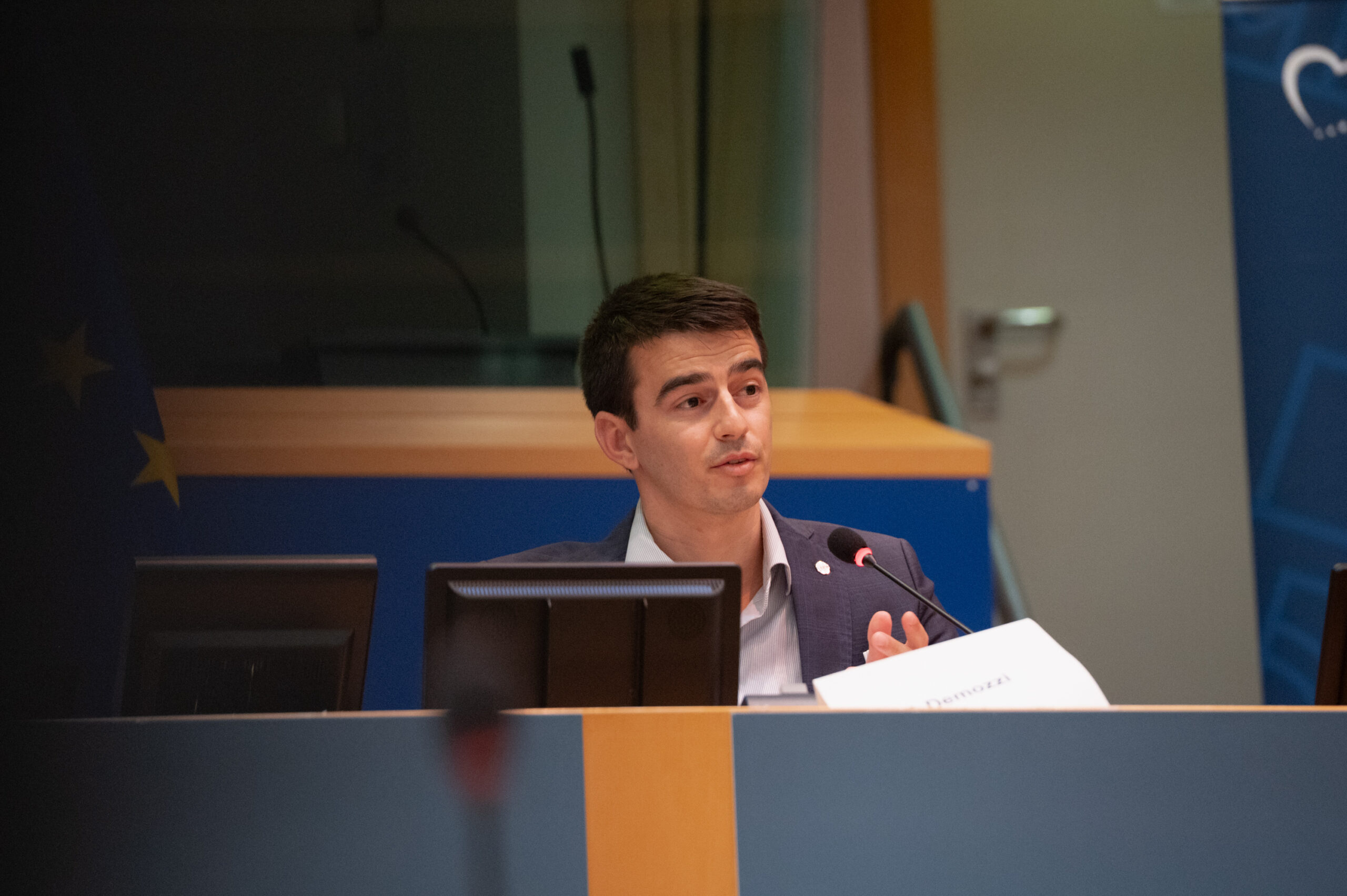
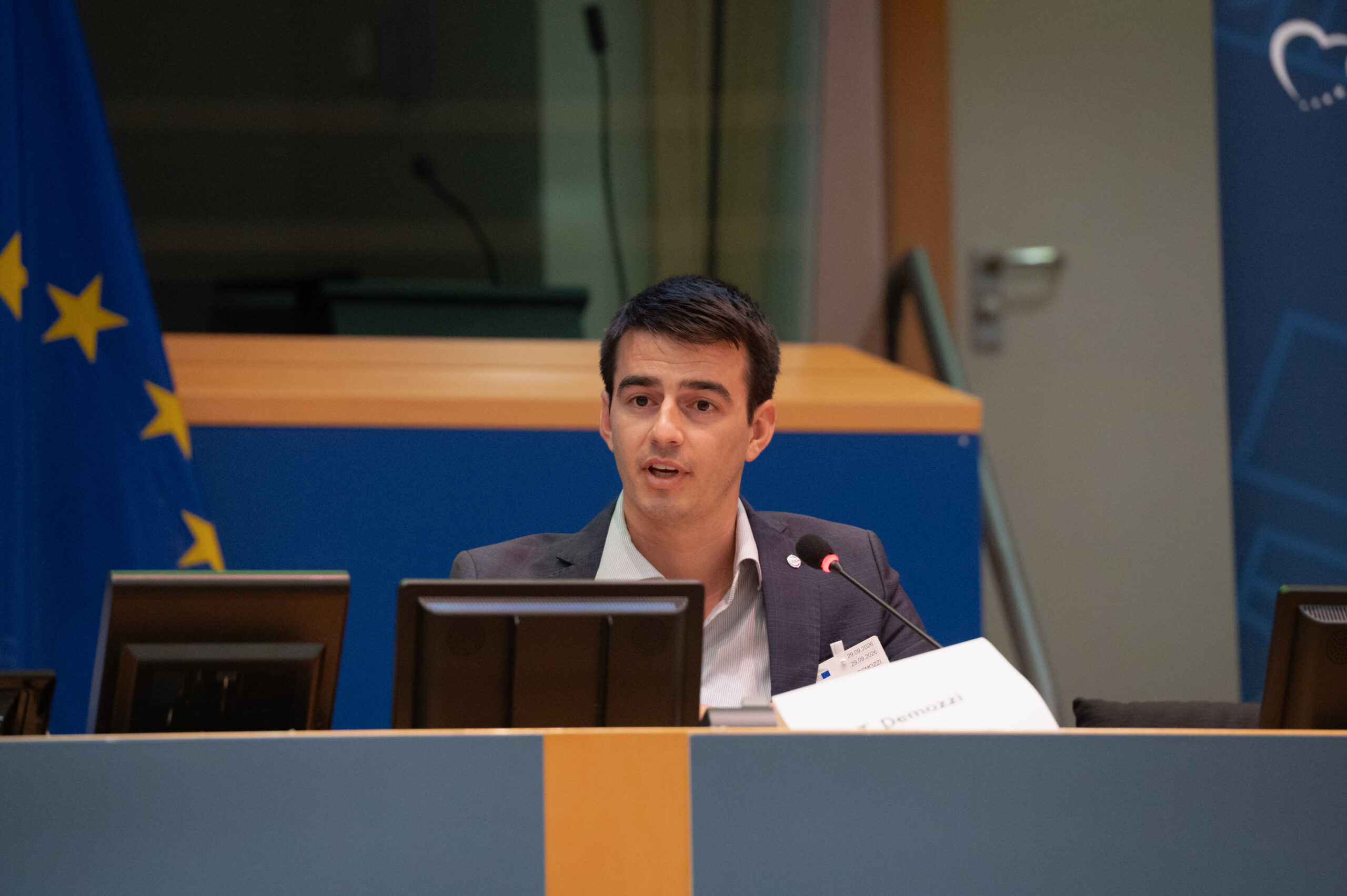
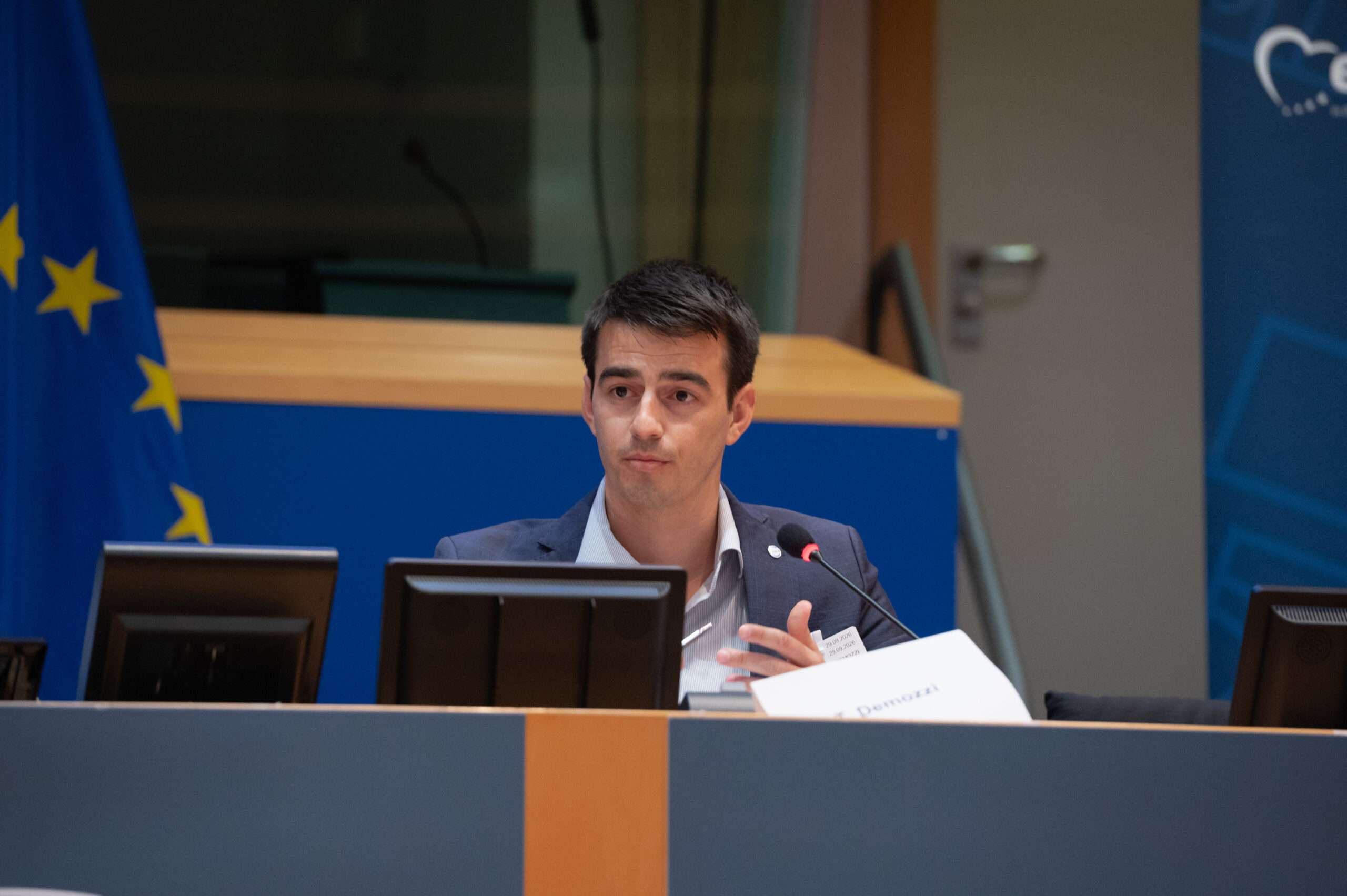
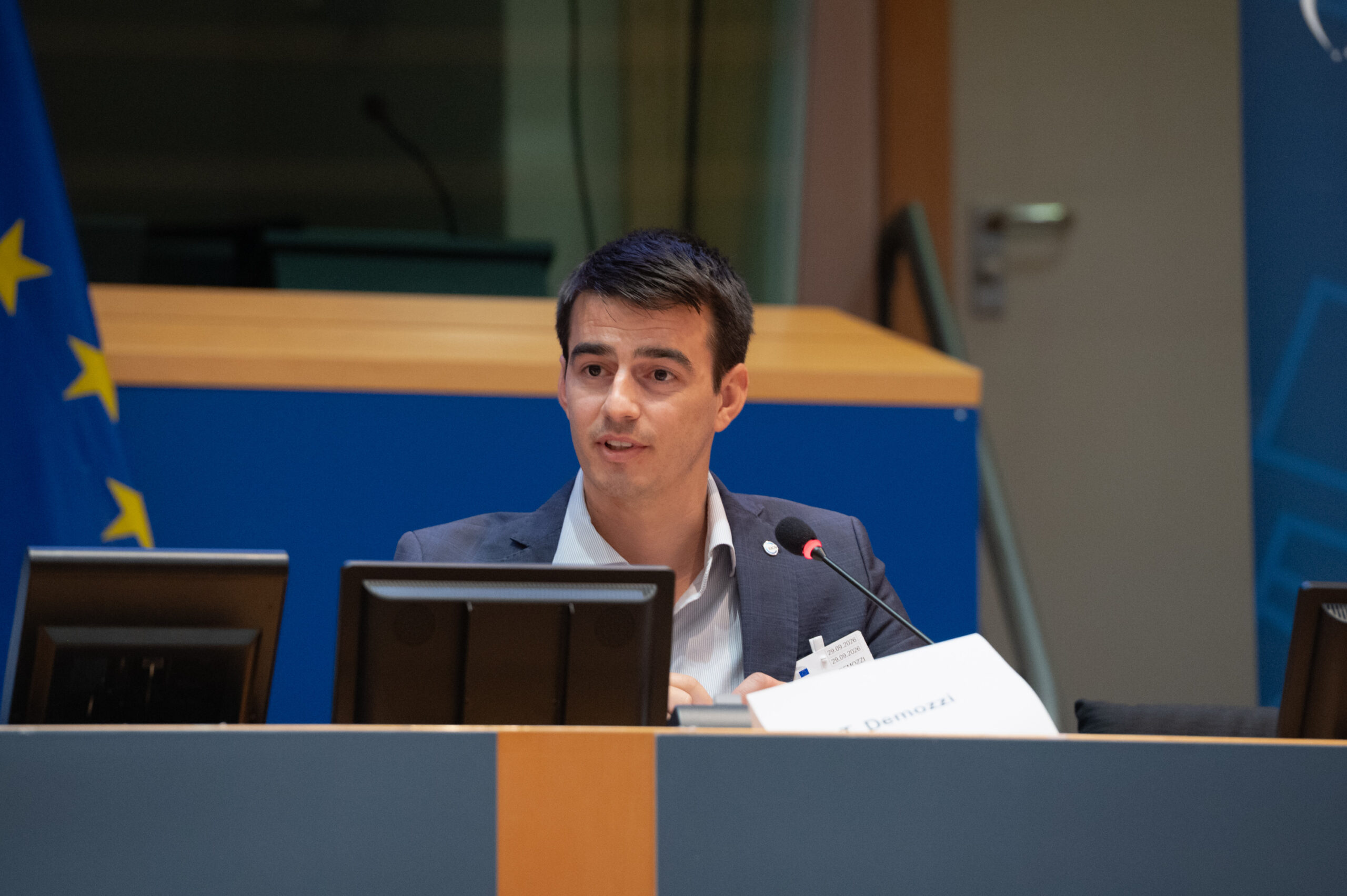
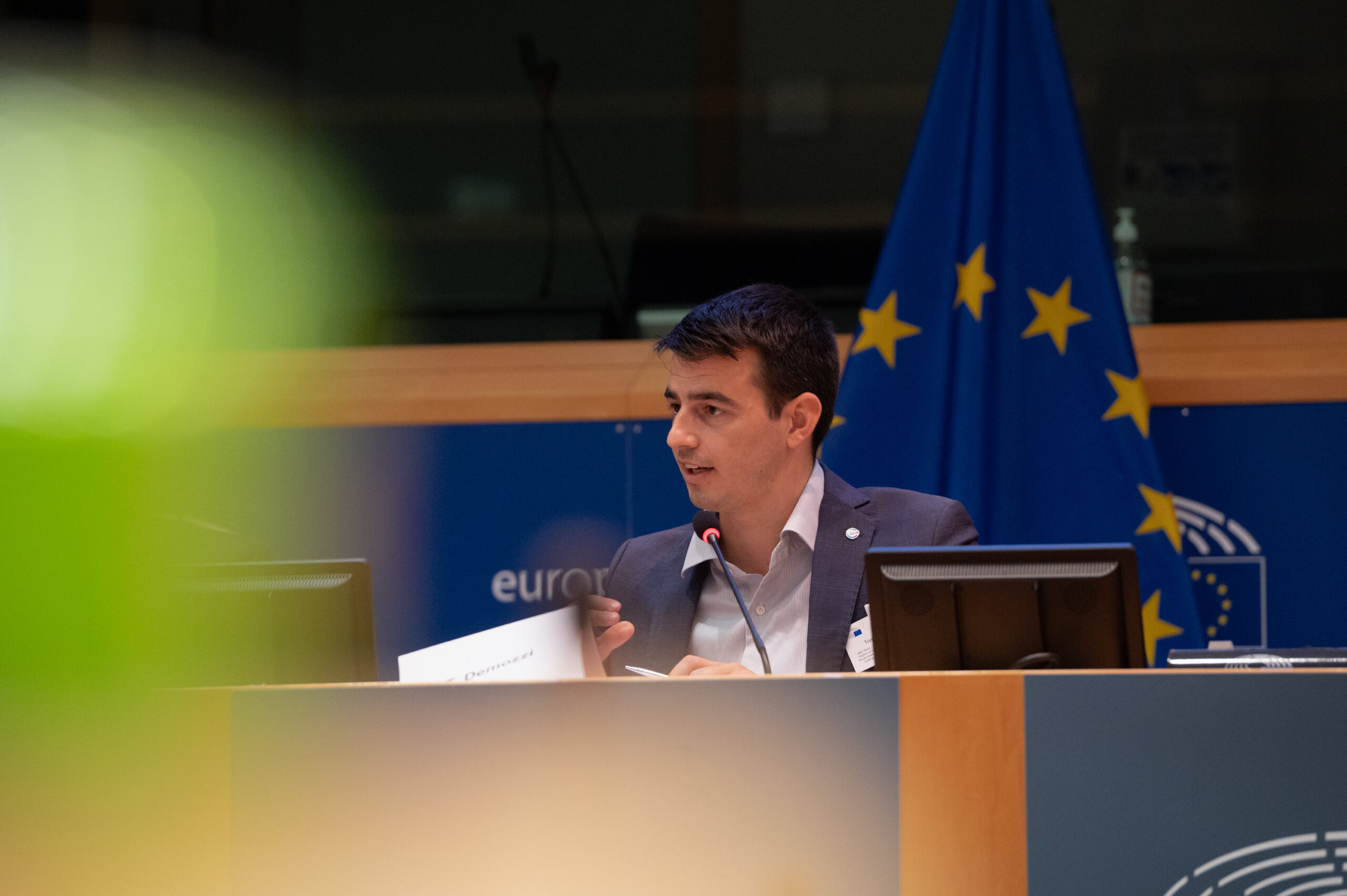
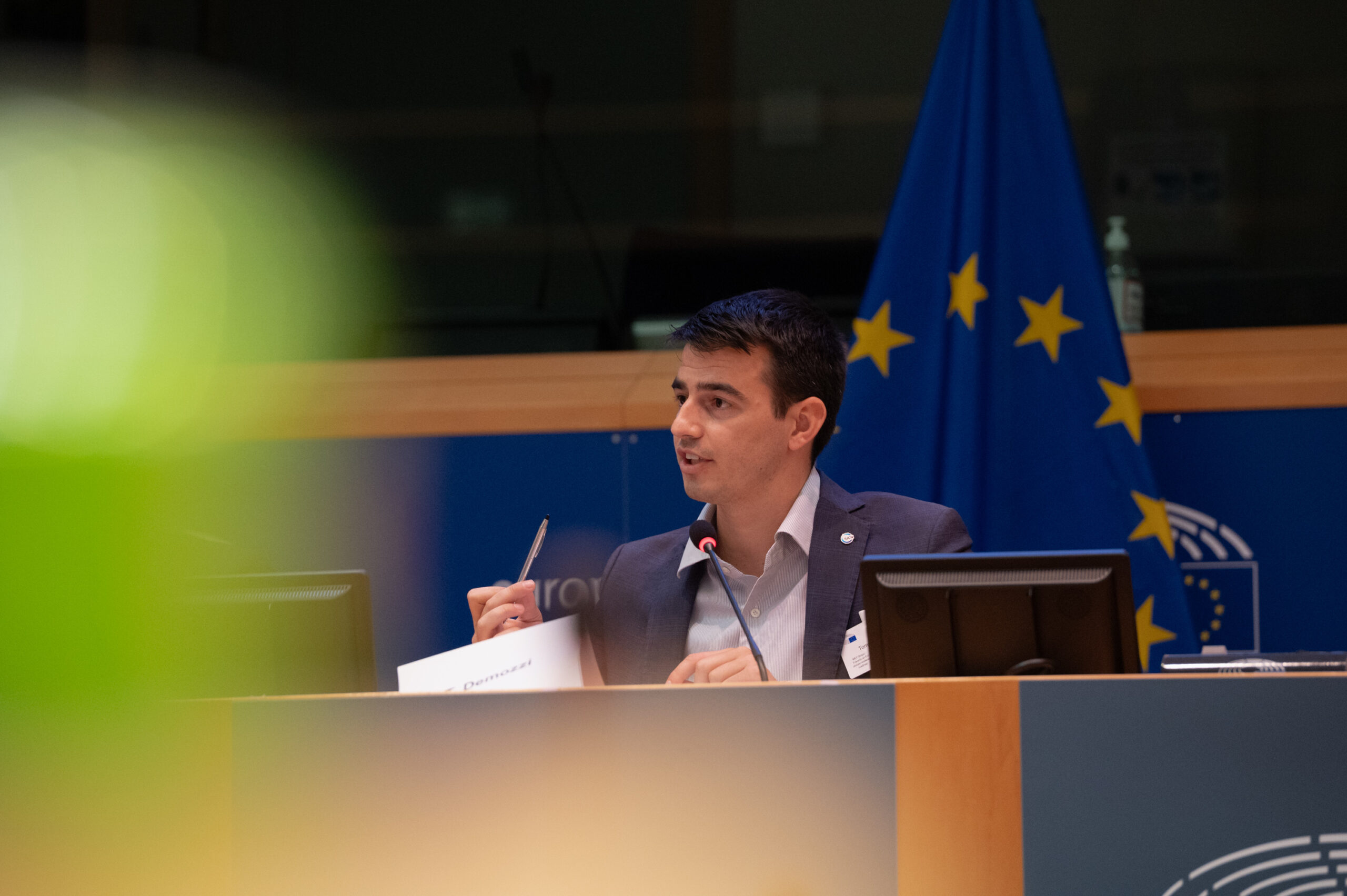
Tommaso Demozzi, Biodiversity Policy Officer at the IUCN European Regional Office,
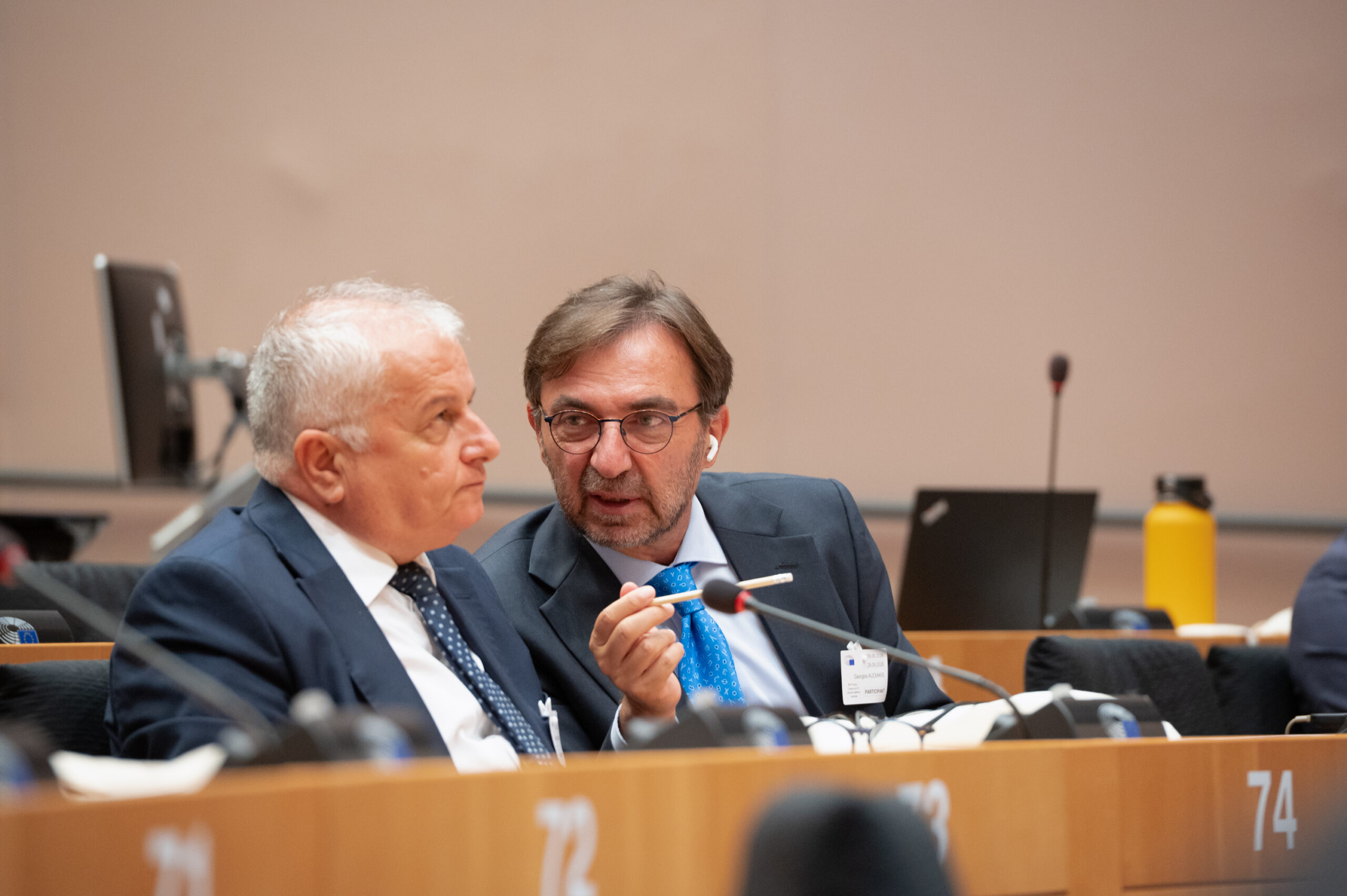
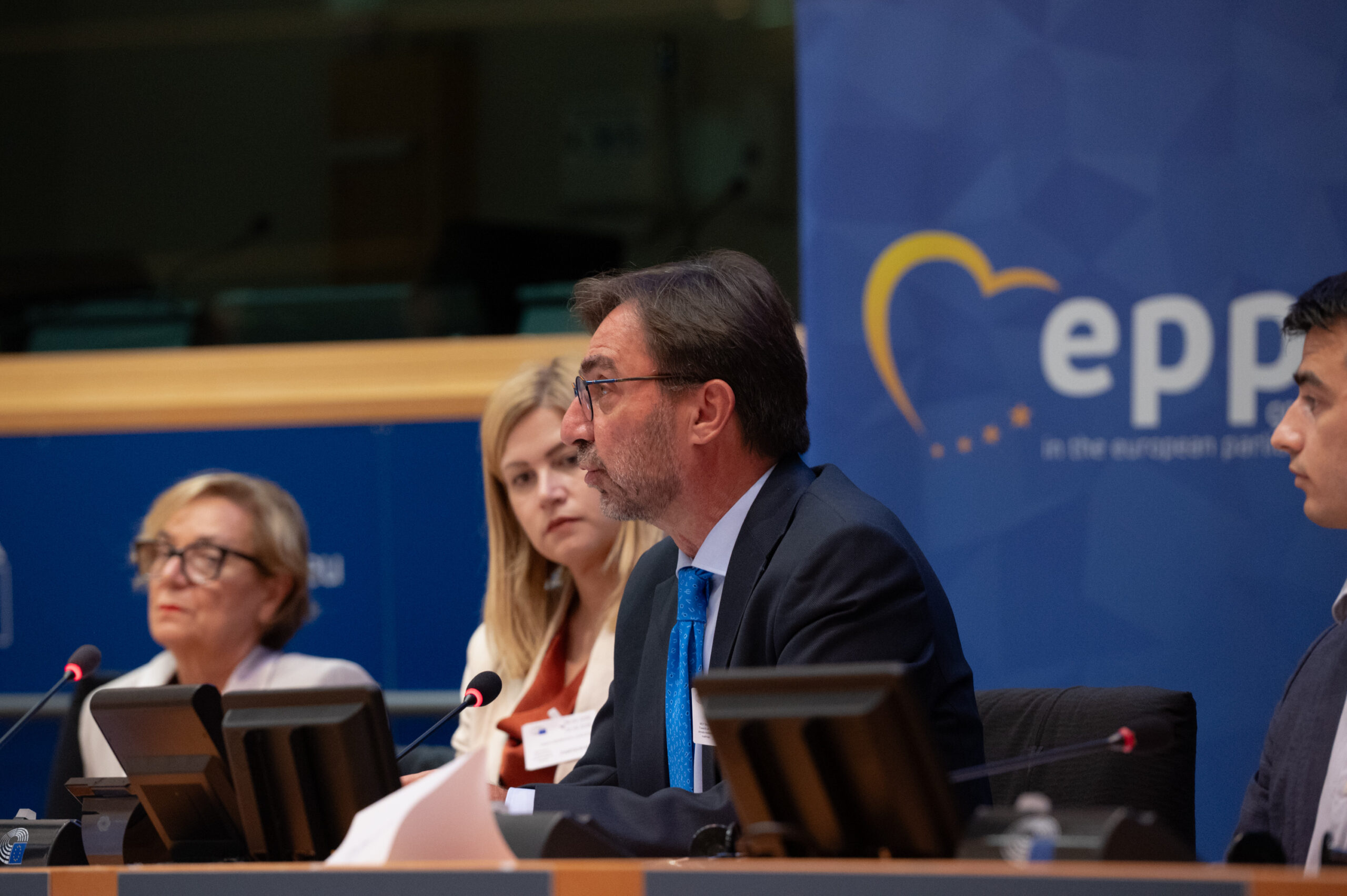
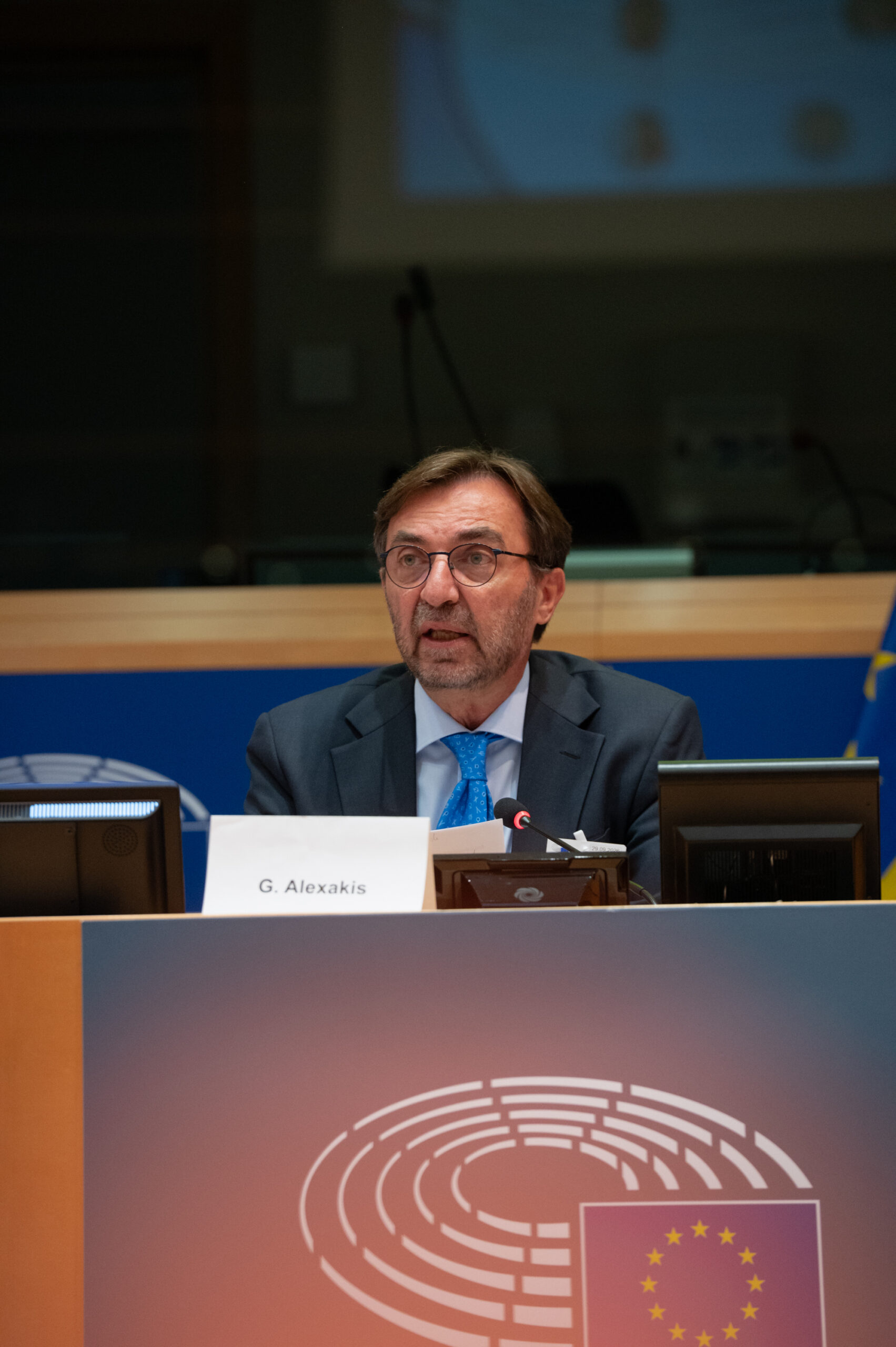
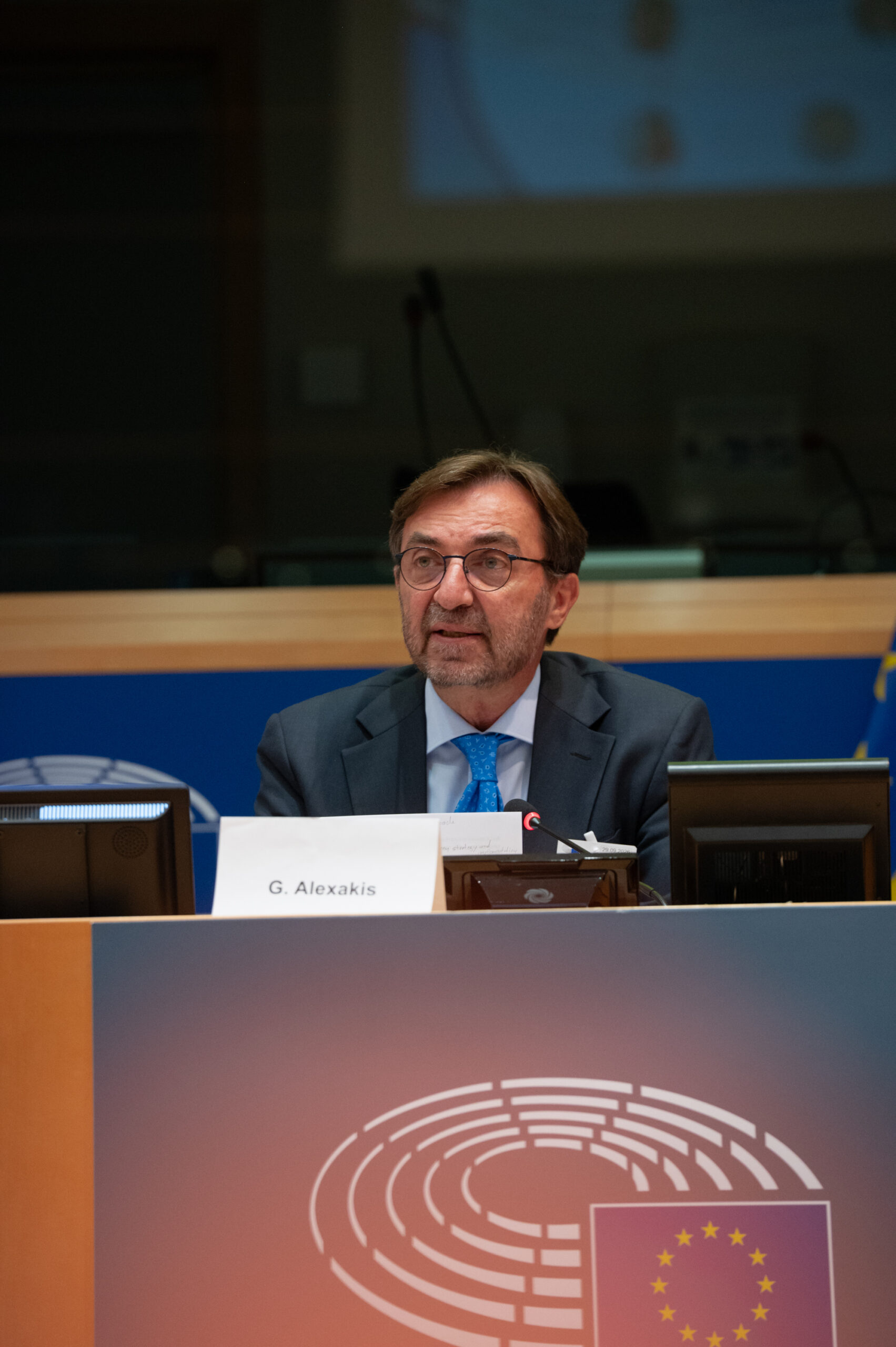
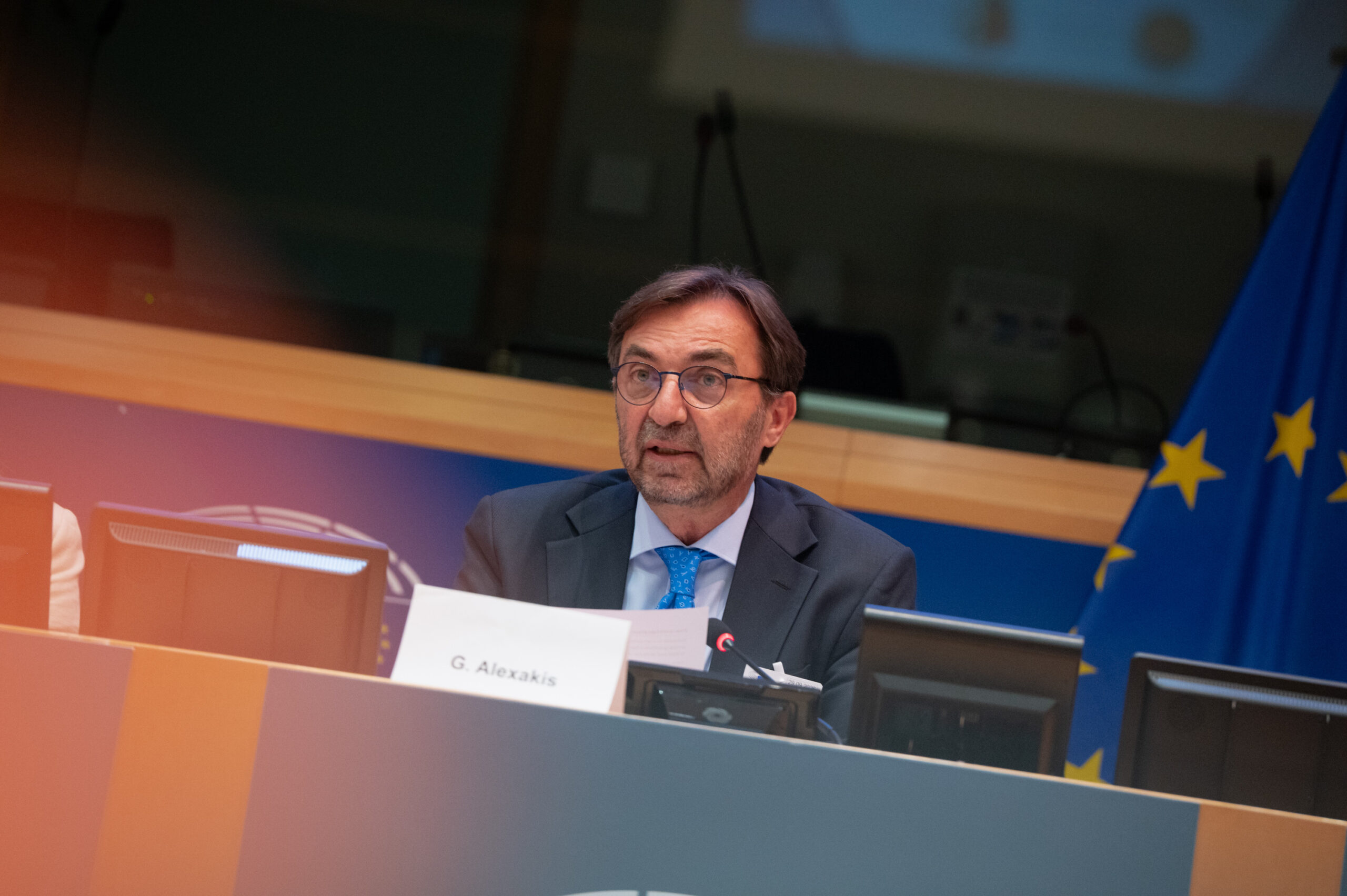
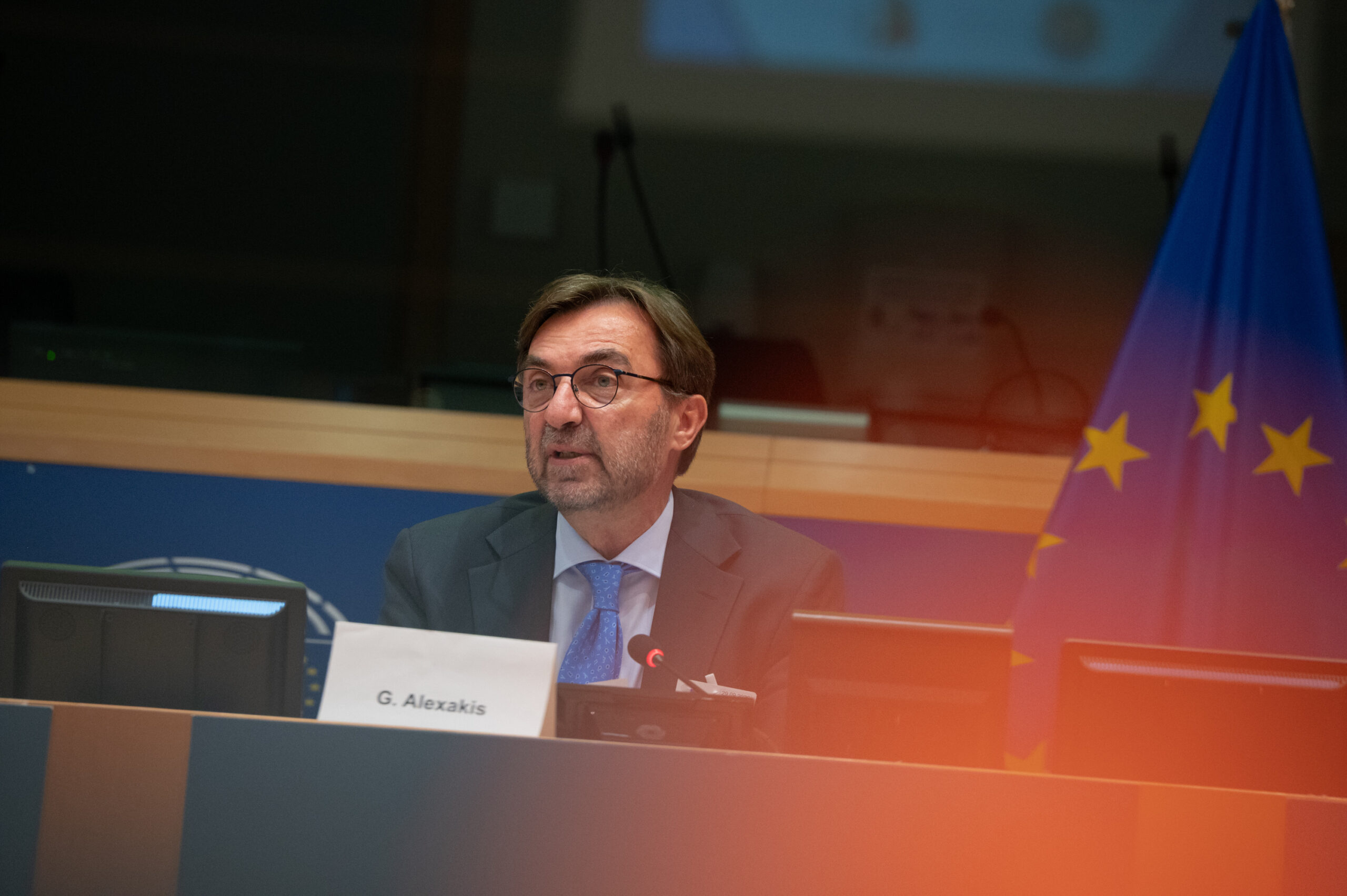
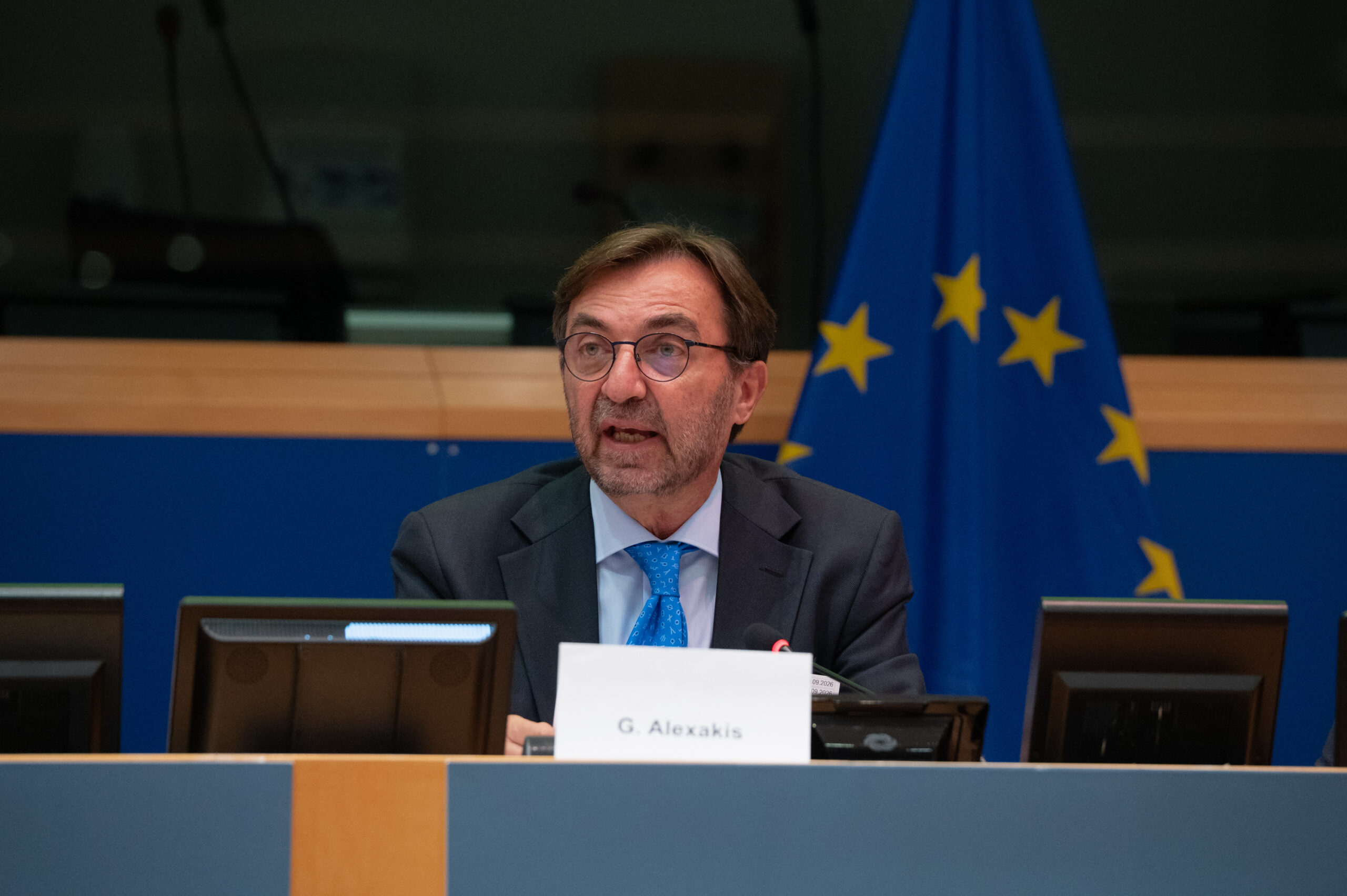
George Alexakis, Vice-Governor for European and International Affairs of the Region of Crete and Chair of the CPMR Intermediterranean Commission’s Culture and Sustainable Tourism Task Force and MEP
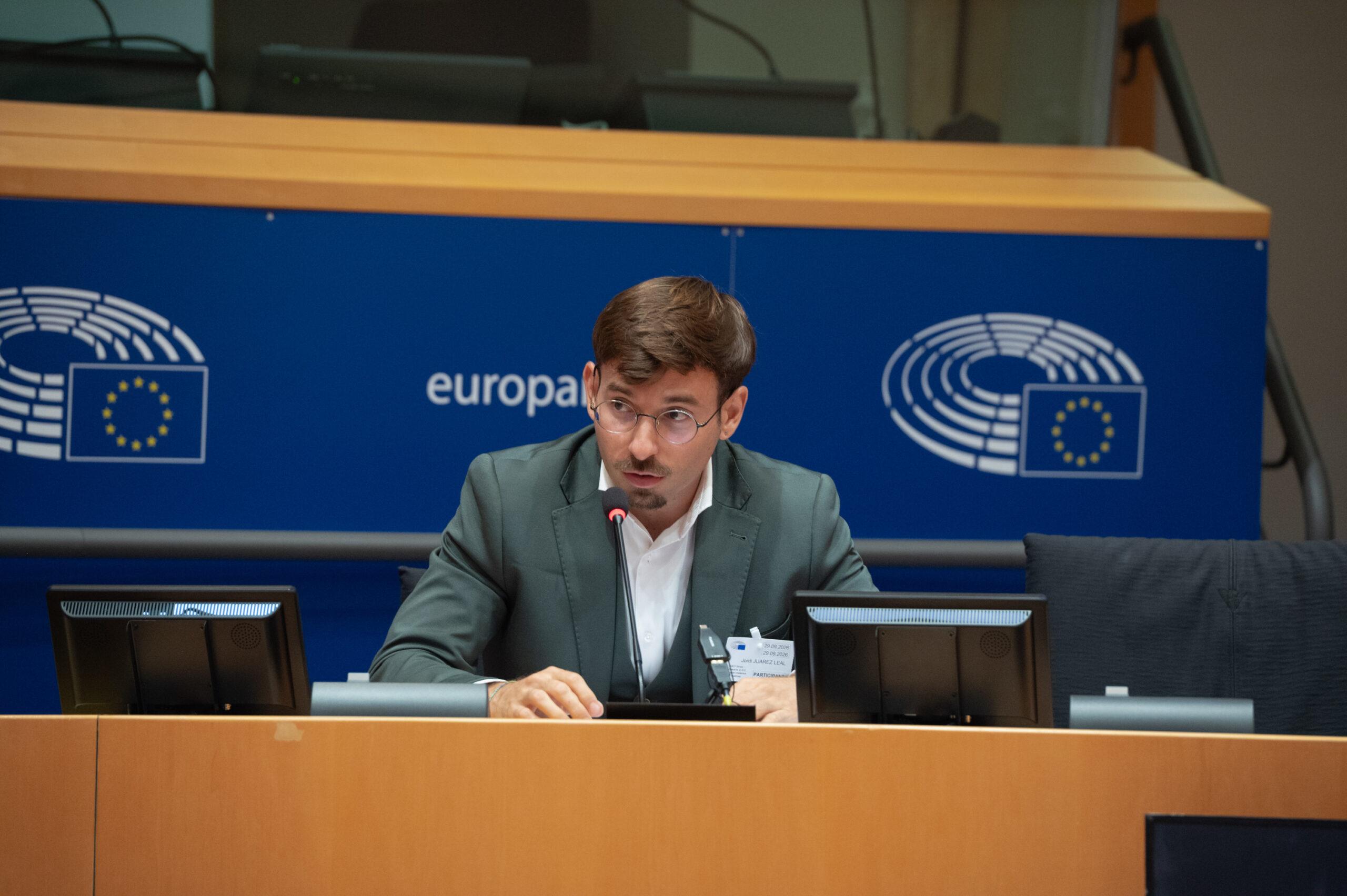
Alícia Homs Ginel, addressed key policy implementation issues. The conversation on the one hand emphasized the need for place-based governance and initiatives that support the integration of project practices into territorial standards while fostering regional cooperation. On the other hand, it highlighted the role of Nature- based Solutions and the importance of creating long-term enabling conditions for their financing, as well as transferring knowledge and capacity atdestinations level. Closing remarks brought forward the needs of island regions and the complex reality these communities are facing.
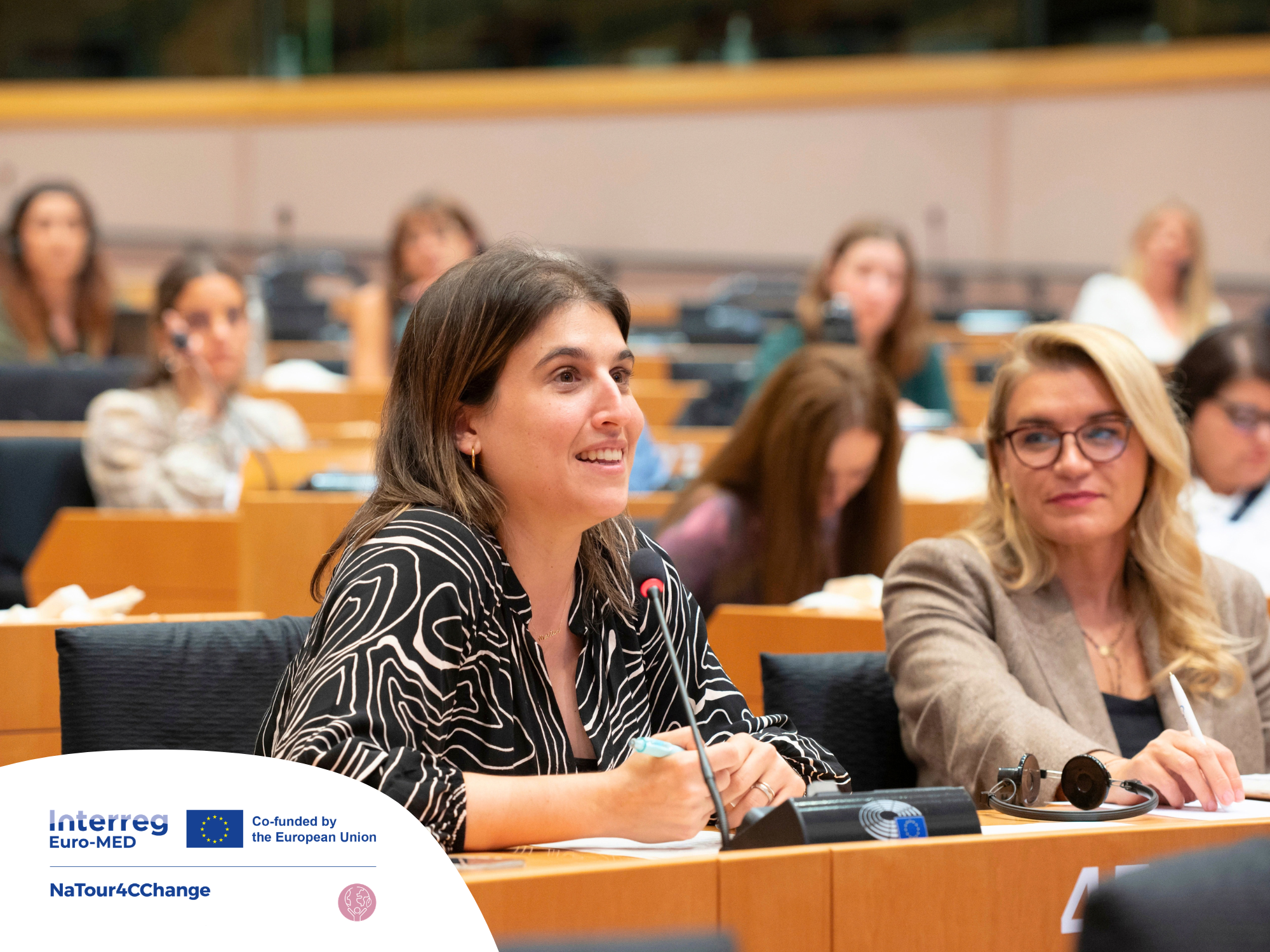
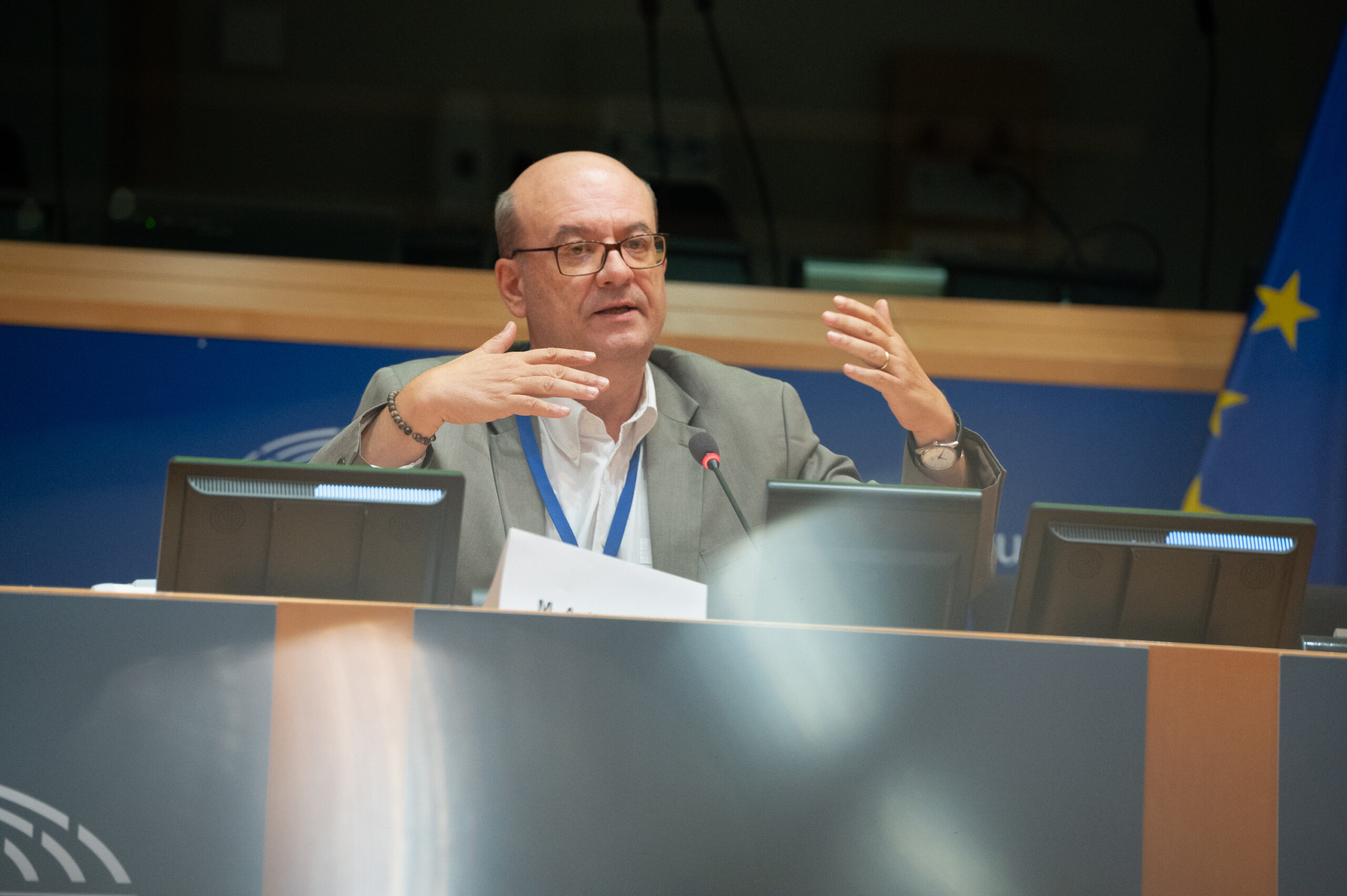
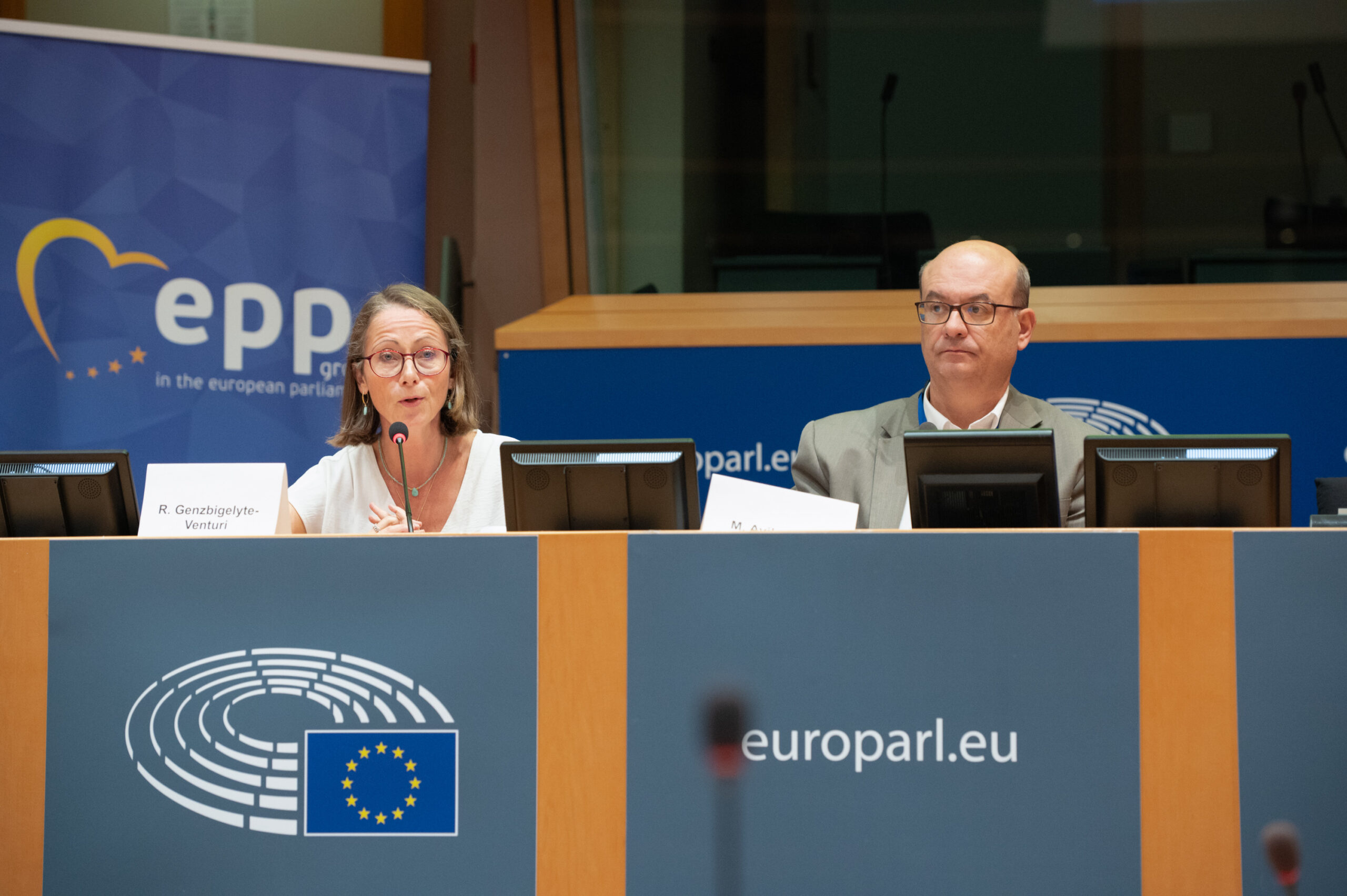
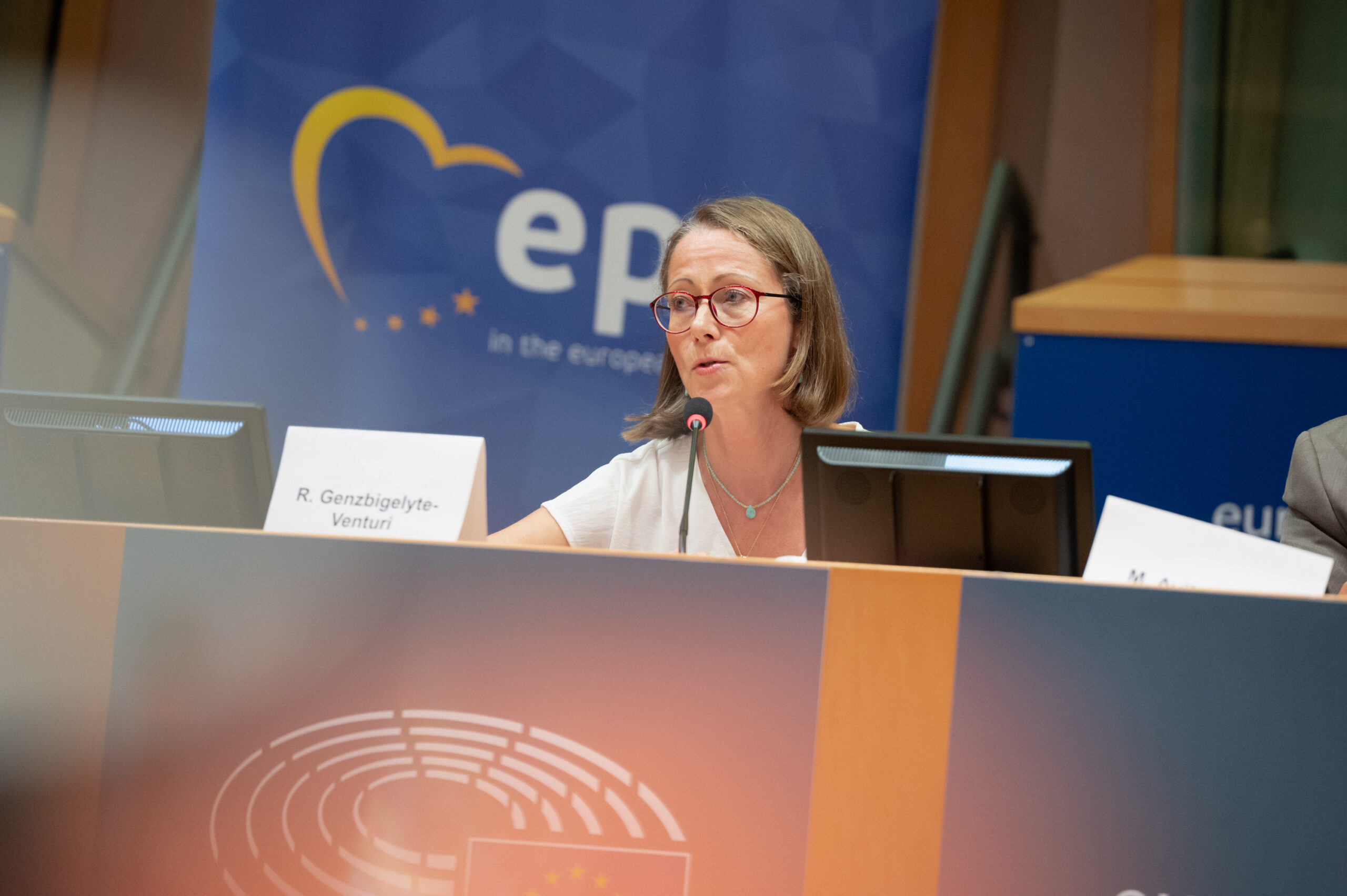
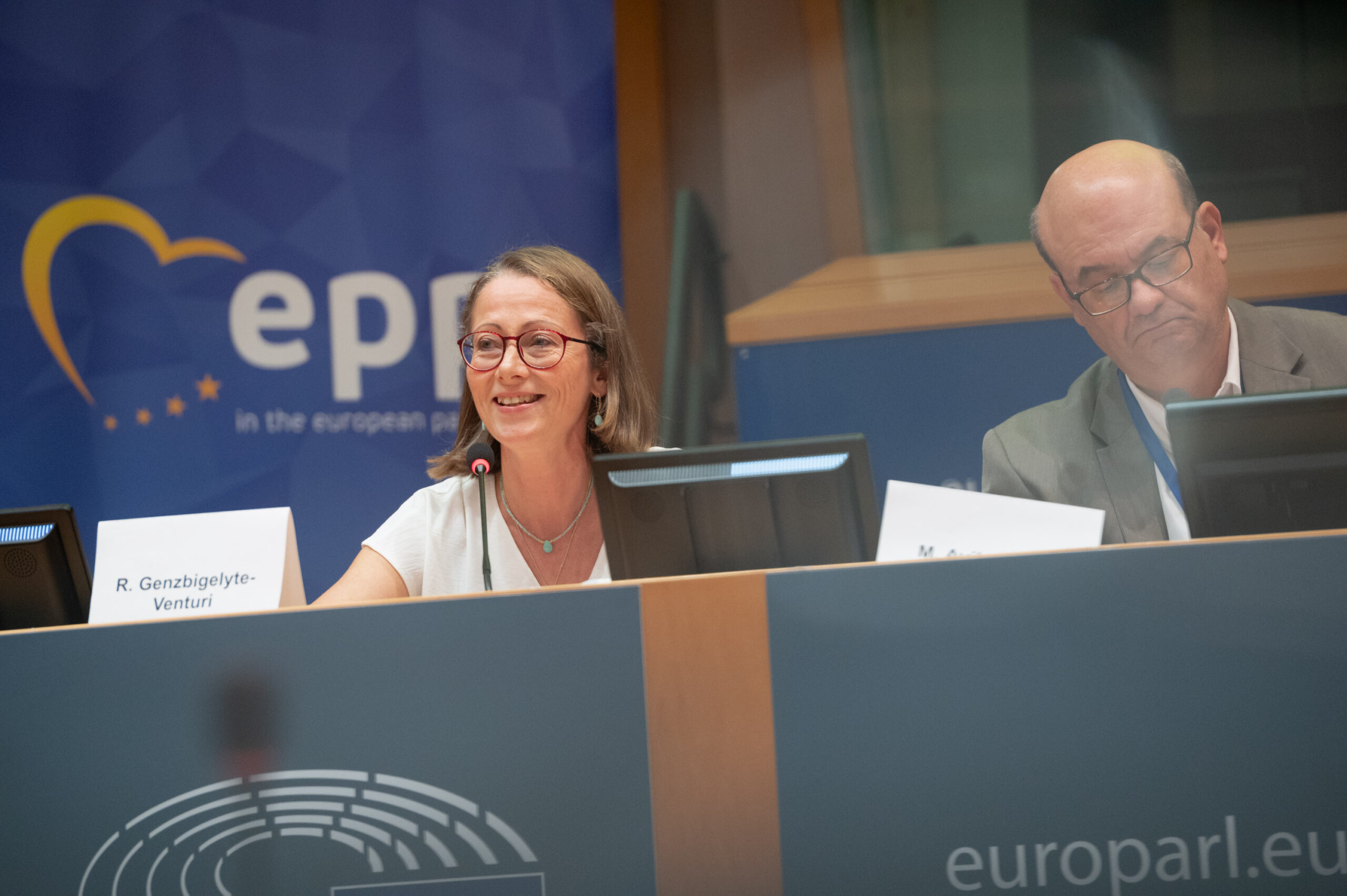
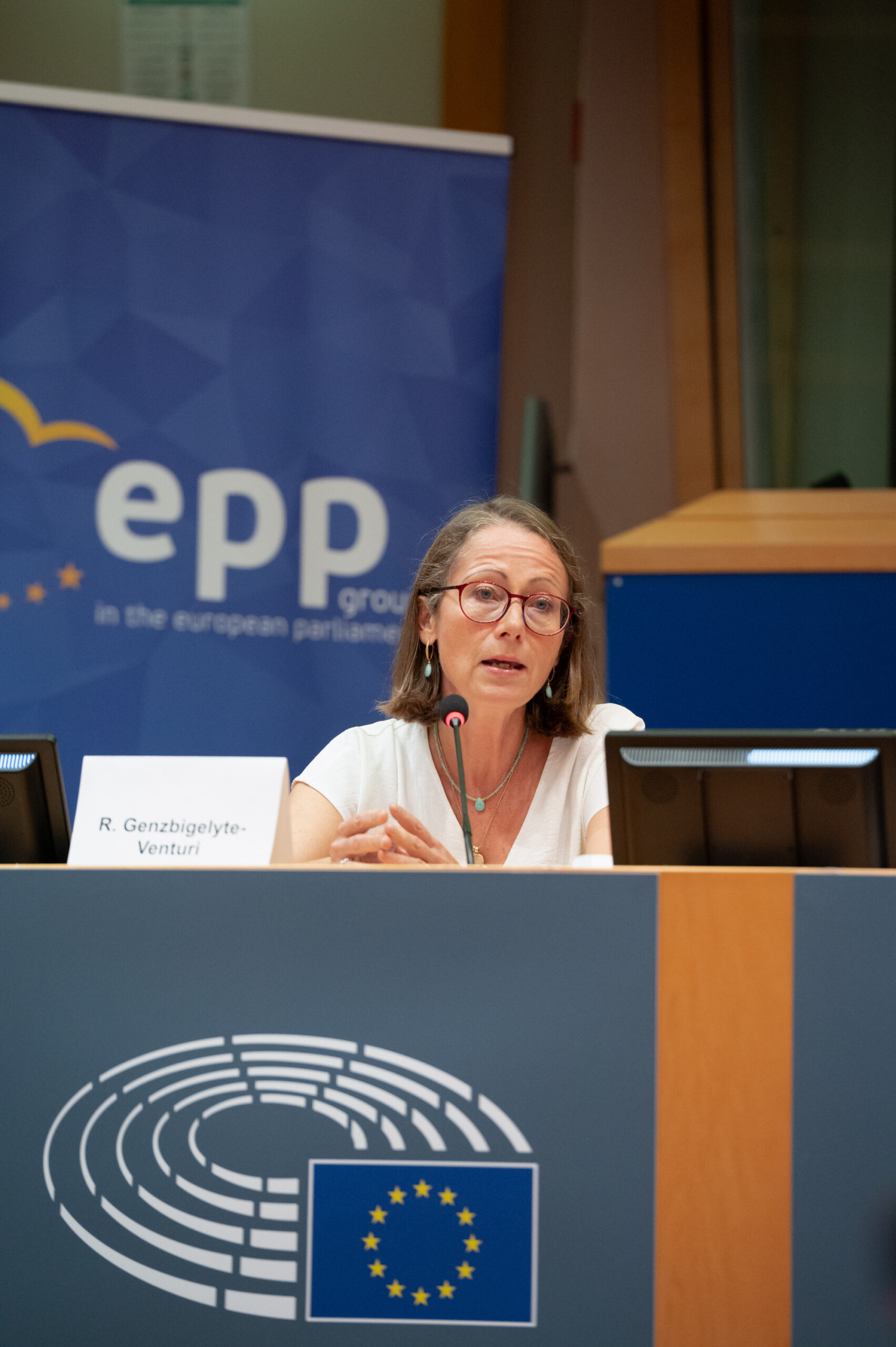
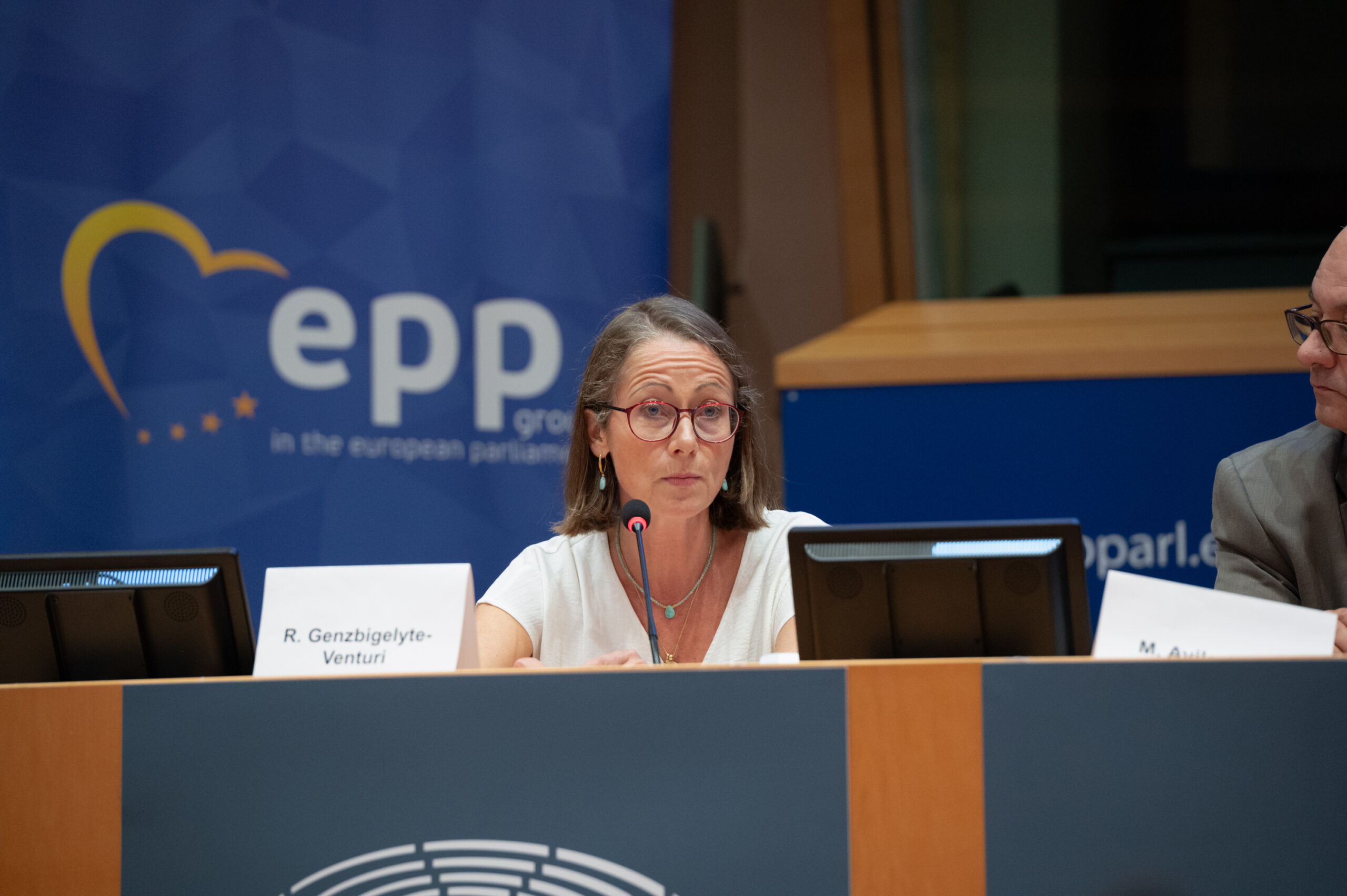
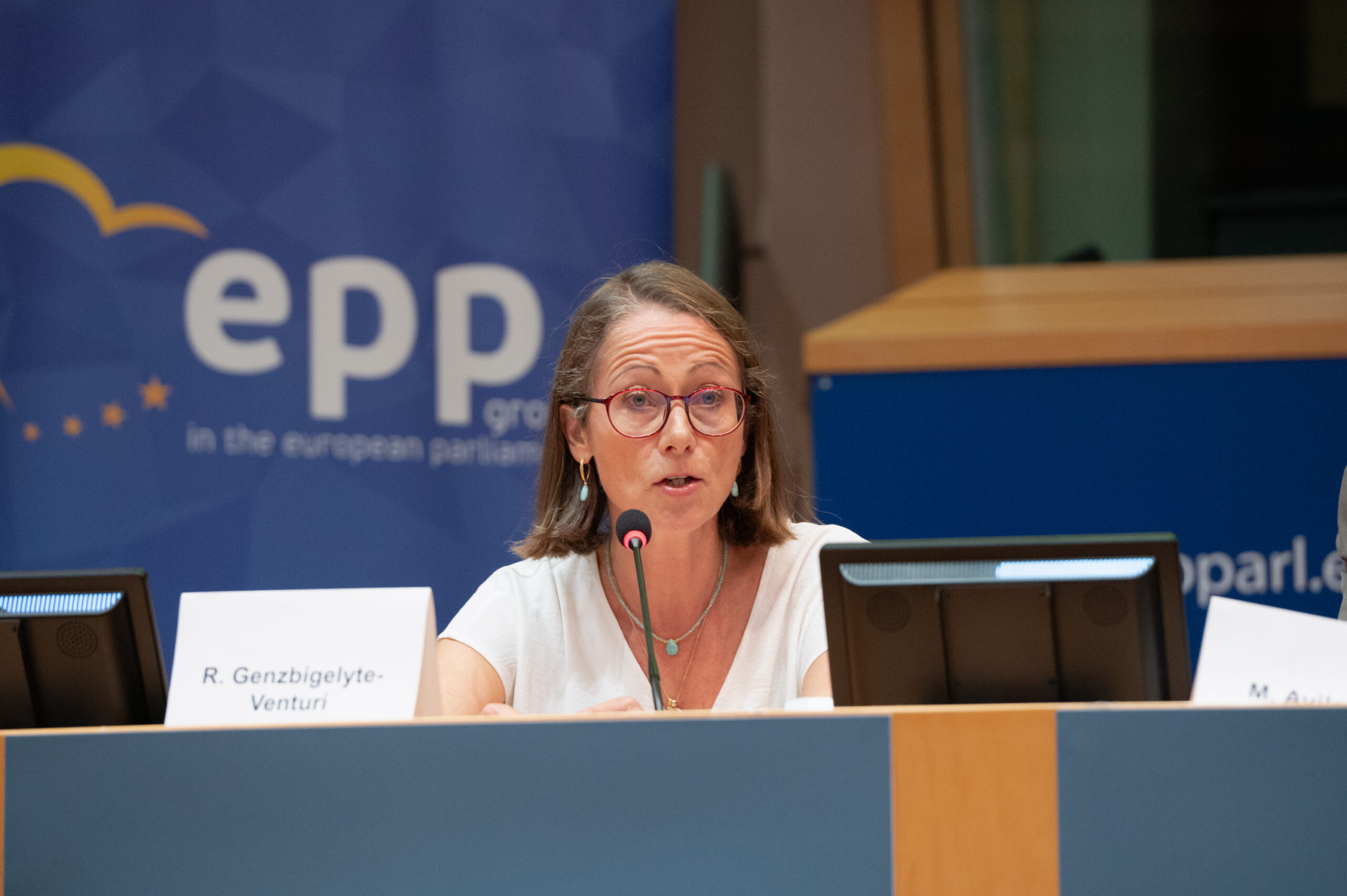
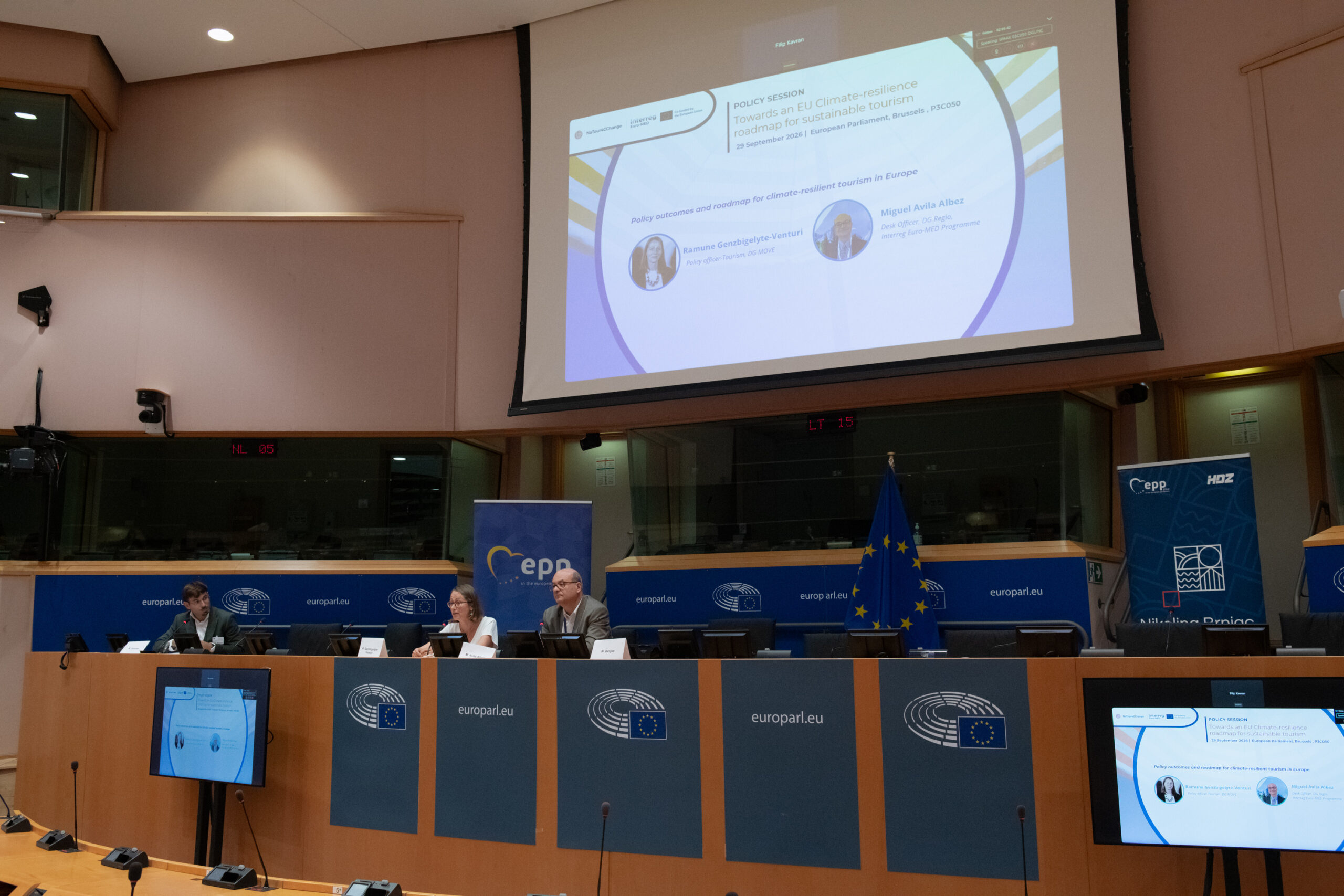
The second and final panel between
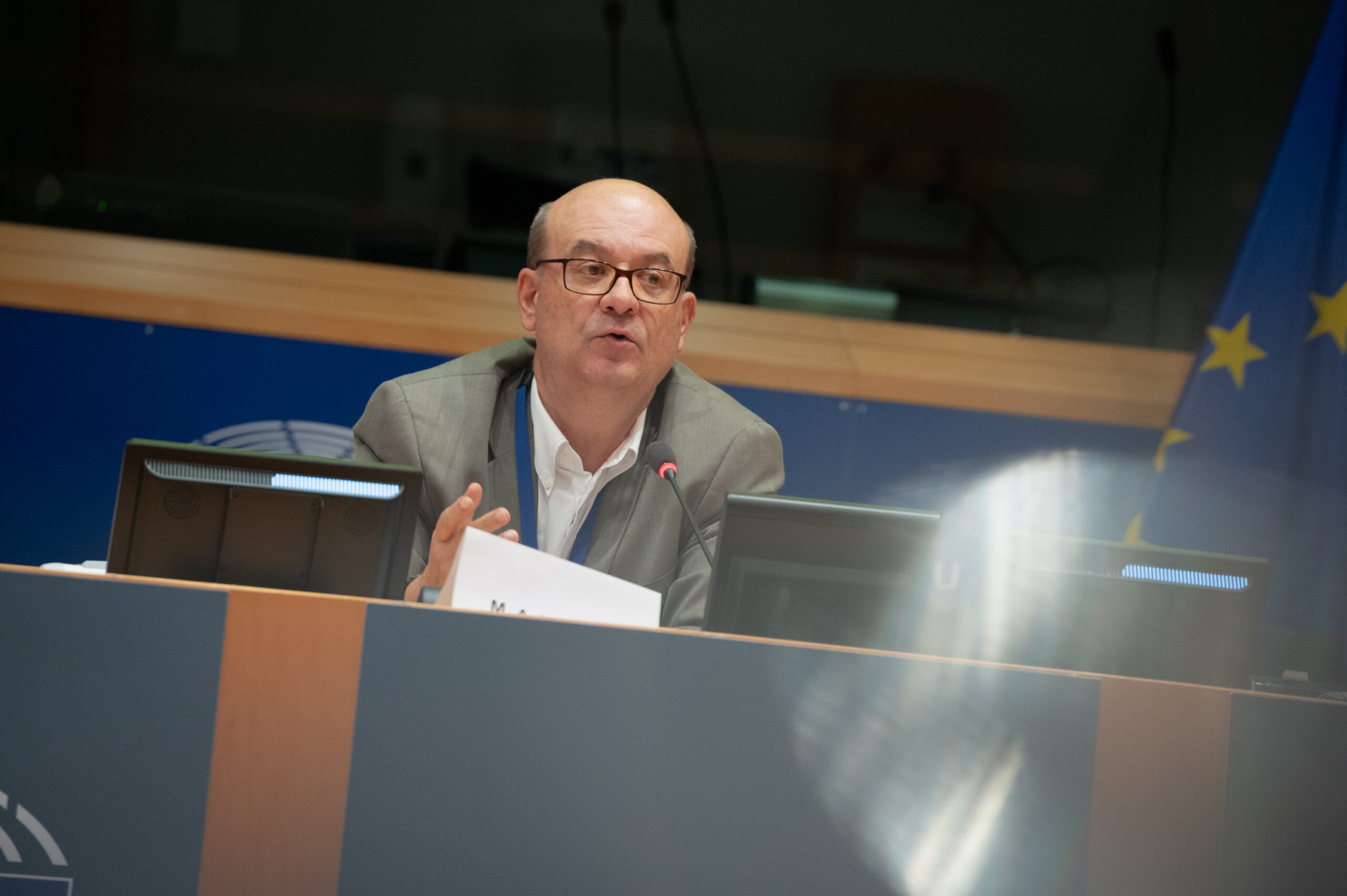
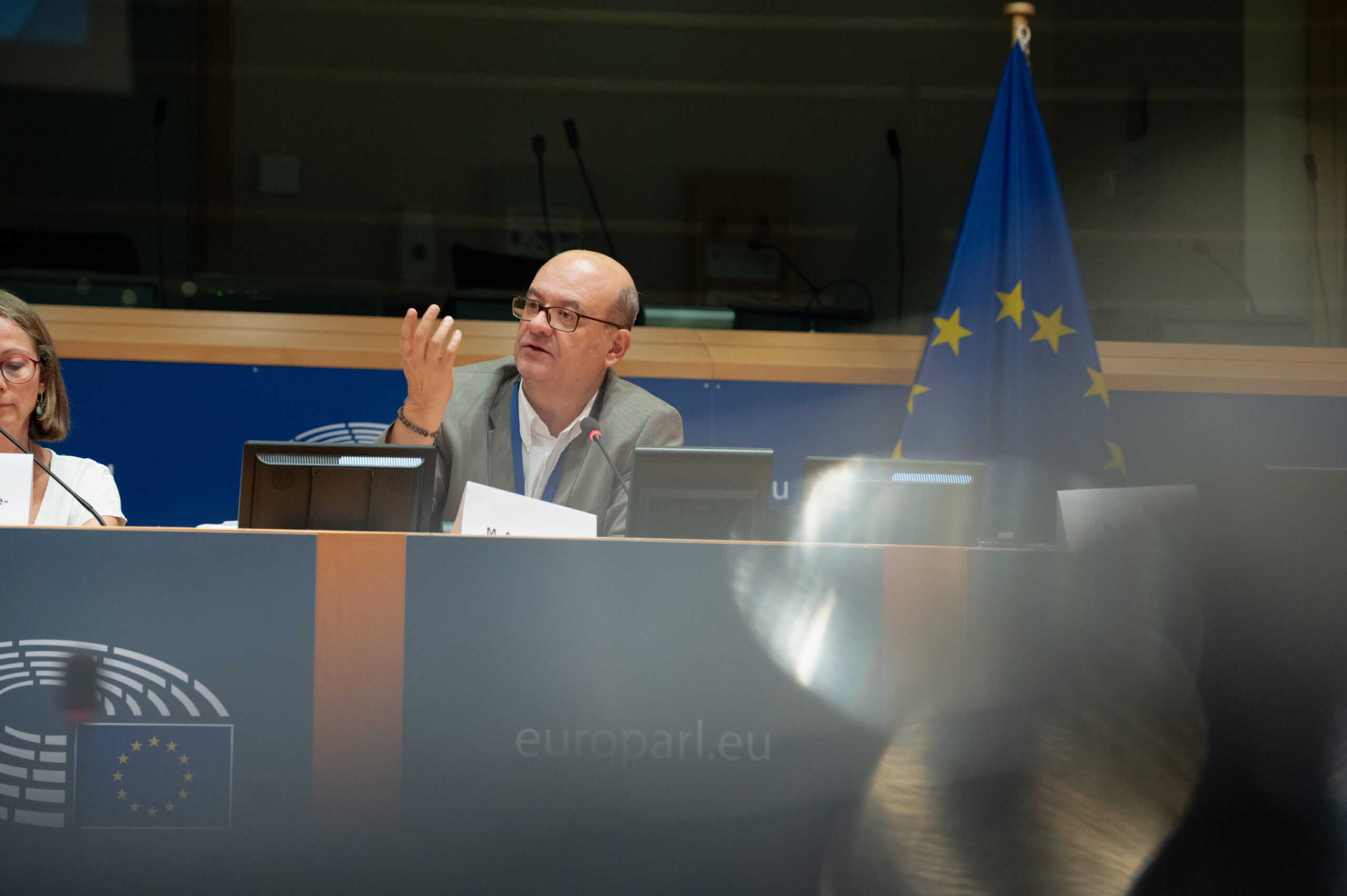
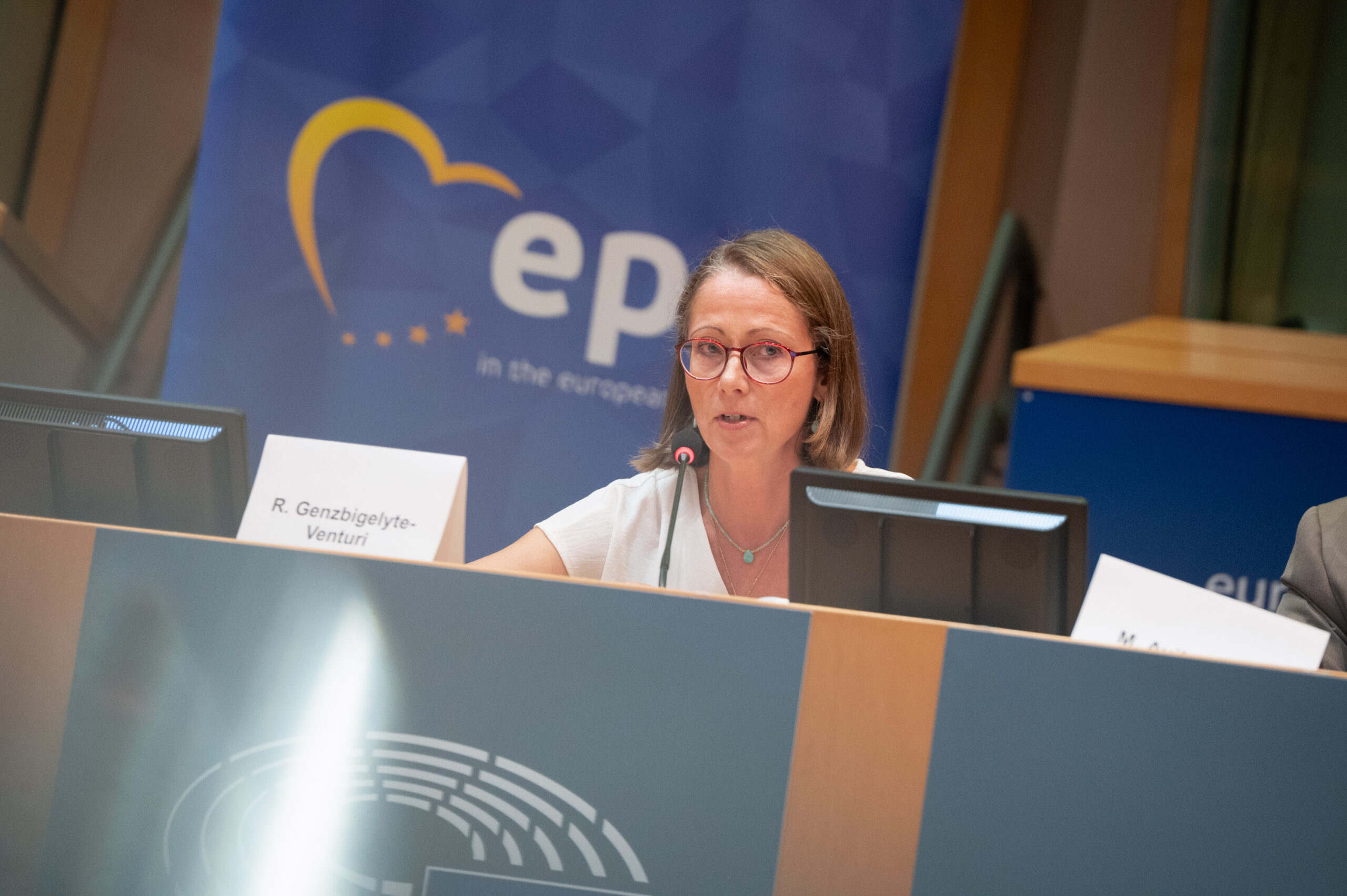
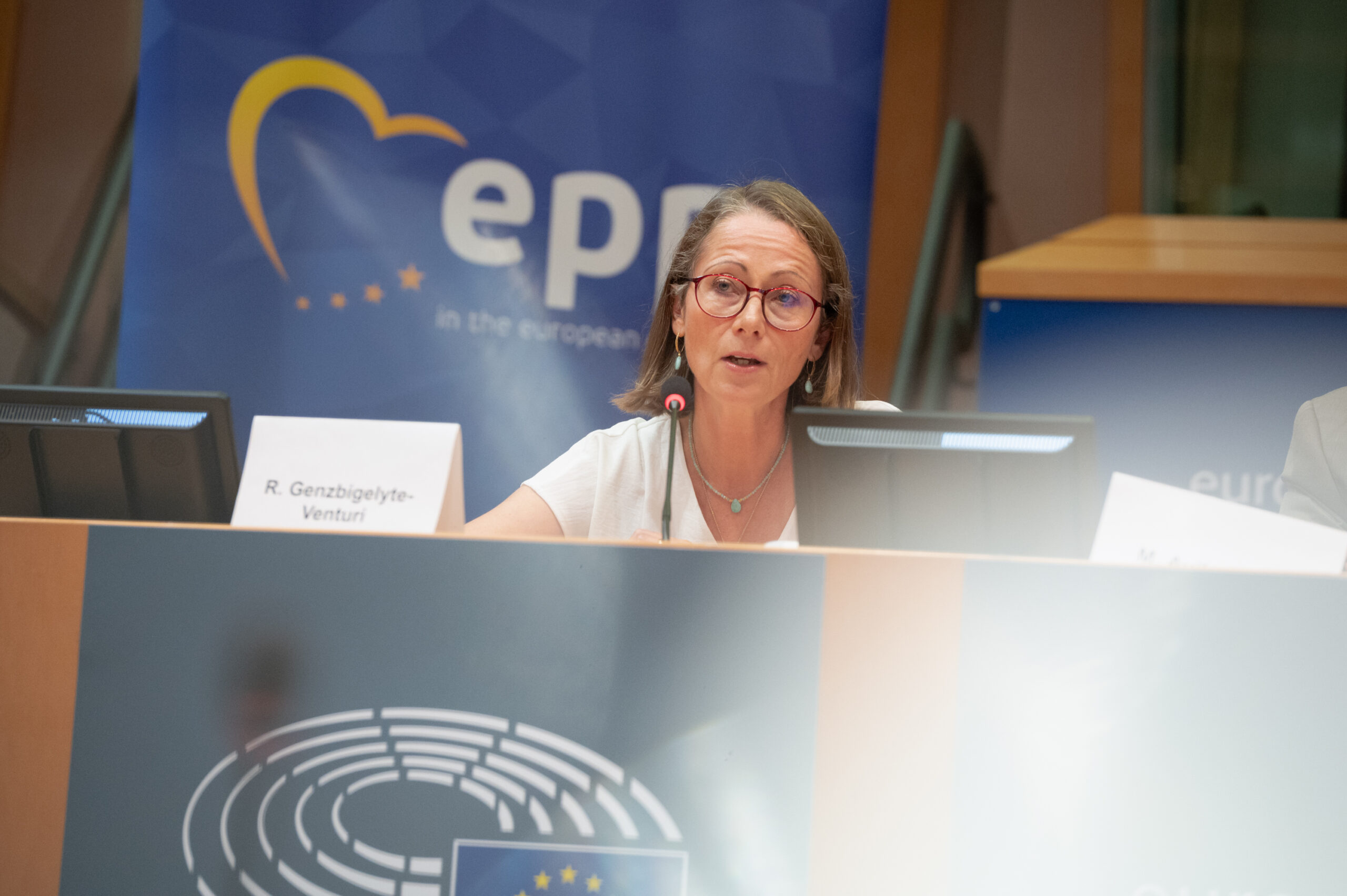
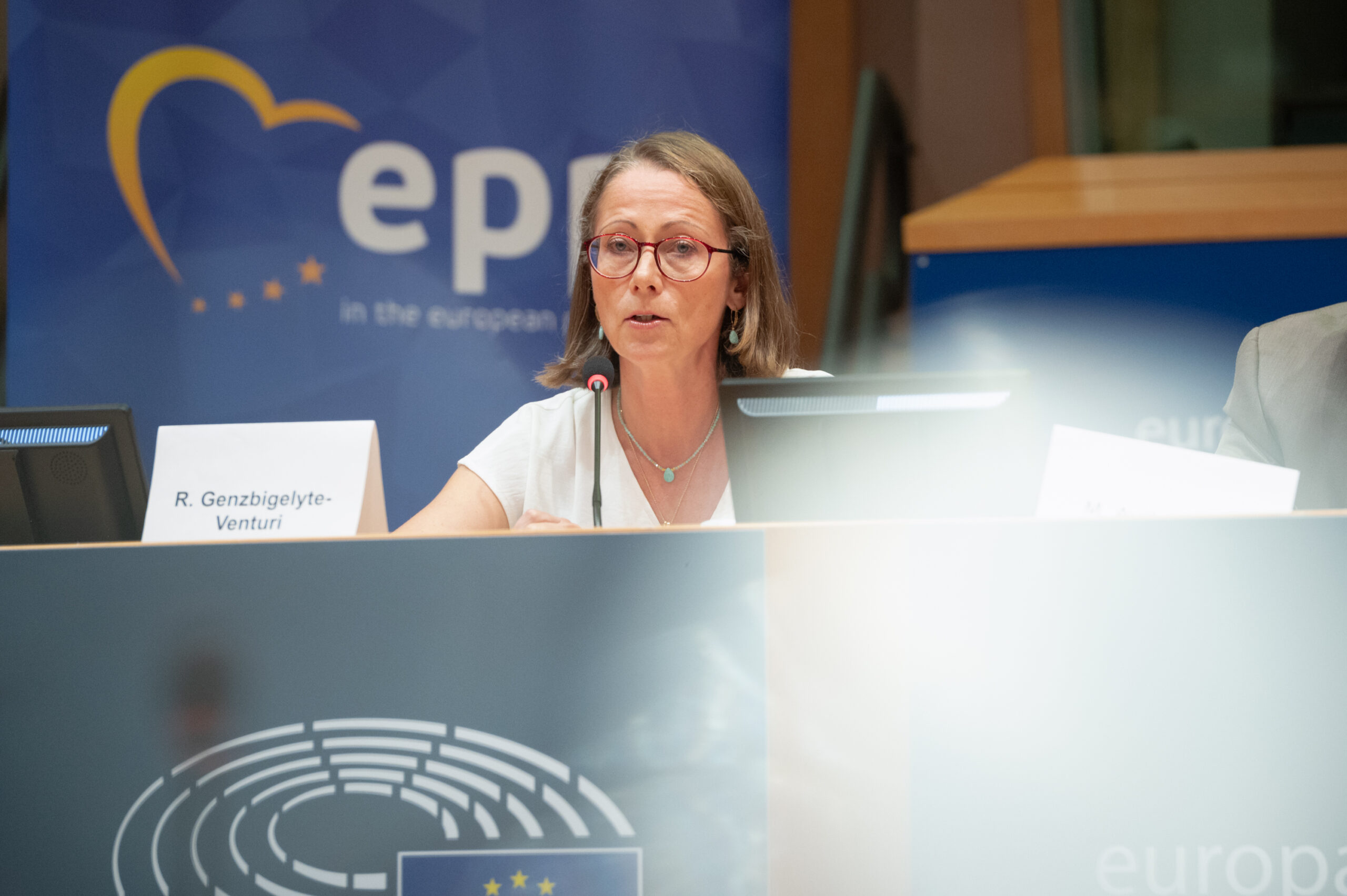
Ramune Genzbigelyte Venturi, Policy Officer for Tourism at the European Commission’s Directorate-General for Mobility and Transport (DG MOVE) and
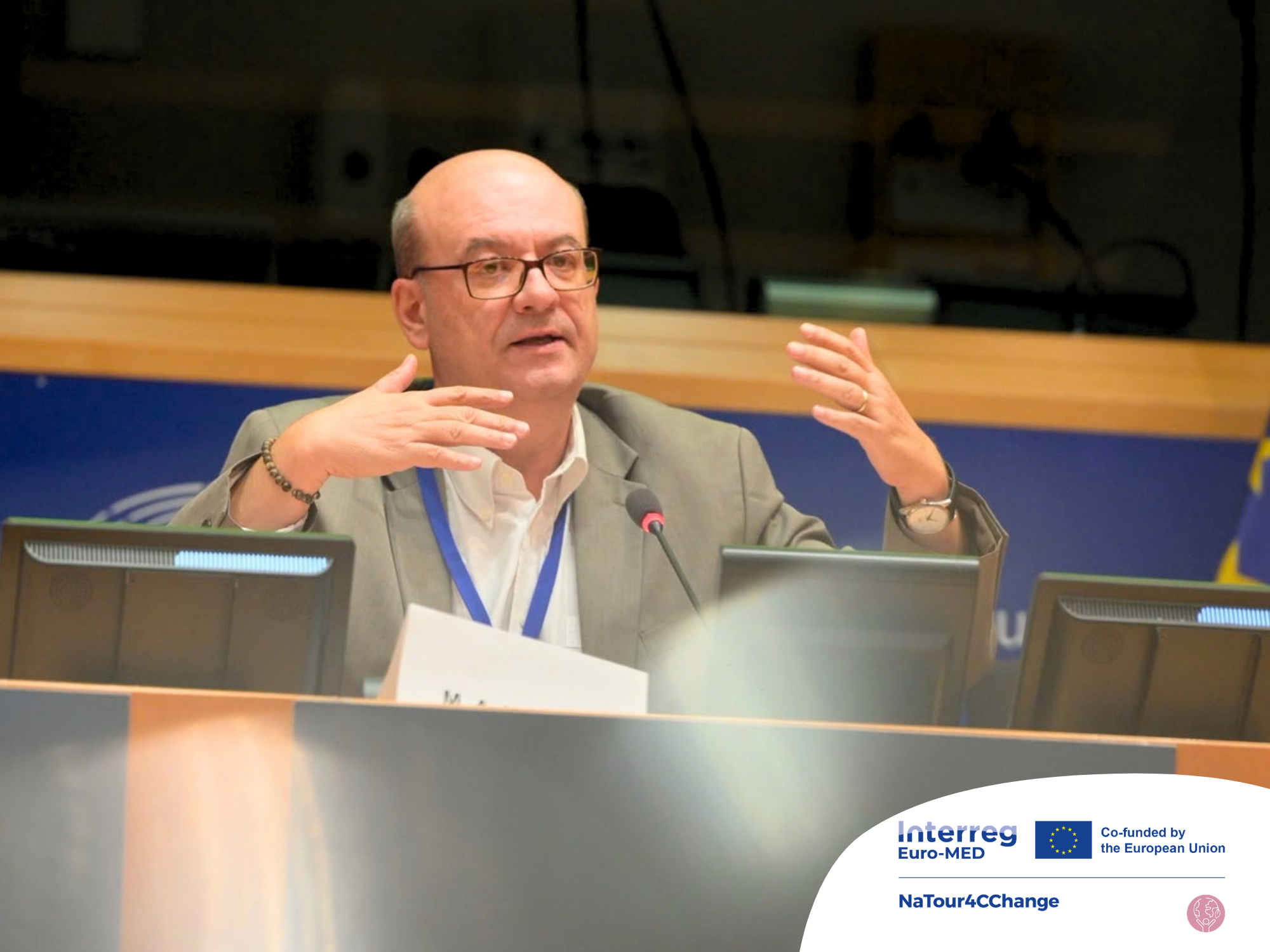
Miguel Avila Albez, representing DG REGIO and the Interreg Euro-MED Programme, looked ahead to future European support and milestones for climate-resilient tourism in the coming years and discussed the relevance of European territorial cooperation and future funding frameworks for sustaining progress beyond 2027. The event marked an important final step in translating the experience of NaTour4CChange into policy messages that can support wider uptake across Mediterranean and European destinations.
 One central message
 emerged clearly from the discussion:
climate resilience must become an integral part of how tourism is planned, governed and financed. Across the different interventions,
three priorities emerged clearly: integrated governance, sufficient capacity and long-term funding, and the need for a stronger Mediterranean cooperation. Europe already has a wealth of projects, experiences and territorial solutions. The challenge now is to connect them with EU policies and long-term funding frameworks that can enable their implementation at scale.